 Ver en contexto
 Enviar
 Compartir
 Detalles

 Descargar
 Similares
 Radiografía
 Presentación de diapositivas
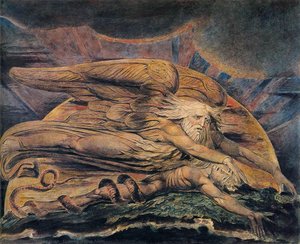
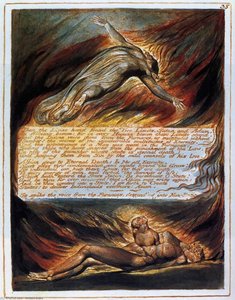
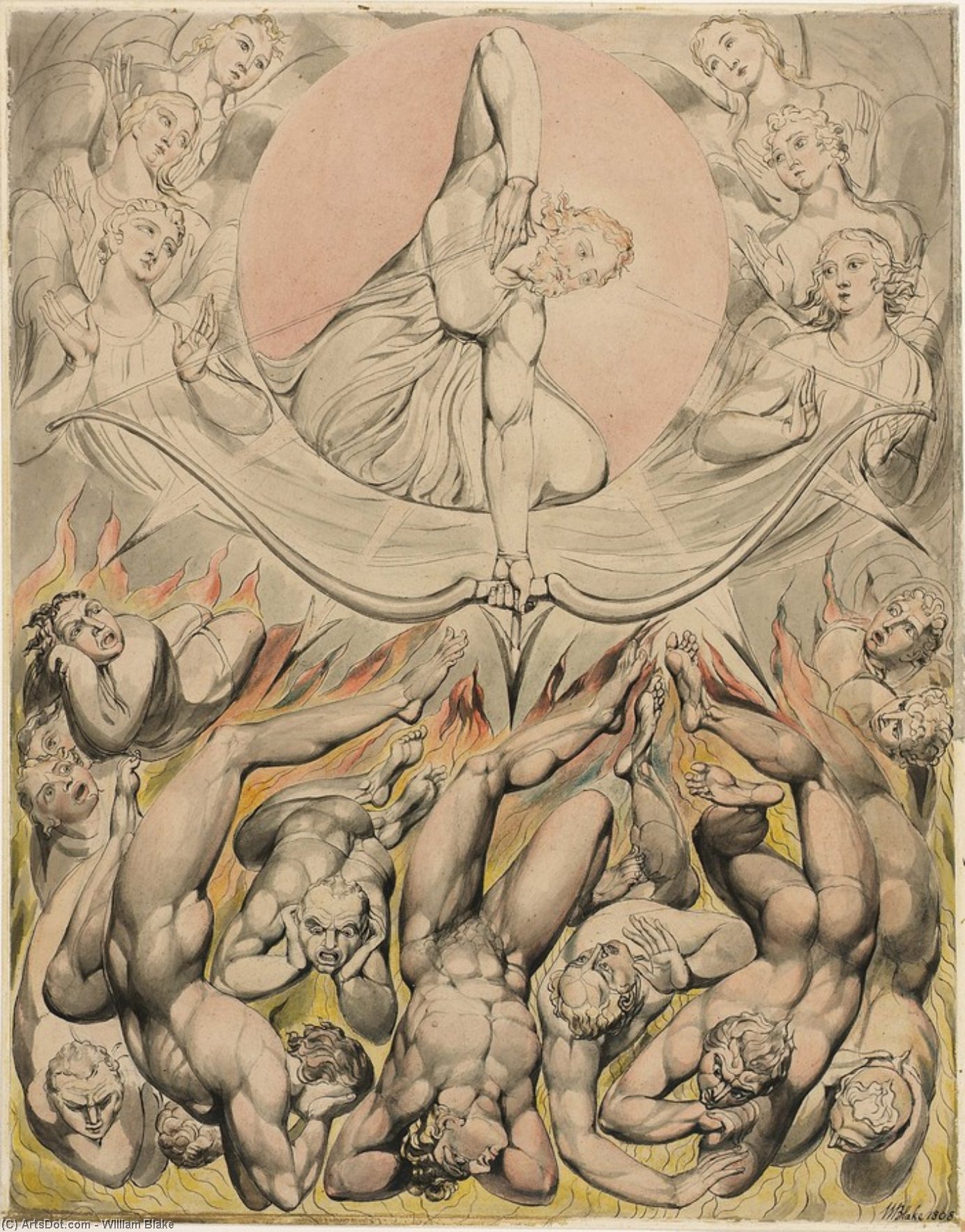
La expulsión de los ángeles rebeldes al infierno


 Ver más
Reproducción al óleo hecha a mano
Óleo sobre lienzo pintado a mano en el tamaño y marco de su elección, realizado por encargo por nuestros artistas. ( Comprar impresión Comprar imagen)




P118B $10

P118H $10

P118W $10

P438Z $10

P508JH $12

P508YH $12

P805H $10

P805Z $10

P919BZ $10

P919G $10

P919XJ $10

P959ZH $10

P968JZ $12

W106C $8

W218G $10

W218JH $8

W218Y $10

W307PJ $10

W316G $10

W316PJ $8

W316Y $10

W398PJ $8

W4111J $10

W500HY $15

W500JH $15

W692G $12

W849H $8

W940BG $15

W953PJ $8




Elija entre nuestros tamaños predefinidos que respetan las proporciones originales de la obra.

Puede ingresar sus propias dimensiones para adaptarse a un marco o espacio específico. Si el tamaño seleccionado no coincide con las proporciones de la imagen original, recortaremos la obra o extenderemos la pintura con elementos adicionales pintados a mano. Se le enviará una maqueta digital para su aprobación antes de comenzar la producción.
Tenga en cuenta que la vista previa en pantalla no refleja el recorte o la extensión reales. Solo la maqueta mostrará con precisión la composición final.
Si bien existen tamaños personalizados, recomendamos seleccionar una dimensión de la lista predefinida para preservar las proporciones originales.
Tras realizar el pedido, el equipo de ArtsDot.com enviará un correo electrónico al cliente para solicitar instrucciones y proporcionarle una vista previa del boceto.
Envío a todo el mundo () en 3-4 semanas en lugar de las 5 semanas estándar. (25 agosto). Sin comprometer la calidad.

Envío exprés gratuito a todo el mundo

Lienzo de lino de alta calidad

Seguro de envío total

Garantía de reembolso de impuestos aduaneros

Garantía de fidelidad cromática exacta

Política de devolución de 60 días (solo por defectos)

Garantía de devolución del 100% del dinero

Descuento por cantidad
 La opción de vidrio solo está disponible en tamaños inferiores a 110 cm.

La expulsión de los ángeles rebeldes al infierno
Técnica de reproducción
Dimensiones de la reproducción
-


Precio total final
$ 263
Descripción de la obra
William Blake’s “The Casting of the Rebel Angels into Hell”: A Dance Between Vision and Technique
A profound exploration of spiritual conflict and artistic innovation, William Blake's "The Casting of the Rebel Angels into Hell" transcends mere depiction; it embodies a visionary encounter with the sublime. Painted in 1808, this monumental canvas stands as a testament to Blake’s singular ability to fuse fantastical imagery with meticulous printmaking craftsmanship—a feat that cemented his place among the pioneers of Romantic art.Subject Matter and Narrative
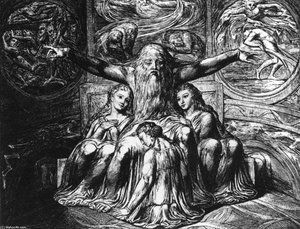
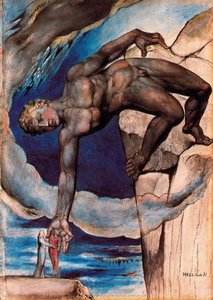
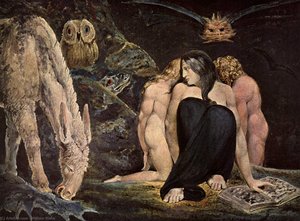
The painting centers around a woman poised in an arresting dance posture, her arms outstretched towards an unseen celestial realm. Surrounding her are figures engaged in various activities – musicians playing instruments, observers gazing upwards – creating a dynamic tableau that speaks to themes of ascension, judgment, and the eternal struggle between good and evil. Blake’s narrative isn't simply about angels falling; it’s about humanity confronting its own mortality and yearning for transcendence. The woman herself is interpreted as representing divine grace attempting to draw souls into salvation amidst the chaos of demonic influence.Style and Technique: Engraving’s Transformative Power
Blake famously employed engraving—a technique he revolutionized—to achieve his artistic vision. Unlike traditional painting, engraving allowed him to capture intricate detail and tonal variations with unparalleled precision. The image was created using mezzotint printing, a process that involved roughening the metal plate with abrasive tools to create countless tiny grooves – known as “engraving lines” – which would then be inked and pressed onto paper. This method produced velvety blacks and subtle gradations of color, resulting in an astonishingly realistic portrayal of ethereal figures battling for dominance. Blake’s masterful manipulation of light and shadow contributes significantly to the painting's dramatic impact.Historical Context: Romanticism at Its Zenith
“The Casting of the Rebel Angels into Hell” emerged during the height of Romanticism—a movement characterized by an obsession with emotion, imagination, and individualism. Blake’s work resonated deeply with contemporaries grappling with anxieties about faith, reason, and societal change. The painting reflects the broader Romantic preoccupation with confronting darkness and striving for spiritual illumination – mirroring the turbulent political landscape of Britain under Napoleon's reign. It stands alongside other iconic Romantic canvases like Caspar David Friedrich’s “Wanderer Above the Sea of Fog,” demonstrating a shared desire to capture the grandeur and terror of the natural world as well as exploring profound philosophical questions.Symbolism: Angels, Demons, and Divine Grace
Blake imbued his artwork with layers of symbolic meaning. The angels represent divine righteousness and spiritual aspiration, while demons embody evil forces attempting to corrupt humanity’s soul. The woman's dance symbolizes the pursuit of grace—the acceptance of God’s love—amidst the pervasive influence of darkness. Blake frequently employed biblical imagery and esoteric symbolism drawn from Kabbalah (Jewish mysticism) to convey complex theological concepts. The swirling patterns and luminous colors contribute to an atmosphere of otherworldly beauty and spiritual fervor.Emotional Impact: Confronting Eternity
Ultimately, “The Casting of the Rebel Angels into Hell” compels viewers to confront existential questions about life’s purpose and mortality. Its unsettling juxtaposition of light and shadow evokes a sense of drama and urgency—drawing us into a timeless battle between opposing forces. The painting's haunting beauty lingers long after viewing, prompting contemplation on themes of faith, redemption, and the enduring human desire for transcendence. It remains an unforgettable masterpiece – a testament to Blake’s unparalleled artistic vision and his transformative engagement with printmaking technique.Obras relacionadas
Biografía del artista
una vida marcada por un espíritu creativo
william blake, un artista, poeta e grabador visionario, dejó una marca indeleble en el mundo del arte. Nacido en Londres el 28 de noviembre de 1757 y fallecido el 12 de agosto de 1827, la vida de Blake fue un testimonio de su profundo espíritu creativo.vida temprana e influencias
Los primeros años de Blake estuvieron marcados por una profunda conexión con las artes. Su padre, william blake sr., un hosier, y su madre, catherine wright, influyeron en sus inclinaciones espirituales y artísticas. Esto llevó a su aprendizaje bajo la tutela de francisco bartolozzi, un grabador.evolución artística y obras notables
El viaje artístico de Blake abarcó diversos medios, incluyendo la pintura, la poesía y la grabado. Algunas de sus obras más notables incluyen:- the tyger (1795) - una obra maestra de la literatura romántica, que muestra la mezcla única de Blake entre lo místico y lo real.
- the sickle (1803) - un ejemplo conmovedor de su destreza en el grabado, que refleja su profunda conexión con la naturaleza.
- the ghost of a flea (c. 1819–1820) - un testimonio del enfoque innovador de Blake en el arte, que difumina las líneas entre la realidad y la fantasía.
museos que exhiben obras de Blake
- blake museum, reino unido - un destino imprescindible para cualquier entusiasta de Blake, que alberga una extensa colección de sus obras de arte. [https://ArtsDot.com/@/william-blake](https://ArtsDot.com/@/william-blake)
- fulham public library, reino unido - aunque no es un museo dedicado exclusivamente a Blake, presenta varias de sus obras notables, ofreciendo una perspectiva única del arte británico. [https://ArtsDot.com/@@/a@d3bma9-discovering-the-artworks-of-fulham-public-library-united-kingdom](https://ArtsDot.com/@@/a@d3bma9-discovering-the-artworks-of-fulham-public-library-united-kingdom)
legado e impacto
La influencia de Blake en el arte británico es innegable. Su mezcla única de lo místico, lo profético y lo imaginativo ha inspirado a generaciones de artistas. Como precursor del movimiento romántico, la obra de Blake continúa desafiando cualquier categorización fácil, convirtiéndolo en una piedra angular de la literatura y el arte británicos.lecturas adicionales
Para más información sobre William Blake y sus obras, explore: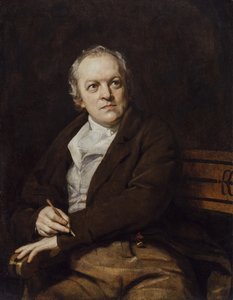
William Blake
1757 - 1827 , Reino Unido
Datos clave
- Artistas Influenciados:
- Pre-Rafaelitas
- Simbolismo
- Modernismo
- Artistas Que Influyeron:
- Raphael
- Miguel Ángel
- Fecha De Muerte: 12 de agosto de 1827
- Fecha De Nacimiento: 28 de noviembre de 1757
- Lugar De Nacimiento: Londres, Reino Unido
- Movimiento Artístico: Romanticismo
- Nacionalidad: Británico
- Nombre Completo: William Blake
- Obras Notables:
- El Tigre (1795)
- La Segadora (1803)
- El Fantasma de una Pulga
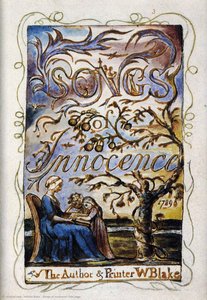
- Canciones de Inocencia
- Jerusalén (1804-1820)
Artículos relacionados

William Blake: Romantic Visionary & Mystical Genius of the Imagination
Explore the mystical art & poetic genius of William Blake (1757-1827). Discover his revolutionary illuminated printing, rich symbolism, and lasting influence on Romanticism. Find handmade reproductions at ArtsDot.
Celestial Messengers: Angels in Painting – A Historical & Artistic Exploration
Explore the captivating history of angels in painting! Discover symbolism, iconic Renaissance & Byzantine masterpieces, and renowned artists. Expert insights for art lovers & collectors at ArtsDot.
Celestial Messengers: A Comprehensive Exploration of Angelic Representation in Art History
Explore the captivating history of angels in art! Discover symbolism, iconic Renaissance masterpieces & renowned artists. Expert insights for art lovers & collectors at ArtsDot.

Romantic Realism's Finest: 10 Masterpieces for Your Home | ArtsDot
Explore 10 defining masterpieces of Romantic Realism! Discover Courbet, Millet & Daumier's powerful paintings—capturing emotion and social realities. Find museum-quality reproductions for your home at ArtsDot.com.
Sir William Blake Richmond: A Visionary of Aestheticism & Symbolism
Explore the life & art of Sir William Blake Richmond, a pivotal figure bridging Pre-Raphaelitism and Aestheticism. Discover his stunning portraits, mosaics at St Paul's Cathedral, and lasting influence on Victorian art.