 Ver en contexto
 Enviar
 Compartir
 Detalles

 Descargar
 Similares
 Radiografía
 Presentación de diapositivas
 Stats
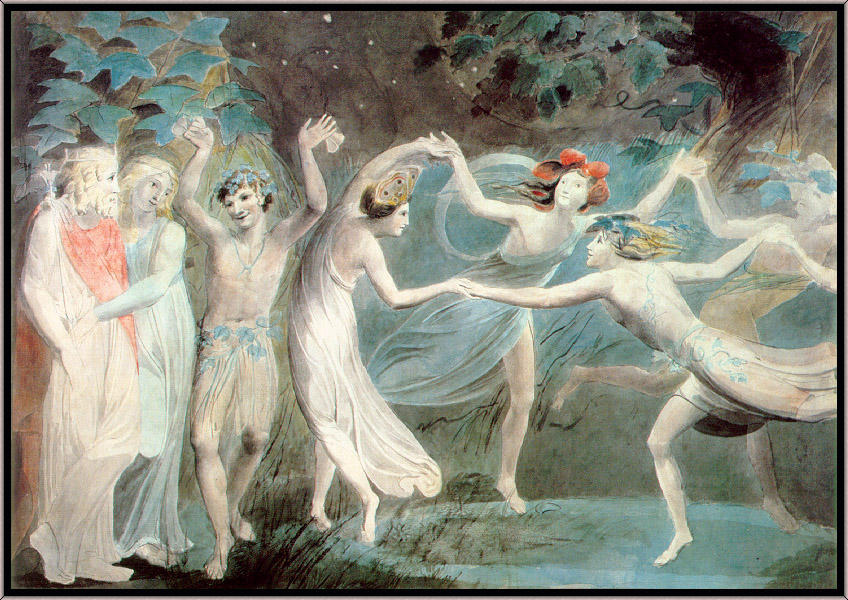
StatsOberon, Titania and Puck with Fairies Dancing


 Ver más
Reproducción al óleo hecha a mano
Óleo sobre lienzo pintado a mano en el tamaño y marco de su elección, realizado por encargo por nuestros artistas. ( Switch to Print Switch to Digital Image)




P118B $10

P118H $10

P118W $10

P438Z $10

P508JH $12

P508YH $12

P805H $10

P805Z $10

P919BZ $10

P919G $10

P919XJ $10

P959ZH $10

P968JZ $12

W106C $8

W218G $10

W218JH $8

W218Y $10

W307PJ $10

W316G $10

W316PJ $8

W316Y $10

W398PJ $8

W4111J $10

W500HY $15

W500JH $15

W692G $12

W849H $8

W940BG $15

W953PJ $8




Elija entre nuestros tamaños predefinidos que respetan las proporciones originales de la obra.

Puede ingresar sus propias dimensiones para adaptarse a un marco o espacio específico. Si el tamaño seleccionado no coincide con las proporciones de la imagen original, recortaremos la obra o extenderemos la pintura con elementos adicionales pintados a mano. Se le enviará una maqueta digital para su aprobación antes de comenzar la producción.
Tenga en cuenta que la vista previa en pantalla no refleja el recorte o la extensión reales. Solo la maqueta mostrará con precisión la composición final.
Si bien existen tamaños personalizados, recomendamos seleccionar una dimensión de la lista predefinida para preservar las proporciones originales.
Tras realizar el pedido, el equipo de ArtsDot.com enviará un correo electrónico al cliente para solicitar instrucciones y proporcionarle una vista previa del boceto.
Envío a todo el mundo () en 3-4 semanas en lugar de las 5 semanas estándar. (8 septiembre). Sin comprometer la calidad.

Envío exprés gratuito a todo el mundo

Lienzo de lino de alta calidad

Seguro de envío total

Garantía de reembolso de impuestos aduaneros

Garantía de fidelidad cromática exacta

Política de devolución de 100 días (solo por defectos)

Garantía de devolución del 100% del dinero

Descuento por cantidad
 La opción de vidrio solo está disponible en tamaños inferiores a 110 cm.

Oberon, Titania and Puck with Fairies Dancing
Técnica de reproducción
Dimensiones de la reproducción
-


Precio total final
$ 263
A Dance Among Shadows and Light: Exploring William Blake’s “Oberon, Titania and Puck with Fairies Dancing”
The painting "Oberon, Titania and Puck with Fairies Dancing," created by William Blake in 1786, stands as a cornerstone of Romantic art—a testament to the era's fascination with imagination, mythology, and the sublime beauty found within the natural world. More than just a depiction of fantastical figures engaged in merriment, this artwork delves into profound philosophical themes concerning innocence, experience, and the transformative power of dreams. Blake’s vision transcends mere visual representation; it aspires to evoke an emotional response that resonates with viewers long after they’ve gazed upon its surface.The Enchanted Forest Setting: Technique and Composition
Blake's masterful use of mezzotint engraving—a technique he pioneered—is central to the artwork’s distinctive aesthetic. Unlike oil painting, which relies on blending colors to achieve tonal gradations, mezzotint employs a laborious process involving multiple stages of etching and polishing. This method produces incredibly detailed prints with subtle shading effects that capture the ethereal quality of the woodland scene. The composition itself is carefully considered: Blake arranges the figures—Oberon, Titania, Puck, and numerous fairies—within a densely populated forest landscape. Trees dominate the background, their branches intertwining to create an atmosphere of mystery and seclusion. The artist’s meticulous attention to detail ensures that every leaf and twig contributes to the overall sense of enchantment.Mythological Roots and Symbolism: Blake's Romantic Vision
“Oberon, Titania and Puck with Fairies Dancing” draws heavily upon Shakespeare’s “A Midsummer Night’s Dream,” adapting the play’s fantastical elements into Blake’s own symbolic language. The fairy realm represents a space beyond rational understanding—a realm governed by instinct, emotion, and spiritual intuition. Oberon and Titania embody regal authority and divine grace, while Puck embodies mischievousness and playful disruption of order. These characters symbolize opposing forces that coexist within the human psyche: reason versus imagination, darkness versus light, innocence versus experience. The dancing fairies themselves represent joy, vitality, and the ceaseless cycle of life—themes deeply ingrained in Romantic thought.Historical Context: Blake’s Engagement with Spiritual Reform
Blake's artistic output coincided with a period of significant intellectual ferment within Britain. The Enlightenment championed reason and scientific inquiry, yet simultaneously fueled anxieties about societal change and moral decay. Blake vehemently opposed these trends, advocating for a return to Christian mysticism and rejecting materialism as corrupting influences. “Oberon, Titania and Puck with Fairies Dancing” reflects this spiritual conviction—a yearning for transcendence and an affirmation of the sacredness of nature. It stands as a defiant assertion against the constraints of conventional artistic conventions and intellectual dogma.Emotional Resonance: Capturing the Sublime
Ultimately, Blake’s masterpiece succeeds in conveying the sublime—that feeling of awe and terror inspired by encountering something vast and incomprehensible. The luminous quality of the mezzotint print captures the ethereal glow of moonlight filtering through the trees, creating an atmosphere that is both beautiful and unsettling. Viewers are invited to contemplate the mysteries of existence and to embrace the transformative potential of dreams. “Oberon, Titania and Puck with Fairies Dancing” remains a powerful reminder that art can communicate profound truths about the human condition—truths that transcend time and circumstance.Obras relacionadas
Biografía del artista
una vida marcada por un espíritu creativo
william blake, un artista, poeta e grabador visionario, dejó una marca indeleble en el mundo del arte. Nacido en Londres el 28 de noviembre de 1757 y fallecido el 12 de agosto de 1827, la vida de Blake fue un testimonio de su profundo espíritu creativo.vida temprana e influencias
Los primeros años de Blake estuvieron marcados por una profunda conexión con las artes. Su padre, william blake sr., un hosier, y su madre, catherine wright, influyeron en sus inclinaciones espirituales y artísticas. Esto llevó a su aprendizaje bajo la tutela de francisco bartolozzi, un grabador.evolución artística y obras notables
El viaje artístico de Blake abarcó diversos medios, incluyendo la pintura, la poesía y la grabado. Algunas de sus obras más notables incluyen:- the tyger (1795) - una obra maestra de la literatura romántica, que muestra la mezcla única de Blake entre lo místico y lo real.
- the sickle (1803) - un ejemplo conmovedor de su destreza en el grabado, que refleja su profunda conexión con la naturaleza.
- the ghost of a flea (c. 1819–1820) - un testimonio del enfoque innovador de Blake en el arte, que difumina las líneas entre la realidad y la fantasía.
museos que exhiben obras de Blake
- blake museum, reino unido - un destino imprescindible para cualquier entusiasta de Blake, que alberga una extensa colección de sus obras de arte. [https://ArtsDot.com/@/william-blake](https://ArtsDot.com/@/william-blake)
- fulham public library, reino unido - aunque no es un museo dedicado exclusivamente a Blake, presenta varias de sus obras notables, ofreciendo una perspectiva única del arte británico. [https://ArtsDot.com/@@/a@d3bma9-discovering-the-artworks-of-fulham-public-library-united-kingdom](https://ArtsDot.com/@@/a@d3bma9-discovering-the-artworks-of-fulham-public-library-united-kingdom)
legado e impacto
La influencia de Blake en el arte británico es innegable. Su mezcla única de lo místico, lo profético y lo imaginativo ha inspirado a generaciones de artistas. Como precursor del movimiento romántico, la obra de Blake continúa desafiando cualquier categorización fácil, convirtiéndolo en una piedra angular de la literatura y el arte británicos.lecturas adicionales
Para más información sobre William Blake y sus obras, explore: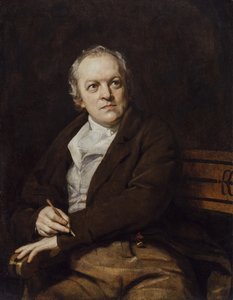
William Blake
1757 - 1827 , Reino Unido
Datos clave
- Artistas Influenciados:
- Pre-Rafaelitas
- Simbolismo
- Modernismo
- Artistas Que Influyeron:
- Raphael
- Miguel Ángel
- Fecha De Muerte: 12 de agosto de 1827
- Fecha De Nacimiento: 28 de noviembre de 1757
- Lugar De Nacimiento: Londres, Reino Unido
- Movimiento Artístico: Romanticismo
- Nacionalidad: Británico
- Nombre Completo: William Blake
- Obras Notables:
- El Tigre (1795)
- La Segadora (1803)
- El Fantasma de una Pulga
- Canciones de Inocencia
- Jerusalén (1804-1820)
Artículos relacionados

Giclée Prints: Archival Quality & Aesthetic Nuances for the Discerning Collector
Explore the world of giclée prints with ArtsDot. Learn about archival quality, aesthetic nuances & investment potential. Expert guidance for discerning art collectors seeking museum-quality reproductions and lasting value.

Echoes of Time: Exploring the Enduring Appeal & Historical Context of Vintage Art Prints
Explore the captivating world of vintage art prints! Discover their history, collecting tips & enduring appeal. Expert insights on chromolithography and building a legacy collection with ArtsDot.

William Blake: Romantic Visionary & Mystical Genius of the Imagination
Explore the mystical art & poetic genius of William Blake (1757-1827). Discover his revolutionary illuminated printing, rich symbolism, and lasting influence on Romanticism. Find handmade reproductions at ArtsDot.

The Enduring Legacy of Fine Art Prints: Technique, History & Aesthetic Impact
Explore the rich history & techniques of fine art prints. Discover investment potential, assess authenticity, and learn how to preserve your collection with expert guidance. Trusted insights for discerning collectors.
Kay Rasmus Nielsen: A Golden Age Illustrator's Enchanting Legacy of Symbolism & Narrative
Explore the captivating world of Kay Rasmus Nielsen, a celebrated Golden Age illustrator renowned for his Art Nouveau fairy tale art & Disney contributions. Discover his unique style, enduring legacy, and how to collect his enchanting works.