 Ver en contexto
 Enviar
 Compartir
 Detalles

 Descargar
 Similares
 Radiografía
 Presentación de diapositivas
 Stats
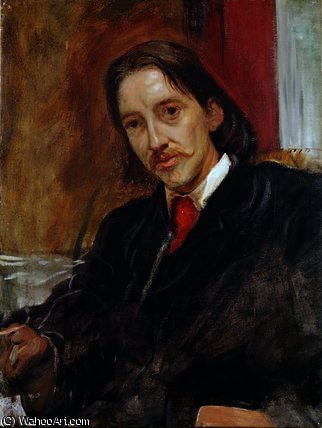
StatsPortrait of Robert Louis Stevenson


 Ver más
Giclée / Impresión de arte
Impresiones giclée o en lienzo de calidad de museo con producción rápida y opciones de acabado flexibles. ( Comprar pintura hecha a mano Switch to Digital Image)




P118B $10

P118H $10

P118W $10

P438Z $10

P508JH $12

P508YH $12

P805H $10

P805Z $10

P919BZ $10

P919G $10

P919XJ $10

P959ZH $10

P968JZ $12

W106C $8

W218G $10

W218JH $8

W218Y $10

W307PJ $10

W316G $10

W316PJ $8

W316Y $10

W398PJ $8

W4111J $10

W500HY $15

W500JH $15

W692G $12

W849H $8

W940BG $15

W953PJ $8




Elija entre nuestros tamaños predefinidos que respetan las proporciones originales de la obra.

Puede introducir sus propias dimensiones para adaptarse a un marco o espacio específico. Si el tamaño seleccionado no coincide con las proporciones de la imagen original, recortaremos la obra de arte o extenderemos la imagen con un borde con efecto espejo o de color sólido. Se enviará una maqueta digital para su aprobación antes de que comience la producción.
Tenga en cuenta que la vista previa en pantalla no refleja el recorte o la extensión real. Solo la maqueta mostrará con precisión la composición final.
Aunque existen tamaños personalizados, recomendamos seleccionar una dimensión de la lista predefinida para preservar las proporciones originales.
Envío a todo el mundo () en 2 semanas en lugar de las 4/5 semanas estándar. (8 septiembre)

Envío exprés gratuito a todo el mundo

Lienzo de lino de alta calidad

Seguro de envío total

Garantía de reembolso de impuestos aduaneros

Garantía de fidelidad cromática exacta

Política de devolución de 100 días (solo por defectos)

Garantía de devolución del 100% del dinero

Descuento por cantidad
 La opción de vidrio solo está disponible en tamaños inferiores a 110 cm.

Portrait of Robert Louis Stevenson
Giclée / Impresión de arte
Dimensiones de la reproducción
-


Precio total final
$ 62
A Visionary Encounter: The Soul of Robert Louis Stevenson
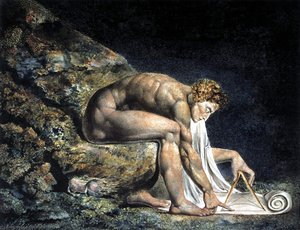
In the intimate theater of William Blake’s Portrait of Robert Louis Stevenson, we are invited to look far beyond the mere surface of a man's features. This striking portrait captures the essence of one of Scotland's most enduring literary giants, a man whose pen breathed life into the shadows of Treasure Island and the psychological duality of Dr Jekyll and Mr Hyde. Blake’s approach is profoundly intentional; by focusing intently on Stevenson's face, the artist bypasses the external trappings of status to invite a deep contemplation of the subject's inner life. It is a study in psychological complexity, where every line and contour serves as a window into a restless, imaginative spirit.
The painting breathes with the very heart of Romanticism. Rejecting the rigid, polished formalism of Neoclassicism, Blake embraced an expressive aesthetic that prioritizes emotion and imagination over literal representation. The work eschews a smooth, clinical finish in favor of a textured, almost tactile quality that reflects the artist's belief in capturing the living spirit rather than a static likeness. This movement, which flourished between 1798 and 1837, found its perfect vessel in this portrait, as it mirrors the era's fascination with individualism, folklore, and the exploration of the darker, more mysterious recesses of human consciousness.
Mastery of Light and the Mezzotint Legacy
To behold this work is to witness a masterclass in tonal manipulation. Blake utilized the meticulous technique of mezzotint, a process involving hardened copper rollers to create deep, velvety blacks and luminous highlights. This method allowed for subtle gradations of light and shadow that possess a depth unattainable through traditional oil painting alone. Through this painstaking process, Blake was able to sculpt Stevenson's face, using light to emphasize the rugged contours of his features and creating an atmosphere of profound introspection. The result is a portrait that feels as though it is emerging from a dream, caught in a moment of quiet, spiritual yearning.
The visual impact of the piece is further heightened by its bold use of color and symbolic weight. A striking red wall serves as the backdrop, acting as a powerful visual anchor for the composition. This splash of crimson is not merely decorative; it represents passion, vitality, and perhaps even the latent danger inherent in the human psyche—themes that resonate powerfully throughout Blake's entire oeuvre. For the discerning collector or interior designer, this painting offers more than just a historical tribute; it provides a commanding focal point that brings a sense of dramatic narrative and intellectual depth to any curated space.
Ultimately, the Portrait of Robert Louis Stevenson stands as a testament to the power of the visionary gaze. It is an evocative piece that bridges the gap between the physical world and the spiritual imagination, making it an ideal acquisition for those who seek art that does not merely decorate a room, but stirs the soul and provokes endless conversation.
Obras relacionadas
Biografía del artista
una vida marcada por un espíritu creativo
william blake, un artista, poeta e grabador visionario, dejó una marca indeleble en el mundo del arte. Nacido en Londres el 28 de noviembre de 1757 y fallecido el 12 de agosto de 1827, la vida de Blake fue un testimonio de su profundo espíritu creativo.vida temprana e influencias
Los primeros años de Blake estuvieron marcados por una profunda conexión con las artes. Su padre, william blake sr., un hosier, y su madre, catherine wright, influyeron en sus inclinaciones espirituales y artísticas. Esto llevó a su aprendizaje bajo la tutela de francisco bartolozzi, un grabador.evolución artística y obras notables
El viaje artístico de Blake abarcó diversos medios, incluyendo la pintura, la poesía y la grabado. Algunas de sus obras más notables incluyen:- the tyger (1795) - una obra maestra de la literatura romántica, que muestra la mezcla única de Blake entre lo místico y lo real.
- the sickle (1803) - un ejemplo conmovedor de su destreza en el grabado, que refleja su profunda conexión con la naturaleza.
- the ghost of a flea (c. 1819–1820) - un testimonio del enfoque innovador de Blake en el arte, que difumina las líneas entre la realidad y la fantasía.
museos que exhiben obras de Blake
- blake museum, reino unido - un destino imprescindible para cualquier entusiasta de Blake, que alberga una extensa colección de sus obras de arte. [https://ArtsDot.com/@/william-blake](https://ArtsDot.com/@/william-blake)
- fulham public library, reino unido - aunque no es un museo dedicado exclusivamente a Blake, presenta varias de sus obras notables, ofreciendo una perspectiva única del arte británico. [https://ArtsDot.com/@@/a@d3bma9-discovering-the-artworks-of-fulham-public-library-united-kingdom](https://ArtsDot.com/@@/a@d3bma9-discovering-the-artworks-of-fulham-public-library-united-kingdom)
legado e impacto
La influencia de Blake en el arte británico es innegable. Su mezcla única de lo místico, lo profético y lo imaginativo ha inspirado a generaciones de artistas. Como precursor del movimiento romántico, la obra de Blake continúa desafiando cualquier categorización fácil, convirtiéndolo en una piedra angular de la literatura y el arte británicos.lecturas adicionales
Para más información sobre William Blake y sus obras, explore: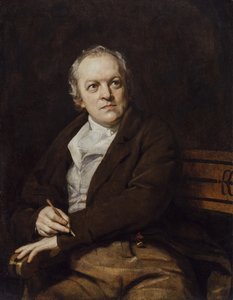
William Blake
1757 - 1827 , Reino Unido
Datos clave
- Artistas Influenciados:
- Pre-Rafaelitas
- Simbolismo
- Modernismo
- Artistas Que Influyeron:
- Raphael
- Miguel Ángel
- Fecha De Muerte: 12 de agosto de 1827
- Fecha De Nacimiento: 28 de noviembre de 1757
- Lugar De Nacimiento: Londres, Reino Unido
- Movimiento Artístico: Romanticismo
- Nacionalidad: Británico
- Nombre Completo: William Blake
- Obras Notables:
- El Tigre (1795)
- La Segadora (1803)
- El Fantasma de una Pulga
- Canciones de Inocencia
- Jerusalén (1804-1820)
Artículos relacionados

Giclée Prints: Archival Quality & Aesthetic Nuances for the Discerning Collector
Explore the world of giclée prints with ArtsDot. Learn about archival quality, aesthetic nuances & investment potential. Expert guidance for discerning art collectors seeking museum-quality reproductions and lasting value.
Los 10 Grabados Legendarios que Transformaron la Historia del Arte | ArtsDot
Descubre los 10 grabados legendarios de Dürer, Rembrandt y Goya que revolucionaron el arte. Explora la historia, técnicas y belleza atemporal de estas obras maestras. Reproducciones de alta calidad en ArtsDot.com para decorar tu hogar con arte clásico.
Engraving: A Historical Survey of Technique, Artistic Expression & Enduring Legacy
Explore the rich history of engraving with ArtsDot. Discover techniques, iconic artists like Dürer & Callot, collecting tips, and expert guidance for preserving your art investment. Learn about intaglio printing & more!

William Blake: Romantic Visionary & Mystical Genius of the Imagination
Explore the mystical art & poetic genius of William Blake (1757-1827). Discover his revolutionary illuminated printing, rich symbolism, and lasting influence on Romanticism. Find handmade reproductions at ArtsDot.
El Intricado Mundo del Grabado: Técnica, Expresión y Legado Histórico
Descubre la fascinante historia del grabado calcográfico: técnicas ancestrales, maestros como Goya y su impacto en el arte y la ciencia. Guía experta para coleccionistas y amantes del arte.