 Vista previa
 Compartir
 Compartir
 Ver detalles

 Descargar
 Ver similares
 Radiografía
 Presentación de diapositivas
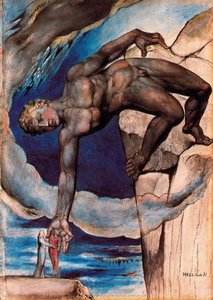
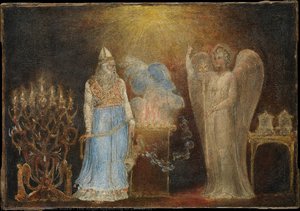
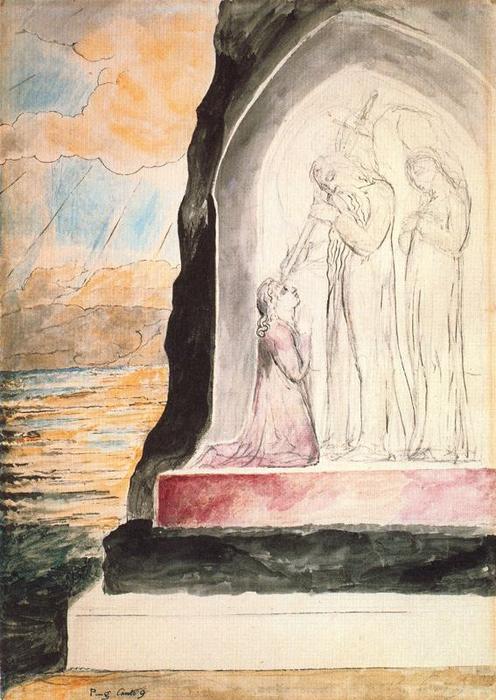
The angel marking the forhead of Dante


 Leer más
Reproducción al óleo hecha a mano
Óleo sobre lienzo pintado a mano en el tamaño y marco de su elección, realizado por encargo por nuestros artistas. ( Pedir impresión Comprar descarga)




P118B $10

P118H $10

P118W $10

P438Z $10

P508JH $12

P508YH $12

P805H $10

P805Z $10

P919BZ $10

P919G $10

P919XJ $10

P959ZH $10

P968JZ $12

W106C $8

W218G $10

W218JH $8

W218Y $10

W307PJ $10

W316G $10

W316PJ $8

W316Y $10

W398PJ $8

W4111J $10

W500HY $15

W500JH $15

W692G $12

W849H $8

W940BG $15

W953PJ $8




Elija entre nuestros tamaños predefinidos que respetan las proporciones originales de la obra.

Puede ingresar sus propias dimensiones para adaptarse a un marco o espacio específico. Si el tamaño seleccionado no coincide con las proporciones de la imagen original, recortaremos la obra o extenderemos la pintura con elementos adicionales pintados a mano. Se le enviará una maqueta digital para su aprobación antes de comenzar la producción.
Tenga en cuenta que la vista previa en pantalla no refleja el recorte o la extensión reales. Solo la maqueta mostrará con precisión la composición final.
Si bien existen tamaños personalizados, recomendamos seleccionar una dimensión de la lista predefinida para preservar las proporciones originales.
Tras realizar el pedido, el equipo de ArtsDot.com enviará un correo electrónico al cliente para solicitar instrucciones y proporcionarle una vista previa del boceto.
Envío a todo el mundo () en 3-4 semanas en lugar de las 5 semanas estándar. (22 agosto). Sin comprometer la calidad.

Envío exprés gratuito a todo el mundo

Lienzo de lino de alta calidad

Seguro de envío completo

Garantía de reembolso de aranceles aduaneros

Garantía de fidelidad cromática exacta

Política de devolución de 60 días (solo por defectos)

Garantía de devolución del 100% del dinero

Oferta por volumen
 La opción de vidrio solo está disponible en tamaños inferiores a 110 cm.

The angel marking the forhead of Dante
Técnica de reproducción
Tamaño de la reproducción
-


Precio total
$ 263
Descripción de la obra
William Blake’s ‘The Angel Marking the Forehead of Dante’: A Vision of Spiritual Transformation
William Blake's "The Angel Marking the Forehead of Dante" is more than just a depiction of a biblical scene; it’s a profound meditation on spiritual awakening, visionary experience, and the fraught relationship between earthly knowledge and divine revelation. Painted in 1794, this watercolor captures a pivotal moment from Dante Alighieri's *Divine Comedy*, specifically the encounter between the poet and the angel who guides him through Hell and Purgatory. Blake’s interpretation transcends a simple illustration, instead offering a deeply personal and symbolic representation of Dante’s journey towards enlightenment.
- Subject Matter: The artwork centers on the iconic scene where the angel, often identified as Michael, marks Dante's forehead with a symbol – typically interpreted as the sign of the cross – signifying his acceptance into God’s grace and his readiness to embark on his epic poetic journey.
- Composition: Blake masterfully employs a pyramidal composition, drawing the viewer’s eye from the kneeling Dante towards the hovering angel. The inclusion of three additional figures—a man standing to the left and two others on the right—adds layers of complexity, perhaps representing witnesses to this transformative event or symbolizing aspects of human experience within the divine plan.
A Masterclass in Blakean Technique
Blake’s distinctive style is immediately recognizable in “The Angel Marking the Forehead of Dante.” He employed a technique known as ‘watercolor glazing,’ layering translucent washes of color to build up depth, luminosity, and an ethereal quality. The delicate handling of the pigments creates a shimmering effect, particularly noticeable in the depiction of the angel's wings and the waves of the ocean backdrop. Note the use of vibrant blues and greens – colors frequently associated with spirituality and the divine – contrasted against the darker tones of Dante’s clothing and the shadowed foreground. Blake’s meticulous attention to detail, evident in the rendering of textures like fabric and water, further enhances the artwork's immersive quality.
- Color Palette: The predominantly cool color palette—blues, greens, and grays—evokes a sense of serenity and contemplation, aligning with the painting’s overall mood.
- Linework: Blake’s characteristic fluid linework contributes to the artwork's dynamic energy and adds to its expressive power.
Symbolism and Romantic Ideals
“The Angel Marking the Forehead of Dante” is rich in symbolic meaning, reflecting Blake’s core Romantic beliefs. The angel represents divine guidance and spiritual authority, while Dante embodies human intellect and artistic aspiration. The act of marking the forehead symbolizes a profound transformation – a merging of earthly and divine consciousness. The beach setting itself—a liminal space between land and sea—further emphasizes this transition. Blake was deeply influenced by alchemy and esoteric traditions, which are subtly woven into the artwork’s symbolism. This piece exemplifies Blake's fascination with visionary experiences and his belief in the power of imagination to unlock spiritual truths.
Emotional Impact and Artistic Legacy
This watercolor resonates with a powerful sense of awe and reverence. It invites viewers to contemplate themes of faith, redemption, and the human condition. Blake’s work continues to captivate audiences today due to its timeless exploration of these universal concerns. A hand-painted reproduction of “The Angel Marking the Forehead of Dante” offers an unparalleled opportunity to experience the full beauty and emotional depth of this seminal artwork – a testament to William Blake's visionary genius.
Obras relacionadas
Biografía del artista
una vida marcada por un espíritu creativo
william blake, un artista, poeta e grabador visionario, dejó una marca indeleble en el mundo del arte. Nacido en Londres el 28 de noviembre de 1757 y fallecido el 12 de agosto de 1827, la vida de Blake fue un testimonio de su profundo espíritu creativo.vida temprana e influencias
Los primeros años de Blake estuvieron marcados por una profunda conexión con las artes. Su padre, william blake sr., un hosier, y su madre, catherine wright, influyeron en sus inclinaciones espirituales y artísticas. Esto llevó a su aprendizaje bajo la tutela de francisco bartolozzi, un grabador.evolución artística y obras notables
El viaje artístico de Blake abarcó diversos medios, incluyendo la pintura, la poesía y la grabado. Algunas de sus obras más notables incluyen:- the tyger (1795) - una obra maestra de la literatura romántica, que muestra la mezcla única de Blake entre lo místico y lo real.
- the sickle (1803) - un ejemplo conmovedor de su destreza en el grabado, que refleja su profunda conexión con la naturaleza.
- the ghost of a flea (c. 1819–1820) - un testimonio del enfoque innovador de Blake en el arte, que difumina las líneas entre la realidad y la fantasía.
museos que exhiben obras de Blake
- blake museum, reino unido - un destino imprescindible para cualquier entusiasta de Blake, que alberga una extensa colección de sus obras de arte. [https://ArtsDot.com/@/william-blake](https://ArtsDot.com/@/william-blake)
- fulham public library, reino unido - aunque no es un museo dedicado exclusivamente a Blake, presenta varias de sus obras notables, ofreciendo una perspectiva única del arte británico. [https://ArtsDot.com/@@/a@d3bma9-discovering-the-artworks-of-fulham-public-library-united-kingdom](https://ArtsDot.com/@@/a@d3bma9-discovering-the-artworks-of-fulham-public-library-united-kingdom)
legado e impacto
La influencia de Blake en el arte británico es innegable. Su mezcla única de lo místico, lo profético y lo imaginativo ha inspirado a generaciones de artistas. Como precursor del movimiento romántico, la obra de Blake continúa desafiando cualquier categorización fácil, convirtiéndolo en una piedra angular de la literatura y el arte británicos.lecturas adicionales
Para más información sobre William Blake y sus obras, explore: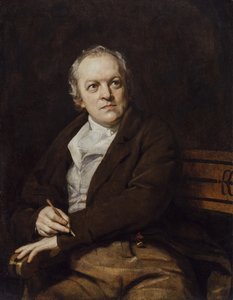
William Blake
1757 - 1827 , Reino Unido
Datos clave
- Artistas Influenciados:
- Pre-Rafaelitas
- Simbolismo
- Modernismo
- Artistas Que Influyeron:
- Raphael
- Miguel Ángel
- Fecha De Muerte: 12 de agosto de 1827
- Fecha De Nacimiento: 28 de noviembre de 1757
- Lugar De Nacimiento: Londres, Reino Unido
- Movimiento Artístico: Romanticismo
- Nacionalidad: Británico
- Nombre Completo: William Blake
- Obras Notables:
- El Tigre (1795)
- La Segadora (1803)
- El Fantasma de una Pulga
- Canciones de Inocencia
- Jerusalén (1804-1820)
Artículos relacionados
Dante Gabriel Rossetti: Las 25 Obras Maestras del Prerrafaelismo | ArtsDot
Descubre las 25 obras maestras de Dante Gabriel Rossetti, el máximo exponente del Prerrafaelismo. Explora su simbolismo, retratos victorianos y la belleza femenina en lienzos inolvidables. Reproducciones de arte exclusivas en ArtsDot.com.

Acuarelas Legendarias: 10 Obras Maestras que Transformaron el Arte | ArtsDot
Descubre 10 acuarelas legendarias de Turner, Monet y Sargent que revolucionaron el arte. Explora la historia, técnica y belleza de estas obras maestras impresionistas y románticas. Reproducciones de museo en ArtsDot.com.

Visiones Efímeras: Historia y Resonancia Emocional de la Pintura Acuarela
Descubre la fascinante historia de la acuarela, desde sus orígenes hasta su expresión contemporánea. Explora técnicas, artistas clave como Paul Klee y encuentra reproducciones de alta calidad en ArtsDot.

Ephemeral Visions: Exploring the Artistic Legacy & Contemporary Practice of Watercolor Painting
Explore the captivating world of watercolor painting! Discover its rich history, essential techniques, influential artists & collecting tips. A comprehensive guide for art enthusiasts from ArtsDot.

William Blake: Romantic Visionary & Mystical Genius of the Imagination
Explore the mystical art & poetic genius of William Blake (1757-1827). Discover his revolutionary illuminated printing, rich symbolism, and lasting influence on Romanticism. Find handmade reproductions at ArtsDot.