 Ver en contexto
 Enviar
 Compartir
 Detalles

 Descargar
 Similares
 Radiografía
 Presentación de diapositivas
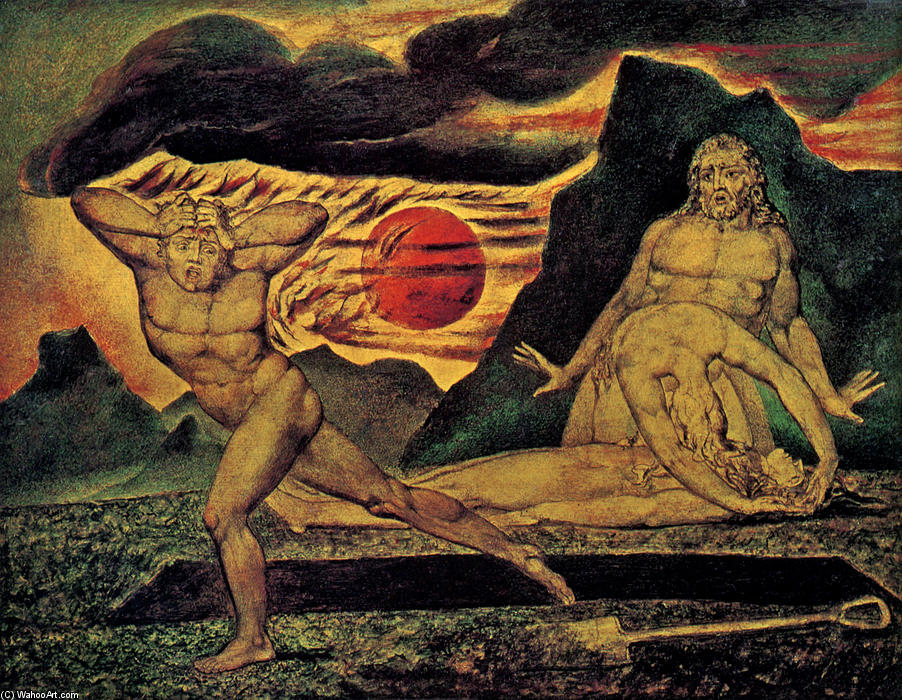
The Body of Abel Found by Adam ^ Eve


 Ver más
Reproducción al óleo hecha a mano
Óleo sobre lienzo pintado a mano en el tamaño y marco de su elección, realizado por encargo por nuestros artistas. ( Comprar impresión Comprar imagen)




P118B $10

P118H $10

P118W $10

P438Z $10

P508JH $12

P508YH $12

P805H $10

P805Z $10

P919BZ $10

P919G $10

P919XJ $10

P959ZH $10

P968JZ $12

W106C $8

W218G $10

W218JH $8

W218Y $10

W307PJ $10

W316G $10

W316PJ $8

W316Y $10

W398PJ $8

W4111J $10

W500HY $15

W500JH $15

W692G $12

W849H $8

W940BG $15

W953PJ $8




Elija entre nuestros tamaños predefinidos que respetan las proporciones originales de la obra.

Puede ingresar sus propias dimensiones para adaptarse a un marco o espacio específico. Si el tamaño seleccionado no coincide con las proporciones de la imagen original, recortaremos la obra o extenderemos la pintura con elementos adicionales pintados a mano. Se le enviará una maqueta digital para su aprobación antes de comenzar la producción.
Tenga en cuenta que la vista previa en pantalla no refleja el recorte o la extensión reales. Solo la maqueta mostrará con precisión la composición final.
Si bien existen tamaños personalizados, recomendamos seleccionar una dimensión de la lista predefinida para preservar las proporciones originales.
Tras realizar el pedido, el equipo de ArtsDot.com enviará un correo electrónico al cliente para solicitar instrucciones y proporcionarle una vista previa del boceto.
Envío a todo el mundo () en 3-4 semanas en lugar de las 5 semanas estándar. (24 agosto). Sin comprometer la calidad.

Envío exprés gratuito a todo el mundo

Lienzo de lino de alta calidad

Seguro de envío total

Garantía de reembolso de impuestos aduaneros

Garantía de fidelidad cromática exacta

Política de devolución de 60 días (solo por defectos)

Garantía de devolución del 100% del dinero

Descuento por cantidad
 La opción de vidrio solo está disponible en tamaños inferiores a 110 cm.

The Body of Abel Found by Adam ^ Eve
Técnica de reproducción
Dimensiones de la reproducción
-


Precio total final
$ 263
Descripción de la obra
William Blake’s ‘The Body of Abel Found by Adam and Eve’: A Vision of Loss and Redemption
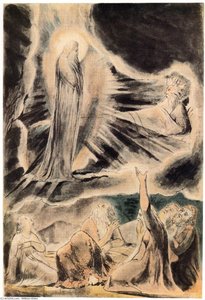
William Blake's 1825 painting, “The Body of Abel Found by Adam and Eve,” is a profoundly unsettling yet undeniably beautiful work that encapsulates the anxieties and spiritual yearnings of the Romantic era. This evocative scene, depicting the aftermath of Abel’s murder at the hands of his brother Cain, transcends a simple biblical narrative; it becomes a potent meditation on innocence lost, guilt, and the potential for redemption within the human condition. The painting's raw emotional power stems from Blake’s unique ability to fuse visionary imagery with meticulous technical skill, creating an artwork that continues to resonate with viewers centuries later.
- Subject Matter: The composition centers on two figures – Adam and Eve – reacting to the gruesome discovery of Abel's lifeless body. Their postures are not those of horrified witnesses but rather of individuals grappling with a devastating revelation, suggesting a deeper, more personal engagement with the tragedy.
- Style & Technique: Blake’s style is immediately recognizable through his characteristic use of vibrant color and intricate detail. The painting demonstrates his mastery of mezzotint engraving, a technique he pioneered, allowing for incredibly rich tonal gradations and subtle textures. The meticulous rendering of the figures' musculature and the dramatic lighting contribute to the scene’s intense emotional impact.
Historical Context & Blake’s Romantic Vision
Painted in 1825, a period marked by significant social and political upheaval in England – the Industrial Revolution was rapidly transforming the landscape and challenging traditional beliefs – “The Body of Abel Found by Adam and Eve” reflects the broader anxieties of the time. Blake was deeply concerned with themes of innocence corrupted, the struggle between good and evil, and the importance of individual spiritual experience. His work aligns perfectly with the tenets of Romanticism, which emphasized emotion, imagination, and a reverence for nature – elements powerfully represented in this piece through the imposing mountain backdrop and the dramatic red sun.
- Biblical Interpretation: Blake’s interpretation of the biblical story diverges significantly from traditional accounts. He doesn't portray Cain as a purely evil figure but rather as a victim of circumstance, mirroring the inherent vulnerability of human nature.
- Symbolism: The red sun, often interpreted as representing divine judgment or passion, adds to the painting’s dramatic intensity. The book in the foreground – a possible reference to the Bible itself – suggests a questioning of established religious dogma and an emphasis on personal interpretation.
Emotional Impact & Artistic Legacy
"The Body of Abel Found by Adam and Eve" is not merely a depiction of a biblical event; it’s a visceral exploration of human suffering, guilt, and the possibility of grace. Blake's masterful use of light and shadow creates a palpable sense of drama and despair, drawing the viewer into the scene's emotional core. The figures’ expressions – Adam’s sorrowful gaze and Eve’s apparent shock – convey a profound sense of loss and vulnerability. This painting solidified Blake’s reputation as a visionary artist and poet, influencing generations of subsequent artists and writers. Its enduring power lies in its ability to tap into universal themes of mortality, morality, and the search for meaning.
Reproduction & Acquisition
ArtsDot offers meticulously crafted hand-painted reproductions of William Blake’s “The Body of Abel Found by Adam and Eve,” ensuring that you possess a faithful representation of this iconic artwork. Our skilled artisans employ traditional techniques to faithfully recreate Blake's intricate details and vibrant color palette, bringing this powerful image into your home or office. Whether for personal enjoyment or as an investment in significant art history, a ArtsDot reproduction offers the perfect way to experience the enduring legacy of William Blake’s genius.
Obras relacionadas
Biografía del artista
una vida marcada por un espíritu creativo
william blake, un artista, poeta e grabador visionario, dejó una marca indeleble en el mundo del arte. Nacido en Londres el 28 de noviembre de 1757 y fallecido el 12 de agosto de 1827, la vida de Blake fue un testimonio de su profundo espíritu creativo.vida temprana e influencias
Los primeros años de Blake estuvieron marcados por una profunda conexión con las artes. Su padre, william blake sr., un hosier, y su madre, catherine wright, influyeron en sus inclinaciones espirituales y artísticas. Esto llevó a su aprendizaje bajo la tutela de francisco bartolozzi, un grabador.evolución artística y obras notables
El viaje artístico de Blake abarcó diversos medios, incluyendo la pintura, la poesía y la grabado. Algunas de sus obras más notables incluyen:- the tyger (1795) - una obra maestra de la literatura romántica, que muestra la mezcla única de Blake entre lo místico y lo real.
- the sickle (1803) - un ejemplo conmovedor de su destreza en el grabado, que refleja su profunda conexión con la naturaleza.
- the ghost of a flea (c. 1819–1820) - un testimonio del enfoque innovador de Blake en el arte, que difumina las líneas entre la realidad y la fantasía.
museos que exhiben obras de Blake
- blake museum, reino unido - un destino imprescindible para cualquier entusiasta de Blake, que alberga una extensa colección de sus obras de arte. [https://ArtsDot.com/@/william-blake](https://ArtsDot.com/@/william-blake)
- fulham public library, reino unido - aunque no es un museo dedicado exclusivamente a Blake, presenta varias de sus obras notables, ofreciendo una perspectiva única del arte británico. [https://ArtsDot.com/@@/a@d3bma9-discovering-the-artworks-of-fulham-public-library-united-kingdom](https://ArtsDot.com/@@/a@d3bma9-discovering-the-artworks-of-fulham-public-library-united-kingdom)
legado e impacto
La influencia de Blake en el arte británico es innegable. Su mezcla única de lo místico, lo profético y lo imaginativo ha inspirado a generaciones de artistas. Como precursor del movimiento romántico, la obra de Blake continúa desafiando cualquier categorización fácil, convirtiéndolo en una piedra angular de la literatura y el arte británicos.lecturas adicionales
Para más información sobre William Blake y sus obras, explore: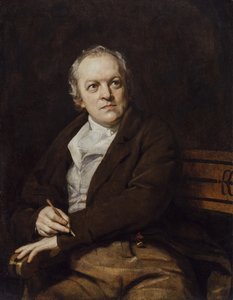
William Blake
1757 - 1827 , Reino Unido
Datos clave
- Artistas Influenciados:
- Pre-Rafaelitas
- Simbolismo
- Modernismo
- Artistas Que Influyeron:
- Raphael
- Miguel Ángel
- Fecha De Muerte: 12 de agosto de 1827
- Fecha De Nacimiento: 28 de noviembre de 1757
- Lugar De Nacimiento: Londres, Reino Unido
- Movimiento Artístico: Romanticismo
- Nacionalidad: Británico
- Nombre Completo: William Blake
- Obras Notables:
- El Tigre (1795)
- La Segadora (1803)
- El Fantasma de una Pulga
- Canciones de Inocencia
- Jerusalén (1804-1820)
Artículos relacionados

William Blake: Romantic Visionary & Mystical Genius of the Imagination
Explore the mystical art & poetic genius of William Blake (1757-1827). Discover his revolutionary illuminated printing, rich symbolism, and lasting influence on Romanticism. Find handmade reproductions at ArtsDot.

Giclée Prints: Archival Quality & Aesthetic Nuances for the Discerning Collector
Explore the world of giclée prints with ArtsDot. Learn about archival quality, aesthetic nuances & investment potential. Expert guidance for discerning art collectors seeking museum-quality reproductions and lasting value.

Echoes of Time: Exploring the Enduring Appeal & Historical Context of Vintage Art Prints
Explore the captivating world of vintage art prints! Discover their history, collecting tips & enduring appeal. Expert insights on chromolithography and building a legacy collection with ArtsDot.

The Enduring Legacy of Fine Art Prints: Technique, History & Aesthetic Impact
Explore the rich history & techniques of fine art prints. Discover investment potential, assess authenticity, and learn how to preserve your collection with expert guidance. Trusted insights for discerning collectors.
Romantic Realism's Finest: 10 Masterpieces for Your Home | ArtsDot
Explore 10 defining masterpieces of Romantic Realism! Discover Courbet, Millet & Daumier's powerful paintings—capturing emotion and social realities. Find museum-quality reproductions for your home at ArtsDot.com.