 Ver en contexto
 Enviar
 Compartir
 Detalles

 Descargar
 Similares
 Radiografía
 Presentación de diapositivas
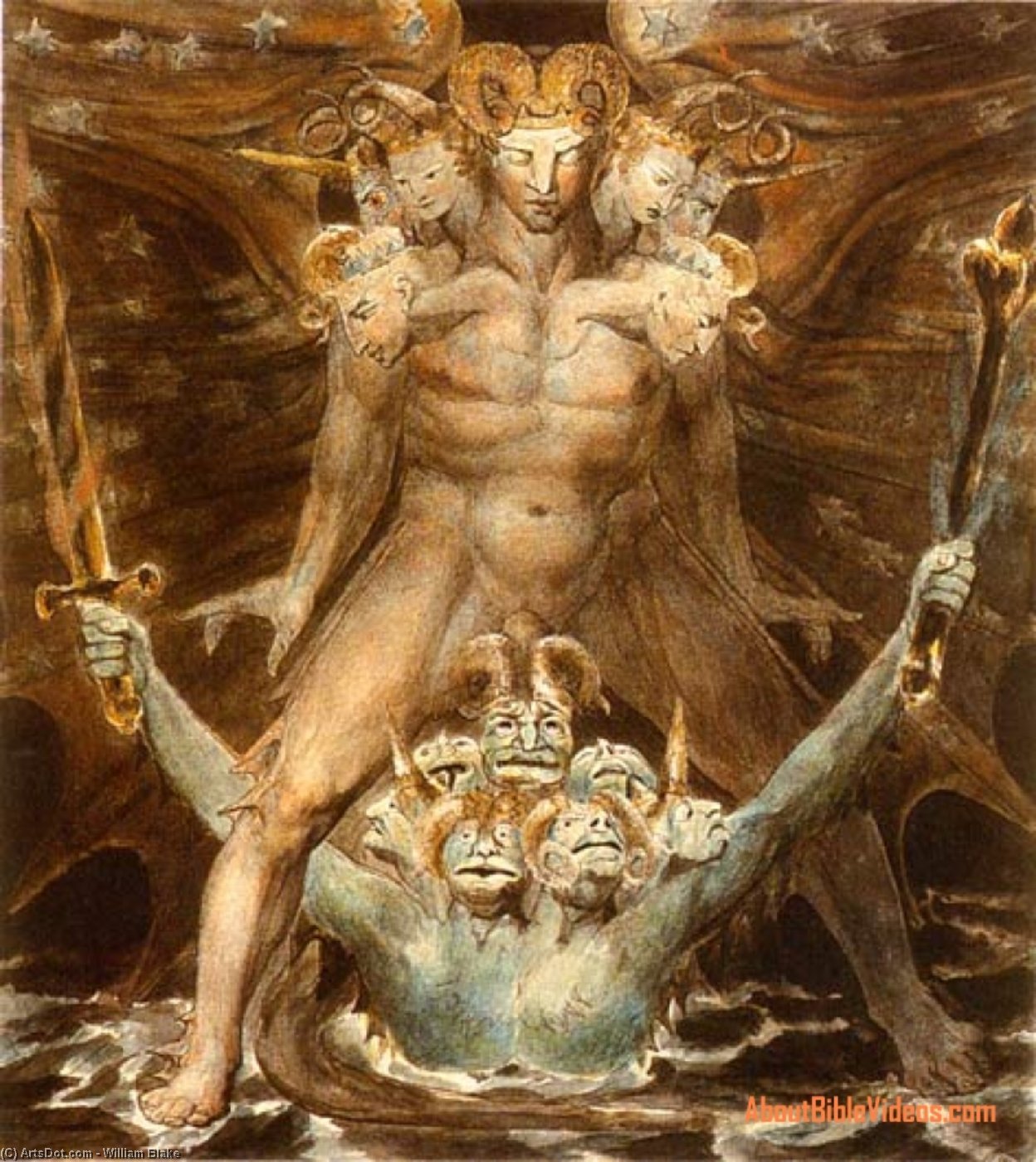
The Great Red Dragon and the Beast from the Sea
 Romanticism
 1805
1805- Early Modern
 40.0 x 35.0 cm
 Ver más
Reproducción al óleo hecha a mano
Óleo sobre lienzo pintado a mano en el tamaño y marco de su elección, realizado por encargo por nuestros artistas. ( Comprar impresión Comprar imagen)




P118B $10

P118H $10

P118W $10

P438Z $10

P508JH $12

P508YH $12

P805H $10

P805Z $10

P919BZ $10

P919G $10

P919XJ $10

P959ZH $10

P968JZ $12

W106C $8

W218G $10

W218JH $8

W218Y $10

W307PJ $10

W316G $10

W316PJ $8

W316Y $10

W398PJ $8

W4111J $10

W500HY $15

W500JH $15

W692G $12

W849H $8

W940BG $15

W953PJ $8




Elija entre nuestros tamaños predefinidos que respetan las proporciones originales de la obra.

Puede ingresar sus propias dimensiones para adaptarse a un marco o espacio específico. Si el tamaño seleccionado no coincide con las proporciones de la imagen original, recortaremos la obra o extenderemos la pintura con elementos adicionales pintados a mano. Se le enviará una maqueta digital para su aprobación antes de comenzar la producción.
Tenga en cuenta que la vista previa en pantalla no refleja el recorte o la extensión reales. Solo la maqueta mostrará con precisión la composición final.
Si bien existen tamaños personalizados, recomendamos seleccionar una dimensión de la lista predefinida para preservar las proporciones originales.
Tras realizar el pedido, el equipo de ArtsDot.com enviará un correo electrónico al cliente para solicitar instrucciones y proporcionarle una vista previa del boceto.
Envío a todo el mundo () en 3-4 semanas en lugar de las 5 semanas estándar. (6 septiembre). Sin comprometer la calidad.

Envío exprés gratuito a todo el mundo

Lienzo de lino de alta calidad

Seguro de envío total

Garantía de reembolso de impuestos aduaneros

Garantía de fidelidad cromática exacta

Política de devolución de 100 días (solo por defectos)

Garantía de devolución del 100% del dinero

Descuento por cantidad
 La opción de vidrio solo está disponible en tamaños inferiores a 110 cm.

The Great Red Dragon and the Beast from the Sea
Técnica de reproducción
Dimensiones de la reproducción
-


Precio total final
$ 263
A Visionary’s Embrace: Decoding William Blake's ‘The Great Red Dragon and the Beast from the Sea’
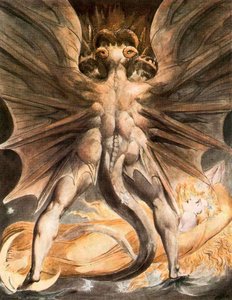
William Blake’s “The Great Red Dragon and the Beast from the Sea,” completed in 1805, stands as a cornerstone of Romantic art—a testament to imagination unbound and a profound meditation on theological conflict. More than just a depiction of biblical narrative, it's an immersive experience into Blake’s intensely personal worldview, meticulously rendered with watercolor and tempera pigments onto ivory paper. This striking artwork continues to fascinate scholars and collectors alike, offering layers of interpretation that resonate powerfully across time.Style and Technique: Watercolor Alchemy
Blake eschewed academic conventions, prioritizing emotional expression over precise representation. His technique—primarily watercolor combined with tempera—was revolutionary for its era. Watercolor’s fluidity allowed him to capture ethereal luminescence and atmospheric depth, while tempera provided textural richness and stability. The resulting image possesses a dreamlike quality, mirroring Blake's belief in the power of visionary experience. Observe how he builds up color gradations subtly, creating an illusion of movement and conveying the palpable tension within the scene—a masterful demonstration of artistic control achieved through unconventional methods.Symbolism Unleashed: Satanic Confrontation
The painting’s symbolism is deliberately unsettling, drawing directly from John Milton's “Paradise Lost.” The colossal red dragon embodies Lucifer, representing evil and defiance against divine authority. Its wings spread menacingly across the sky, symbolizing dominion over chaos. Beneath it lurks the beast from the sea—a grotesque figure embodying Satan’s influence on humanity. Surrounding these figures are human forms writhing in agony, reflecting the pervasive despair of humankind facing God's wrath. Blake’s meticulous attention to detail—the dragon’s horns, the beast’s gaping maw, and the anguished expressions of the men—amplifies the artwork’s dramatic impact and underscores its thematic core: the eternal battle between good and evil.Contextual Resonance: Miltonic Influence & Spiritual Belief
Blake's artistic endeavors were deeply rooted in his fervent spiritual convictions. “The Great Red Dragon and the Beast from the Sea” is part of a larger suite of illustrations commissioned for Milton’s epic poem, cementing its significance within the Romantic movement’s preoccupation with mythology and biblical allegory. Blake sought to convey not merely the story of Lucifer's rebellion but also the psychological consequences of sin—a reflection of his own personal struggles with faith and doubt. This artwork speaks to a broader cultural anxiety about morality and divine judgment, anxieties that continue to inform artistic interpretations today.Timeless Appeal: An Inspiration for Artists
Despite its origins in 1805, “The Great Red Dragon and the Beast from the Sea” retains an undeniable allure for contemporary artists. Its bold color palette, expressive brushstrokes, and masterful depiction of psychological torment serve as a constant reminder of Blake’s unwavering commitment to artistic innovation and emotional honesty. It's a piece that invites contemplation—a challenge to viewers to confront uncomfortable truths about human nature and the enduring power of spiritual symbolism.- ArtsDot.com offers high-quality, handmade oil painting reproductions.
Obras relacionadas
Biografía del artista
una vida marcada por un espíritu creativo
william blake, un artista, poeta e grabador visionario, dejó una marca indeleble en el mundo del arte. Nacido en Londres el 28 de noviembre de 1757 y fallecido el 12 de agosto de 1827, la vida de Blake fue un testimonio de su profundo espíritu creativo.vida temprana e influencias
Los primeros años de Blake estuvieron marcados por una profunda conexión con las artes. Su padre, william blake sr., un hosier, y su madre, catherine wright, influyeron en sus inclinaciones espirituales y artísticas. Esto llevó a su aprendizaje bajo la tutela de francisco bartolozzi, un grabador.evolución artística y obras notables
El viaje artístico de Blake abarcó diversos medios, incluyendo la pintura, la poesía y la grabado. Algunas de sus obras más notables incluyen:- the tyger (1795) - una obra maestra de la literatura romántica, que muestra la mezcla única de Blake entre lo místico y lo real.
- the sickle (1803) - un ejemplo conmovedor de su destreza en el grabado, que refleja su profunda conexión con la naturaleza.
- the ghost of a flea (c. 1819–1820) - un testimonio del enfoque innovador de Blake en el arte, que difumina las líneas entre la realidad y la fantasía.
museos que exhiben obras de Blake
- blake museum, reino unido - un destino imprescindible para cualquier entusiasta de Blake, que alberga una extensa colección de sus obras de arte. [https://ArtsDot.com/@/william-blake](https://ArtsDot.com/@/william-blake)
- fulham public library, reino unido - aunque no es un museo dedicado exclusivamente a Blake, presenta varias de sus obras notables, ofreciendo una perspectiva única del arte británico. [https://ArtsDot.com/@@/a@d3bma9-discovering-the-artworks-of-fulham-public-library-united-kingdom](https://ArtsDot.com/@@/a@d3bma9-discovering-the-artworks-of-fulham-public-library-united-kingdom)
legado e impacto
La influencia de Blake en el arte británico es innegable. Su mezcla única de lo místico, lo profético y lo imaginativo ha inspirado a generaciones de artistas. Como precursor del movimiento romántico, la obra de Blake continúa desafiando cualquier categorización fácil, convirtiéndolo en una piedra angular de la literatura y el arte británicos.lecturas adicionales
Para más información sobre William Blake y sus obras, explore: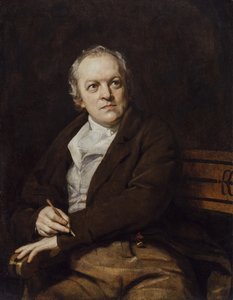
William Blake
1757 - 1827 , Reino Unido
Datos clave
- Artistas Influenciados:
- Pre-Rafaelitas
- Simbolismo
- Modernismo
- Artistas Que Influyeron:
- Raphael
- Miguel Ángel
- Fecha De Muerte: 12 de agosto de 1827
- Fecha De Nacimiento: 28 de noviembre de 1757
- Lugar De Nacimiento: Londres, Reino Unido
- Movimiento Artístico: Romanticismo
- Nacionalidad: Británico
- Nombre Completo: William Blake
- Obras Notables:
- El Tigre (1795)
- La Segadora (1803)
- El Fantasma de una Pulga
- Canciones de Inocencia
- Jerusalén (1804-1820)
Artículos relacionados

William Blake: Romantic Visionary & Mystical Genius of the Imagination
Explore the mystical art & poetic genius of William Blake (1757-1827). Discover his revolutionary illuminated printing, rich symbolism, and lasting influence on Romanticism. Find handmade reproductions at ArtsDot.

Crimson Threads of Narrative: Exploring Symbolism & Representation in Artworks Featuring the Red Dress
Explore the rich symbolism of the red dress in art history! From ancient power displays to iconic portraits like Cézanne’s 'Madame Cezanne', discover the cultural and artistic significance behind this captivating color. Expert analysis & insights.
Sir William Blake Richmond: A Visionary of Aestheticism & Symbolism
Explore the life & art of Sir William Blake Richmond, a pivotal figure bridging Pre-Raphaelitism and Aestheticism. Discover his stunning portraits, mosaics at St Paul's Cathedral, and lasting influence on Victorian art.
Los 10 cuadros más famosos con tonos verde mar medio: Arte, historia y decoración
Descubre los 10 cuadros más famosos con tonos verde mar medio. Explora la historia, artistas como Monet y Renoir, e inspírate para decorar tu hogar con arte impresionista. Reproducciones de alta calidad en ArtsDot.com.

Mark Rothko: Las 25 Obras Maestras que Definen la Expresión Abstracta | ArtsDot
Descubre las 25 obras maestras de Mark Rothko, pionero del expresionismo abstracto. Explora la historia, el significado y los colores vibrantes que definen su arte emocional. Reproducciones de alta calidad en ArtsDot.com.