 Ver en contexto
 Enviar
 Compartir
 Detalles

 Descargar
 Similares
 Radiografía
 Presentación de diapositivas
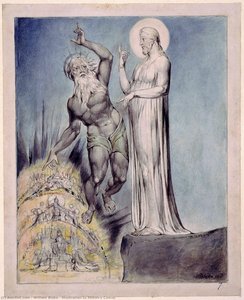
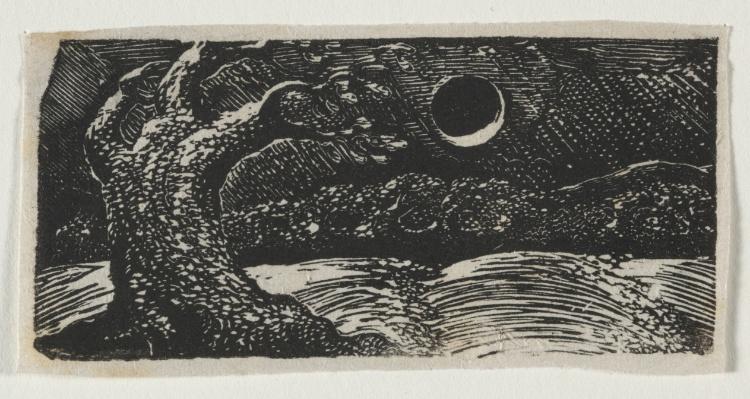
The Pastorals of Virgil, Eclogue I. The Blasted Tree


 Ver más
Reproducción al óleo hecha a mano
Óleo sobre lienzo pintado a mano en el tamaño y marco de su elección, realizado por encargo por nuestros artistas. ( Comprar impresión Comprar imagen)




P118B $10

P118H $10

P118W $10

P438Z $10

P508JH $12

P508YH $12

P805H $10

P805Z $10

P919BZ $10

P919G $10

P919XJ $10

P959ZH $10

P968JZ $12

W106C $8

W218G $10

W218JH $8

W218Y $10

W307PJ $10

W316G $10

W316PJ $8

W316Y $10

W398PJ $8

W4111J $10

W500HY $15

W500JH $15

W692G $12

W849H $8

W940BG $15

W953PJ $8




Elija entre nuestros tamaños predefinidos que respetan las proporciones originales de la obra.

Puede ingresar sus propias dimensiones para adaptarse a un marco o espacio específico. Si el tamaño seleccionado no coincide con las proporciones de la imagen original, recortaremos la obra o extenderemos la pintura con elementos adicionales pintados a mano. Se le enviará una maqueta digital para su aprobación antes de comenzar la producción.
Tenga en cuenta que la vista previa en pantalla no refleja el recorte o la extensión reales. Solo la maqueta mostrará con precisión la composición final.
Si bien existen tamaños personalizados, recomendamos seleccionar una dimensión de la lista predefinida para preservar las proporciones originales.
Tras realizar el pedido, el equipo de ArtsDot.com enviará un correo electrónico al cliente para solicitar instrucciones y proporcionarle una vista previa del boceto.
Envío a todo el mundo () en 3-4 semanas en lugar de las 5 semanas estándar. (30 agosto). Sin comprometer la calidad.

Envío exprés gratuito a todo el mundo

Lienzo de lino de alta calidad

Seguro de envío total

Garantía de reembolso de impuestos aduaneros

Garantía de fidelidad cromática exacta

Política de devolución de 60 días (solo por defectos)

Garantía de devolución del 100% del dinero

Descuento por cantidad
 La opción de vidrio solo está disponible en tamaños inferiores a 110 cm.

The Pastorals of Virgil, Eclogue I. The Blasted Tree
Técnica de reproducción
Dimensiones de la reproducción
-


Precio total final
$ 263
A Nocturnal Reverie: The Haunting Beauty of Blake’s Blasted Tree
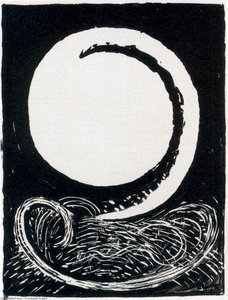
In the quiet, shadowed corners of the Romantic imagination, few images resonate with as much profound melancholy and spiritual resilience as William Blake’s The Pastorals of Virgil, Eclogue I. The Blasted Tree. This monochromatic woodcut print is far more than a mere depiction of a nocturnal landscape; it is a visceral meditation on the cyclical nature of existence, capturing a moment where the boundaries between the physical world and the spiritual realm begin to dissolve. As the eye meets the stark silhouette of a solitary, gnarled tree set against a luminous crescent moon, the viewer is immediately transported into a dreamscape that feels both ancient and startlingly modern. The composition, dominated by powerful vertical lines, directs the gaze upward, mirroring a sense of aspiration and survival amidst an overwhelming darkness.
The technical mastery displayed in this work lies in Blake’s sophisticated manipulation of the woodblock printing medium. Eschewing the distraction of color, Blake relies entirely on the interplay of light and shadow to build depth and texture. Through deep, incised cuts into the wood, he creates dense, velvety black areas that anchor the composition, punctuated by subtle variations in texture that suggest the movement of stylized waves below. This meticulous carving process lends a tactile quality to the print, where every line feels deliberate and heavy with meaning. The lighting, seemingly emanating from the pale crescent moon, casts a ghostly glow upon the tree’s skeletal branches, highlighting its rugged form and creating a dramatic contrast that is characteristic of the Expressionist spirit long before the movement officially emerged.
Symbolism and the Echoes of Antiquity
To understand the emotional weight of this piece, one must look to its literary roots in Virgil’s pastoral poetry. Blake was deeply influenced by the classical themes of Eclogue I, which laments the destruction of a beautiful tree by a storm. In Blake's hands, this becomes a powerful symbol of mortality and the inevitable decay of the natural world. Yet, within this scene of devastation, there is an undeniable pulse of regeneration. The upward striving of the tree’s branches serves as a visual metaphor for the human spirit’s ability to endure and seek light even when faced with the shadows of loss. This duality—the tension between destruction and hope—is what gives the artwork its enduring psychological depth.
For the discerning collector or interior designer, this reproduction offers a unique opportunity to introduce a sense of contemplative mystery into a space. The stark, monochromatic palette makes it an incredibly versatile piece, capable of anchoring a minimalist modern room with its bold graphic presence or adding a layer of historical gravity to a more traditional study. It is a work that invites long periods of reflection, acting as a window into the visionary mind of one of England's greatest poets and artists. Owning such a piece is not merely about decorating a wall; it is about curating an atmosphere of profound thought and timeless beauty.
Obras relacionadas

Biografía del artista
una vida marcada por un espíritu creativo
william blake, un artista, poeta e grabador visionario, dejó una marca indeleble en el mundo del arte. Nacido en Londres el 28 de noviembre de 1757 y fallecido el 12 de agosto de 1827, la vida de Blake fue un testimonio de su profundo espíritu creativo.vida temprana e influencias
Los primeros años de Blake estuvieron marcados por una profunda conexión con las artes. Su padre, william blake sr., un hosier, y su madre, catherine wright, influyeron en sus inclinaciones espirituales y artísticas. Esto llevó a su aprendizaje bajo la tutela de francisco bartolozzi, un grabador.evolución artística y obras notables
El viaje artístico de Blake abarcó diversos medios, incluyendo la pintura, la poesía y la grabado. Algunas de sus obras más notables incluyen:- the tyger (1795) - una obra maestra de la literatura romántica, que muestra la mezcla única de Blake entre lo místico y lo real.
- the sickle (1803) - un ejemplo conmovedor de su destreza en el grabado, que refleja su profunda conexión con la naturaleza.
- the ghost of a flea (c. 1819–1820) - un testimonio del enfoque innovador de Blake en el arte, que difumina las líneas entre la realidad y la fantasía.
museos que exhiben obras de Blake
- blake museum, reino unido - un destino imprescindible para cualquier entusiasta de Blake, que alberga una extensa colección de sus obras de arte. [https://ArtsDot.com/@/william-blake](https://ArtsDot.com/@/william-blake)
- fulham public library, reino unido - aunque no es un museo dedicado exclusivamente a Blake, presenta varias de sus obras notables, ofreciendo una perspectiva única del arte británico. [https://ArtsDot.com/@@/a@d3bma9-discovering-the-artworks-of-fulham-public-library-united-kingdom](https://ArtsDot.com/@@/a@d3bma9-discovering-the-artworks-of-fulham-public-library-united-kingdom)
legado e impacto
La influencia de Blake en el arte británico es innegable. Su mezcla única de lo místico, lo profético y lo imaginativo ha inspirado a generaciones de artistas. Como precursor del movimiento romántico, la obra de Blake continúa desafiando cualquier categorización fácil, convirtiéndolo en una piedra angular de la literatura y el arte británicos.lecturas adicionales
Para más información sobre William Blake y sus obras, explore: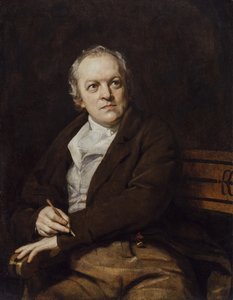
William Blake
1757 - 1827 , Reino Unido
Datos clave
- Artistas Influenciados:
- Pre-Rafaelitas
- Simbolismo
- Modernismo
- Artistas Que Influyeron:
- Raphael
- Miguel Ángel
- Fecha De Muerte: 12 de agosto de 1827
- Fecha De Nacimiento: 28 de noviembre de 1757
- Lugar De Nacimiento: Londres, Reino Unido
- Movimiento Artístico: Romanticismo
- Nacionalidad: Británico
- Nombre Completo: William Blake
- Obras Notables:
- El Tigre (1795)
- La Segadora (1803)
- El Fantasma de una Pulga
- Canciones de Inocencia
- Jerusalén (1804-1820)
Artículos relacionados

William Blake: Romantic Visionary & Mystical Genius of the Imagination
Explore the mystical art & poetic genius of William Blake (1757-1827). Discover his revolutionary illuminated printing, rich symbolism, and lasting influence on Romanticism. Find handmade reproductions at ArtsDot.

Giclée Prints: Archival Quality & Aesthetic Nuances for the Discerning Collector
Explore the world of giclée prints with ArtsDot. Learn about archival quality, aesthetic nuances & investment potential. Expert guidance for discerning art collectors seeking museum-quality reproductions and lasting value.

The Enduring Legacy of Fine Art Prints: Technique, History & Aesthetic Impact
Explore the rich history & techniques of fine art prints. Discover investment potential, assess authenticity, and learn how to preserve your collection with expert guidance. Trusted insights for discerning collectors.
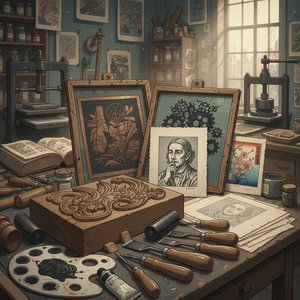
The Enduring Legacy of Printmaking: Techniques, Themes & Artistic Innovation Across Centuries
Explore the rich history of printmaking with ArtsDot. Discover techniques from intaglio to lithography, learn about collecting valuable prints & find museum-quality reproductions. Expert insights for art enthusiasts and collectors.

Romantic Realism's Finest: 10 Masterpieces for Your Home | ArtsDot
Explore 10 defining masterpieces of Romantic Realism! Discover Courbet, Millet & Daumier's powerful paintings—capturing emotion and social realities. Find museum-quality reproductions for your home at ArtsDot.com.