 Ver en contexto
 Enviar
 Compartir
 Detalles

 Descargar
 Similares
 Radiografía
 Presentación de diapositivas
 Estadísticas
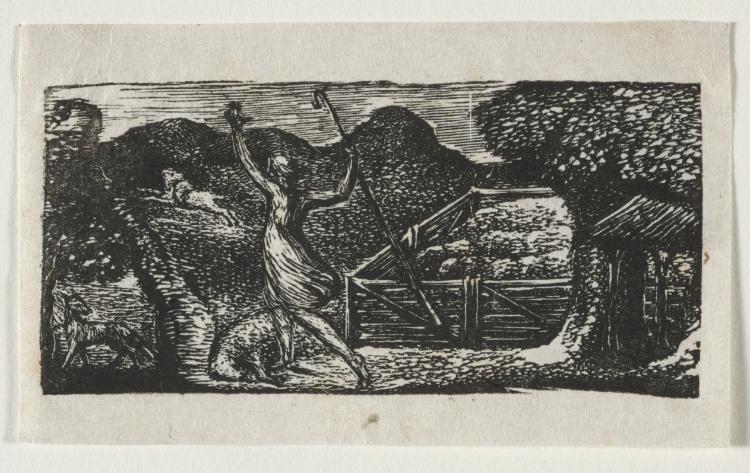
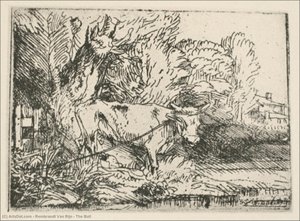
The Pastorals of Virgil, Eclogue I. The Shepherd chases away a wolf


 Ver más
Giclée / Impresión de arte
Impresiones giclée o en lienzo de calidad de museo con producción rápida y opciones de acabado flexibles. ( Comprar pintura hecha a mano Cambiar a imagen digital)




P118B $10

P118H $10

P118W $10

P438Z $10

P508JH $12

P508YH $12

P805H $10

P805Z $10

P919BZ $10

P919G $10

P919XJ $10

P959ZH $10

P968JZ $12

W106C $8

W218G $10

W218JH $8

W218Y $10

W307PJ $10

W316G $10

W316PJ $8

W316Y $10

W398PJ $8

W4111J $10

W500HY $15

W500JH $15

W692G $12

W849H $8

W940BG $15

W953PJ $8




Elija entre nuestros tamaños predefinidos que respetan las proporciones originales de la obra.

Puede introducir sus propias dimensiones para adaptarse a un marco o espacio específico. Si el tamaño seleccionado no coincide con las proporciones de la imagen original, recortaremos la obra de arte o extenderemos la imagen con un borde con efecto espejo o de color sólido. Se enviará una maqueta digital para su aprobación antes de que comience la producción.
Tenga en cuenta que la vista previa en pantalla no refleja el recorte o la extensión real. Solo la maqueta mostrará con precisión la composición final.
Aunque existen tamaños personalizados, recomendamos seleccionar una dimensión de la lista predefinida para preservar las proporciones originales.
Envío a todo el mundo () en 2 semanas en lugar de las 4/5 semanas estándar. (13 septiembre)

Envío exprés gratuito a todo el mundo

Lienzo de lino de alta calidad

Seguro de envío total

Garantía de reembolso de impuestos aduaneros

Garantía de fidelidad cromática exacta

Política de devolución de 100 días (solo por defectos)

Garantía de devolución del 100% del dinero

Descuento por cantidad
 La opción de vidrio solo está disponible en tamaños inferiores a 110 cm.

The Pastorals of Virgil, Eclogue I. The Shepherd chases away a wolf
Giclée / Impresión de arte
Dimensiones de la reproducción
-


Precio total final
$ 62
A Vision of Pastoral Harmony and Ancient Threat
William Blake’s “The Pastorals of Virgil, Eclogue I: The Shepherd Chases Away a Wolf” is not merely a depiction of a rural scene; it's a potent distillation of classical mythology, Romantic idealism, and the enduring tension between order and chaos. Executed in 1821 as a wood engraving for Robert John Thornton’s edition of Virgil’s Eclogues, this work transcends its printed origins to become a richly layered meditation on themes of guardianship, vulnerability, and the primal forces that shape both the natural world and the human psyche.
The composition immediately draws the eye to the central figure – a young shepherd, his posture radiating youthful energy and determined vigilance. He’s not wielding a weapon in the conventional sense; instead, he employs a simple crook, a symbol of pastoral authority and protection, to drive away a menacing wolf. The wolf itself is rendered with a raw, almost brutal intensity, its form suggesting both predatory instinct and a hint of despair. It's a creature deeply rooted in ancient folklore, representing not just wildness but also the darker aspects of human nature – greed, envy, and destructive impulses.
- Style & Technique: Blake’s masterful use of engraving reveals an extraordinary command of line and texture. The intricate details of the shepherd's clothing, the rough fur of the wolf, and the undulating landscape are all rendered with remarkable precision, yet imbued with a palpable sense of movement and emotion. The subtle gradations of tone achieved through varying pressures on the engraved plate create a dynamic interplay of light and shadow, adding depth and drama to the scene.
- Historical Context: The work emerged during a period of significant social and political upheaval in England – the aftermath of the Napoleonic Wars and the rise of industrialization. Blake’s art often served as a critique of these changes, reflecting his deep concern for the natural world and the traditional values threatened by modernity.
Symbolism: The Language of the Land
Beyond its literal depiction, “The Shepherd Chases Away a Wolf” is saturated with symbolic meaning. The shepherd represents not just a guardian of his flock but also a protector of innocence and virtue. His youthful energy embodies the hope for a future where harmony between humanity and nature can be restored. The wolf, as previously mentioned, symbolizes darker forces, but it’s also associated with fertility and regeneration – a reminder that even in the face of destruction, life persists.
- The Landscape: The rolling hills and distant trees suggest a timeless pastoral setting, evoking images of Arcadia—a mythical realm of idyllic beauty and tranquility. However, the presence of the wolf subtly disrupts this harmony, hinting at the ever-present threat of chaos.
- Color & Light: Blake’s use of monochrome engraving contributes to the work's somber mood, emphasizing the stark contrast between light and shadow. The limited palette reinforces the sense of urgency and drama, drawing attention to the central conflict.
A Legacy of Imagination
William Blake was a visionary artist who challenged conventional notions of art and spirituality. “The Pastorals of Virgil, Eclogue I: The Shepherd Chases Away a Wolf” stands as a testament to his unique genius – a powerful synthesis of classical mythology, Romantic idealism, and profound psychological insight. It’s a work that continues to resonate with viewers today, inviting us to contemplate the enduring relationship between humanity, nature, and the forces that shape our world.
Reproductions of this iconic image offer an exceptional opportunity to bring Blake's evocative vision into any interior space, serving as a reminder of the timeless beauty and inherent drama of the natural world. The intricate detail and emotional depth of the original engraving are faithfully captured in high-quality reproductions, making it a prized addition to art collections and a captivating element of interior design.
Obras relacionadas

Biografía del artista
una vida marcada por un espíritu creativo
william blake, un artista, poeta e grabador visionario, dejó una marca indeleble en el mundo del arte. Nacido en Londres el 28 de noviembre de 1757 y fallecido el 12 de agosto de 1827, la vida de Blake fue un testimonio de su profundo espíritu creativo.vida temprana e influencias
Los primeros años de Blake estuvieron marcados por una profunda conexión con las artes. Su padre, william blake sr., un hosier, y su madre, catherine wright, influyeron en sus inclinaciones espirituales y artísticas. Esto llevó a su aprendizaje bajo la tutela de francisco bartolozzi, un grabador.evolución artística y obras notables
El viaje artístico de Blake abarcó diversos medios, incluyendo la pintura, la poesía y la grabado. Algunas de sus obras más notables incluyen:- the tyger (1795) - una obra maestra de la literatura romántica, que muestra la mezcla única de Blake entre lo místico y lo real.
- the sickle (1803) - un ejemplo conmovedor de su destreza en el grabado, que refleja su profunda conexión con la naturaleza.
- the ghost of a flea (c. 1819–1820) - un testimonio del enfoque innovador de Blake en el arte, que difumina las líneas entre la realidad y la fantasía.
museos que exhiben obras de Blake
- blake museum, reino unido - un destino imprescindible para cualquier entusiasta de Blake, que alberga una extensa colección de sus obras de arte. [https://ArtsDot.com/@/william-blake](https://ArtsDot.com/@/william-blake)
- fulham public library, reino unido - aunque no es un museo dedicado exclusivamente a Blake, presenta varias de sus obras notables, ofreciendo una perspectiva única del arte británico. [https://ArtsDot.com/@@/a@d3bma9-discovering-the-artworks-of-fulham-public-library-united-kingdom](https://ArtsDot.com/@@/a@d3bma9-discovering-the-artworks-of-fulham-public-library-united-kingdom)
legado e impacto
La influencia de Blake en el arte británico es innegable. Su mezcla única de lo místico, lo profético y lo imaginativo ha inspirado a generaciones de artistas. Como precursor del movimiento romántico, la obra de Blake continúa desafiando cualquier categorización fácil, convirtiéndolo en una piedra angular de la literatura y el arte británicos.lecturas adicionales
Para más información sobre William Blake y sus obras, explore: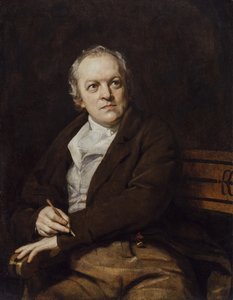
William Blake
1757 - 1827 , Reino Unido
Datos clave
- Artistas Influenciados:
- Pre-Rafaelitas
- Simbolismo
- Modernismo
- Artistas Que Influyeron:
- Raphael
- Miguel Ángel
- Fecha De Muerte: 12 de agosto de 1827
- Fecha De Nacimiento: 28 de noviembre de 1757
- Lugar De Nacimiento: Londres, Reino Unido
- Movimiento Artístico: Romanticismo
- Nacionalidad: Británico
- Nombre Completo: William Blake
- Obras Notables:
- El Tigre (1795)
- La Segadora (1803)
- El Fantasma de una Pulga
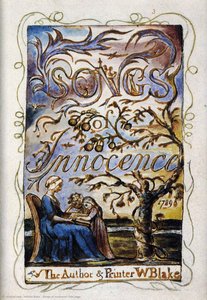
- Canciones de Inocencia
- Jerusalén (1804-1820)
Artículos relacionados
Sir William Blake Richmond: A Visionary of Aestheticism & Symbolism
Explore the life & art of Sir William Blake Richmond, a pivotal figure bridging Pre-Raphaelitism and Aestheticism. Discover his stunning portraits, mosaics at St Paul's Cathedral, and lasting influence on Victorian art.
The Enduring Legacy of Printmaking: Techniques, Themes & Artistic Innovation Across Centuries
Explore the rich history of printmaking with ArtsDot. Discover techniques from intaglio to lithography, learn about collecting valuable prints & find museum-quality reproductions. Expert insights for art enthusiasts and collectors.
Penry Williams: Evoking Welsh Nostalgia Through Impressionistic Landscapes
Explore the captivating world of Penry Williams (1802-1885), a Welsh artist renowned for his evocative Impressionistic landscapes and scenes of Italy. Discover his life, style & legacy with ArtsDot.
Thomas H. Shepherd: Capturing Victorian London's Essence Through Topographical Precision
Explore the exquisite topographical paintings of Thomas H. Shepherd, renowned for his detailed depictions of Victorian London and beyond. Discover his legacy & artistic techniques.

William Blake: Romantic Visionary & Mystical Genius of the Imagination
Explore the mystical art & poetic genius of William Blake (1757-1827). Discover his revolutionary illuminated printing, rich symbolism, and lasting influence on Romanticism. Find handmade reproductions at ArtsDot.