 Ver en contexto
 Enviar
 Compartir
 Detalles

 Descargar
 Similares
 Radiografía
 Presentación de diapositivas
 Estadísticas
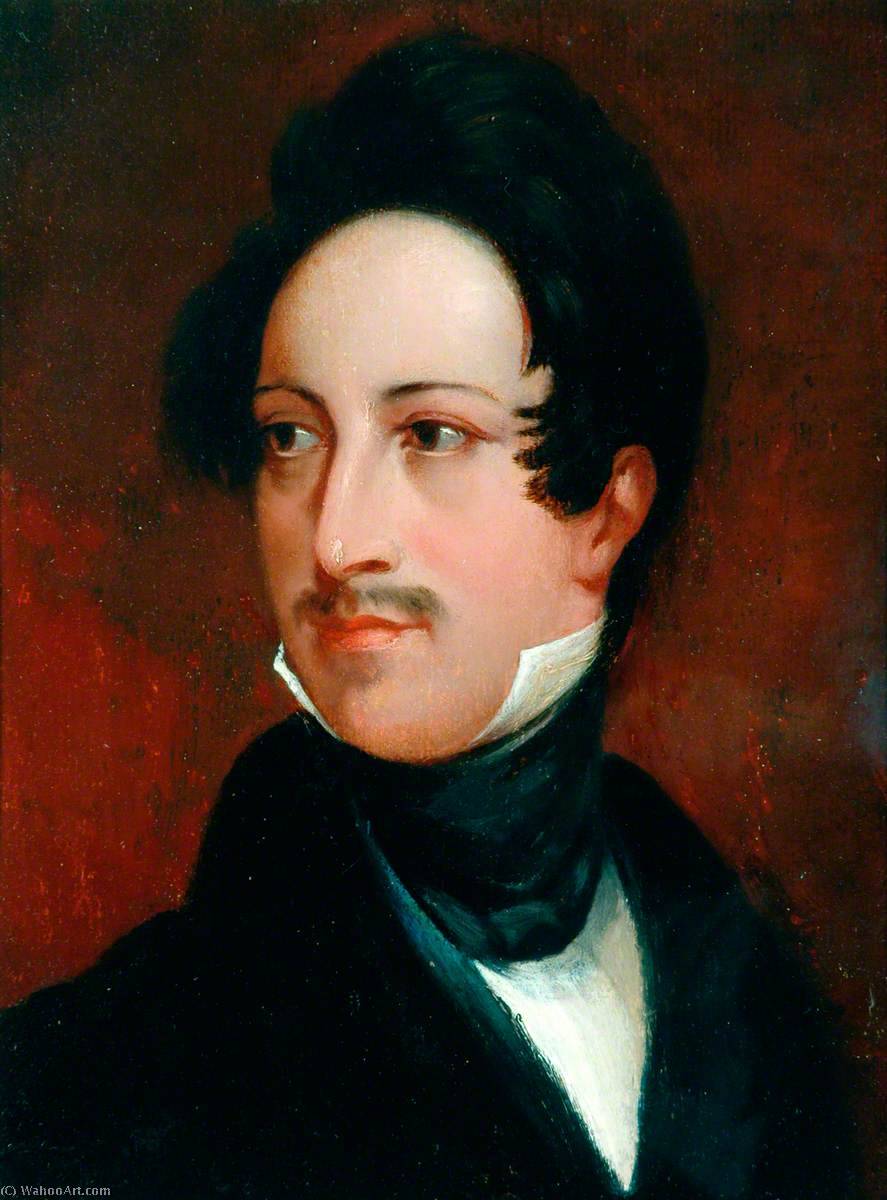
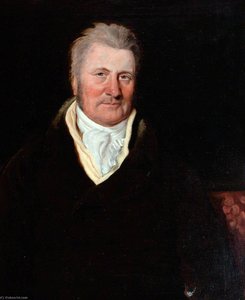
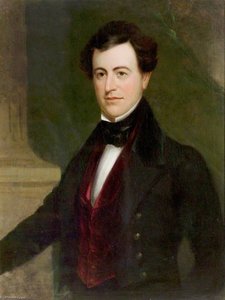
S. A. Bayntum, MP for York (1830–1832)
 Oil On Canvas
- WallArt
- Romanticism
 1830
1830- 19th Century
 41.0 x 31.0 cm
 Fairfax House
 Ver más
Giclée / Impresión de arte
Impresiones giclée o en lienzo de calidad de museo con producción rápida y opciones de acabado flexibles. ( Comprar pintura hecha a mano Cambiar a imagen digital)




P118B $10

P118H $10

P118W $10

P438Z $10

P508JH $12

P508YH $12

P805H $10

P805Z $10

P919BZ $10

P919G $10

P919XJ $10

P959ZH $10

P968JZ $12

W106C $8

W218G $10

W218JH $8

W218Y $10

W307PJ $10

W316G $10

W316PJ $8

W316Y $10

W398PJ $8

W4111J $10

W500HY $15

W500JH $15

W692G $12

W849H $8

W940BG $15

W953PJ $8




Elija entre nuestros tamaños predefinidos que respetan las proporciones originales de la obra.

Puede introducir sus propias dimensiones para adaptarse a un marco o espacio específico. Si el tamaño seleccionado no coincide con las proporciones de la imagen original, recortaremos la obra de arte o extenderemos la imagen con un borde con efecto espejo o de color sólido. Se enviará una maqueta digital para su aprobación antes de que comience la producción.
Tenga en cuenta que la vista previa en pantalla no refleja el recorte o la extensión real. Solo la maqueta mostrará con precisión la composición final.
Aunque existen tamaños personalizados, recomendamos seleccionar una dimensión de la lista predefinida para preservar las proporciones originales.
Envío a todo el mundo () en 2 semanas en lugar de las 4/5 semanas estándar. (9 septiembre)

Envío exprés gratuito a todo el mundo

Lienzo de lino de alta calidad

Seguro de envío total

Garantía de reembolso de impuestos aduaneros

Garantía de fidelidad cromática exacta

Política de devolución de 100 días (solo por defectos)

Garantía de devolución del 100% del dinero

Descuento por cantidad
 La opción de vidrio solo está disponible en tamaños inferiores a 110 cm.

S. A. Bayntum, MP for York (1830–1832)
Giclée / Impresión de arte
Dimensiones de la reproducción
-


Precio total final
$ 62
A Portrait of Victorian Formality
This striking portrait captures S. A. Bayntum, MP for York, in the year 1830, offering an intimate glimpse into the sartorial elegance and social gravity of early Victorian Britain. The subject is presented with a palpable sense of occasion; his dark hair, meticulously styled alongside prominent sideburns and a distinguished mustache, speaks to the prevailing masculine ideals of the era. Dressed in a formal black coat over a crisp white shirt, every visible detail of his attire suggests a man accustomed to public life and civic duty. The composition itself is inherently formal, designed not merely to record a likeness, but to project an image of established respectability and quiet authority.
The Artistry of William Etty
Attributed to the masterful hand of William Etty, this work showcases the artist’s ability to render human subjects with both technical precision and underlying psychological depth. While Etty is perhaps more celebrated for his mythological and nude studies, his portraiture remains remarkably skilled. Observe the handling of the fabrics; the crispness implied in the white shirt contrasts beautifully with the deep matte black of the coat. The background, dominated by a rich red wall, serves as both a dramatic foil and a grounding element. This vibrant backdrop prevents the formality of the sitter from becoming staid, injecting a necessary warmth that draws the viewer's eye directly to the man’s composed gaze.
Compositional Elements and Symbolism
The inclusion of the clock on the wall is more than mere decoration; it functions as a subtle symbolic anchor. In portraiture from this period, time often represented legacy, permanence, or the passage of influence. Paired with the sitter’s formal bearing, the clock suggests that his standing in the community—his political life and social position—is measured against the steady march of history. The overall effect is one of contained power; the subject is poised, aware of being observed, yet utterly self-possessed. It speaks to a time when public persona was paramount.
Bringing History Home: Decorating with Art
For the discerning collector or interior designer, this piece offers more than just decoration; it offers narrative depth for a room. The rich tones—the deep reds, the stark whites, and the sober blacks—allow it to anchor various sophisticated décor schemes, from traditional libraries to drawing rooms seeking an air of historical gravitas. Owning a reproduction of this portrait allows one to connect with the tangible textures and social codes of 1830s York. It is a conversation piece that whispers tales of parliamentary life, gentlemanly conduct, and the enduring artistry of William Etty.
Obras relacionadas
Biografía del artista
Primeros años y formación
William Etty, un artista inglés destacado, nació el 10 de marzo de 1787 en York, Reino Unido. A los 12 años abandonó la escuela para convertirse en aprendiz de impresor en Hull, completando su aprendizaje siete años después. En 1807, se unió a las escuelas de la Royal Academy en Londres, donde estudió bajo Thomas Lawrence y se formó copiando obras de otros artistas.Carrera artística
El gran avance de Etty llegó con La llegada de Cleopatra a Cilicia, pintada en 1821, que presentaba numerosos desnudos y fue exhibida con gran aclamación. Este éxito impulsó nuevas representaciones de escenas históricas con desnudos, lo que le valió una reputación de indecencia. A pesar de esto, tuvo un éxito comercial y una aclamación crítica, convirtiéndose en académico real en 1828.Obras notables y controversia
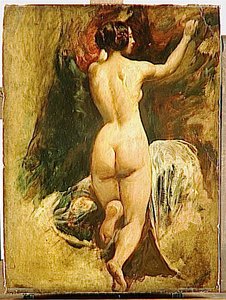
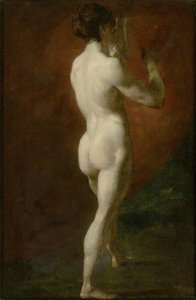
- Desnudo femenino de pie, una pintura que muestra la maestría de Etty en los tonos realistas de la piel.
- Las sirenas y Ulises, una obra que demuestra su capacidad para equilibrar escenas históricas con desnudez.
- La inclusión de Etty en la exposición emblemática Exposición del desnudo victoriano en Tate Britain en 2001-02, que condujo a un renovado interés en su obra.
Legado y vida posterior
A pesar de ser un hombre tímido que rara vez socializaba y nunca se casó, Etty continuó pintando desnudos masculinos y femeninos, lo que provocó severas críticas. Murió el 13 de noviembre de 1849 en York, pero sus obras se convirtieron en muy coleccionables, vendiéndose por grandes sumas. Enlaces importantes: * Obras de arte de William Etty * William Etty en Wikipedia * Desnudo femenino de pie por William EttyConclusión
William Etty, un pionero de la desnudez británica, dejó una huella indeleble en el mundo del arte. Sus obras, aunque alguna vez fueron controvertidas, ahora sirven como testimonio de su habilidad y dedicación para capturar la forma humana. Explore más obras de arte de Etty en ArtsDot.com.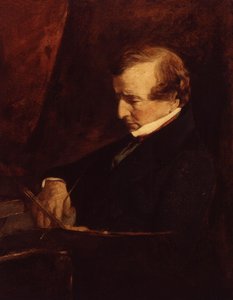
William Etty
1787 - 1849 , Reino Unido
Datos clave
- Artistas Que Influyeron: ['Thomas Lawrence']
- Estilo Artístico: Romanticismo
- Fecha De Fallecimiento: 13 de noviembre de 1849
- Fecha De Nacimiento: 10 de marzo de 1787
- Lugar De Nacimiento: York, Reino Unido
- Nacionalidad: Británico
- Nombre Completo: William Etty
- Obras Notables:
- Cleopatra's Arrival in Cilicia
- Standing Female Nude
- The Sirens and Ulysses
Artículos relacionados

The Enduring Legacy of Oil on Canvas: Technique, History & Aesthetic Impact
Explore the rich history & techniques of oil painting – from Renaissance masters to Impressionism. Discover pigments, layering methods, and why this timeless medium endures. Expert insights for artists & art enthusiasts.
R.A. Benjamin Williams: Victorian Genre Painting & Social Commentary
Explore the captivating world of Benjamin Williams Leader's Victorian genre paintings. Discover his mastery of naturalism, social commentary & lasting influence on British art. Expert insights at ArtsDot.
William Etty: Rediscovering Victorian Sensibility & the Sublime in Historical Painting
Explore the captivating world of William Etty, a pioneering Victorian artist famed for his dramatic historical paintings and groundbreaking nude figures. Discover his life, controversial reception, and enduring legacy with our expert analysis.
William Powell Frith: Narratives of Victorian Society & the Rise of Realist Painting
Explore the life & works of William Powell Frith, the 'greatest British painter of social scenes.' Discover his iconic Victorian genre paintings and learn about his lasting impact on realist art. Hand-painted reproductions available.
William James Müller: Navigating Victorian Sentiment & Realism in British Landscape Painting
Explore the captivating landscapes of William James Müller, the leading artist of the Bristol School. Discover his Victorian masterpieces, Egyptian travels & Lycian sketches – a journey through 19th-century art and technique.