 Ver en contexto
 Enviar
 Compartir
 Detalles

 Descargar
 Similares
 Radiografía
 Presentación de diapositivas
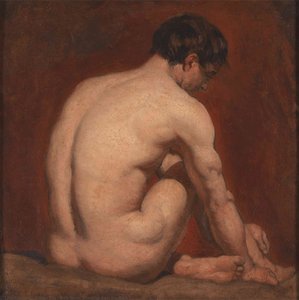
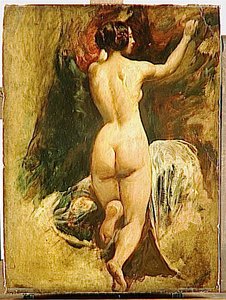
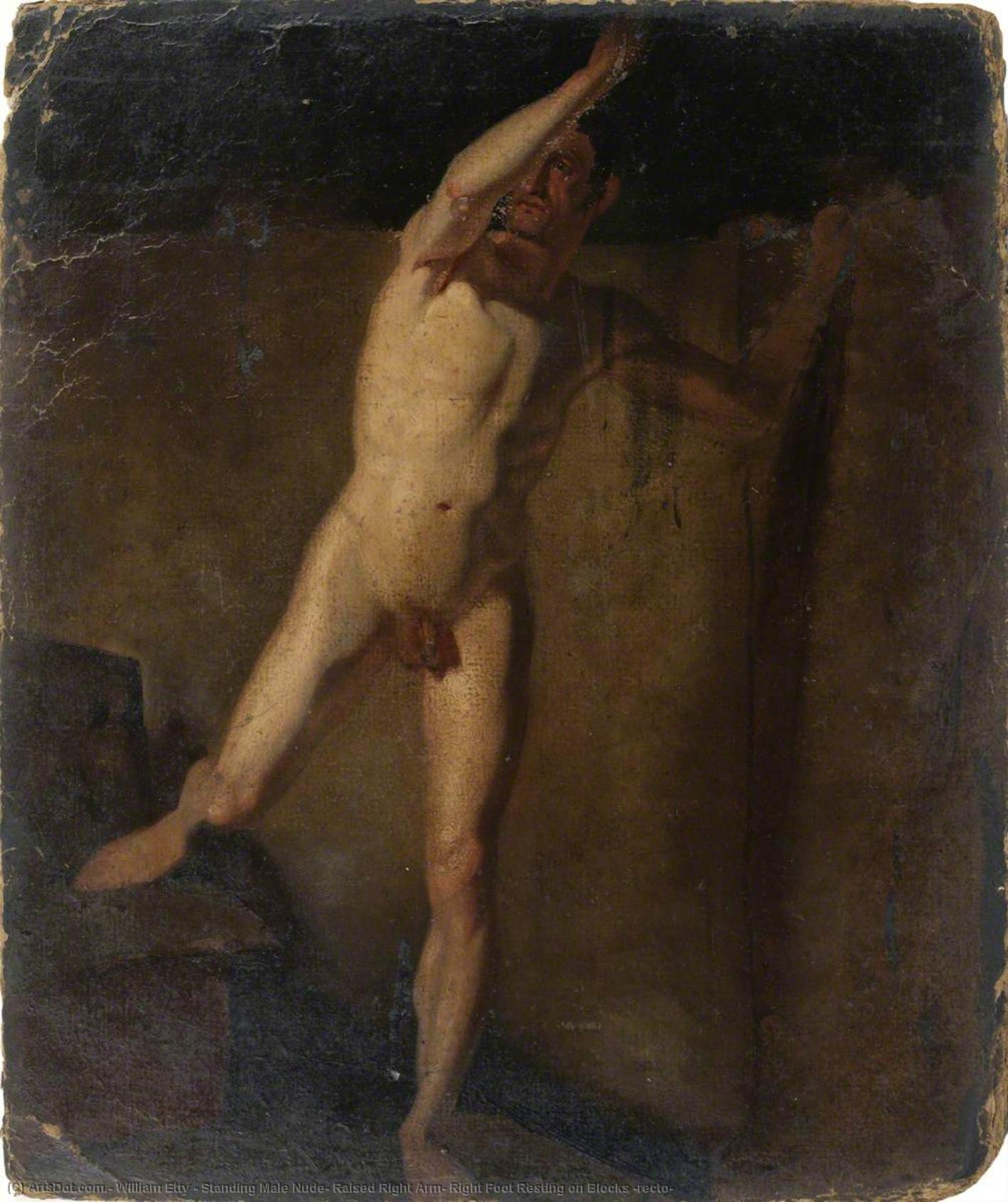
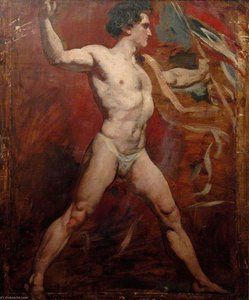
Standing Male Nude, Raised Right Arm, Right Foot Resting on Blocks (recto)
 Neoclassicism
 1845
1845 56.0 x 47.0 cm
 Galería Courtauld
 Ver más
Reproducción al óleo hecha a mano
Óleo sobre lienzo pintado a mano en el tamaño y marco de su elección, realizado por encargo por nuestros artistas. ( Comprar impresión Comprar imagen)




P118B $10

P118H $10

P118W $10

P438Z $10

P508JH $12

P508YH $12

P805H $10

P805Z $10

P919BZ $10

P919G $10

P919XJ $10

P959ZH $10

P968JZ $12

W106C $8

W218G $10

W218JH $8

W218Y $10

W307PJ $10

W316G $10

W316PJ $8

W316Y $10

W398PJ $8

W4111J $10

W500HY $15

W500JH $15

W692G $12

W849H $8

W940BG $15

W953PJ $8




Elija entre nuestros tamaños predefinidos que respetan las proporciones originales de la obra.

Puede ingresar sus propias dimensiones para adaptarse a un marco o espacio específico. Si el tamaño seleccionado no coincide con las proporciones de la imagen original, recortaremos la obra o extenderemos la pintura con elementos adicionales pintados a mano. Se le enviará una maqueta digital para su aprobación antes de comenzar la producción.
Tenga en cuenta que la vista previa en pantalla no refleja el recorte o la extensión reales. Solo la maqueta mostrará con precisión la composición final.
Si bien existen tamaños personalizados, recomendamos seleccionar una dimensión de la lista predefinida para preservar las proporciones originales.
Tras realizar el pedido, el equipo de ArtsDot.com enviará un correo electrónico al cliente para solicitar instrucciones y proporcionarle una vista previa del boceto.
Envío a todo el mundo () en 3-4 semanas en lugar de las 5 semanas estándar. (25 agosto). Sin comprometer la calidad.

Envío exprés gratuito a todo el mundo

Lienzo de lino de alta calidad

Seguro de envío total

Garantía de reembolso de impuestos aduaneros

Garantía de fidelidad cromática exacta

Política de devolución de 60 días (solo por defectos)

Garantía de devolución del 100% del dinero

Descuento por cantidad
 La opción de vidrio solo está disponible en tamaños inferiores a 110 cm.

Standing Male Nude, Raised Right Arm, Right Foot Resting on Blocks (recto)
Técnica de reproducción
Dimensiones de la reproducción
-


Precio total final
$ 263
Descripción de la obra
The Figure Embodied: William Etty’s Masterpiece
William Etty's "Standing Male Nude, Raised Right Arm, Right Foot Resting on Blocks (recto)" is not merely a depiction of the human form; it’s a profound exploration of posture, gesture, and the very essence of being. Painted in 1845, this work stands as a pivotal moment in British art history – a bold assertion of the nude figure within a context where such subjects were often viewed with suspicion and constraint. Etty, a pioneer who defied convention, presented a powerfully sensual yet undeniably controlled male form, inviting viewers to contemplate his strength, vulnerability, and quiet intensity.

The painting’s composition is deceptively simple, yet meticulously constructed. The figure, bathed in a subtle, diffused light, occupies the central space of the canvas with an almost sculptural presence. His stance—a deliberate elevation of the right arm and foot—immediately draws the eye upward, creating a dynamic tension between earth and sky, groundedness and aspiration. Note the careful rendering of musculature; Etty’s mastery lies in his ability to capture not just the outline of the body but also the subtle nuances of texture and tone – the slight sheen on skin, the shadowed folds of muscle, the delicate suggestion of veins beneath the surface.
A Revolutionary Approach: Etty and the Nude
William Etty’s journey to prominence was anything but straightforward. Born in York in 1787, his early life involved a practical apprenticeship as a printer, a world far removed from the artistic pursuits he would eventually embrace. However, this grounding in craftsmanship undoubtedly informed his meticulous attention to detail and his deep understanding of form. Etty’s rise within the Royal Academy was marked by controversy; his depictions of nudes were often met with criticism for their perceived lack of idealization – a departure from the prevailing artistic norms championed by Reynolds. Yet, it was precisely this willingness to portray the human body with unflinching realism and emotional honesty that ultimately secured Etty’s place as a groundbreaking figure in British art.
The painting reflects the broader social and cultural shifts of the mid-19th century. While Victorian society remained largely conservative, there was a growing interest in classical antiquity and a renewed appreciation for the beauty of the human form. Etty’s work can be seen as a response to this evolving sensibility, offering a nuanced and deeply felt portrayal of male sensuality within a framework of restrained elegance.
Symbolism and Emotional Resonance
The raised arm and foot are not arbitrary gestures; they carry significant symbolic weight. The upward reach suggests a yearning for something beyond the immediate, perhaps an aspiration towards spiritual or intellectual heights. The placement of the foot on the blocks introduces a subtle element of vulnerability – a grounding force that simultaneously anchors the figure to the earth and elevates him above it. This duality—between earthly stability and transcendent desire—is central to the painting’s emotional impact.
Etty's use of color is restrained, favoring muted tones and subtle gradations of light and shadow. This deliberate restraint amplifies the figure’s presence, allowing his form to emerge from the darkness with a quiet dignity. The overall effect is one of profound contemplation—an invitation for the viewer to engage in a silent dialogue with this enigmatic subject.
A Timeless Masterpiece: Reproduction and Beyond
ArtsDot offers meticulously crafted hand-painted reproductions of William Etty’s “Standing Male Nude, Raised Right Arm, Right Foot Resting on Blocks (recto).” Each reproduction is created by skilled artists who painstakingly recreate Etty's technique and attention to detail, ensuring that the artwork retains its original power and beauty. Whether you are an art collector, interior designer, or simply a lover of fine art, this reproduction provides a stunning way to bring Etty’s masterpiece into your home or office.
Obras relacionadas
Biografía del artista
Primeros años y formación
William Etty, un artista inglés destacado, nació el 10 de marzo de 1787 en York, Reino Unido. A los 12 años abandonó la escuela para convertirse en aprendiz de impresor en Hull, completando su aprendizaje siete años después. En 1807, se unió a las escuelas de la Royal Academy en Londres, donde estudió bajo Thomas Lawrence y se formó copiando obras de otros artistas.Carrera artística
El gran avance de Etty llegó con La llegada de Cleopatra a Cilicia, pintada en 1821, que presentaba numerosos desnudos y fue exhibida con gran aclamación. Este éxito impulsó nuevas representaciones de escenas históricas con desnudos, lo que le valió una reputación de indecencia. A pesar de esto, tuvo un éxito comercial y una aclamación crítica, convirtiéndose en académico real en 1828.Obras notables y controversia
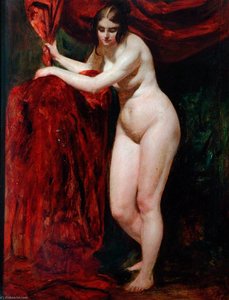
- Desnudo femenino de pie, una pintura que muestra la maestría de Etty en los tonos realistas de la piel.
- Las sirenas y Ulises, una obra que demuestra su capacidad para equilibrar escenas históricas con desnudez.
- La inclusión de Etty en la exposición emblemática Exposición del desnudo victoriano en Tate Britain en 2001-02, que condujo a un renovado interés en su obra.
Legado y vida posterior
A pesar de ser un hombre tímido que rara vez socializaba y nunca se casó, Etty continuó pintando desnudos masculinos y femeninos, lo que provocó severas críticas. Murió el 13 de noviembre de 1849 en York, pero sus obras se convirtieron en muy coleccionables, vendiéndose por grandes sumas. Enlaces importantes: * Obras de arte de William Etty * William Etty en Wikipedia * Desnudo femenino de pie por William EttyConclusión
William Etty, un pionero de la desnudez británica, dejó una huella indeleble en el mundo del arte. Sus obras, aunque alguna vez fueron controvertidas, ahora sirven como testimonio de su habilidad y dedicación para capturar la forma humana. Explore más obras de arte de Etty en ArtsDot.com.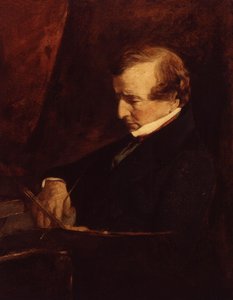
William Etty
1787 - 1849 , Reino Unido
Datos clave
- Artistas Que Influyeron: ['Thomas Lawrence']
- Estilo Artístico: Romanticismo
- Fecha De Fallecimiento: 13 de noviembre de 1849
- Fecha De Nacimiento: 10 de marzo de 1787
- Lugar De Nacimiento: York, Reino Unido
- Nacionalidad: Británico
- Nombre Completo: William Etty
- Obras Notables:
- Cleopatra's Arrival in Cilicia
- Standing Female Nude
- The Sirens and Ulysses
Artículos relacionados
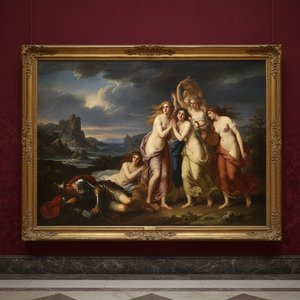
William Etty: Rediscovering Victorian Sensibility & the Sublime in Historical Painting
Explore the captivating world of William Etty, a pioneering Victorian artist famed for his dramatic historical paintings and groundbreaking nude figures. Discover his life, controversial reception, and enduring legacy with our expert analysis.

The Enduring Legacy of Oil on Canvas: Technique, History & Aesthetic Impact
Explore the rich history & techniques of oil painting – from Renaissance masters to Impressionism. Discover pigments, layering methods, and why this timeless medium endures. Expert insights for artists & art enthusiasts.

El Óleo sobre Lienzo: Historia, Técnica y la Persistencia de un Medio Artístico Atemporal
Descubre la historia y técnica del óleo sobre lienzo. Explora reproducciones fieles hechas a mano, personalización artística y consejos de expertos con ArtsDot. ¡Colecciona arte con confianza!
The Enduring Allure of the Nude: A Historical & Artistic Exploration of the Human Form
Explore the captivating history of nude art! Discover iconic paintings & artists from classical to modern eras. Uncover symbolism, techniques & find museum-quality reproductions at ArtsDot.

El Siglo XIX en el Arte: 10 Obras Maestras para Decorar con Historia y Estilo
Descubre 10 obras maestras del siglo XIX: Monet, Goya y más. Explora el impresionismo, realismo y romanticismo que definieron una época. Encuentra reproducciones de arte exclusivas para decorar tu hogar con estilo en ArtsDot.com.