

 Ver en contexto
 Enviar
 Compartir
 Detalles

 Descargar
 Similares
 Radiografía
 Presentación de diapositivas
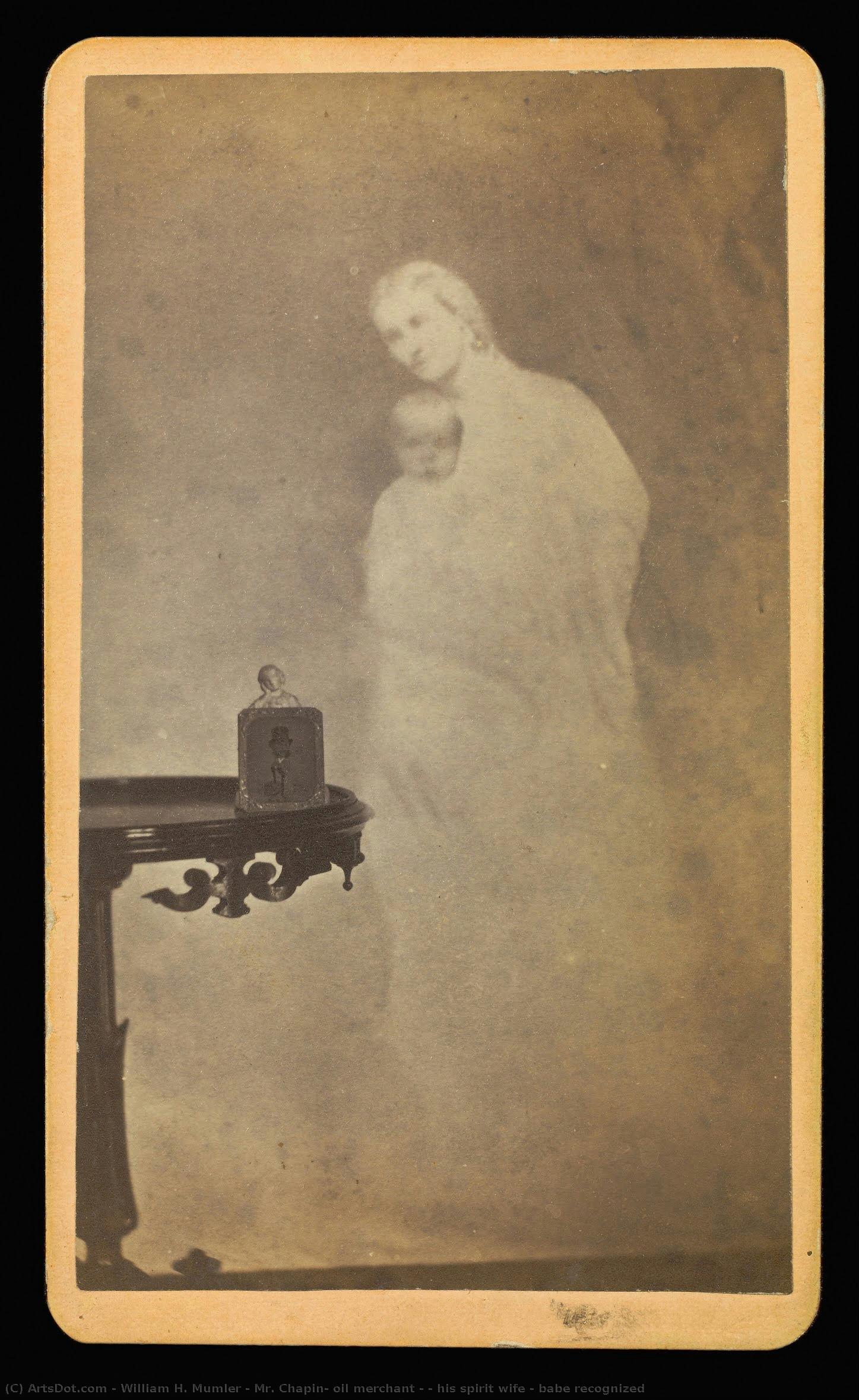
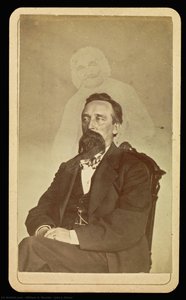
Mr. Chapin, oil merchant - & his spirit wife & babe recognized
 Oil
Oil- WallArt
- Spirit Photography
 1875
1875 9.0 x 5.0 cm
 Museo J. Paul Getty
 Ver más
Reproducción al óleo hecha a mano
Óleo sobre lienzo pintado a mano en el tamaño y marco de su elección, realizado por encargo por nuestros artistas. ( Comprar impresión Comprar imagen)




P118B $10

P118H $10

P118W $10

P438Z $10

P508JH $12

P508YH $12

P805H $10

P805Z $10

P919BZ $10

P919G $10

P919XJ $10

P959ZH $10

P968JZ $12

W106C $8

W218G $10

W218JH $8

W218Y $10

W307PJ $10

W316G $10

W316PJ $8

W316Y $10

W398PJ $8

W4111J $10

W500HY $15

W500JH $15

W692G $12

W849H $8

W940BG $15

W953PJ $8




Elija entre nuestros tamaños predefinidos que respetan las proporciones originales de la obra.

Puede ingresar sus propias dimensiones para adaptarse a un marco o espacio específico. Si el tamaño seleccionado no coincide con las proporciones de la imagen original, recortaremos la obra o extenderemos la pintura con elementos adicionales pintados a mano. Se le enviará una maqueta digital para su aprobación antes de comenzar la producción.
Tenga en cuenta que la vista previa en pantalla no refleja el recorte o la extensión reales. Solo la maqueta mostrará con precisión la composición final.
Si bien existen tamaños personalizados, recomendamos seleccionar una dimensión de la lista predefinida para preservar las proporciones originales.
Tras realizar el pedido, el equipo de ArtsDot.com enviará un correo electrónico al cliente para solicitar instrucciones y proporcionarle una vista previa del boceto.
Envío a todo el mundo () en 3-4 semanas en lugar de las 5 semanas estándar. (3 septiembre). Sin comprometer la calidad.

Envío exprés gratuito a todo el mundo

Lienzo de lino de alta calidad

Seguro de envío total

Garantía de reembolso de impuestos aduaneros

Garantía de fidelidad cromática exacta

Política de devolución de 60 días (solo por defectos)

Garantía de devolución del 100% del dinero

Descuento por cantidad
 La opción de vidrio solo está disponible en tamaños inferiores a 110 cm.

Mr. Chapin, oil merchant - & his spirit wife & babe recognized
Técnica de reproducción
Dimensiones de la reproducción
-


Precio total final
$ 263
The Haunting Portrait: William H. Mumler’s “Mr. Chapin”
William H. Mumler's "Mr. Chapin, oil merchant – & his spirit wife & babe recognized," a diminutive albumen print measuring just 9 x 5 centimeters, isn’t merely a photograph; it’s a portal into the burgeoning world of Victorian spiritualism and photographic experimentation. Created in 1862-1875, this seemingly simple image—depicting a man identified as Mr. Chapin alongside his spectral wife and infant child—holds within it layers of intrigue, controversy, and a profound reflection on grief, belief, and the very nature of reality. The photograph’s power lies not just in its ghostly figures but in the meticulous detail with which Mumler rendered them, utilizing techniques that were at the cutting edge (and often debated) for his time.
Mumler's work emerged during a period of intense mourning following the American Civil War. Families across the nation sought solace and connection with deceased loved ones, fueling a widespread interest in mediums and spiritual communication. Mumler capitalized on this yearning, employing a process he termed “spirit photography,” claiming to capture images of spirits through the medium of his camera. While modern analysis suggests that Mumler skillfully manipulated photographs – utilizing double exposures, strategically placed objects, and careful lighting – the emotional resonance of these images remains undeniable. The photograph’s composition—the couple seated at a table laden with bottles and a child nestled in the mother's arms—evokes a sense of domestic tranquility juxtaposed against the unsettling presence of the spectral figures.
Decoding the Symbolism: Ghosts, Objects, and Victorian Values
The objects within the scene are crucial to understanding the photograph’s layered meaning. The bottles on the table – likely representing wine or spirits – hint at a connection to the afterlife and the rituals of spiritualism. The small statuette, positioned prominently on the side table, is often interpreted as a conduit for the spirit world, acting as a focal point for communication. The positioning of the figures themselves speaks volumes about Victorian values: piety, family, and domesticity are all subtly conveyed. The mother’s gentle embrace of her child underscores the sanctity of family life, while the father's presence suggests a connection to earthly responsibilities. However, the spectral overlay disrupts this idealized image, introducing an element of melancholy and reminding viewers of the inescapable reality of loss.
The ghostly figures themselves are rendered with remarkable subtlety. They aren’t dramatically illuminated or overtly frightening; instead, they possess a delicate translucence, blending seamlessly into the background. This understated approach reinforces the idea that these spirits are not malevolent entities but rather echoes of loved ones who remain connected to the living world. Mumler's skill lies in his ability to create an atmosphere of quiet contemplation and profound sadness—a testament to the enduring power of memory and the human desire for connection beyond death.
Technique and Context: A Pioneer of Photographic Illusion
William H. Mumler was a true innovator, pushing the boundaries of photographic technique in his pursuit of capturing spirits. He experimented with various methods, including double exposures, using darkened rooms to create silhouettes, and employing techniques to simulate the appearance of light emanating from the spirit world. His process involved carefully controlling the exposure time and utilizing a darkroom to manipulate the image—a far cry from the instant photography of later eras. The albumen print itself, a popular medium at the time, produced a soft, creamy tone that lent itself well to capturing subtle details and creating an ethereal effect.
The photograph’s creation coincided with a period of intense scientific debate surrounding photography's ability to truly capture reality. Some considered it merely a mechanical reproduction of light, while others believed it possessed the potential to reveal hidden truths—including glimpses into the spirit world. Mumler’s work fueled this debate, attracting both ardent believers and skeptical critics. The controversy surrounding his photographs ultimately led to his trial in 1869, where he was acquitted due to the prosecution's inability to prove his fraud.
A Legacy of Mystery: The Enduring Appeal of “Mr. Chapin”
“Mr. Chapin, oil merchant – & his spirit wife & babe recognized” remains a captivating and enigmatic work of art. It’s a poignant reminder of the Victorian fascination with death, mourning, and the possibility of communication beyond the grave. More than just a photographic illusion, it's a powerful meditation on grief, memory, and the enduring human need for connection. Today, reproductions of this iconic image continue to fascinate viewers, prompting questions about the nature of belief, the power of photography, and the mysteries that lie at the intersection of science and spirituality.
Obras relacionadas
Biografía del artista
early life and career
william h. mumler, an american spirit photographer, was born in 1832 in boston, united states. before dedicating himself to the art of photography, mumler honed his skills as a jewellery engraver—a craft that instilled precision and attention to detail—in the bustling city. this formative experience undoubtedly shaped his artistic sensibilities. it wasn’t until he stumbled upon the serendipitous discovery of photographing his deceased cousin's apparition that mumler embarked on his extraordinary journey into spirit photography, forever altering the landscape of Victorian art and science.rise to fame and notable works
mumler swiftly ascended to prominence thanks to images that captivated audiences and challenged conventional perceptions of reality. among his most celebrated creations are:- photograph of mary todd lincoln with the ghost of her husband abraham lincoln
- portrait of master herrod, a medium, with three spirit guides
controversy and trial
mumler's reputation wasn’t without its detractors. in 1869, he faced a public courtroom battle against showman p. t. barnum, who presented compelling evidence questioning the authenticity of his photographic process. despite the considerable pressure from Barnum’s legal team, mumler successfully defended himself—a testament to his unwavering conviction and the difficulty of proving fraud beyond reasonable doubt—leaving an indelible mark on legal history.legacy and contributions
Undeterred by the trial's outcome, mumler persevered in his photographic pursuits, perfecting a revolutionary technique known as the “mumler process.” This innovative method involved applying a chemical solution to sensitized paper, resulting in photo-electrotype plates—a groundbreaking advancement that significantly impacted the field of photography. His evocative images continue to inspire debate and fascination within parapsychology circles, securing his place as one of the most enigmatic figures of Victorian art and science. Mumler’s work is housed in prestigious institutions like the j. paul getty museum (los angeles, united states), where it remains a subject of scholarly inquiry and artistic appreciation. key takeaways: * mumler's spirit photography career was marked by both innovation and controversy. * his most famous images continue to captivate audiences on ArtsDot.com. * the “mumler process” represents a pivotal moment in photographic history. learn more about william h. mumler's life and work on wikipedia.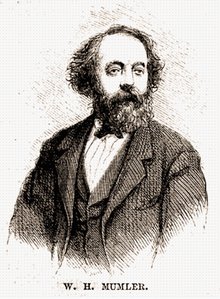
William H. Mumler
1832 - 1884 , Estados Unidos
Datos clave
- Artistic Movement Or Style: Fotografía Espiritual
- Date Of Birth: 1832
- Date Of Death: 1884
- Full Name: William H. Mumler
- Nationality: Americano
- Notable Artworks:
- Fotografía de Mary Todd Lincoln con el fantasma de Abraham Lincoln
- Retrato del Maestro Herrod
- Place Of Birth: Boston, Estados Unidos
Artículos relacionados

Monochrome Visions: Exploring the Aesthetic & Historical Significance of Black & White Photography
Explore the rich history & artistic power of black and white photography. From early techniques to iconic masters like Ansel Adams, discover why monochrome continues to captivate art lovers today. Expert insights for collectors.
Beyond the Lens: Photography's Enduring Influence on Modern & Contemporary Art
Explore photography's pivotal role in shaping modern & contemporary art. Discover key movements, influential artists like Stieglitz, and expert collecting advice from ArtsDot.
Los 10 Maestros de la Fotografía Documental: Obras que Cambiaron el Arte y la Decoración
Descubre los 10 iconos de la fotografía documental que cambiaron el arte. Explora las historias detrás de obras maestras de Dorothea Lange, Robert Capa y más. Reproducciones de alta calidad para decorar tu hogar con arte atemporal en .
Witnessing History Through Lens & Light: Documentary Photography's Enduring Legacy
Explore the powerful history of documentary photography – from its origins to contemporary masters like Gordon Parks & W. Eugene Smith. Discover how this art form shapes our understanding of society and witness pivotal moments in time.
Aaron Siskind: Deconstructing Reality – A Photographic Exploration of Texture, Form & the Abstract Landscape
Explore the transformative journey of Aaron Siskind, from social realism to pioneering abstract photography. Discover his iconic series & lasting influence on modern art. A guide for collectors.

