

 Ver en contexto
 Enviar
 Compartir
 Detalles

 Descargar
 Similares
 Radiografía
 Presentación de diapositivas
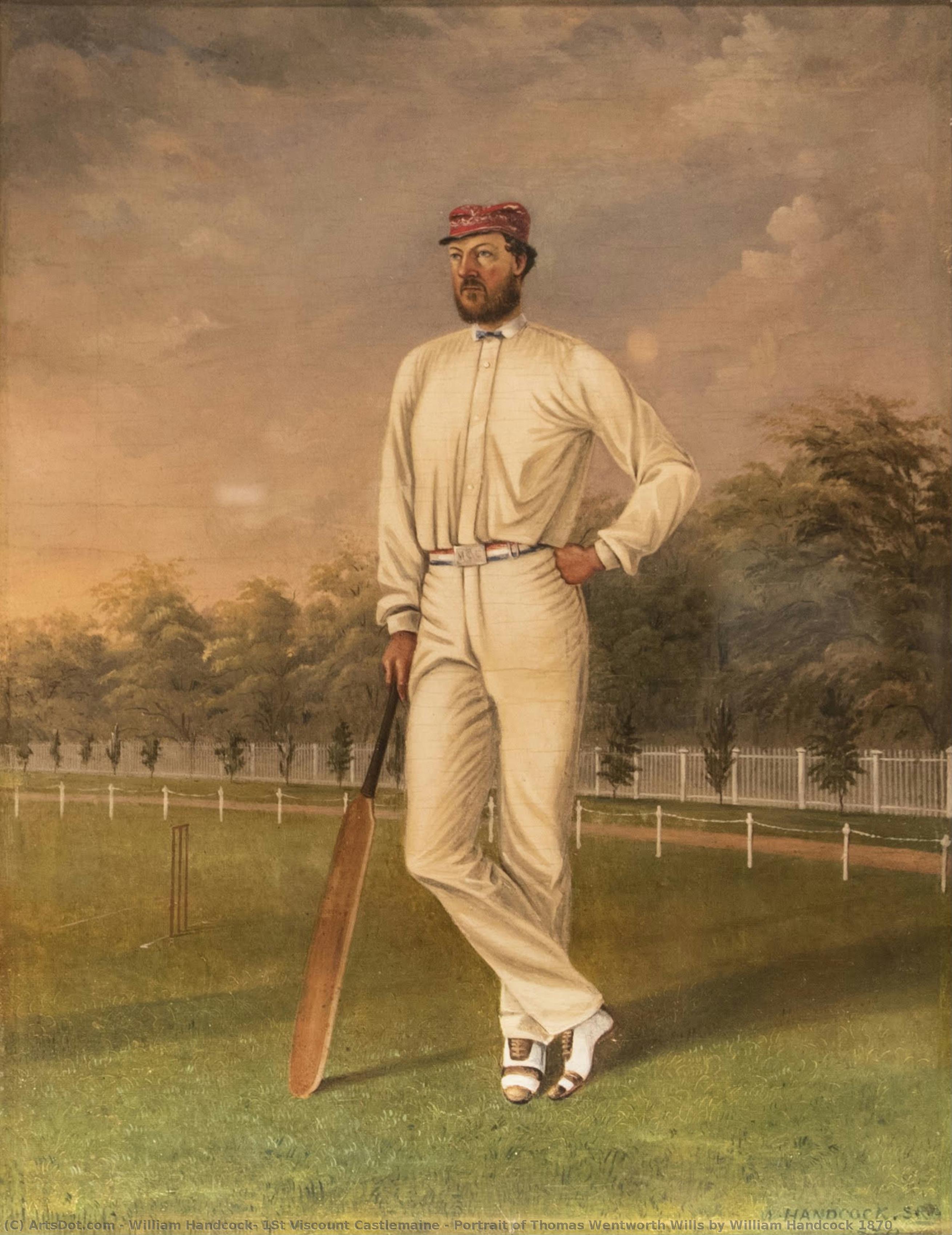
Portrait of Thomas Wentworth Wills by William Handcock 1870


 Ver más
Adquiera una imagen digital de alta resolución y optimizada, muy superior a la vista previa en línea.
Cada archivo es preparado meticulosamente por nuestros especialistas internos mediante el uso de herramientas avanzadas y un experto retoque manual. Nos aseguramos de que cada imagen posea una claridad excepcional, una precisión cromática impecable y un detalle minucioso.
El archivo final se entrega por correo electrónico en un plazo de 72 horas, optimizado para su uso inmediato en entornos profesionales, editoriales y de impresión. Esta es la misma calidad en la que confían los estudios de diseño, las editoriales y las galerías de primer nivel.
Imagen Digital
Descarga un archivo de alta resolución para exhibición personal, impresión y proyectos creativos. ( Comprar impresión Comprar pintura hecha a mano)
Incluido en cada pedido de imágenes digitales
Entrega digital experta, garantizada.
Al elegir ArtsDot.com, no solo está adquiriendo una imagen; está recibiendo una obra de arte digital mejorada profesionalmente, elaborada con precisión y respaldada por una garantía de satisfacción. Esto es todo lo que incluye su pedido, automáticamente:

Entrega rápida por email
Recibirá su archivo de imagen digital en alta resolución por correo electrónico en un plazo de 72 horas tras realizar su pedido, listo para su uso inmediato.

Archivo digital optimizado por IA
Su obra de arte se optimiza profesionalmente mediante herramientas avanzadas de IA y edición manual, garantizando el máximo detalle, claridad y precisión cromática.

Reenvío gratuito de por vida
¿Has borrado o perdido tu archivo por error? No te preocupes: te lo volveremos a enviar en cualquier momento, sin coste adicional.

Sin gastos de importación, siempre
Disfrute de su obra de arte al instante sin aduanas, aranceles ni gastos de envío; las descargas digitales siempre están libres de impuestos.

Garantía de fidelidad de color
Garantizamos que su imagen digital refleje los colores originales con la mayor fidelidad posible, mediante el uso de herramientas profesionales y gestión del color.

Garantía de satisfacción de 60 días
Si no está satisfecho con su imagen digital, la revisaremos o le reembolsaremos el 100% en un plazo de 60 días, sin preguntas.

100% Garantía de devolución de dinero
¿No está satisfecho? Obtenga un reembolso completo dentro de los 60 días posteriores a la recepción de su archivo digital, sin necesidad de explicaciones.

Descuentos por pedidos grandes
Compra 3 imágenes, ahorra 10% - Compra 5, ahorra 15% - Compra 10+, ahorra 20%. Ideal para proyectos creativos, galerías y agencias.
A Moment Frozen in Cricket Whites
In the soft, diffused light of an era long passed, the Portrait of Thomas Wentworth Wills by William Handcock emerges as more than a mere likeness; it is a window into the gentlemanly spirit of the Victorian sporting age. Painted in 1870, this evocative oil portrait captures T.W. Wills not merely as a man, but as an icon of cricket heritage. He stands with a poised, quiet confidence at the heart of a verdant cricket ground, leaning casually yet regally upon his bat. The composition draws the eye immediately to the crisp textures of his cricket whites, which contrast beautifully against the lush, deep greens of the background. Every detail, from the vibrant red of his cap to the meticulous blue, red, and white stripes of his MCC belt, serves to anchor the subject in a specific moment of sporting prestige and personal pride.
The artist’s technique breathes life into the canvas, utilizing a masterful command of light and shadow to create a sense of three-dimensional presence. Handcock employs a traditional academic style, where the brushwork is smooth enough to render the fine textures of fabric and wood, yet expressive enough to capture the organic vitality of the surrounding landscape. The background—a serene arrangement of white fences, sprawling grass, and distant, soft-focus trees—provides a sense of depth that pulls the viewer into the scene. This atmospheric perspective creates a tranquil sanctuary, isolating Wills within his element and inviting the observer to share in the peaceful afternoon of a summer match.
Symbolism and the Spirit of the Game
Beyond the technical prowess on display, the painting is rich with the symbolism of late 19th-century social identity. The cricket bat is not simply a piece of sporting equipment; it is a scepter of character, representing discipline, tradition, and the "gentlemanly" virtues held dear by the MCC and the wider British sporting community. The presence of the MCC belt buckle acts as a subtle heraldic device, signaling membership in an elite circle of cultural significance. Even the landscape itself—the manicured ground and the orderly fences—reflects the Victorian ideal of order and the cultivation of leisure. There is a profound sense of nostalgia embedded in the pigment, a longing for a time when sport was a cornerstone of social cohesion and personal honor.
For the discerning collector or interior designer, this piece offers an unparalleled opportunity to introduce a sense of historical gravity and timeless elegance into a space. Whether placed in a traditional study, a sophisticated library, or a contemporary dining room, the portrait acts as a conversational centerpiece that evokes themes of heritage and classic masculinity. As a high-quality reproduction, it retains the soulful essence of the original 1870 masterpiece, offering the prestige of fine art with the versatility required for modern luxury decor. It is an investment in atmosphere, bringing the quiet dignity of the cricket grounds into the heart of the home.
Obras relacionadas



Biografía del artista
William Handcock, 1st Viscount Castlemaine: A Life Shaped by Union and Tragedy
William Handcock (August 28, 1761 – January 7, 1839) stands as a pivotal figure in Irish history—a staunch advocate for the union of Ireland with Great Britain whose life intersected dramatically with the political landscape of his time. Born in Dublin to Reverend Richard Handcock and Sarah Toler, he possessed an upbringing steeped in intellectual curiosity and religious devotion, shaping him into a man deeply committed to public service. His formal education at Trinity College, Dublin, provided him with a foundation for legal pursuits—a profession that would ultimately define much of his career.- Early Career & Political Involvement: Handcock’s foray into politics began in 1783 when he contested Athlone in the Irish House of Commons. Representing this constituency until the Acts of Union in 1801, he championed the cause of unity between Ireland and Britain—a stance that cemented his reputation as a conservative voice within Irish political circles.
- Governorate Roles: Handcock’s administrative duties extended beyond Parliament. He served as Constable and Governor of Athlone from 1813 to 1839, overseeing the town's governance and defense during a turbulent period marked by social unrest and nationalist sentiment. Subsequently, he held the position of Governor of County Westmeath from 1814 to 1831, fostering economic development and promoting stability within the region.
- A Tragic End: Handcock’s life culminated in an untimely demise on January 7, 1839—a date forever etched in local lore. During a violent storm, his bedroom shutters at Moydrum Castle burst open, propelling him violently backward and resulting in instantaneous death. This event—described as “the Big Wind”—became a symbol of Ireland’s vulnerability to natural disasters during the Victorian era.
Artistic Patronage & Legacy
Handcock's influence extended beyond the political sphere; he was also a notable patron of the arts, particularly landscape painting. His nephew, Captain W. Wright, played a crucial role in establishing the Castlemaine Art Gallery and Historical Museum—a testament to Handcock’s enduring legacy and his desire to preserve Irish cultural heritage. The gallery houses an impressive collection of Australian Impressionist paintings, reflecting Handcock's vision for fostering artistic appreciation and celebrating the beauty of Victoria’s countryside.Notable Artwork: Portrait of Thomas Wentworth Wills
Perhaps Handcock’s most enduring contribution to art history lies in his commission of a portrait by Samuel Palmer—a celebrated Romantic landscape painter. This artwork captures Handcock's contemplative gaze and conveys an aura of quiet dignity, reflecting the values he held dear during his lifetime. It serves as a poignant reminder of Handcock’s personal life alongside his public service achievements.Family & Titles
Handcock married Lady Florinda Trench in 1782—a union that produced no children. He was elevated to Baron Castlemaine in 1812, with a special remainder to his brother Richard—a distinction that ensured the continuation of the Handcock lineage and solidified his family’s place within Irish aristocracy. Further honors followed—including Viscount Castlemaine in 1822—without a similar remainder, signifying the end of the viscountcy upon his death.Concluding Thoughts
William Handcock's life embodies the complexities of Victorian Ireland—a nation grappling with questions of identity and striving for stability amidst political upheaval. His unwavering commitment to unionism, coupled with his patronage of the arts and his tragic fate at Moydrum Castle, cemented his place as a figure of considerable historical significance. The enduring presence of the Castlemaine Art Gallery stands as a lasting tribute to Handcock’s vision—a testament to his belief in the transformative power of beauty and remembrance.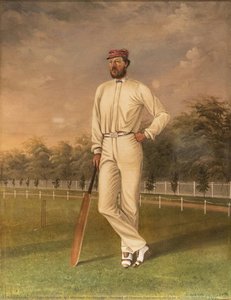
William Handcock
1761 - 1839 , Irlanda
Breves datos
- Artistic Movement Or Style: Romanticism
- Artists Or Movements Influenced By This Artist: ['Romanticism']
- Artists Who Influenced This Artist: ['Samuel Palmer']
- Date Of Birth: August 28, 1761
- Date Of Death: January 7, 1839
- Full Name: William Handcock, 1st Viscount Castlemaine
- Nationality: Irish
- Notable Artworks: ['Portrait of Thomas Wentworth Wills']
- Place Of Birth: Dublin, Ireland

