 Enviar
 Compartir
 Detalles

 Descargar
 Similares
 Presentación de diapositivas
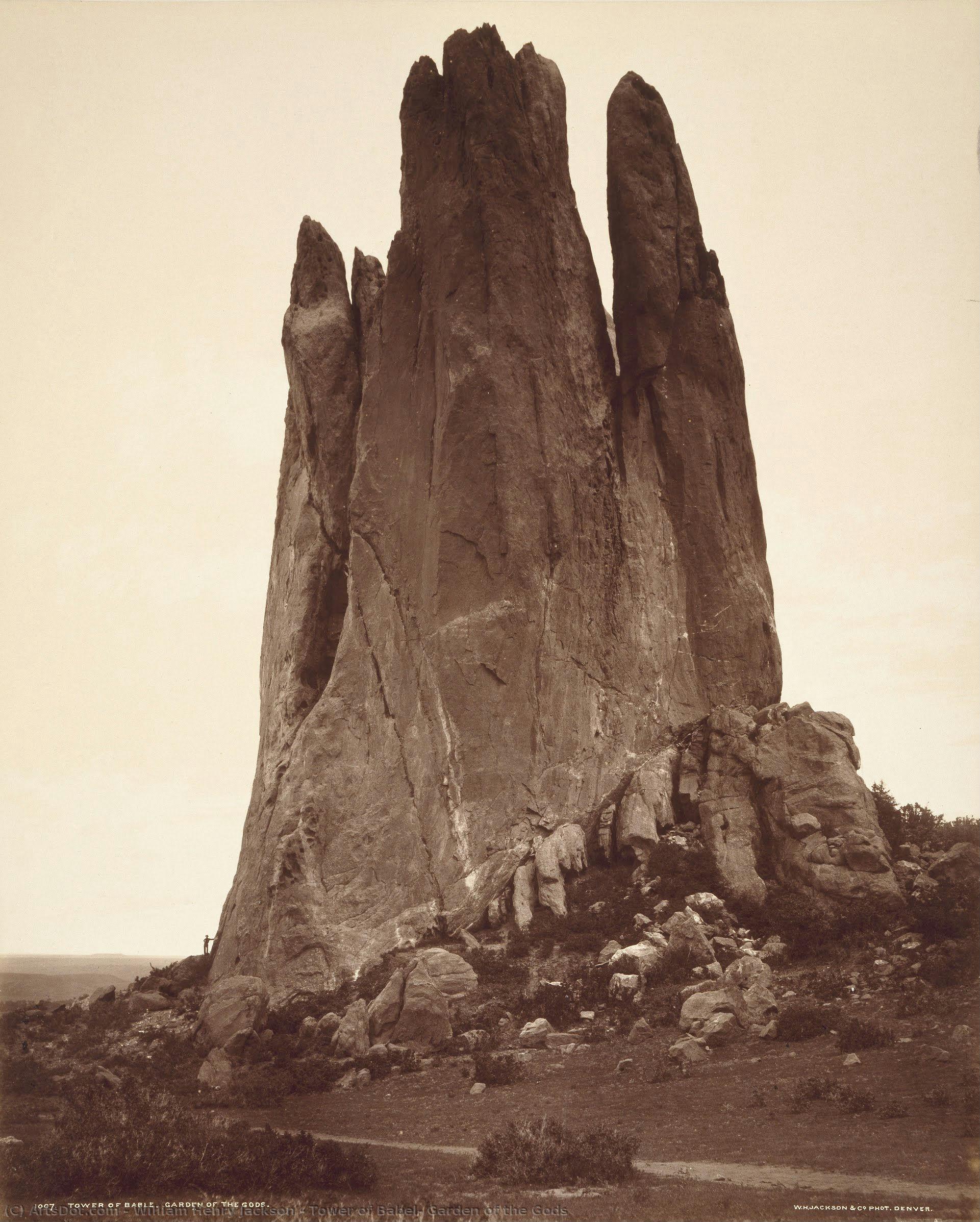
Tower of Babel, Garden of the Gods
 Black and White Photography
- Photo
- American Landscape Painting
 1880
1880- 19th Century
 43.0 x 54.0 cm
 Amon Carter Museo de Arte Estadounidense
 Ver más
Giclée / Impresión de arte
Impresiones giclée o en lienzo de calidad de museo con producción rápida y opciones de acabado flexibles. ( Comprar pintura hecha a mano Comprar imagen)




































Elija entre nuestros tamaños predefinidos que respetan las proporciones originales de la obra.

Puede introducir sus propias dimensiones para adaptarse a un marco o espacio específico. Si el tamaño seleccionado no coincide con las proporciones de la imagen original, recortaremos la obra de arte o extenderemos la imagen con un borde con efecto espejo o de color sólido. Se enviará una maqueta digital para su aprobación antes de que comience la producción.
Tenga en cuenta que la vista previa en pantalla no refleja el recorte o la extensión real. Solo la maqueta mostrará con precisión la composición final.
Aunque existen tamaños personalizados, recomendamos seleccionar una dimensión de la lista predefinida para preservar las proporciones originales.
Envío a todo el mundo () en 2 semanas en lugar de las 4/5 semanas estándar. (1 septiembre)

Envío exprés gratuito a todo el mundo

Lienzo de lino de alta calidad

Seguro de envío total

Garantía de reembolso de impuestos aduaneros

Garantía de fidelidad cromática exacta

Política de devolución de 60 días (solo por defectos)

Garantía de devolución del 100% del dinero

Descuento por cantidad
 La opción de vidrio solo está disponible en tamaños inferiores a 110 cm.

Tower of Babel, Garden of the Gods
Giclée / Impresión de arte
Dimensiones de la reproducción
-


Precio total final
$ 62
A Timeless Vision of the American West
In the quiet, monochromatic depths of William Henry Jackson’s 1880 masterpiece, Tower of Babel, Garden of the Gods, we are transported to a moment where the raw, untamed spirit of the American frontier meets the profound weight of biblical allegory. This stunning albumen print captures the monumental rock formations of Colorado with a clarity that transcends its age. The composition centers on these towering geological sentinels, whose jagged, castle-like silhouettes rise dramatically against a distant mountain range. Through Jackson’s lens, the landscape is not merely a collection of stone and earth, but a dramatic stage where nature performs its most ancient and silent plays. For the discerning collector or interior designer, this piece offers more than just a view; it provides a window into a vanished era of exploration and discovery.
The technique employed by Jackson, a pioneer of American landscape photography, imbues the work with an ethereal, almost tactile quality. As an albumen print, the image possesses a rich tonal range that moves seamlessly from the deepest, velvety blacks of the shadowed crevices to the luminous, soft greys of the distant peaks. This mastery of light and shadow creates a sense of immense scale and three-dimensional depth, making the rugged textures of the sandstone feel as though they could be touched. The lack of color serves to strip away the distractions of the modern world, focusing the viewer’s eye entirely on form, texture, and the interplay of light—elements that allow the photograph to function as a piece of fine art rather than a mere documentary record.
Symbolism and the Spirit of Exploration
The title itself, Tower of Babel, invites a profound layer of symbolic interpretation. By juxtaposing the geological wonders of the Garden of the Gods with such a powerful biblical reference, Jackson elevates the American landscape to a level of mythic importance. The rock formations, resembling man-made towers reaching toward the heavens, evoke themes of human ambition, the struggle against nature, and the awe-inspiring grandeur of creation. This connection between the physical earth and spiritual aspiration creates an emotional resonance that is both humbling and inspiring. It captures the 19th-century American psyche—a period defined by westward expansion, a thirst for knowledge, and a deep reverence for the sublime beauty of the continent.
For those looking to integrate this work into a curated space, its impact is unparalleled. In a contemporary interior, such a reproduction serves as a sophisticated focal point, bringing a sense of historical gravity and organic elegance to a room. Whether placed in a minimalist gallery-style setting or a classic study, the photograph’s monochromatic palette and dramatic composition harmonize beautifully with both modern and traditional decor. It is an invitation to pause, to reflect on the enduring strength of the natural world, and to celebrate the legacy of one of America's most significant visual chroniclers.
Obras relacionadas
Biografía del artista
early life and career
William Henry Jackson, born April 4, 1843, in Keswick, New York, was the first of seven children to George Hallock Jackson and Harriet Maria Allen. His formative years were shaped by a childhood immersed in rural life and instilled with an appreciation for the natural world—a foundation that would profoundly influence his artistic endeavors. He enlisted in the Union Army during the Civil War at the young age of nineteen, serving bravely until 1866, witnessing firsthand the tumultuous events reshaping American society. This experience honed his observational skills and deepened his understanding of human resilience amidst adversity. Following the war, Jackson embarked on a transformative journey into artistic expression, discovering a talent for painting landscapes that captured the grandeur and beauty of the American frontier. He honed his technique under the tutelage of George Hallock Jackson, who instilled in him a meticulous approach to capturing light and color—a stylistic hallmark that would characterize his later work.artistic journey
Recognizing the burgeoning potential of photography as an art form, Jackson transitioned into this medium in 1867, establishing himself in Omaha and immersing himself in the burgeoning photographic industry. Driven by a desire to document the vast expanse of the American West for promotional purposes, he joined the Union Pacific Railroad Company, undertaking expeditions that yielded stunning images—most notably, the Hayden Survey—which revolutionized scientific illustration and captivated the public imagination. During this period, Jackson collaborated closely with scientists like Ferdinand Vanderveer Hayden, meticulously recording geological formations, flora, and fauna alongside portraits of Native American communities. His photographs weren’t merely representations of scenery; they were imbued with a humanist spirit, reflecting his empathy for marginalized populations and advocating for their preservation.notable contributions
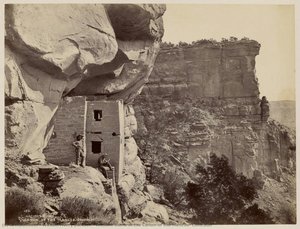
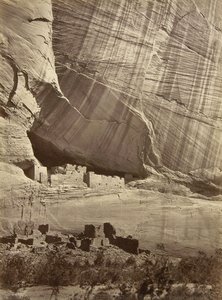
Jackson's artistic legacy rests upon several iconic images that continue to inspire awe and admiration. Among these are “Tower of Babel,” a breathtaking panorama of Garden of the Gods in Colorado—a testament to his mastery of perspective and color—and “UTE Tepee,” which offers an intimate glimpse into the daily life of Native American tribes during the late nineteenth century. These photographs stand as invaluable records of a bygone era, documenting landscapes that would later become protected national parks—underscoring Jackson’s crucial role in shaping America's conservation movement. Furthermore, his contribution to “Ancient Ruins in the Canon of the Mancos” showcases his ability to convey both scientific accuracy and artistic beauty simultaneously.museums and collections
Jackson’s remarkable oeuvre has garnered recognition within prominent museums across the United States. The Amon Carter Museum of American Art proudly houses a substantial collection of his photographs, including “Tower of Babel” and “UTE Tepee,” allowing visitors to immerse themselves in the visual splendor of the American West. Similarly, the J. Paul Getty Museum showcases “Ancient Ruins in the Canon of the Mancos,” presenting a masterpiece of landscape photography alongside other significant artworks from the period.legacy and impact
William Henry Jackson’s artistic vision transcended mere documentation; he elevated photography to an art form capable of conveying profound emotional resonance—a distinction that cemented his place among the most influential figures in American visual culture. His photographs continue to inspire artists and photographers alike, prompting them to explore new frontiers of creative expression while honoring the legacy of a pioneer who championed the preservation of America’s natural heritage. He remains an enduring symbol of artistic integrity and unwavering dedication to capturing the sublime beauty of the American landscape—a testament to his indelible contribution to the history of art.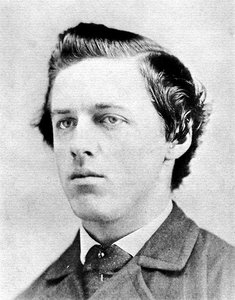
William Henry Jackson
1843 - 1942 , Estados Unidos
Datos clave
- Artistic Movement Or Style: Pintura Paisajista Romántica
- Artists Or Movements Influenced By This Artist: ['Escuela Hudson Río']
- Artists Who Influenced This Artist: ['George Hallock Jackson']
- Date Of Birth: 4 abril 1843
- Date Of Death: 30 junio 1942
- Full Name: William Henry Jackson
- Nationality: Americano
- Notable Artworks:
- Torre de Babel
- Tepee Ute
- Place Of Birth: Keswick, Estados Unidos
Artículos relacionados

Henri Matisse: Las 25 Obras Maestras que Definieron un Genio del Color | ArtsDot
Descubre las 25 obras maestras de Henri Matisse, el rey del color y padre del fauvismo. Explora su arte moderno, lienzos vibrantes y la historia detrás de cada pintura icónica. Encuentra reproducciones de alta calidad en ArtsDot.com.
Cultivating Paradise: A Historical & Artistic Exploration of Gardens in Painting
Explore the rich history of gardens in painting! Discover masterpieces from Renaissance to Impressionism & beyond. Learn about symbolism, artists like Monet & Klimt, and find your perfect artwork at ArtsDot.
Frederick William Jackson: Capturing the American West Through Luminist Vision & Narrative Detail
Explore the captivating works of Frederick William Jackson, a pioneer of Western realism & Luminist painting. Discover his atmospheric landscapes, depictions of Native American life, and lasting legacy. Learn more at ArtsDot.
William Henry Hunt: Luminosity & Detail in Early 19th-Century Watercolour Painting
Explore the captivating watercolour paintings of William Henry Hunt (1790-1864). Discover his mastery of naturalistic detail, luminous technique & influence on 19th-century art. Learn about collecting Hunt's work and its enduring value.
William Henry Pyne: A Topographical Vision of Early 19th-Century England – Art, Society & Watercolour's Rise
Explore the captivating world of William Henry Pyne (1769-1843), a key figure in early 19th-century English art. Discover his stunning watercolours, architectural studies & contribution to the rise of watercolour painting. Learn about this fascinating artist's life and legacy.