 Ver en contexto
 Enviar
 Compartir
 Detalles

 Descargar
 Similares
 Radiografía
 Presentación de diapositivas
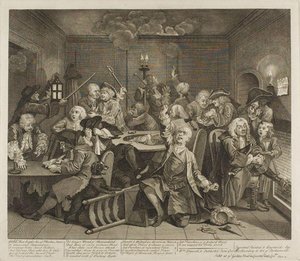
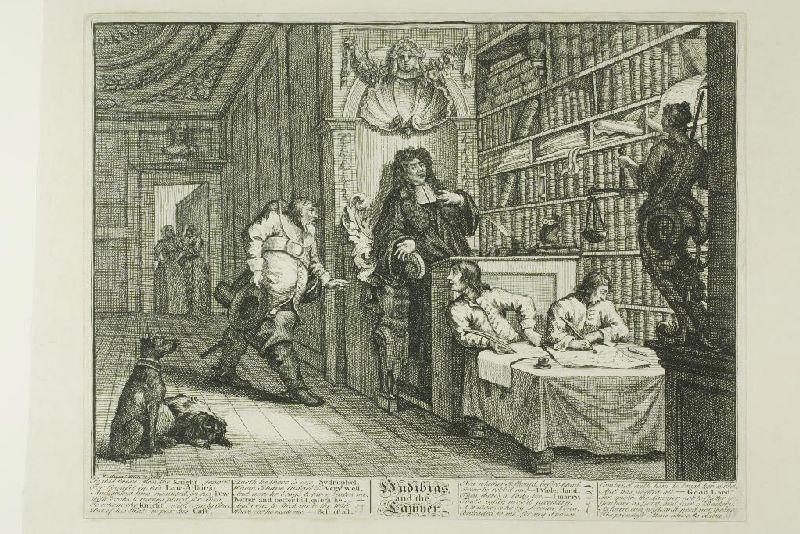
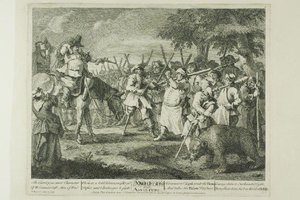
Hudibras and the Lawyer, plate twelve from Hudibras

 Ver más
Giclée / Impresión de arte
Impresiones giclée o en lienzo de calidad de museo con producción rápida y opciones de acabado flexibles. ( Comprar pintura hecha a mano Comprar imagen)




P118B $10

P118H $10

P118W $10

P438Z $10

P508JH $12

P508YH $12

P805H $10

P805Z $10

P919BZ $10

P919G $10

P919XJ $10

P959ZH $10

P968JZ $12

W106C $8

W218G $10

W218JH $8

W218Y $10

W307PJ $10

W316G $10

W316PJ $8

W316Y $10

W398PJ $8

W4111J $10

W500HY $15

W500JH $15

W692G $12

W849H $8

W940BG $15

W953PJ $8




Elija entre nuestros tamaños predefinidos que respetan las proporciones originales de la obra.

Puede introducir sus propias dimensiones para adaptarse a un marco o espacio específico. Si el tamaño seleccionado no coincide con las proporciones de la imagen original, recortaremos la obra de arte o extenderemos la imagen con un borde con efecto espejo o de color sólido. Se enviará una maqueta digital para su aprobación antes de que comience la producción.
Tenga en cuenta que la vista previa en pantalla no refleja el recorte o la extensión real. Solo la maqueta mostrará con precisión la composición final.
Aunque existen tamaños personalizados, recomendamos seleccionar una dimensión de la lista predefinida para preservar las proporciones originales.
Envío a todo el mundo () en 2 semanas en lugar de las 4/5 semanas estándar. (26 agosto)

Envío exprés gratuito a todo el mundo

Lienzo de lino de alta calidad

Seguro de envío total

Garantía de reembolso de impuestos aduaneros

Garantía de fidelidad cromática exacta

Política de devolución de 60 días (solo por defectos)

Garantía de devolución del 100% del dinero

Descuento por cantidad
 La opción de vidrio solo está disponible en tamaños inferiores a 110 cm.

Hudibras and the Lawyer, plate twelve from Hudibras
Giclée / Impresión de arte
Dimensiones de la reproducción
-


Precio total final
$ 62
Descripción de la pieza
William Hogarth’s Satirical Masterpiece: “Hudibras and the Lawyer”
William Hogarth's "Hudibras and the Lawyer," plate twelve from his monumental series illustrating Samuel Butler’s satirical epic, is far more than a mere illustration; it’s a meticulously crafted social commentary frozen in ink and etching. Created between 1725 and 1726 during a period of profound societal change in England – a nation grappling with burgeoning commerce, shifting moral values, and the rise of a skeptical public – this image offers a sharp-edged critique of legal corruption, vanity, and the deceptive allure of appearances. Hogarth, a visual historian at his core, doesn’t simply depict a scene; he dissects it, revealing the hypocrisy beneath the veneer of respectability.
The composition is immediately arresting. We find ourselves within a richly appointed, yet subtly cluttered, law office – a space designed to project an air of authority and wealth. A lawyer, resplendent in his wig and robes, occupies the central position, radiating an almost regal self-importance. He’s seated at a table, ostensibly engaged in considering Hudibras' plea, but his posture and expression betray a thinly veiled disdain. Around him, clerks bustle with activity, their faces reflecting a mixture of eagerness and boredom – symbols of the lower echelons of the legal profession, caught in the orbit of this powerful figure. A dog lies at the base of the scene, adding an element of domesticity and perhaps subtly hinting at the moral failings within the household.
The Anatomy of Satire: Technique and Detail
Hogarth’s genius lay not just in his subject matter but also in his masterful execution. The print is a testament to his meticulous approach, employing a complex technique of etching and engraving on cream paper. He utilized a wide range of tonal values – from the darkest blacks to delicate washes of white – to create astonishingly realistic textures and expressions. Note the intricate detailing of the lawyer’s robes, the sheen of the polished furniture, and the subtle wrinkles around the clerks' eyes. These details aren’t merely decorative; they are crucial to conveying the scene’s overall sense of realism and, more importantly, its satirical intent.
Crucially, Hogarth employed a technique known as ‘cross-hatching,’ layering intersecting lines to build up tonal values and create depth. This method allows him to capture the play of light and shadow with remarkable precision, highlighting the artificiality of the lawyer’s setting and emphasizing the contrast between his outward appearance and his inner character. The use of perspective is equally deliberate, drawing the viewer's eye towards the central figure and subtly undermining the authority he projects.
Symbolism and Social Critique
“Hudibras and the Lawyer” is replete with symbolic elements that amplify Hogarth’s critique. Hudibras himself, a character from Butler’s satirical poem, represents the embodiment of stubbornness and folly – a figure who consistently finds himself embroiled in misfortune due to his own pride and obstinacy. The lawyer, on the other hand, embodies the corruption and self-serving nature of the legal profession. He is not simply dispensing justice; he is exploiting his position for personal gain.
The presence of the clerks further underscores this critique. They represent the individuals who are most vulnerable to the lawyer’s manipulations – those seeking redress through the courts, often at great expense and with little hope of success. The dog, a common symbol of loyalty and fidelity, is placed in an almost subservient position, suggesting that even these fundamental virtues can be corrupted by the prevailing social climate.
A Timeless Commentary on Human Nature
Despite being created over three centuries ago, “Hudibras and the Lawyer” remains remarkably relevant today. Hogarth’s depiction of legal corruption, vanity, and the manipulation of power speaks to enduring human flaws. The image serves as a potent reminder that appearances can be deceiving and that true justice is often obscured by self-interest and social inequality. Reproductions of this iconic work offer a valuable opportunity to engage with a pivotal moment in British art history and to contemplate the timeless themes explored within its intricate details – a piece that continues to provoke thought and inspire debate.
Obras relacionadas
Biografía del artista
vida temprana e influencias
William Hogarth, un artista inglés multifacético, nació el 10 de noviembre de 1697 en Londres. Su vida temprana estuvo marcada por su aprendizaje como grabador a cargo de Ellis Gamble en Leicester Fields, donde desarrolló sus habilidades en la grabado de carteles publicitarios. Esta experiencia influyó significativamente en su tono artístico, frecuentemente notado por su filo crítico y agudo.carrera artística
El rango creativo de Hogarth abarcó desde el retrato realista hasta las pioneras series pictóricas de tipo cómico, denominadas "sujetos morales modernos". Es famoso por sus obras A Harlot's Progress, A Rake's Progress y Marriage a-la-Mode. Su estilo distintivo se volvió tan influyente que las ilustraciones políticas satíricas similares a menudo se denominan "hogarthianas".obras notables y su significado
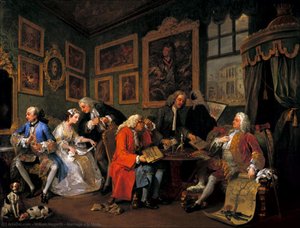
- El Contrato Matrimonial (clasicismo, óleo sobre lienzo): Esta pintura muestra la maestría de Hogarth en el sarcasmo, criticando las narrativas sociales de su tiempo. [https://ArtsDot.com/@@/8bwmb6-william-hogarth-the-marriage-contract](https://ArtsDot.com/@@/8bwmb6-william-hogarth-the-marriage-contract)
- A Harlot's Progress (arte satírico, grabado): Esta serie de pinturas es un testimonio de la capacidad de Hogarth para capturar la forma humana con gracia y poder, a menudo incorporando contenido sexualmente explícito. [https://ArtsDot.com/@/william-hogarth](https://ArtsDot.com/@/william-hogarth)
legado e influencia
El arte de Hogarth ganó una inmensa popularidad y fue producido masivamente a través de grabados, convirtiéndolo en el artista inglés más importante de su tiempo. Charles Lamb, el ensayista, comentó famoso que las imágenes de Hogarth eran como libros para leer en lugar de simplemente mirarlos.museos y colecciones
El Museo Británico, con su extensa colección de objetos artísticos culturales y antigüedades, es una institución importante del Reino Unido. [https://en.wikipedia.org/wiki/british_museum](https://en.wikipedia.org/wiki/british_museum) Aunque no se centra específicamente en el trabajo de Hogarth, representa el contexto más amplio del arte y la cultura británicos.conclusión
El legado de William Hogarth como artista satírico continúa influyendo en el mundo del arte. Sus obras, tales como El Contrato Matrimonial y A Harlot's Progress, siguen siendo significativas no solo por su valor artístico sino también por su crítica aguda de las narrativas sociales. Explore más del trabajo de Hogarth en [https://ArtsDot.com/@/william-hogarth](https://ArtsDot.com/@/william-hogarth).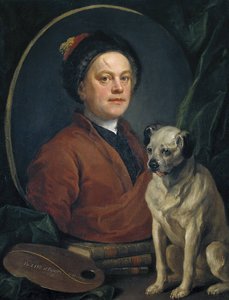
William Hogarth
1697 - 1764 , Reino Unido
Datos clave
- Artistas Influenciados:
- James Gillray
- George Cruikshank
- Artistas Que Influyeron:
- Pieter de Hooch
- Jonathan Swift
- Fecha De Muerte: 1764
- Fecha De Nacimiento: 10 de noviembre de 1697
- Lugar De Nacimiento: Londres, Reino Unido
- Movimiento Artístico: Arte satírico, Realismo
- Nacionalidad: Británico
- Nombre Completo: William Hogarth
- Obras Notables:
- A Harlot's Progress
- A Rake's Progress
- Marriage A-la-Mode
Artículos relacionados
William Hogarth: Satire, Social Commentary & the Birth of Modern British Art
Explore the satirical world of William Hogarth, pioneering British painter & engraver. Discover his iconic works like *A Rake's Progress* and insightful social commentary on 18th-century London life.
Los 10 Grabados Legendarios que Transformaron la Historia del Arte | ArtsDot
Descubre los 10 grabados legendarios de Dürer, Rembrandt y Goya que revolucionaron el arte. Explora la historia, técnicas y belleza atemporal de estas obras maestras. Reproducciones de alta calidad en ArtsDot.com para decorar tu hogar con arte clásico.
The Sharpest Wit: A Critical Exploration of Satire in Art History – From Hogarth to Contemporary Critique
Explore the history of satire in art! From Hogarth's London to contemporary critique, discover how artists use wit & visual power to reflect and challenge society. Expert insights at ArtsDot.
El Siglo XVIII en el Arte: 10 Obras Maestras para Decorar con Historia y Elegancia
Descubre 10 obras maestras del siglo XVIII: Goya, Fragonard y más. Explora la historia, el arte barroco, rococó y neoclasicismo que inspiran decoración elegante. Reproducciones de alta calidad en ArtsDot.com.
Engraving: A Historical Survey of Technique, Artistic Expression & Enduring Legacy
Explore the rich history of engraving with ArtsDot. Discover techniques, iconic artists like Dürer & Callot, collecting tips, and expert guidance for preserving your art investment. Learn about intaglio printing & more!