 Ver en contexto
 Enviar
 Compartir
 Detalles

 Descargar
 Similares
 Radiografía
 Presentación de diapositivas
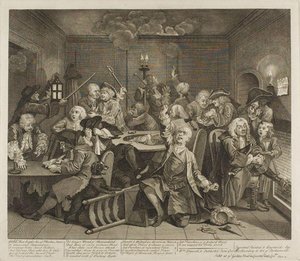
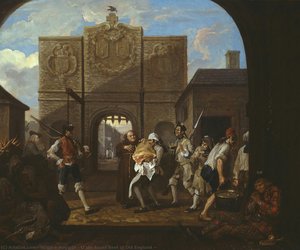
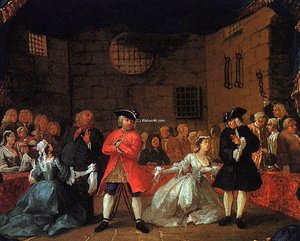
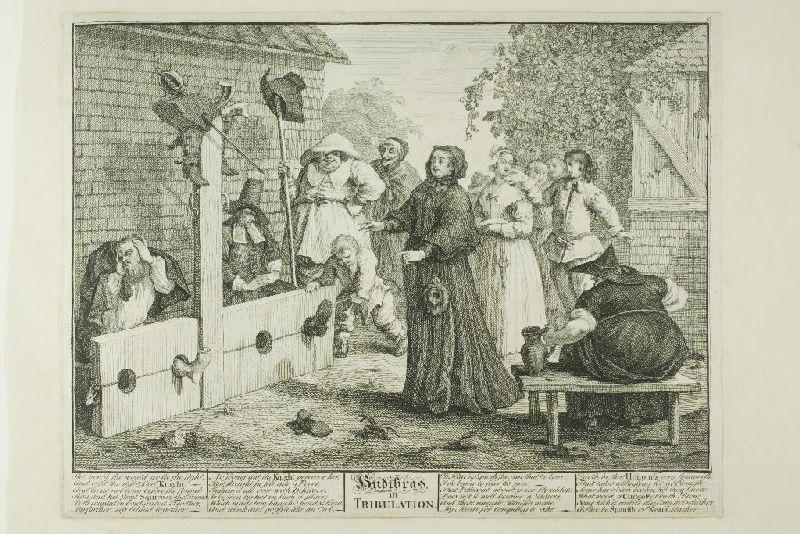
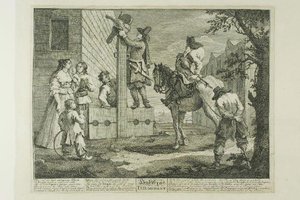
Hudibras in Tribulation, plate six from Hudibras


 Ver más
Reproducción al óleo hecha a mano
Óleo sobre lienzo pintado a mano en el tamaño y marco de su elección, realizado por encargo por nuestros artistas. ( Comprar impresión Comprar imagen)




P118B $10

P118H $10

P118W $10

P438Z $10

P508JH $12

P508YH $12

P805H $10

P805Z $10

P919BZ $10

P919G $10

P919XJ $10

P959ZH $10

P968JZ $12

W106C $8

W218G $10

W218JH $8

W218Y $10

W307PJ $10

W316G $10

W316PJ $8

W316Y $10

W398PJ $8

W4111J $10

W500HY $15

W500JH $15

W692G $12

W849H $8

W940BG $15

W953PJ $8




Elija entre nuestros tamaños predefinidos que respetan las proporciones originales de la obra.

Puede ingresar sus propias dimensiones para adaptarse a un marco o espacio específico. Si el tamaño seleccionado no coincide con las proporciones de la imagen original, recortaremos la obra o extenderemos la pintura con elementos adicionales pintados a mano. Se le enviará una maqueta digital para su aprobación antes de comenzar la producción.
Tenga en cuenta que la vista previa en pantalla no refleja el recorte o la extensión reales. Solo la maqueta mostrará con precisión la composición final.
Si bien existen tamaños personalizados, recomendamos seleccionar una dimensión de la lista predefinida para preservar las proporciones originales.
Tras realizar el pedido, el equipo de ArtsDot.com enviará un correo electrónico al cliente para solicitar instrucciones y proporcionarle una vista previa del boceto.
Envío a todo el mundo () en 3-4 semanas en lugar de las 5 semanas estándar. (3 septiembre). Sin comprometer la calidad.

Envío exprés gratuito a todo el mundo

Lienzo de lino de alta calidad

Seguro de envío total

Garantía de reembolso de impuestos aduaneros

Garantía de fidelidad cromática exacta

Política de devolución de 60 días (solo por defectos)

Garantía de devolución del 100% del dinero

Descuento por cantidad
 La opción de vidrio solo está disponible en tamaños inferiores a 110 cm.

Hudibras in Tribulation, plate six from Hudibras
Técnica de reproducción
Dimensiones de la reproducción
-


Precio total final
$ 263
Hudibras in Tribulation: A Study in Satirical Observation
William Hogarth’s “Hudibras in Tribulation,” Plate Six from Samuel Butler’s Hudibras, stands as a cornerstone of Enlightenment art and a masterful distillation of social critique. Executed between 1725 and 1730, this etching and engraving—a collaborative effort with Henry Overton and J. Hoole—captures a pivotal moment in the poem's narrative and embodies Hogarth’s signature style: meticulous detail combined with biting commentary on human folly. The artwork depicts a scene of considerable tension – a group of men gathered around a wooden fence, seemingly engrossed in conversation yet subtly dominated by an unspoken unease. This carefully constructed tableau isn’t merely descriptive; it's laden with symbolic significance reflecting Butler’s satirical attack on religious hypocrisy and societal pretension.The Artist’s Technique: Precision and Dramatic Lighting
Hogarth’s technical prowess is immediately apparent in the intricate linework of the etching, demonstrating an unparalleled command of tonal gradation. Overton’s contribution ensured a rich surface texture that enhances the visual drama—particularly noticeable in the depiction of the fence itself, rendered with painstaking accuracy to convey its weathered appearance and conveying a sense of isolation. The artist skillfully employs chiaroscuro – dramatic contrasts between light and dark – to sculpt the figures and heighten the emotional impact. This technique directs the viewer’s gaze towards key elements within the composition, emphasizing expressions of discontent and highlighting the psychological complexities underlying the surface conviviality.Historical Context: Butler's Critique of Puritan Virtue
Samuel Butler’s Hudibras is a scathing parody of Puritan morality, targeting the self-righteousness and hypocrisy prevalent in 18th-century England. Hogarth brilliantly translates this literary critique into visual form. The men surrounding the fence represent those clinging to outward appearances of piety while concealing inner corruption—a theme central to Butler’s poem. This depiction aligns perfectly with the broader intellectual climate of the Enlightenment, where artists and writers alike questioned established dogma and championed reason as a tool for social reform. Observing this scene is akin to peering into the anxieties of an era grappling with religious fervor and societal hypocrisy.Symbolism: The Fence as Barrier and Reflection
The wooden fence serves as more than just a physical boundary; it functions symbolically as a barrier separating individuals from genuine connection and concealing their true motivations. It mirrors the emotional distance between those present, highlighting the superficiality of social interactions. Furthermore, the birds scattered throughout the image – perched on the fence and soaring overhead – represent freedom and aspiration juxtaposed against the constraints imposed by societal expectations. They serve as visual reminders that despite appearances, there exists a yearning for something beyond the confines of convention.Emotional Impact: A Portrait of Disillusionment
“Hudibras in Tribulation” resonates powerfully with viewers today due to its enduring exploration of human psychology and social critique. The artwork evokes feelings of melancholy and apprehension—a subtle yet pervasive sense of disillusionment that captures the essence of Butler’s satirical vision. Hogarth's masterful rendering of facial expressions and body language conveys a profound understanding of human emotion, prompting contemplation on themes of hypocrisy, conformity, and the pursuit of authenticity. It remains an unforgettable testament to Hogarth’s ability to transform literary satire into compelling visual art.Obras relacionadas
Biografía del artista
vida temprana e influencias
William Hogarth, un artista inglés multifacético, nació el 10 de noviembre de 1697 en Londres. Su vida temprana estuvo marcada por su aprendizaje como grabador a cargo de Ellis Gamble en Leicester Fields, donde desarrolló sus habilidades en la grabado de carteles publicitarios. Esta experiencia influyó significativamente en su tono artístico, frecuentemente notado por su filo crítico y agudo.carrera artística
El rango creativo de Hogarth abarcó desde el retrato realista hasta las pioneras series pictóricas de tipo cómico, denominadas "sujetos morales modernos". Es famoso por sus obras A Harlot's Progress, A Rake's Progress y Marriage a-la-Mode. Su estilo distintivo se volvió tan influyente que las ilustraciones políticas satíricas similares a menudo se denominan "hogarthianas".obras notables y su significado
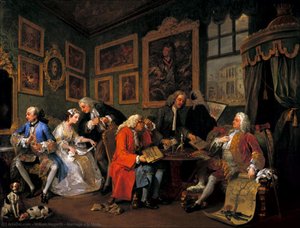
- El Contrato Matrimonial (clasicismo, óleo sobre lienzo): Esta pintura muestra la maestría de Hogarth en el sarcasmo, criticando las narrativas sociales de su tiempo. [https://ArtsDot.com/@@/8bwmb6-william-hogarth-the-marriage-contract](https://ArtsDot.com/@@/8bwmb6-william-hogarth-the-marriage-contract)
- A Harlot's Progress (arte satírico, grabado): Esta serie de pinturas es un testimonio de la capacidad de Hogarth para capturar la forma humana con gracia y poder, a menudo incorporando contenido sexualmente explícito. [https://ArtsDot.com/@/william-hogarth](https://ArtsDot.com/@/william-hogarth)
legado e influencia
El arte de Hogarth ganó una inmensa popularidad y fue producido masivamente a través de grabados, convirtiéndolo en el artista inglés más importante de su tiempo. Charles Lamb, el ensayista, comentó famoso que las imágenes de Hogarth eran como libros para leer en lugar de simplemente mirarlos.museos y colecciones
El Museo Británico, con su extensa colección de objetos artísticos culturales y antigüedades, es una institución importante del Reino Unido. [https://en.wikipedia.org/wiki/british_museum](https://en.wikipedia.org/wiki/british_museum) Aunque no se centra específicamente en el trabajo de Hogarth, representa el contexto más amplio del arte y la cultura británicos.conclusión
El legado de William Hogarth como artista satírico continúa influyendo en el mundo del arte. Sus obras, tales como El Contrato Matrimonial y A Harlot's Progress, siguen siendo significativas no solo por su valor artístico sino también por su crítica aguda de las narrativas sociales. Explore más del trabajo de Hogarth en [https://ArtsDot.com/@/william-hogarth](https://ArtsDot.com/@/william-hogarth).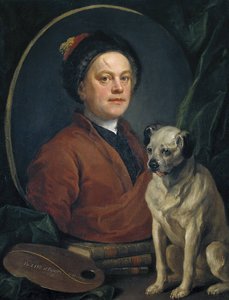
William Hogarth
1697 - 1764 , Reino Unido
Datos clave
- Artistas Influenciados:
- James Gillray
- George Cruikshank
- Artistas Que Influyeron:
- Pieter de Hooch
- Jonathan Swift
- Fecha De Muerte: 1764
- Fecha De Nacimiento: 10 de noviembre de 1697
- Lugar De Nacimiento: Londres, Reino Unido
- Movimiento Artístico: Arte satírico, Realismo
- Nacionalidad: Británico
- Nombre Completo: William Hogarth
- Obras Notables:
- A Harlot's Progress
- A Rake's Progress
- Marriage A-la-Mode
Artículos relacionados
El Aguafuerte: Un Recorrido Histórico por su Técnica, Cualidades Estéticas y Significado Duradero
Descubre la fascinante historia y técnica del aguafuerte. Explora su evolución artística, los maestros que lo dominaron y sus cualidades estéticas únicas. Guía experta para amantes del arte.
Las 10 Grabados Legendarios que Revolucionaron el Arte | ArtsDot
Descubre los 10 grabados legendarios que transformaron la historia del arte. Explora las obras maestras de Rembrandt, Goya y Dürer. Encuentra reproducciones de alta calidad e inspírate para decorar tu hogar con arte clásico en ArtsDot.com.
William Hogarth: Satire, Social Commentary & the Birth of Modern British Art
Explore the satirical world of William Hogarth, pioneering British painter & engraver. Discover his iconic works like *A Rake's Progress* and insightful social commentary on 18th-century London life.
The Intricate World of Etching: A Historical Survey of Technique, Aesthetic Evolution, and Enduring Artistic Impact
Explore the rich history of etching, from its origins to modern practice. Discover techniques, key artists like Rembrandt, and insights for collectors. A comprehensive guide by ArtsDot.

Giclée Prints: Archival Quality & Aesthetic Nuances for the Discerning Collector
Explore the world of giclée prints with ArtsDot. Learn about archival quality, aesthetic nuances & investment potential. Expert guidance for discerning art collectors seeking museum-quality reproductions and lasting value.