 Ver en contexto
 Enviar
 Compartir
 Detalles

 Descargar
 Similares
 Radiografía
 Presentación de diapositivas
 Stats
StatsCornfield at Ewell


 Ver más
Reproducción al óleo hecha a mano
Óleo sobre lienzo pintado a mano en el tamaño y marco de su elección, realizado por encargo por nuestros artistas. ( Switch to Print Switch to Digital Image)




P118B $10

P118H $10

P118W $10

P438Z $10

P508JH $12

P508YH $12

P805H $10

P805Z $10

P919BZ $10

P919G $10

P919XJ $10

P959ZH $10

P968JZ $12

W106C $8

W218G $10

W218JH $8

W218Y $10

W307PJ $10

W316G $10

W316PJ $8

W316Y $10

W398PJ $8

W4111J $10

W500HY $15

W500JH $15

W692G $12

W849H $8

W940BG $15

W953PJ $8




Elija entre nuestros tamaños predefinidos que respetan las proporciones originales de la obra.

Puede ingresar sus propias dimensiones para adaptarse a un marco o espacio específico. Si el tamaño seleccionado no coincide con las proporciones de la imagen original, recortaremos la obra o extenderemos la pintura con elementos adicionales pintados a mano. Se le enviará una maqueta digital para su aprobación antes de comenzar la producción.
Tenga en cuenta que la vista previa en pantalla no refleja el recorte o la extensión reales. Solo la maqueta mostrará con precisión la composición final.
Si bien existen tamaños personalizados, recomendamos seleccionar una dimensión de la lista predefinida para preservar las proporciones originales.
Tras realizar el pedido, el equipo de ArtsDot.com enviará un correo electrónico al cliente para solicitar instrucciones y proporcionarle una vista previa del boceto.
Envío a todo el mundo () en 3-4 semanas en lugar de las 5 semanas estándar. (7 septiembre). Sin comprometer la calidad.

Envío exprés gratuito a todo el mundo

Lienzo de lino de alta calidad

Seguro de envío total

Garantía de reembolso de impuestos aduaneros

Garantía de fidelidad cromática exacta

Política de devolución de 100 días (solo por defectos)

Garantía de devolución del 100% del dinero

Descuento por cantidad
 La opción de vidrio solo está disponible en tamaños inferiores a 110 cm.

Cornfield at Ewell
Técnica de reproducción
Dimensiones de la reproducción
-


Precio total final
$ 263
A Symphony of Toil and Terroir
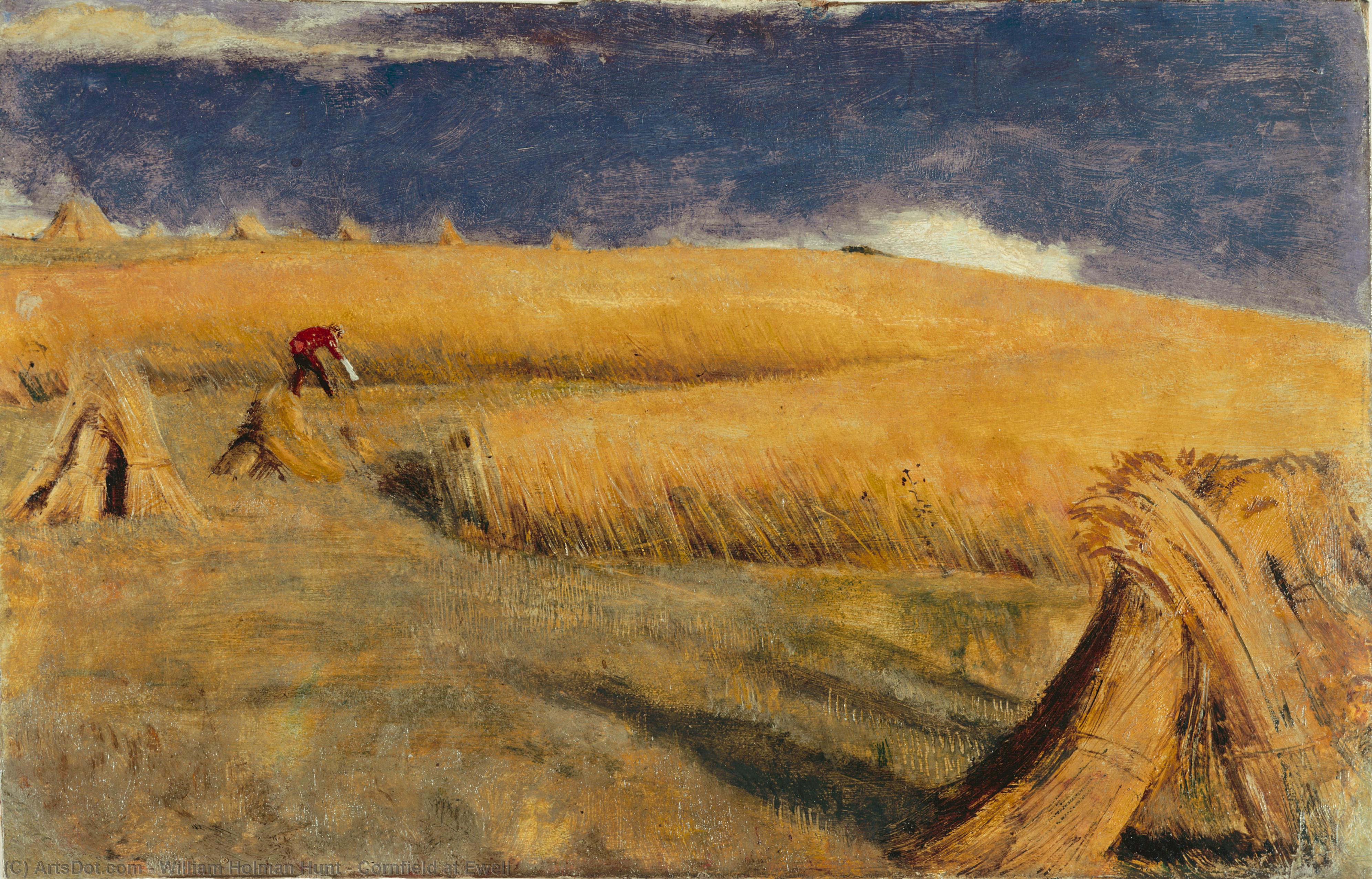
In the quiet, sun-drenched expanse of Cornfield at Ewell, painted in 1849, we are transported to a moment of profound connection between humanity and the earth. This evocative work by William Holman Hunt captures more than just a landscape; it captures the very heartbeat of agricultural life during the mid-19th century. At the center of this pastoral drama, a solitary figure engages in the rhythmic, grueling labor of plowing, guided by the steady strength of two oxen. The scene is alive with movement, as horses graze and figures drift through the tall grass, creating a tapestry of communal effort and individual dedication. For the discerning collector, this piece offers a window into a vanished era, where the boundaries between man, beast, and nature were inextricably linked by the necessity of the harvest.
The composition is a masterclass in capturing the atmosphere of industriousness. Hunt, even in his early years, demonstrated an uncanny ability to render the textures of the natural world—the coarse grain of the soil, the swaying stalks of the cornfield, and the muscular tension of the draft animals. The light plays across the scene with a soft, naturalistic brilliance, illuminating the sweat of labor and the golden hues of the landscape. This meticulous attention to detail serves to ground the viewer in the reality of the scene, making the hard work depicted feel palpable and immediate. It is an invitation to witness the dignity found in the most fundamental of human pursuits.
The Pre-Raphaelite Spirit and Technical Mastery
While William Holman Hunt would later become a foundational figure of the Pre-Raphaelite Brotherhood, known for his intense spiritual symbolism and hyper-realistic detail, Cornfield at Ewell reveals the burgeoning seeds of that revolutionary spirit. Even in this earlier work, one can sense his rejection of the polished, artificial aesthetics of the contemporary academic style. Instead, Hunt leans toward a sincerity of vision, seeking to honor the raw, unadorned truth of his subject matter. His technique involves a careful layering of color and light that breathes life into the figures, ensuring that every horse and every laborer contributes to a cohesive, breathing ecosystem.
For interior designers and art enthusiasts looking to anchor a room with a sense of history and warmth, this painting provides an unparalleled emotional depth. The earthy palette—rich in ochres, deep greens, and warm browns—complements sophisticated, classical interiors while providing a soulful focal point for more modern, minimalist spaces. To possess a reproduction of this work is to bring a piece of the English countryside's enduring legacy into one's home, offering a constant reminder of the beauty found in persistence, tradition, and the timeless cycle of the seasons.
Obras relacionadas
Biografía del artista
Primeros años y carrera
William Holman Hunt, un destacado pintor inglés, nació el 2 de abril de 1827 en Cheapside, Londres. Es más conocido por ser uno de los fundadores de la Hermandad Pre-Raphaelita, un grupo que buscaba revitalizar el arte enfatizando la observación detallada del mundo natural.Obras notables y estilo
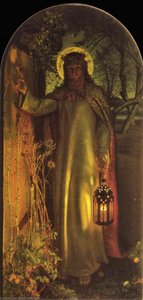
Las pinturas de Holman Hunt se caracterizan por su atención al detalle, color vívido y simbolismo elaborado. Algunas de sus obras más destacadas incluyen:- La luz del mundo (1851-1853), ahora en la capilla del Colegio Keble, Oxford, Inglaterra
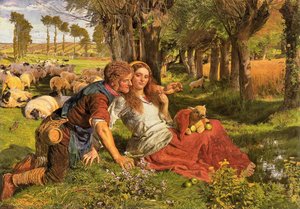
- El Pastor Engañado (1851), una escena de la vida rural moderna
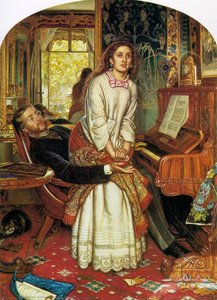
- La Conciencia Despertada, que muestra su éxito inicial con escenas naturalistas intensamente realistas
- El chivo expiatorio, La búsqueda del Salvador en el templo y La sombra de la muerte, pintadas durante sus viajes a Tierra Santa en busca de material topográfico y etnológico preciso.
Vida personal y años posteriores
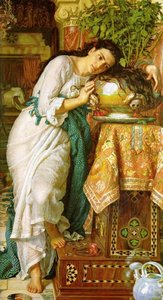
Holman Hunt se casó dos veces, primero con Fanny Waugh, que modeló para varias de sus obras, incluyendo Isabela y la maceta de albahaca. Después de su muerte, esculpió su tumba en Fiesole. Su segunda esposa fue Edith, hermana de Fanny, a quien se casó en el extranjero debido a las leyes británicas contra el matrimonio con la hermana de una esposa fallecida. Los últimos años de Holman Hunt estuvieron marcados por una vista fallida, lo que le obligó a renunciar a la pintura. Completó sus últimas obras importantes con la ayuda de su asistente, Edward Robert Hughes. Holman Hunt falleció el 7 de septiembre de 1910 y fue enterrado en la Catedral de San Pablo, Londres.Legado
Holman Hunt publicó una autobiografía en 1905 y fue nombrado miembro de la Orden del Mérito por el rey Eduardo VII ese mismo año. Su vida personal fue documentada posteriormente en el libro de Diana Holman-Hunt Mi abuelo, su vida y sus amores. Vea las obras de William Holman Hunt en ArtsDot Fechas clave:- 2 de abril de 1827: nació en Cheapside, Londres
- 1851-1853: pintó La luz del mundo
- 7 de septiembre de 1910: falleció y fue enterrado en la Catedral de San Pablo, Londres
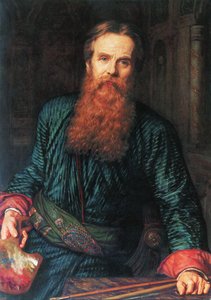
William Holman Hunt
1827 - 1910 , Reino Unido
Datos clave
- Artistas Que Influyeron:
- John Ruskin
- Dante Gabriel Rossetti
- John Everett Millais
- Estilo Artístico: Pre-Rafaelita
- Fecha De Fallecimiento: 7 de septiembre de 1910
- Fecha De Nacimiento: 2 de abril de 1827
- Lugar De Nacimiento: Cheapside, Reino Unido
- Nacionalidad: Británico
- Nombre Completo: William Holman Hunt
- Obras Notables:
- La luz del mundo
- El pastor engañado
- La conciencia despertada
Artículos relacionados
Chromatic Atmospheres: Exploring the Subtleties of Color Field Painting's Emotional Resonance
Explore the profound world of Color Field painting with ArtsDot. Discover key artists like Rothko & Newman, its philosophical roots, and lasting impact on modern art. Expert insights for collectors.
Carl Newman: Exploring Abstraction's Spiritual Resonance Through Color Field Painting
Explore the profound spiritual resonance of Color Field Painting with insights into Rothko, Newman & Still. Discover the techniques & legacy of this influential abstract art movement.
Atmósferas Cromáticas: Explorando los Fundamentos Filosóficos de la Pintura Color Field
Descubra la profunda filosofía y técnica detrás de la pintura Color Field. Explore las obras maestras de Rothko, Newman, Frankenthaler y más. Guía experta para coleccionistas.

Atmósferas Cromáticas: Explorando la Evolución e Impacto de la Pintura Color Field
Descubra la evolución y el impacto de la pintura Color Field. Análisis experto de Rothko, Newman y otros maestros. Guía para coleccionistas exigentes en ArtsDot.
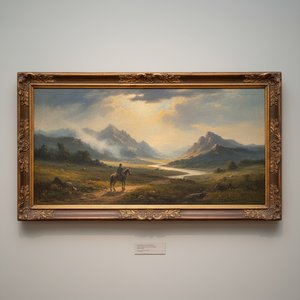
Anthony Vandyke Copley Fielding: Rediscovering a Master of Romantic Landscape
Discover the captivating landscapes of Anthony Vandyke Copley Fielding, a master of Romantic watercolour painting. Explore his life, technique, and legacy with ArtsDot – your source for museum-quality art reproductions & expert appraisal.