 Ver en contexto
 Enviar
 Compartir
 Detalles

 Descargar
 Similares
 Radiografía
 Presentación de diapositivas
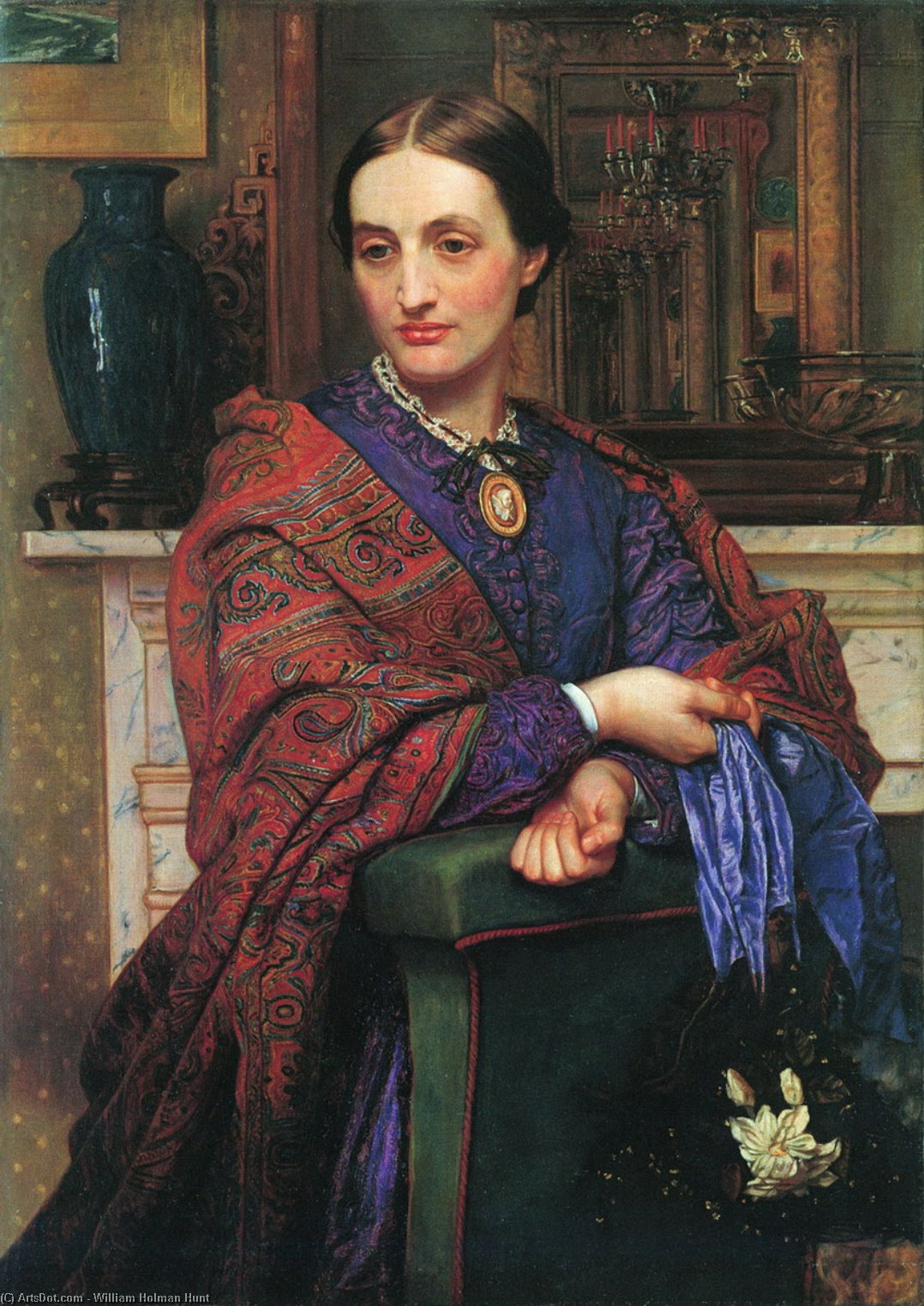
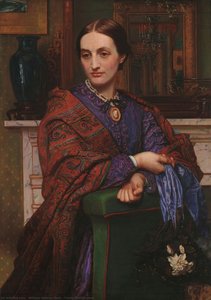
Portrait of Fanny Holman Hunt
 Oil On Canvas
- WallArt
- Pre-Raphaelite Style
 1868
1868- 19th Century
 73.0 x 106.0 cm
 Toledo Museum of Art
 Ver más
Reproducción al óleo hecha a mano
Óleo sobre lienzo pintado a mano en el tamaño y marco de su elección, realizado por encargo por nuestros artistas. ( Comprar impresión Comprar imagen)




P118B $10

P118H $10

P118W $10

P438Z $10

P508JH $12

P508YH $12

P805H $10

P805Z $10

P919BZ $10

P919G $10

P919XJ $10

P959ZH $10

P968JZ $12

W106C $8

W218G $10

W218JH $8

W218Y $10

W307PJ $10

W316G $10

W316PJ $8

W316Y $10

W398PJ $8

W4111J $10

W500HY $15

W500JH $15

W692G $12

W849H $8

W940BG $15

W953PJ $8




Elija entre nuestros tamaños predefinidos que respetan las proporciones originales de la obra.

Puede ingresar sus propias dimensiones para adaptarse a un marco o espacio específico. Si el tamaño seleccionado no coincide con las proporciones de la imagen original, recortaremos la obra o extenderemos la pintura con elementos adicionales pintados a mano. Se le enviará una maqueta digital para su aprobación antes de comenzar la producción.
Tenga en cuenta que la vista previa en pantalla no refleja el recorte o la extensión reales. Solo la maqueta mostrará con precisión la composición final.
Si bien existen tamaños personalizados, recomendamos seleccionar una dimensión de la lista predefinida para preservar las proporciones originales.
Tras realizar el pedido, el equipo de ArtsDot.com enviará un correo electrónico al cliente para solicitar instrucciones y proporcionarle una vista previa del boceto.
Envío a todo el mundo () en 3-4 semanas en lugar de las 5 semanas estándar. (1 septiembre). Sin comprometer la calidad.

Envío exprés gratuito a todo el mundo

Lienzo de lino de alta calidad

Seguro de envío total

Garantía de reembolso de impuestos aduaneros

Garantía de fidelidad cromática exacta

Política de devolución de 60 días (solo por defectos)

Garantía de devolución del 100% del dinero

Descuento por cantidad
 La opción de vidrio solo está disponible en tamaños inferiores a 110 cm.

Portrait of Fanny Holman Hunt
Técnica de reproducción
Dimensiones de la reproducción
-


Precio total final
$ 263
A Vision of Eternal Grace: The Soul in William Holman Hunt’s Portrait of Fanny
In the quiet corridors of art history, few portraits resonate with the tender, haunting intimacy found in William Holman Hunt’s 1868 masterpiece, Portrait of Fanny Holman Hunt. This is not merely a likeness of a woman; it is a profound meditation on memory, loss, and the enduring spirit. The subject, Fanny Waugh, was the artist's beloved wife, and her presence in this oil on canvas transcends the boundaries of a traditional sitter. Painted after her untimely passing due to childbirth complications, the work serves as a luminous memorial, capturing an ethereal grace that seems to exist between the physical world and the divine. For the discerning collector or designer, this piece offers more than aesthetic beauty; it provides a window into a moment of eternalized devotion.
The composition is a masterclass in the Pre-Raphaelite ethos, a movement that sought to reclaim the sincerity and vibrant clarity of art produced before the era of Raphael. Hunt rejects the muddy shadows and artificiality of contemporary academic styles, opting instead for an uncompromising precision. As one gazes upon Fanny, seated upon a plush green cushion, the eye is immediately drawn to the meticulous textures of her purple dress and the delicate shimmer of her necklace. The artist employs chiaroscuro—the dramatic interplay of light and shadow—not just to sculpt her form, but to imbue the scene with an emotional weight that feels both heavy with grief and light with spiritual hope.
Symbolism and the Pre-Raphaelite Eye
Every element within this frame is a deliberate signifier, part of what Hunt believed was the artist's duty: to reveal the correspondence between sign and fact. The arrangement of objects—the subtle presence of vases, the quiet weight of a book, and the steady passage of time suggested by a clock—creates an atmosphere of sophisticated introspection. These details are not mere decorations; they ground the ethereal subject in a tangible reality, making her spiritual yearning feel accessible to the viewer. The soft gaze directed toward an unseen horizon invites us to share in her contemplation, pulling the observer into a shared state of reverie.
< p>For those looking to integrate such a profound work into a curated interior, the painting offers a unique versatility. Its rich palette of deep purples and verdant greens provides a sophisticated anchor for classical or contemporary spaces alike. Whether placed in a sunlit library or a moody, dimly lit study, the Portrait of Fanny Holman Hunt commands attention through its quiet strength. It is an investment in emotional depth, offering a piece of Victorian idealism that continues to inspire awe and reflection in the modern age.Obras relacionadas
Biografía del artista
Primeros años y carrera
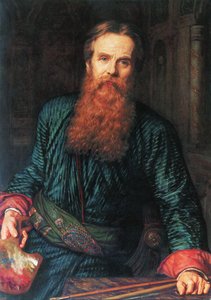
William Holman Hunt, un destacado pintor inglés, nació el 2 de abril de 1827 en Cheapside, Londres. Es más conocido por ser uno de los fundadores de la Hermandad Pre-Raphaelita, un grupo que buscaba revitalizar el arte enfatizando la observación detallada del mundo natural.Obras notables y estilo
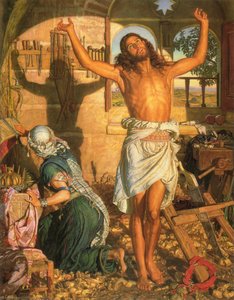
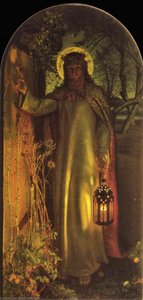
Las pinturas de Holman Hunt se caracterizan por su atención al detalle, color vívido y simbolismo elaborado. Algunas de sus obras más destacadas incluyen:- La luz del mundo (1851-1853), ahora en la capilla del Colegio Keble, Oxford, Inglaterra
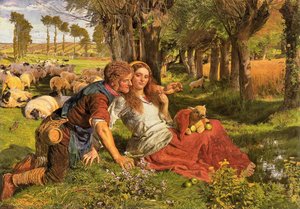
- El Pastor Engañado (1851), una escena de la vida rural moderna
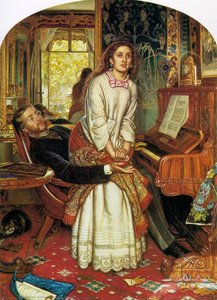
- La Conciencia Despertada, que muestra su éxito inicial con escenas naturalistas intensamente realistas
- El chivo expiatorio, La búsqueda del Salvador en el templo y La sombra de la muerte, pintadas durante sus viajes a Tierra Santa en busca de material topográfico y etnológico preciso.
Vida personal y años posteriores
Holman Hunt se casó dos veces, primero con Fanny Waugh, que modeló para varias de sus obras, incluyendo Isabela y la maceta de albahaca. Después de su muerte, esculpió su tumba en Fiesole. Su segunda esposa fue Edith, hermana de Fanny, a quien se casó en el extranjero debido a las leyes británicas contra el matrimonio con la hermana de una esposa fallecida. Los últimos años de Holman Hunt estuvieron marcados por una vista fallida, lo que le obligó a renunciar a la pintura. Completó sus últimas obras importantes con la ayuda de su asistente, Edward Robert Hughes. Holman Hunt falleció el 7 de septiembre de 1910 y fue enterrado en la Catedral de San Pablo, Londres.Legado
Holman Hunt publicó una autobiografía en 1905 y fue nombrado miembro de la Orden del Mérito por el rey Eduardo VII ese mismo año. Su vida personal fue documentada posteriormente en el libro de Diana Holman-Hunt Mi abuelo, su vida y sus amores. Vea las obras de William Holman Hunt en ArtsDot Fechas clave:- 2 de abril de 1827: nació en Cheapside, Londres
- 1851-1853: pintó La luz del mundo
- 7 de septiembre de 1910: falleció y fue enterrado en la Catedral de San Pablo, Londres
William Holman Hunt
1827 - 1910 , Reino Unido
Datos clave
- Artistas Que Influyeron:
- John Ruskin
- Dante Gabriel Rossetti
- John Everett Millais
- Estilo Artístico: Pre-Rafaelita
- Fecha De Fallecimiento: 7 de septiembre de 1910
- Fecha De Nacimiento: 2 de abril de 1827
- Lugar De Nacimiento: Cheapside, Reino Unido
- Nacionalidad: Británico
- Nombre Completo: William Holman Hunt
- Obras Notables:
- La luz del mundo
- El pastor engañado
- La conciencia despertada
Artículos relacionados
Dante Gabriel Rossetti: Las 25 Obras Maestras del Prerrafaelismo | ArtsDot
Descubre las 25 obras maestras de Dante Gabriel Rossetti, el máximo exponente del Prerrafaelismo. Explora su simbolismo, retratos victorianos y la belleza femenina en lienzos inolvidables. Reproducciones de arte exclusivas en ArtsDot.com.
Sir John Everett Millais: Pre-Raphaelite Rebellion & Victorian Narrative Detail
Explore the revolutionary art of Sir John Everett Millais & the Pre-Raphaelite Brotherhood. Discover their radical realism, symbolic narratives, and lasting impact on Victorian aesthetics. A deep dive into 19th-century masterpieces.
La Hermandad Prerrafaelita: Rebelión Estética y Romance Medieval en el Arte Victoriano
Descubre la fascinante historia de la Hermandad Prerrafaelita y su rebelión estética contra el arte victoriano. Análisis profundo de sus obras, temas y legado con expertos en arte.
Ford Madox Brown: Pre-Raphaelite Visionary & Victorian Social Commentary
Explore the life & art of Ford Madox Brown, a pivotal Pre-Raphaelite painter renowned for his powerful social commentary and masterpiece 'Work'. Discover his lasting influence on British art history.
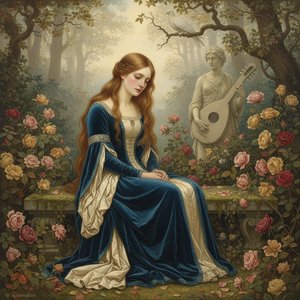
Arthur Hughes: Pre-Raphaelite Visions of Beauty & Melancholy
Explore the captivating world of Arthur Hughes (1832-1915), a leading Pre-Raphaelite painter. Discover his dreamy landscapes, poetic narratives & iconic Victorian artworks. Learn about his life, style & collecting today.