 Ver en contexto
 Enviar
 Compartir
 Detalles

 Descargar
 Similares
 Radiografía
 Presentación de diapositivas
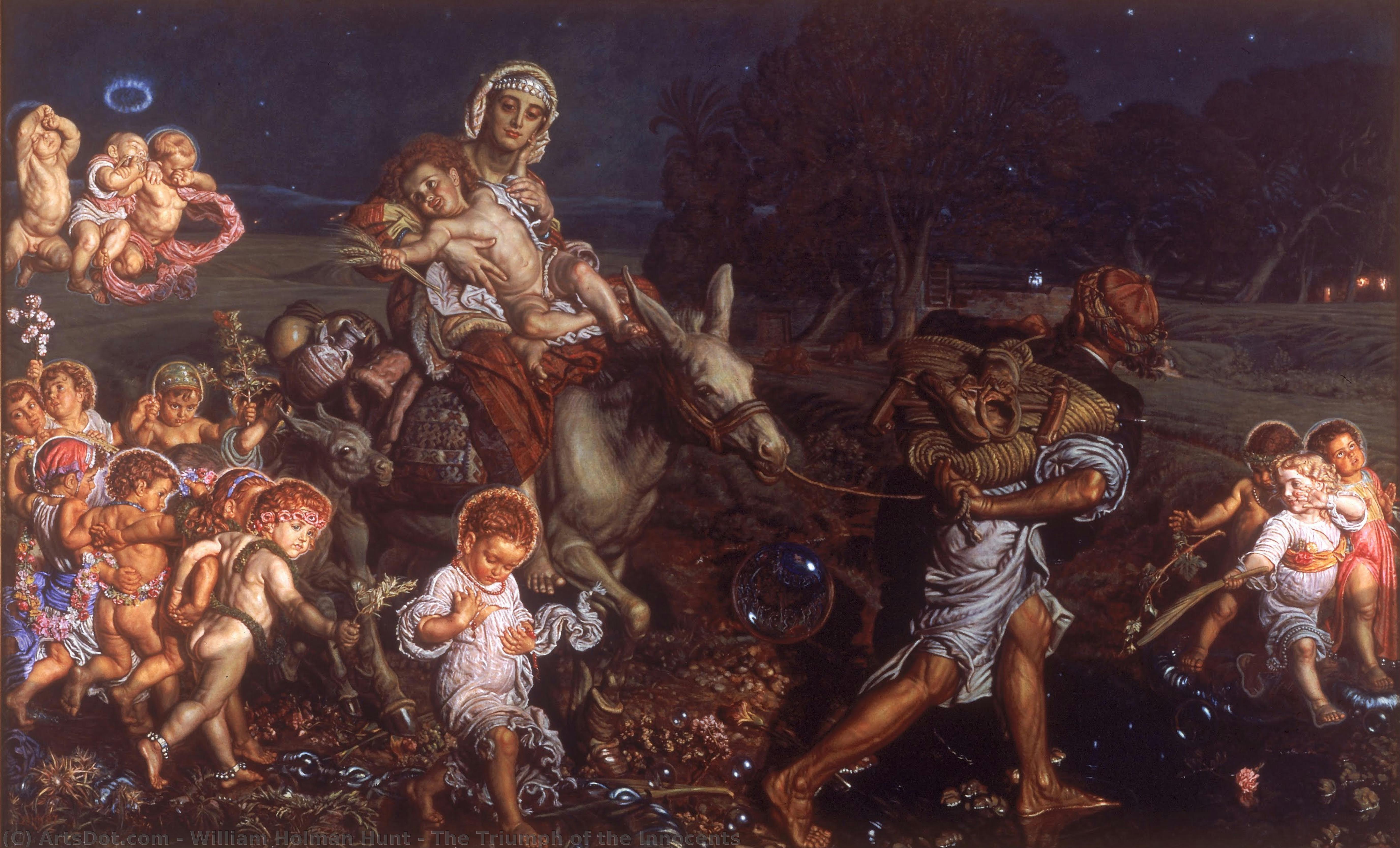
The Triumph of the Innocents
 Oil On Canvas
- WallArt
- Pre-Raphaelite
 1887
1887- 19th Century
 2477.0 x 1575.0 cm
 Galería de Arte Walker
 Ver más
Reproducción al óleo hecha a mano
Óleo sobre lienzo pintado a mano en el tamaño y marco de su elección, realizado por encargo por nuestros artistas. ( Comprar impresión Comprar imagen)




P118B $10

P118H $10

P118W $10

P438Z $10

P508JH $12

P508YH $12

P805H $10

P805Z $10

P919BZ $10

P919G $10

P919XJ $10

P959ZH $10

P968JZ $12

W106C $8

W218G $10

W218JH $8

W218Y $10

W307PJ $10

W316G $10

W316PJ $8

W316Y $10

W398PJ $8

W4111J $10

W500HY $15

W500JH $15

W692G $12

W849H $8

W940BG $15

W953PJ $8




Elija entre nuestros tamaños predefinidos que respetan las proporciones originales de la obra.

Puede ingresar sus propias dimensiones para adaptarse a un marco o espacio específico. Si el tamaño seleccionado no coincide con las proporciones de la imagen original, recortaremos la obra o extenderemos la pintura con elementos adicionales pintados a mano. Se le enviará una maqueta digital para su aprobación antes de comenzar la producción.
Tenga en cuenta que la vista previa en pantalla no refleja el recorte o la extensión reales. Solo la maqueta mostrará con precisión la composición final.
Si bien existen tamaños personalizados, recomendamos seleccionar una dimensión de la lista predefinida para preservar las proporciones originales.
Tras realizar el pedido, el equipo de ArtsDot.com enviará un correo electrónico al cliente para solicitar instrucciones y proporcionarle una vista previa del boceto.
Envío a todo el mundo () en 3-4 semanas en lugar de las 5 semanas estándar. (23 agosto). Sin comprometer la calidad.

Envío exprés gratuito a todo el mundo

Lienzo de lino de alta calidad

Seguro de envío total

Garantía de reembolso de impuestos aduaneros

Garantía de fidelidad cromática exacta

Política de devolución de 60 días (solo por defectos)

Garantía de devolución del 100% del dinero

Descuento por cantidad
 La opción de vidrio solo está disponible en tamaños inferiores a 110 cm.

The Triumph of the Innocents
Técnica de reproducción
Dimensiones de la reproducción
-


Precio total final
$ 263
Descripción de la obra
A Vision of Sacred Resilience
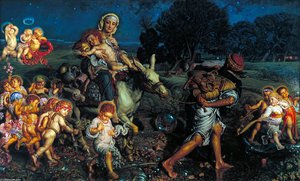
In the grand tapestry of Pre-Raphaelite mastery, few works command the viewer's attention with such profound spiritual intensity as William Holman Hunt’s "The Triumph of the Innocents." Painted in 1887, this monumental oil on canvas serves as a breathtaking window into a moment of both immense tragedy and divine hope. The scene captures the Holy Family in their desperate flight toward Egypt, seeking refuge from the shadow of King Herod’s merciless decree. Yet, Hunt transcends a mere historical depiction; he invites us into a realm where the physical and the metaphysical collide. As the figures move through the landscape, they are accompanied by the ethereal souls of the departed—the 'Holy Innocents'—encapsulated within shimmering, mystic bubbles that float like celestial orbs above the earthly struggle. This ingenious use of light and form represents the profound Jewish belief in salvation, turning a scene of fleeing refugees into a triumphant procession of the spirit.
The composition is a masterclass in narrative complexity and visual depth. At first glance, the eye is drawn to the central figures, where the tender weight of a mother cradling her child provides an emotional anchor amidst the surrounding chaos. A horse stands poised on the left, adding a sense of movement and grounded reality to the unfolding drama. As your gaze wanders through the layers of the painting, you encounter a diverse assembly of souls, some clustered in the foreground with startling clarity, others receding into a soft, atmospheric distance. The large, central bubble, which contains intricate imagery including the figure of Jacob, acts as a focal point of divine providence, reminding the viewer that even amidst the darkest human cruelty, a higher order of grace is at work.
The Precision of Pre-Raphaelite Devotion
To behold this work is to witness the pinnacle of Hunt’s technical virtuosity. As a founding member of the Pre-Raphaelite Brotherhood, Hunt rejected the polished, artificial conventions of his era in favor of an almost scientific devotion to detail and truth. Every brushstroke in "The Triumph of the Innocents" serves a purpose, contributing to a texture that feels vibrantly alive. The artist’s technique allows for a luminous quality where light does not merely hit objects but seems to emanate from within them—particularly in the translucent, pearlescent sheen of the mystical bubbles. This meticulous approach ensures that every element, from the rugged bark of the trees to the expressive folds of the travelers' garments, possesses a tactile reality that pulls the observer into the heart of the biblical narrative.
For the discerning collector or interior designer, this piece offers more than just aesthetic beauty; it provides a profound emotional resonance. The painting’s scale and dramatic subject matter make it an extraordinary centerpiece for a curated space, offering a conversation piece that bridges the gap between historical reverence and contemporary sophistication. Whether placed in a grand gallery setting or a thoughtfully designed private study, the work radiates an atmosphere of triumph over adversity. It is a masterpiece of light, shadow, and soul, perfect for those who seek to surround themselves with art that speaks to the enduring strength of the human spirit and the eternal promise of peace.
Obras relacionadas

Biografía del artista
Primeros años y carrera
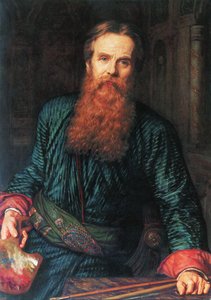
William Holman Hunt, un destacado pintor inglés, nació el 2 de abril de 1827 en Cheapside, Londres. Es más conocido por ser uno de los fundadores de la Hermandad Pre-Raphaelita, un grupo que buscaba revitalizar el arte enfatizando la observación detallada del mundo natural.Obras notables y estilo
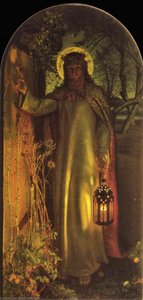
Las pinturas de Holman Hunt se caracterizan por su atención al detalle, color vívido y simbolismo elaborado. Algunas de sus obras más destacadas incluyen:- La luz del mundo (1851-1853), ahora en la capilla del Colegio Keble, Oxford, Inglaterra
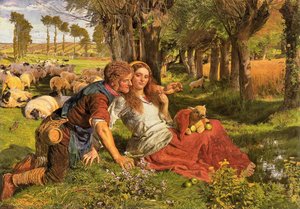
- El Pastor Engañado (1851), una escena de la vida rural moderna
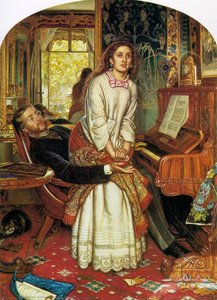
- La Conciencia Despertada, que muestra su éxito inicial con escenas naturalistas intensamente realistas
- El chivo expiatorio, La búsqueda del Salvador en el templo y La sombra de la muerte, pintadas durante sus viajes a Tierra Santa en busca de material topográfico y etnológico preciso.
Vida personal y años posteriores
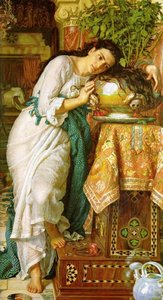
Holman Hunt se casó dos veces, primero con Fanny Waugh, que modeló para varias de sus obras, incluyendo Isabela y la maceta de albahaca. Después de su muerte, esculpió su tumba en Fiesole. Su segunda esposa fue Edith, hermana de Fanny, a quien se casó en el extranjero debido a las leyes británicas contra el matrimonio con la hermana de una esposa fallecida. Los últimos años de Holman Hunt estuvieron marcados por una vista fallida, lo que le obligó a renunciar a la pintura. Completó sus últimas obras importantes con la ayuda de su asistente, Edward Robert Hughes. Holman Hunt falleció el 7 de septiembre de 1910 y fue enterrado en la Catedral de San Pablo, Londres.Legado
Holman Hunt publicó una autobiografía en 1905 y fue nombrado miembro de la Orden del Mérito por el rey Eduardo VII ese mismo año. Su vida personal fue documentada posteriormente en el libro de Diana Holman-Hunt Mi abuelo, su vida y sus amores. Vea las obras de William Holman Hunt en ArtsDot Fechas clave:- 2 de abril de 1827: nació en Cheapside, Londres
- 1851-1853: pintó La luz del mundo
- 7 de septiembre de 1910: falleció y fue enterrado en la Catedral de San Pablo, Londres
William Holman Hunt
1827 - 1910 , Reino Unido
Datos clave
- Artistas Que Influyeron:
- John Ruskin
- Dante Gabriel Rossetti
- John Everett Millais
- Estilo Artístico: Pre-Rafaelita
- Fecha De Fallecimiento: 7 de septiembre de 1910
- Fecha De Nacimiento: 2 de abril de 1827
- Lugar De Nacimiento: Cheapside, Reino Unido
- Nacionalidad: Británico
- Nombre Completo: William Holman Hunt
- Obras Notables:
- La luz del mundo
- El pastor engañado
- La conciencia despertada
Artículos relacionados

El Óleo sobre Lienzo: Historia, Técnica y la Persistencia de un Medio Artístico Atemporal
Descubre la historia y técnica del óleo sobre lienzo. Explora reproducciones fieles hechas a mano, personalización artística y consejos de expertos con ArtsDot. ¡Colecciona arte con confianza!

The Enduring Legacy of Oil on Canvas: Technique, History & Aesthetic Impact
Explore the rich history & techniques of oil painting – from Renaissance masters to Impressionism. Discover pigments, layering methods, and why this timeless medium endures. Expert insights for artists & art enthusiasts.

The Enduring Power of Painting: A Historical & Contemporary Exploration of Form and Emotion
Explore the rich history & enduring techniques of oil painting with ArtsDot. Discover masterpieces, learn about art collecting, and find authentic handmade reproductions crafted by skilled artists.
Retratos al Óleo Personalizados: Un Legado Familiar que Perdura en el Tiempo
Crea un retrato al óleo personalizado único con ArtsDot. Artistas expertos pintan a mano tus recuerdos familiares en lienzos de calidad museo. ¡Un legado atemporal que perdurará!
Evolución de los Retratos: El Arte Personalizado como Crónica de la Vida Familiar a Través de las Generaciones
Descubre la evolución del retrato familiar y cómo convertir tus recuerdos en obras de arte atemporales. Pinturas al óleo personalizadas por artistas expertos. ¡Preserva tu legado con ArtsDot!