 Ver en contexto
 Enviar
 Compartir
 Detalles

 Descargar
 Similares
 Radiografía
 Presentación de diapositivas
 Stats
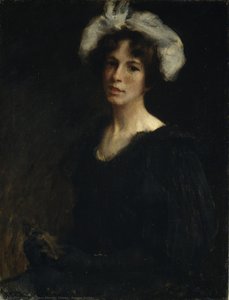
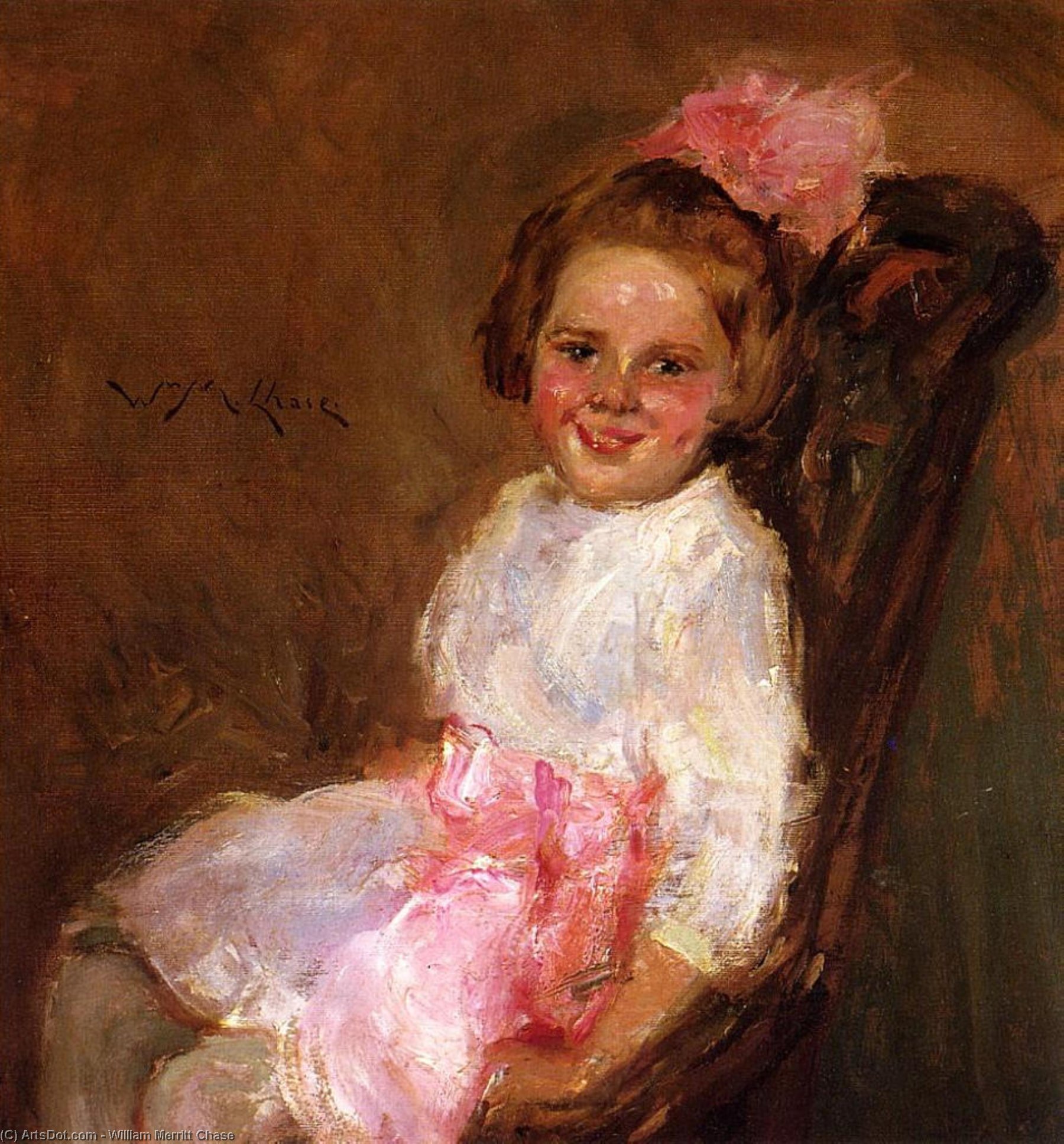
StatsPortrait of Helen, Daughter of the Artist
 Oil On Canvas
- WallArt
- Impressionism
 1900
1900 65.0 x 62.0 cm
 Ver más
Reproducción al óleo hecha a mano
Óleo sobre lienzo pintado a mano en el tamaño y marco de su elección, realizado por encargo por nuestros artistas. ( Switch to Print Switch to Digital Image)




P118B $10

P118H $10

P118W $10

P438Z $10

P508JH $12

P508YH $12

P805H $10

P805Z $10

P919BZ $10

P919G $10

P919XJ $10

P959ZH $10

P968JZ $12

W106C $8

W218G $10

W218JH $8

W218Y $10

W307PJ $10

W316G $10

W316PJ $8

W316Y $10

W398PJ $8

W4111J $10

W500HY $15

W500JH $15

W692G $12

W849H $8

W940BG $15

W953PJ $8




Elija entre nuestros tamaños predefinidos que respetan las proporciones originales de la obra.

Puede ingresar sus propias dimensiones para adaptarse a un marco o espacio específico. Si el tamaño seleccionado no coincide con las proporciones de la imagen original, recortaremos la obra o extenderemos la pintura con elementos adicionales pintados a mano. Se le enviará una maqueta digital para su aprobación antes de comenzar la producción.
Tenga en cuenta que la vista previa en pantalla no refleja el recorte o la extensión reales. Solo la maqueta mostrará con precisión la composición final.
Si bien existen tamaños personalizados, recomendamos seleccionar una dimensión de la lista predefinida para preservar las proporciones originales.
Tras realizar el pedido, el equipo de ArtsDot.com enviará un correo electrónico al cliente para solicitar instrucciones y proporcionarle una vista previa del boceto.
Envío a todo el mundo () en 3-4 semanas en lugar de las 5 semanas estándar. (8 septiembre). Sin comprometer la calidad.

Envío exprés gratuito a todo el mundo

Lienzo de lino de alta calidad

Seguro de envío total

Garantía de reembolso de impuestos aduaneros

Garantía de fidelidad cromática exacta

Política de devolución de 100 días (solo por defectos)

Garantía de devolución del 100% del dinero

Descuento por cantidad
 La opción de vidrio solo está disponible en tamaños inferiores a 110 cm.

Portrait of Helen, Daughter of the Artist
Técnica de reproducción
Dimensiones de la reproducción
-


Precio total final
$ 263
Portrait of Helen, Daughter of the Artist: A Window into American Impressionism
William Merritt Chase’s “Portrait of Helen, Daughter of the Artist,” painted in 1900, is more than just a charming depiction of childhood; it's a meticulously crafted testament to the burgeoning movement of American Impressionism. Measuring 65 x 62 cm, this oil on canvas radiates warmth and intimacy, inviting viewers into a fleeting moment of joy captured with remarkable skill. The painting immediately draws attention to Helen, the artist’s own daughter, seated gracefully in a pink dress accented by a delicate bow – an emblem of innocence and youthful beauty. Her radiant smile, directed directly at the viewer, establishes an immediate connection, suggesting a shared intimacy between subject and observer.
- Subject Matter: The central focus is undeniably Helen, presented as a symbol of domestic tranquility and artistic heritage.
- Color Palette: Chase masterfully employs a soft, harmonious palette dominated by pinks, creams, and subtle greens, creating an atmosphere of gentle light and serenity.
- Composition: The arrangement of elements – the chair, the handbag, and the partially visible figure in the background – contributes to a sense of everyday life, subtly elevating the portrait beyond a simple likeness.
The Brushstrokes of Impressionism
Chase’s technique is quintessential Impressionist, characterized by loose, expressive brushstrokes that capture the play of light and shadow with astonishing accuracy. He eschews sharp outlines in favor of blurred edges, creating an ethereal quality that seems to dissolve the subject into the surrounding atmosphere. The use of natural light – streaming from the side – illuminates Helen’s face, casting a warm glow that emphasizes her youthful features and contributes significantly to the painting's inviting mood. Notice how he builds up layers of color rather than relying on solid pigments, allowing the canvas to ‘breathe’ with reflected light.
This approach was revolutionary for its time, moving away from the academic traditions of detailed realism that dominated European art. Chase, along with other American Impressionists, sought to capture not just what things *looked* like, but how they *felt*, imbuing his work with a palpable sense of emotion and atmosphere.
Historical Context: A Nation Finding Its Artistic Voice
"Portrait of Helen, Daughter of the Artist" was created during a pivotal moment in American art history – the rise of Impressionism. Emerging from the influence of French artists like Claude Monet and Lovis Corinth, American Impressionists sought to develop their own distinct style, rooted in the unique landscapes and experiences of the United States. This painting reflects this burgeoning artistic identity, showcasing Chase’s ability to synthesize European techniques with a distinctly American sensibility.
The late 19th century was a time of rapid social and economic change in America, and art began to reflect these shifts. Impressionism captured the fleeting moments of modern life – the bustling city streets, the serene landscapes, and the intimate relationships between people – offering a new way of seeing and interpreting the world.
Symbolic Resonance and Lasting Appeal
Beyond its technical brilliance, “Portrait of Helen, Daughter of the Artist” possesses a profound symbolic resonance. It’s a tender portrayal of familial love and innocence, capturing a precious moment in time that transcends mere representation. The inclusion of the handbag and the partially visible figure adds a layer of narrative complexity, hinting at a larger social context while maintaining the focus on the central subject – Helen herself. This painting continues to resonate with viewers today because it speaks to universal themes of beauty, childhood, and connection.
Obras relacionadas
Biografía del artista
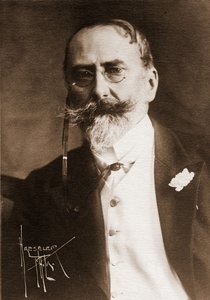
William Merritt Chase (1849-1916): Un Pionero del Impresionismo Estadounidense
William Merritt Chase fue una figura clave en el arte estadounidense de finales del siglo XIX, reconocido tanto como un destacado practicante del Impresionismo como por su influyente labor educativa. Sus vibrantes lienzos, que representan escenas de la vida cotidiana, paisajes y retratos, capturaron el espíritu de una América en rápida transformación. Más allá de sus logros artísticos, el legado de Chase se extiende a la fundación de la Escuela Chase (posteriormente Parsons The New School for Design), que desempeñó un papel crucial en la formación de generaciones de artistas estadounidenses.
Primeros Años y Desarrollo Artístico
- Nacimiento y Familia: William Merritt Chase nació el 1 de noviembre de 1849 en Williamsburg (actualmente Nineveh), Indiana. Su familia se trasladó a Indianápolis en 1861.
- Primeros Estudios: Inicialmente trabajando para el negocio familiar, Chase demostró un marcado interés por el arte desde temprana edad. Estudió con instructores locales, Barton S. Hays y Jacob Cox, mostrando considerables promesas.
- Educación Formal Comienza: Un breve período en la Marina lo llevó a mudarse a la ciudad de Nueva York en 1869, donde estudió bajo la tutela de Joseph Oriel Eaton. Posteriormente se inscribió en la National Academy of Design, aprendiendo de Lemuell Wilmarth, un alumno de Jean-Léon Gérôme.
- Dificultades Financieras y San Luis: Una crisis financiera familiar lo obligó a trasladarse a San Luis, Missouri, en 1870. Allí se involucró activamente en la escena artística local, obteniendo reconocimiento por su trabajo y exponiendo en la National Academy.
Estilo Impresionista y Obras Clave
- Abrazando el Impresionismo: Chase adoptó un estilo impresionista caracterizado por pinceladas sueltas, un enfoque en capturar momentos fugaces de luz y color, y representaciones de la vida contemporánea.
- "Keying Up – The Court Jester" (1876): Esta obra, expuesta en el Boston Art Club y en la Exposición Centenaria de Filadelfia donde ganó una medalla, se considera uno de sus primeros logros más significativos. Ejemplifica su habilidad para representar movimiento y personalidad con pinceladas enérgicas.
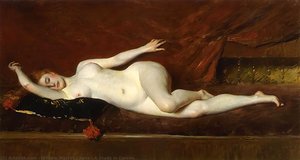
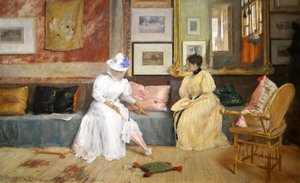
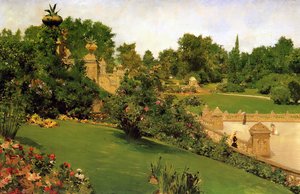
- Obras Notables: Su obra incluye impactantes retratos como Retrato de Virginia Gerson, evocadores paisajes como Gowanus Bay (también conocido como Misty Day, Gowanus Bay), y escenas que capturan la vitalidad de la vida urbana, incluyendo Alice Fernandez. Otras obras notables incluyen "A Friendly Call," "A Study in Curves," y “Terrace at the Mall, Central Park.”
- Temática: Chase frecuentemente representaba interiores domésticos, paisajes urbanos bulliciosos y actividades recreativas, reflejando su interés en retratar la vida estadounidense moderna con una sensación de inmediatez y vitalidad.
Legado Docente e Influencia
- La Escuela Chase: Un pilar del legado de Chase es la fundación de la Escuela Chase en la ciudad de Nueva York. Esta institución, que posteriormente se convirtió en Parsons The New School for Design, desempeñó un papel crucial en la formación de generaciones de artistas estadounidenses al enfatizar la observación, la técnica y la innovación artística.
- Cargos Docentes: Más allá de la Escuela Chase, ocupó cargos docentes en la Pennsylvania Academy of the Fine Arts, el Art Students League y la Brooklyn Art Association, difundiendo aún más su filosofía artística y sus habilidades.
- Influencia sobre Artistas Posteriores: Su énfasis en la observación directa y la pintura al aire libre influyó en numerosos artistas, incluyendo Wayman Elbridge Adams, quien reconoció a Chase como mentor.
Significado Histórico
William Merritt Chase ocupa una posición vital en la historia del arte estadounidense. Puenteó la brecha entre las tradiciones académicas anteriores y el emergente movimiento impresionista, contribuyendo significativamente al desarrollo de una identidad artística estadounidense distintiva. Su compromiso con la enseñanza aseguró que su enfoque innovador de la pintura continuara inspirando a generaciones de artistas, solidificando su legado tanto como un talentoso pintor como un influyente educador.
William Merritt Chase
1849 - 1916 , Estados Unidos de América
Datos clave
- Artistas Influenciados: ['Wayman Elbridge Adams']
- Artistas Que Influyeron: ['Jean-Léon Gérôme']
- Fecha De Fallecimiento: 1916
- Fecha De Nacimiento: 1 de noviembre de 1849
- Lugar De Nacimiento: Nineveh, EE. UU.
- Movimiento Artístico: Impresionismo
- Nacionalidad: Estadounidense
- Nombre Completo: William Merritt Chase
- Obras Notables:
- Retrato de Virginia Gerson
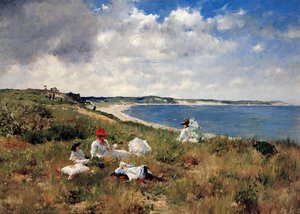
- En la costa
- Gowanus Bay
- Alice Fernandez
- Keying Up - El bufón
Artículos relacionados
Los 10 Cuadros Más Famosos en Tonos Rosa Pastel: Arte y Decoración
Descubre los 10 cuadros más icónicos en tonos rosa pastel. Explora la historia de Monet, Renoir y otros maestros del impresionismo y el arte moderno. Encuentra reproducciones de alta calidad para decorar tu hogar con .
William Merritt Chase: A Study in American Impressionism & Artistic Luminosity
Explore the life & work of William Merritt Chase, a leading American Impressionist painter and influential art educator. Discover his vibrant portraits, landscapes, and lasting legacy with ArtsDot.
Penry Williams: Evoking Welsh Nostalgia Through Impressionistic Landscapes
Explore the captivating world of Penry Williams (1802-1885), a Welsh artist renowned for his evocative Impressionistic landscapes and scenes of Italy. Discover his life, style & legacy with ArtsDot.
Los 10 Maestros del Paisaje Impresionista: Obras que Cambiaron la Historia del Arte
Descubre los 10 lienzos impresionistas que revolucionaron el arte. Explora la historia de Monet, Van Gogh y Renoir, sus técnicas y colores vibrantes. Encuentra reproducciones de alta calidad para decorar tu hogar en ArtsDot.com
Renoir: Las 25 Obras Maestras del Impresionismo para Decorar tu Hogar con Arte
Descubre las 25 obras maestras de Renoir, el rey del impresionismo. Explora su técnica, historia y significado en cada pintura. Encuentra reproducciones de arte de alta calidad para decorar tu hogar con ArtsDot.com.