 Ver en contexto
 Enviar
 Compartir
 Detalles

 Descargar
 Similares
 Radiografía
 Presentación de diapositivas
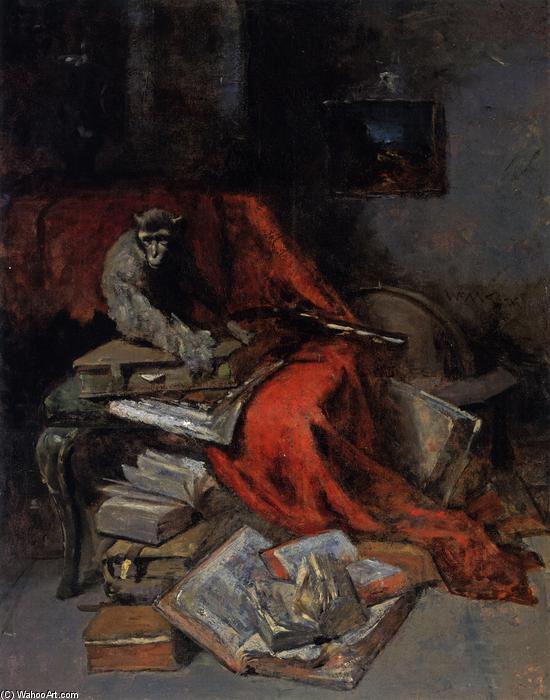
Still Life with Monkey (also known as Monkeying with Literature)


 Ver más
Giclée / Impresión de arte
Impresiones giclée o en lienzo de calidad de museo con producción rápida y opciones de acabado flexibles. ( Comprar pintura hecha a mano Comprar imagen)




P118B $10

P118H $10

P118W $10

P438Z $10

P508JH $12

P508YH $12

P805H $10

P805Z $10

P919BZ $10

P919G $10

P919XJ $10

P959ZH $10

P968JZ $12

W106C $8

W218G $10

W218JH $8

W218Y $10

W307PJ $10

W316G $10

W316PJ $8

W316Y $10

W398PJ $8

W4111J $10

W500HY $15

W500JH $15

W692G $12

W849H $8

W940BG $15

W953PJ $8




Elija entre nuestros tamaños predefinidos que respetan las proporciones originales de la obra.

Puede introducir sus propias dimensiones para adaptarse a un marco o espacio específico. Si el tamaño seleccionado no coincide con las proporciones de la imagen original, recortaremos la obra de arte o extenderemos la imagen con un borde con efecto espejo o de color sólido. Se enviará una maqueta digital para su aprobación antes de que comience la producción.
Tenga en cuenta que la vista previa en pantalla no refleja el recorte o la extensión real. Solo la maqueta mostrará con precisión la composición final.
Aunque existen tamaños personalizados, recomendamos seleccionar una dimensión de la lista predefinida para preservar las proporciones originales.
Envío a todo el mundo () en 2 semanas en lugar de las 4/5 semanas estándar. (29 agosto)

Envío exprés gratuito a todo el mundo

Lienzo de lino de alta calidad

Seguro de envío total

Garantía de reembolso de impuestos aduaneros

Garantía de fidelidad cromática exacta

Política de devolución de 60 días (solo por defectos)

Garantía de devolución del 100% del dinero

Descuento por cantidad
 La opción de vidrio solo está disponible en tamaños inferiores a 110 cm.

Still Life with Monkey (also known as Monkeying with Literature)
Giclée / Impresión de arte
Dimensiones de la reproducción
-


Precio total final
$ 62
William Merritt Chase’s “Still Life with Monkey” – A Window into American Impressionism
William Merritt Chase's "Still Life with Monkey," painted in 1878, isn’t merely a depiction of objects arranged on a table; it’s a vibrant snapshot of a burgeoning artistic movement and a subtle commentary on the human condition. Housed within the hallowed halls of the Yale University Art Gallery, this oil-on-canvas masterpiece invites viewers into a cozy domestic scene brimming with quiet observation and an undeniable sense of playful curiosity. The painting immediately establishes a warm, inviting atmosphere – a deliberate choice by Chase to draw us in and linger over its details.
At first glance, the composition appears straightforward: a monkey, perched atop a carefully stacked pile of books, dominates the center of the canvas. However, a closer examination reveals a meticulously constructed tableau. The arrangement isn’t haphazard; it's deliberately balanced, with the monkey acting as an unexpected focal point amidst the scholarly clutter. The inclusion of two chairs and a couch – extending almost to the edge of the frame – creates a sense of intimacy, suggesting a comfortable space for contemplation and perhaps even a shared moment between observer and subject.
Impressionistic Techniques & Chase’s Mastery
Chase's signature Impressionist style is powerfully evident in "Still Life with Monkey." He employs loose, visible brushstrokes—a hallmark of the movement—to capture the fleeting effects of light and shadow. The colors are rich and luminous, applied in short, broken touches that create a shimmering quality, particularly noticeable in the fabrics and the monkey’s fur. The artist masterfully utilizes *alla prima* painting – working directly onto the canvas without extensive underpainting – to achieve this immediacy and vibrancy. Note how he subtly blends the colors of the books, creating an illusion of texture and depth, while simultaneously maintaining a sense of airy lightness.
Furthermore, Chase’s understanding of perspective is remarkable. The slightly elevated viewpoint allows us to observe the scene with a degree of intimacy, as if we're seated alongside the monkey, sharing its quiet moment of observation. The careful placement of objects and the subtle variations in tone contribute to a convincing sense of three-dimensionality, defying the limitations of a two-dimensional surface.
Symbolism & The Monkey’s Significance
The inclusion of the monkey itself is laden with symbolic weight. In 1878, when the painting was created, monkeys were often associated with wit, intelligence, and even mischief – qualities that resonated strongly within the artistic circles of the time. Some art historians suggest that Chase deliberately chose this subject to challenge conventional notions of still life, injecting a touch of playful irreverence into a traditionally formal genre. The monkey’s act of reading—sitting atop the books—can be interpreted as a metaphor for intellectual curiosity and the pursuit of knowledge.
The juxtaposition of the animal with the human objects – the chairs, the couch, the books – creates an intriguing dialogue between the natural and the civilized worlds. It prompts us to consider our relationship with both, inviting reflection on themes of learning, leisure, and perhaps even a touch of playful rebellion.
A Legacy of American Art
"Still Life with Monkey" stands as a pivotal work in the development of American Impressionism. William Merritt Chase’s innovative techniques and his willingness to experiment with subject matter helped to establish a distinctly American voice within the broader European movement. His legacy extends beyond this single painting, influencing generations of artists who followed. Reproductions of this captivating artwork are available through ArtsDot.com, offering art enthusiasts the opportunity to bring this timeless masterpiece into their homes and appreciate its beauty for years to come.
Obras relacionadas

Biografía del artista
William Merritt Chase (1849-1916): Un Pionero del Impresionismo Estadounidense
William Merritt Chase fue una figura clave en el arte estadounidense de finales del siglo XIX, reconocido tanto como un destacado practicante del Impresionismo como por su influyente labor educativa. Sus vibrantes lienzos, que representan escenas de la vida cotidiana, paisajes y retratos, capturaron el espíritu de una América en rápida transformación. Más allá de sus logros artísticos, el legado de Chase se extiende a la fundación de la Escuela Chase (posteriormente Parsons The New School for Design), que desempeñó un papel crucial en la formación de generaciones de artistas estadounidenses.
Primeros Años y Desarrollo Artístico
- Nacimiento y Familia: William Merritt Chase nació el 1 de noviembre de 1849 en Williamsburg (actualmente Nineveh), Indiana. Su familia se trasladó a Indianápolis en 1861.
- Primeros Estudios: Inicialmente trabajando para el negocio familiar, Chase demostró un marcado interés por el arte desde temprana edad. Estudió con instructores locales, Barton S. Hays y Jacob Cox, mostrando considerables promesas.
- Educación Formal Comienza: Un breve período en la Marina lo llevó a mudarse a la ciudad de Nueva York en 1869, donde estudió bajo la tutela de Joseph Oriel Eaton. Posteriormente se inscribió en la National Academy of Design, aprendiendo de Lemuell Wilmarth, un alumno de Jean-Léon Gérôme.
- Dificultades Financieras y San Luis: Una crisis financiera familiar lo obligó a trasladarse a San Luis, Missouri, en 1870. Allí se involucró activamente en la escena artística local, obteniendo reconocimiento por su trabajo y exponiendo en la National Academy.
Estilo Impresionista y Obras Clave
- Abrazando el Impresionismo: Chase adoptó un estilo impresionista caracterizado por pinceladas sueltas, un enfoque en capturar momentos fugaces de luz y color, y representaciones de la vida contemporánea.
- "Keying Up – The Court Jester" (1876): Esta obra, expuesta en el Boston Art Club y en la Exposición Centenaria de Filadelfia donde ganó una medalla, se considera uno de sus primeros logros más significativos. Ejemplifica su habilidad para representar movimiento y personalidad con pinceladas enérgicas.
- Obras Notables: Su obra incluye impactantes retratos como Retrato de Virginia Gerson, evocadores paisajes como Gowanus Bay (también conocido como Misty Day, Gowanus Bay), y escenas que capturan la vitalidad de la vida urbana, incluyendo Alice Fernandez. Otras obras notables incluyen "A Friendly Call," "A Study in Curves," y “Terrace at the Mall, Central Park.”
- Temática: Chase frecuentemente representaba interiores domésticos, paisajes urbanos bulliciosos y actividades recreativas, reflejando su interés en retratar la vida estadounidense moderna con una sensación de inmediatez y vitalidad.
Legado Docente e Influencia
- La Escuela Chase: Un pilar del legado de Chase es la fundación de la Escuela Chase en la ciudad de Nueva York. Esta institución, que posteriormente se convirtió en Parsons The New School for Design, desempeñó un papel crucial en la formación de generaciones de artistas estadounidenses al enfatizar la observación, la técnica y la innovación artística.
- Cargos Docentes: Más allá de la Escuela Chase, ocupó cargos docentes en la Pennsylvania Academy of the Fine Arts, el Art Students League y la Brooklyn Art Association, difundiendo aún más su filosofía artística y sus habilidades.
- Influencia sobre Artistas Posteriores: Su énfasis en la observación directa y la pintura al aire libre influyó en numerosos artistas, incluyendo Wayman Elbridge Adams, quien reconoció a Chase como mentor.
Significado Histórico
William Merritt Chase ocupa una posición vital en la historia del arte estadounidense. Puenteó la brecha entre las tradiciones académicas anteriores y el emergente movimiento impresionista, contribuyendo significativamente al desarrollo de una identidad artística estadounidense distintiva. Su compromiso con la enseñanza aseguró que su enfoque innovador de la pintura continuara inspirando a generaciones de artistas, solidificando su legado tanto como un talentoso pintor como un influyente educador.
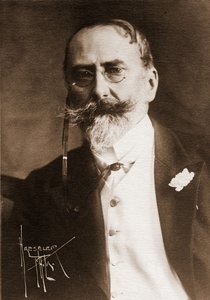
William Merritt Chase
1849 - 1916 , Estados Unidos de América
Datos clave
- Artistas Influenciados: ['Wayman Elbridge Adams']
- Artistas Que Influyeron: ['Jean-Léon Gérôme']
- Fecha De Fallecimiento: 1916
- Fecha De Nacimiento: 1 de noviembre de 1849
- Lugar De Nacimiento: Nineveh, EE. UU.
- Movimiento Artístico: Impresionismo
- Nacionalidad: Estadounidense
- Nombre Completo: William Merritt Chase
- Obras Notables:
- Retrato de Virginia Gerson
- En la costa
- Gowanus Bay
- Alice Fernandez
- Keying Up - El bufón
Artículos relacionados
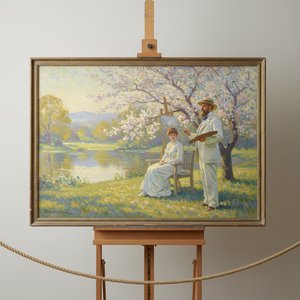
William Merritt Chase: A Study in American Impressionism & Artistic Luminosity
Explore the life & work of William Merritt Chase, a leading American Impressionist painter and influential art educator. Discover his vibrant portraits, landscapes, and lasting legacy with ArtsDot.

Paul Cézanne: Las 25 Obras Maestras que Definieron el Arte Moderno | ArtsDot
Descubre las 25 obras maestras de Paul Cézanne que revolucionaron el arte moderno. Explora su técnica, inspiración y significado en paisajes, bodegones y retratos. Reproducciones de alta calidad para decorar tu hogar con arte inolvidable. ¡Explora la colección completa en ArtsDot.com!
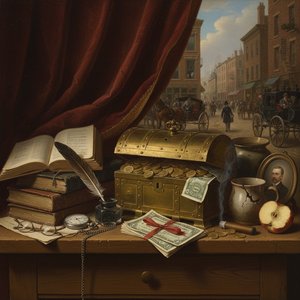
William Michael Harnett: Still Life, Realism & the American Pursuit of Materiality
Explore the captivating still lifes of William Michael Harnett, a master of American realism and trompe l'oeil painting. Discover his technique, legacy & the cultural context behind his iconic works.
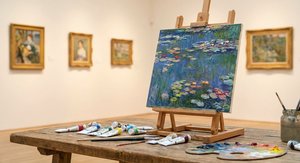
Impresionismo: 10 Obras Maestras que Capturan la Luz y el Momento
Descubre 10 obras maestras del impresionismo de Monet, Renoir y Degas. Explora la luz, el color y las historias detrás de estos icónicos cuadros. Reproducciones de arte en ArtsDot.com para decorar tu hogar con estilo.
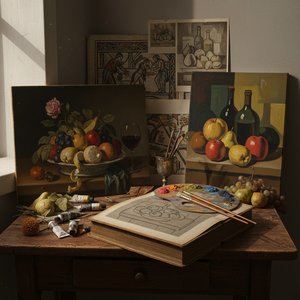
Silent Narratives: Exploring the Enduring Appeal of Still Life Painting Across Centuries
Explore the rich history of still life painting with ArtsDot. Discover Dutch Masters, decode vanitas symbolism & learn about collecting timeless art. Expert insights and museum-quality reproductions.