 Ver en contexto
 Enviar
 Compartir
 Detalles

 Descargar
 Similares
 Radiografía
 Presentación de diapositivas
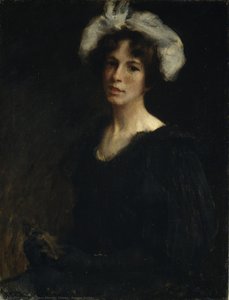
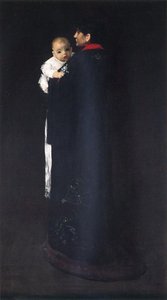
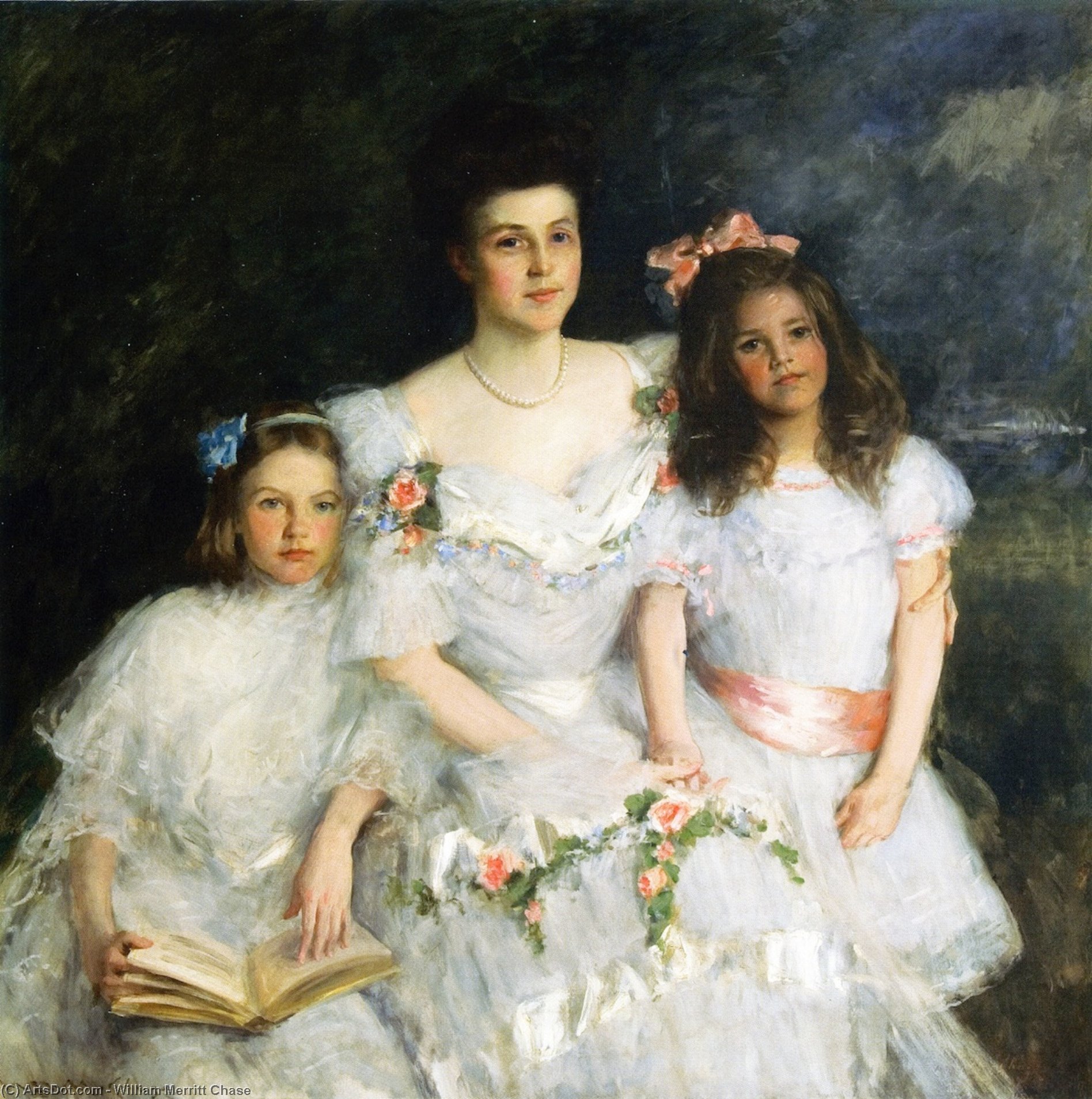
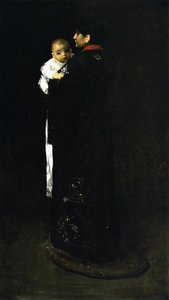
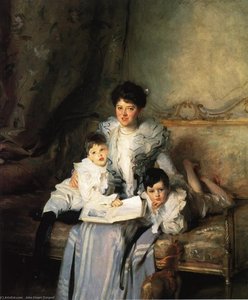
The Mother (also known as Mrs. Gustavas Cook, Lavinia Cook, Nancy Cook)


 Ver más
Giclée / Impresión de arte
Impresiones giclée o en lienzo de calidad de museo con producción rápida y opciones de acabado flexibles. ( Comprar pintura hecha a mano Comprar imagen)




P118B $10

P118H $10

P118W $10

P438Z $10

P508JH $12

P508YH $12

P805H $10

P805Z $10

P919BZ $10

P919G $10

P919XJ $10

P959ZH $10

P968JZ $12

W106C $8

W218G $10

W218JH $8

W218Y $10

W307PJ $10

W316G $10

W316PJ $8

W316Y $10

W398PJ $8

W4111J $10

W500HY $15

W500JH $15

W692G $12

W849H $8

W940BG $15

W953PJ $8




Elija entre nuestros tamaños predefinidos que respetan las proporciones originales de la obra.

Puede introducir sus propias dimensiones para adaptarse a un marco o espacio específico. Si el tamaño seleccionado no coincide con las proporciones de la imagen original, recortaremos la obra de arte o extenderemos la imagen con un borde con efecto espejo o de color sólido. Se enviará una maqueta digital para su aprobación antes de que comience la producción.
Tenga en cuenta que la vista previa en pantalla no refleja el recorte o la extensión real. Solo la maqueta mostrará con precisión la composición final.
Aunque existen tamaños personalizados, recomendamos seleccionar una dimensión de la lista predefinida para preservar las proporciones originales.
Envío a todo el mundo () en 2 semanas en lugar de las 4/5 semanas estándar. (27 agosto)

Envío exprés gratuito a todo el mundo

Lienzo de lino de alta calidad

Seguro de envío total

Garantía de reembolso de impuestos aduaneros

Garantía de fidelidad cromática exacta

Política de devolución de 60 días (solo por defectos)

Garantía de devolución del 100% del dinero

Descuento por cantidad
 La opción de vidrio solo está disponible en tamaños inferiores a 110 cm.

The Mother (also known as Mrs. Gustavas Cook, Lavinia Cook, Nancy Cook)
Giclée / Impresión de arte
Dimensiones de la reproducción
-


Precio total final
$ 62
The Mother: A Portrait of Domestic Tranquility by William Merritt Chase
William Merritt Chase’s “The Mother,” painted in 1906, is more than just a depiction of three women seated together; it's a masterful distillation of the American Impressionist movement’s fascination with capturing fleeting moments and the quiet beauty of everyday life. This work, often referred to as "Mrs. Gustavas Cook, Lavinia Cook, Nancy Cook," immediately draws the viewer into a scene brimming with warmth and intimacy, a testament to Chase’s remarkable ability to translate light and emotion onto canvas.
- Subject Matter: The painting centers around three women engaged in a relaxed tableau. Their postures – one offering a comforting gesture, another absorbed in a book, the third simply enjoying the company of her companions – speak volumes about domestic harmony and the simple pleasures of connection.
- Style & Technique: Chase’s signature Impressionistic style is fully realized here. Loose brushstrokes dance across the canvas, creating an almost shimmering effect as light plays upon the fabrics and faces. The color palette is rich and warm, dominated by golden hues that evoke a sense of serenity and nostalgia.
- Historical Context: Created at the turn of the 20th century, “The Mother” reflects a burgeoning interest in portraying American life – particularly the lives of women – with honesty and sensitivity. Chase was a key figure in establishing Impressionism within the United States, moving away from the more rigid academic traditions prevalent at the time.
Decoding the Light: Chase’s Masterful Use of Color
Chase's genius lies not just in his subject matter but also in his extraordinary manipulation of light. The dominant golden illumination isn’t merely decorative; it serves to soften the edges, creating a dreamlike quality and emphasizing the figures’ expressions. Notice how the light catches the folds of their dresses, adding depth and texture to the scene. This careful attention to light and shadow is characteristic of Impressionism's pursuit of capturing the ephemeral nature of visual experience.
- Color Palette: The use of warm earth tones – ochres, siennas, and umbers – combined with delicate pinks and whites creates a harmonious and inviting atmosphere.
- Brushwork: Chase’s broken brushstrokes are crucial to the painting's luminous effect. They allow light to reflect in multiple directions, mimicking the way light actually behaves in the real world.
Symbolism and Emotional Resonance
Beyond its technical brilliance, “The Mother” resonates with a profound sense of emotional warmth. The women’s relaxed expressions and comfortable poses suggest a deep connection – familial, platonic, or perhaps even romantic – that transcends the simple act of sitting together. The book held by one woman hints at intellectual pursuits and personal reflection, while the other's gesture suggests care and support. This quiet intimacy is what elevates the painting beyond a mere portrait to a powerful meditation on human relationships.
- Composition: The balanced composition contributes significantly to the painting’s sense of harmony and tranquility.
- Mood: The overall mood is one of peace, contentment, and familial love – emotions that continue to resonate with viewers today.
Owning a Piece of American Art History
Handmade oil painting reproductions of “The Mother” by William Merritt Chase are now available, offering art lovers the opportunity to bring this iconic work into their homes. These meticulously crafted reproductions capture the essence of Chase’s original masterpiece, allowing you to appreciate his skill and vision firsthand. Whether displayed in a formal living room or a cozy study, this painting will undoubtedly become a cherished focal point, evoking feelings of warmth, tranquility, and connection – just as it did over a century ago.
Obras relacionadas
Biografía del artista
William Merritt Chase (1849-1916): Un Pionero del Impresionismo Estadounidense
William Merritt Chase fue una figura clave en el arte estadounidense de finales del siglo XIX, reconocido tanto como un destacado practicante del Impresionismo como por su influyente labor educativa. Sus vibrantes lienzos, que representan escenas de la vida cotidiana, paisajes y retratos, capturaron el espíritu de una América en rápida transformación. Más allá de sus logros artísticos, el legado de Chase se extiende a la fundación de la Escuela Chase (posteriormente Parsons The New School for Design), que desempeñó un papel crucial en la formación de generaciones de artistas estadounidenses.
Primeros Años y Desarrollo Artístico
- Nacimiento y Familia: William Merritt Chase nació el 1 de noviembre de 1849 en Williamsburg (actualmente Nineveh), Indiana. Su familia se trasladó a Indianápolis en 1861.
- Primeros Estudios: Inicialmente trabajando para el negocio familiar, Chase demostró un marcado interés por el arte desde temprana edad. Estudió con instructores locales, Barton S. Hays y Jacob Cox, mostrando considerables promesas.
- Educación Formal Comienza: Un breve período en la Marina lo llevó a mudarse a la ciudad de Nueva York en 1869, donde estudió bajo la tutela de Joseph Oriel Eaton. Posteriormente se inscribió en la National Academy of Design, aprendiendo de Lemuell Wilmarth, un alumno de Jean-Léon Gérôme.
- Dificultades Financieras y San Luis: Una crisis financiera familiar lo obligó a trasladarse a San Luis, Missouri, en 1870. Allí se involucró activamente en la escena artística local, obteniendo reconocimiento por su trabajo y exponiendo en la National Academy.
Estilo Impresionista y Obras Clave
- Abrazando el Impresionismo: Chase adoptó un estilo impresionista caracterizado por pinceladas sueltas, un enfoque en capturar momentos fugaces de luz y color, y representaciones de la vida contemporánea.
- "Keying Up – The Court Jester" (1876): Esta obra, expuesta en el Boston Art Club y en la Exposición Centenaria de Filadelfia donde ganó una medalla, se considera uno de sus primeros logros más significativos. Ejemplifica su habilidad para representar movimiento y personalidad con pinceladas enérgicas.
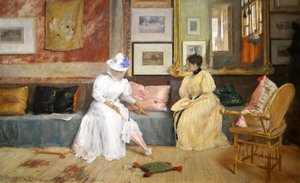
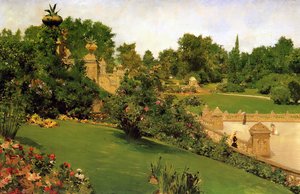
- Obras Notables: Su obra incluye impactantes retratos como Retrato de Virginia Gerson, evocadores paisajes como Gowanus Bay (también conocido como Misty Day, Gowanus Bay), y escenas que capturan la vitalidad de la vida urbana, incluyendo Alice Fernandez. Otras obras notables incluyen "A Friendly Call," "A Study in Curves," y “Terrace at the Mall, Central Park.”
- Temática: Chase frecuentemente representaba interiores domésticos, paisajes urbanos bulliciosos y actividades recreativas, reflejando su interés en retratar la vida estadounidense moderna con una sensación de inmediatez y vitalidad.
Legado Docente e Influencia
- La Escuela Chase: Un pilar del legado de Chase es la fundación de la Escuela Chase en la ciudad de Nueva York. Esta institución, que posteriormente se convirtió en Parsons The New School for Design, desempeñó un papel crucial en la formación de generaciones de artistas estadounidenses al enfatizar la observación, la técnica y la innovación artística.
- Cargos Docentes: Más allá de la Escuela Chase, ocupó cargos docentes en la Pennsylvania Academy of the Fine Arts, el Art Students League y la Brooklyn Art Association, difundiendo aún más su filosofía artística y sus habilidades.
- Influencia sobre Artistas Posteriores: Su énfasis en la observación directa y la pintura al aire libre influyó en numerosos artistas, incluyendo Wayman Elbridge Adams, quien reconoció a Chase como mentor.
Significado Histórico
William Merritt Chase ocupa una posición vital en la historia del arte estadounidense. Puenteó la brecha entre las tradiciones académicas anteriores y el emergente movimiento impresionista, contribuyendo significativamente al desarrollo de una identidad artística estadounidense distintiva. Su compromiso con la enseñanza aseguró que su enfoque innovador de la pintura continuara inspirando a generaciones de artistas, solidificando su legado tanto como un talentoso pintor como un influyente educador.
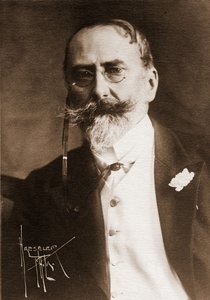
William Merritt Chase
1849 - 1916 , Estados Unidos de América
Datos clave
- Artistas Influenciados: ['Wayman Elbridge Adams']
- Artistas Que Influyeron: ['Jean-Léon Gérôme']
- Fecha De Fallecimiento: 1916
- Fecha De Nacimiento: 1 de noviembre de 1849
- Lugar De Nacimiento: Nineveh, EE. UU.
- Movimiento Artístico: Impresionismo
- Nacionalidad: Estadounidense
- Nombre Completo: William Merritt Chase
- Obras Notables:
- Retrato de Virginia Gerson
- En la costa
- Gowanus Bay
- Alice Fernandez
- Keying Up - El bufón
Artículos relacionados
William Merritt Chase: A Study in American Impressionism & Artistic Luminosity
Explore the life & work of William Merritt Chase, a leading American Impressionist painter and influential art educator. Discover his vibrant portraits, landscapes, and lasting legacy with ArtsDot.
Penry Williams: Evoking Welsh Nostalgia Through Impressionistic Landscapes
Explore the captivating world of Penry Williams (1802-1885), a Welsh artist renowned for his evocative Impressionistic landscapes and scenes of Italy. Discover his life, style & legacy with ArtsDot.
Francis Ferdinand Maurice Cook: A Study in Victorian Aestheticism & Landscape Evolution
Explore the captivating art of Sir Francis Ferdinand Maurice Cook – a British artist bridging Victorian traditions & Aestheticism. Discover his landscapes, collection history, and unique style. Expert analysis for collectors.
Los 10 Maestros del Paisaje Impresionista: Obras que Cambiaron la Historia del Arte
Descubre los 10 lienzos impresionistas que revolucionaron el arte. Explora la historia de Monet, Van Gogh y Renoir, sus técnicas y colores vibrantes. Encuentra reproducciones de alta calidad para decorar tu hogar en ArtsDot.com
Renoir: Las 25 Obras Maestras del Impresionismo para Decorar tu Hogar con Arte
Descubre las 25 obras maestras de Renoir, el rey del impresionismo. Explora su técnica, historia y significado en cada pintura. Encuentra reproducciones de arte de alta calidad para decorar tu hogar con ArtsDot.com.