

 Ver en contexto
 Enviar
 Compartir
 Detalles

 Descargar
 Similares
 Radiografía
 Presentación de diapositivas
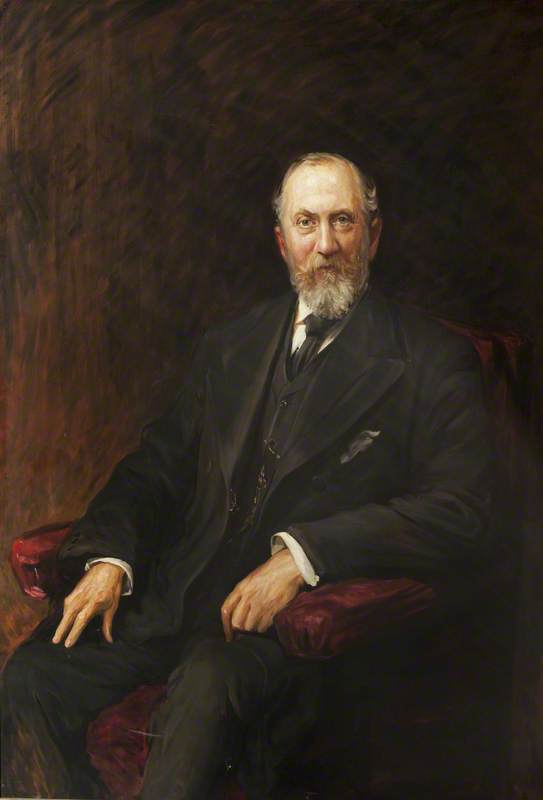
Frederick Stanley (1841–1908), 16th Earl of Derby, Guild Mayor (1902)
 1937
1937 140.0 x 116.0 cm
 Galería y Museo Harris
 Ver más
Adquiera una imagen digital de alta resolución y optimizada, muy superior a la vista previa en línea.
Cada archivo es preparado meticulosamente por nuestros especialistas internos mediante el uso de herramientas avanzadas y un experto retoque manual. Nos aseguramos de que cada imagen posea una claridad excepcional, una precisión cromática impecable y un detalle minucioso.
El archivo final se entrega por correo electrónico en un plazo de 72 horas, optimizado para su uso inmediato en entornos profesionales, editoriales y de impresión. Esta es la misma calidad en la que confían los estudios de diseño, las editoriales y las galerías de primer nivel.
Imagen Digital
Descarga un archivo de alta resolución para exhibición personal, impresión y proyectos creativos. ( Comprar impresión Comprar pintura hecha a mano)
Incluido en cada pedido de imágenes digitales
Entrega digital experta, garantizada.
Al elegir ArtsDot.com, no solo está adquiriendo una imagen; está recibiendo una obra de arte digital mejorada profesionalmente, elaborada con precisión y respaldada por una garantía de satisfacción. Esto es todo lo que incluye su pedido, automáticamente:

Entrega rápida por email
Recibirá su archivo de imagen digital en alta resolución por correo electrónico en un plazo de 72 horas tras realizar su pedido, listo para su uso inmediato.

Archivo digital optimizado por IA
Su obra de arte se optimiza profesionalmente mediante herramientas avanzadas de IA y edición manual, garantizando el máximo detalle, claridad y precisión cromática.

Reenvío gratuito de por vida
¿Has borrado o perdido tu archivo por error? No te preocupes: te lo volveremos a enviar en cualquier momento, sin coste adicional.

Sin gastos de importación, siempre
Disfrute de su obra de arte al instante sin aduanas, aranceles ni gastos de envío; las descargas digitales siempre están libres de impuestos.

Garantía de fidelidad de color
Garantizamos que su imagen digital refleje los colores originales con la mayor fidelidad posible, mediante el uso de herramientas profesionales y gestión del color.

Garantía de satisfacción de 60 días
Si no está satisfecho con su imagen digital, la revisaremos o le reembolsaremos el 100% en un plazo de 60 días, sin preguntas.

100% Garantía de devolución de dinero
¿No está satisfecho? Obtenga un reembolso completo dentro de los 60 días posteriores a la recepción de su archivo digital, sin necesidad de explicaciones.

Descuentos por pedidos grandes
Compra 3 imágenes, ahorra 10% - Compra 5, ahorra 15% - Compra 10+, ahorra 20%. Ideal para proyectos creativos, galerías y agencias.
Obras relacionadas








Biografía del artista
William Norris Simms: Bridging Impressionism and Symbolism
William Norris Simms (1885–1948) stands as a fascinating figure in the British art landscape of the early 20th century, an artist who skillfully blended the stylistic innovations of Impressionism with deeply rooted symbolic concerns. While not widely recognized today compared to his contemporaries like Walter Sickert or Cyril Leslie Stephen Marriott, Simms’s oeuvre reveals a distinctive artistic voice that deserves renewed attention. His landscapes—often bathed in atmospheric light—are imbued with layers of meaning reflecting Victorian sensibilities and a burgeoning interest in psychological exploration.Early Life and Artistic Training
Born in London, Simms received his formative artistic education at Slade School of Fine Art, where he studied under Henry Tonks and Frederic Leighton. This influential mentorship instilled within him a rigorous academic grounding alongside an appreciation for classical ideals—a duality that would permeate his subsequent artistic endeavors. Leighton’s emphasis on idealized form and narrative storytelling undoubtedly shaped Simms's approach to composition and subject matter, particularly evident in his depictions of rural scenes populated by figures engaged in contemplative activities. He absorbed the lessons of Leighton’s meticulous realism and masterful use of chiaroscuro—the dramatic interplay of light and shadow—influencing his own artistic sensibilities.The Impressionistic Influence
Despite the enduring influence of Leighton, Simms was undeniably drawn to the burgeoning Impressionist movement spearheaded by Claude Monet and Pierre-Auguste Renoir. He embraced plein air painting—working outdoors directly from nature—a technique championed by Impressionists as a means of capturing fleeting moments of light and color. This stylistic choice is particularly noticeable in works such as “The Shepherdess,” where Simms skillfully renders the hazy hues of twilight over Dartmoor, prioritizing atmospheric perspective and tonal modulation over precise detail. The artist’s palette reflects Monet's obsession with optical sensations, favoring muted shades and shimmering highlights to convey mood and emotion—a deliberate departure from the academic conventions of his time. He meticulously observed how light transformed surfaces throughout the day, striving to reproduce these ephemeral effects on canvas.Symbolic Landscapes: Exploring Inner States
Simms distinguished himself from many Impressionists by elevating landscape painting beyond mere visual representation. His canvases serve as vehicles for conveying psychological states—a characteristic that aligns him more closely with Symbolist artists like Edvard Munch and Gustav Klimt. Simms’s landscapes are populated not only by figures but also by symbolic elements—trees, rocks, and water—that resonate with archetypal imagery and evoke profound emotional responses. Recurring motifs of solitary shepherds and contemplative gazes suggest themes of introspection, melancholy, and the contemplation of mortality – ideas prevalent in Victorian literature and philosophy. He believed that art could communicate truths beyond the observable world, tapping into universal human emotions and experiences.Notable Works and Legacy
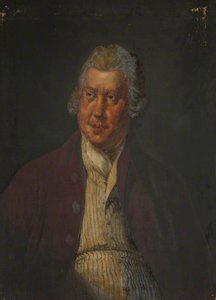
Among Simms’s most celebrated paintings are “Sir Richard Arkwright (copy after Joseph Wright),” “Frederick Stanley (16th Earl of Derby)” and “A Cornish Cottage.” These pieces exemplify his masterful technique—characterized by textured brushstrokes and a nuanced understanding of color harmony—and demonstrate his ability to distill complex emotions into visually arresting compositions. Simms’s meticulous attention to detail, combined with his expressive use of light and color, cemented his reputation as one of the foremost landscape painters of his generation. Although Simms's output remained relatively modest compared to other artists of his time, his contribution to British landscape painting is significant. He represents a crucial bridge between Impressionism’s pursuit of optical realism and Symbolism’s exploration of psychological depth, securing his place as an artist whose work continues to inspire contemplation and artistic curiosity.- Further research into Simms's life and influences can be found on Art UK: https://artuk.org/discover/artists/simm-william-norris-18851948
- Explore Simms's artistic style and techniques on ArtsDot: /en/artists/william-norris-simm-en/
Breves datos
- Artistic Movement Or Style: Impressionismo Simbolista
- Artists Who Influenced This Artist:
- Henry Tonks
- Frederic Leighton
- Date Of Birth: Living
- Full Name: William Norris Simms
- Nationality: Británico
- Notable Artworks:
- Sir Richard Arkwright
- Frederick Stanley
- Place Of Birth: Londres

