 Ver en contexto
 Enviar
 Compartir
 Detalles

 Descargar
 Similares
 Radiografía
 Presentación de diapositivas
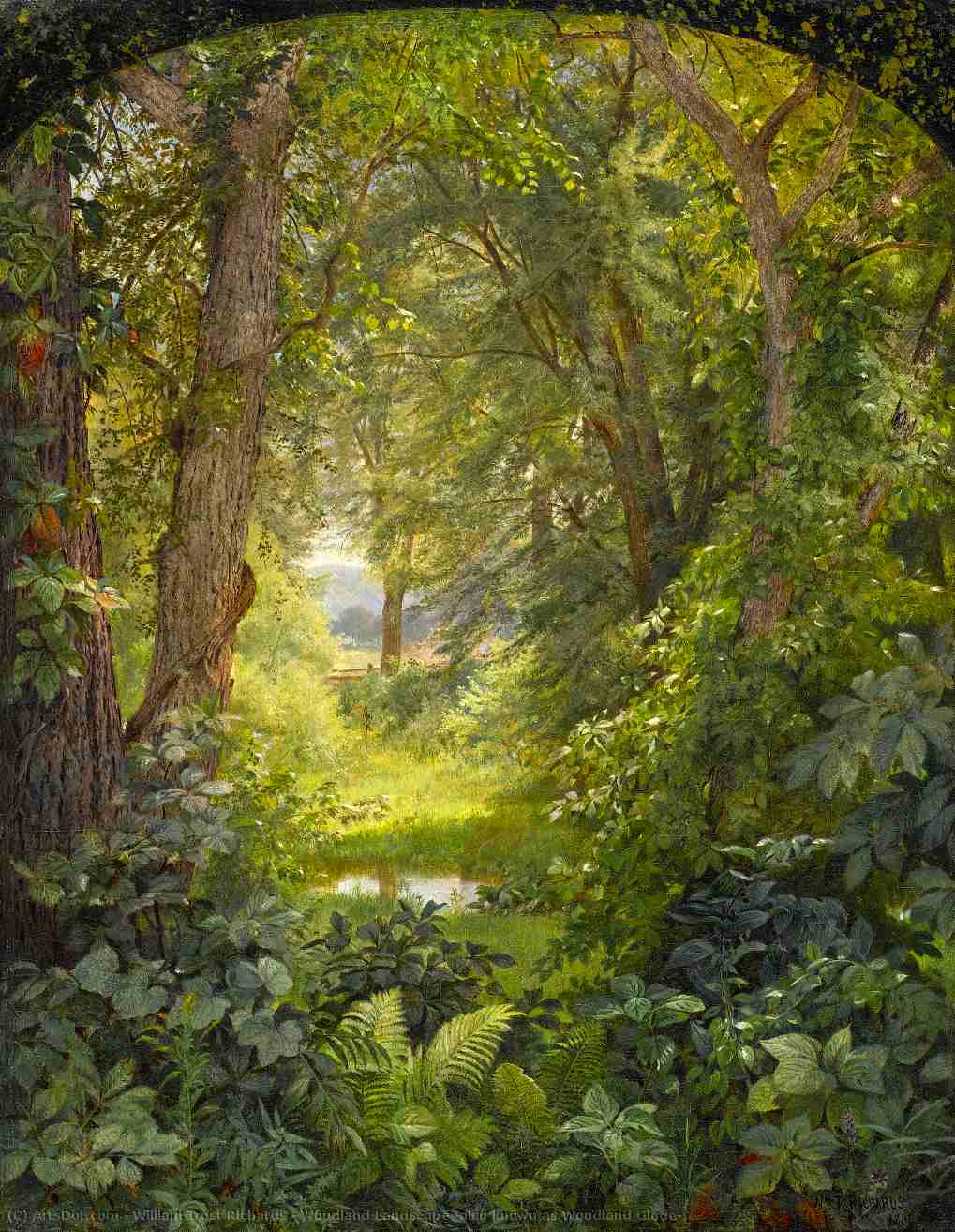
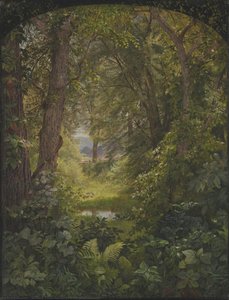
Woodland Landscape (also known as Woodland Glade)


 Ver más
Reproducción al óleo hecha a mano
Óleo sobre lienzo pintado a mano en el tamaño y marco de su elección, realizado por encargo por nuestros artistas. ( Comprar impresión Comprar imagen)




P118B $10

P118H $10

P118W $10

P438Z $10

P508JH $12

P508YH $12

P805H $10

P805Z $10

P919BZ $10

P919G $10

P919XJ $10

P959ZH $10

P968JZ $12

W106C $8

W218G $10

W218JH $8

W218Y $10

W307PJ $10

W316G $10

W316PJ $8

W316Y $10

W398PJ $8

W4111J $10

W500HY $15

W500JH $15

W692G $12

W849H $8

W940BG $15

W953PJ $8




Elija entre nuestros tamaños predefinidos que respetan las proporciones originales de la obra.

Puede ingresar sus propias dimensiones para adaptarse a un marco o espacio específico. Si el tamaño seleccionado no coincide con las proporciones de la imagen original, recortaremos la obra o extenderemos la pintura con elementos adicionales pintados a mano. Se le enviará una maqueta digital para su aprobación antes de comenzar la producción.
Tenga en cuenta que la vista previa en pantalla no refleja el recorte o la extensión reales. Solo la maqueta mostrará con precisión la composición final.
Si bien existen tamaños personalizados, recomendamos seleccionar una dimensión de la lista predefinida para preservar las proporciones originales.
Tras realizar el pedido, el equipo de ArtsDot.com enviará un correo electrónico al cliente para solicitar instrucciones y proporcionarle una vista previa del boceto.
Envío a todo el mundo () en 3-4 semanas en lugar de las 5 semanas estándar. (29 agosto). Sin comprometer la calidad.

Envío exprés gratuito a todo el mundo

Lienzo de lino de alta calidad

Seguro de envío total

Garantía de reembolso de impuestos aduaneros

Garantía de fidelidad cromática exacta

Política de devolución de 60 días (solo por defectos)

Garantía de devolución del 100% del dinero

Descuento por cantidad
 La opción de vidrio solo está disponible en tamaños inferiores a 110 cm.

Woodland Landscape (also known as Woodland Glade)
Técnica de reproducción
Dimensiones de la reproducción
-


Precio total final
$ 263
A Sanctuary of Light and Leaf: The Vision of William Trost Richards
In the heart of the American landscape tradition, few works possess the quiet, breathing vitality found in William Trost Richards’ Woodland Landscape, also known as Woodland Glade. Painted in 1860, this oil on canvas masterpiece serves as a profound window into a world where nature is not merely observed but deeply felt. The painting invites the viewer to step away from the clamor of modern existence and enter a dense, primordial forest where time seems to suspend itself. Through his masterful command of light and texture, Richards captures a moment of absolute stillness, creating a sanctuary of greenery and shadow that resonates with anyone seeking peace within the natural world.
The composition is a masterclass in depth and immersion. As your eyes wander through the lush undergrowth, you are guided by a narrow, winding pathway that beckons you toward a sun-drenched clearing in the distance. This journey from the shadowed foreground into the luminous background creates a powerful sense of movement, drawing the soul deeper into the woods. The verticality of the canvas emphasizes the towering majesty of the trees, making the viewer feel small yet intimately connected to the earth. A subtle body of water rests in the foreground, its surface acting as a mirror that reflects the intricate canopy above, doubling the beauty of the scene and adding a layer of tranquil complexity to the composition.
The Precision of a Naturalist: Technique and Style
Richards was not merely a painter; he was a meticulous observer of the natural order. Influenced by the Pre-Raphaelite movement, his technique eschews broad, sweeping gestures in favor of an almost scientific fidelity to detail. Every fern, every textured strip of bark, and every dappled patch of sunlight is rendered with extraordinary precision. This dedication to realism allows the viewer to perceive the tactile qualities of the forest—the dampness of the moss, the roughness of the ancient trunks, and the delicate translucency of leaves caught in a sunbeam.
The artist’s palette is a sophisticated symphony of organic tones. Deep, velvety greens and earthy browns provide a rich foundation, while sudden bursts of golden yellow and soft, ethereal blues peeking through the canopy prevent the scene from feeling heavy or closed. This interplay of light and shadow—the chiaroscuro of the forest floor—is what breathes life into the work. For collectors and interior designers, this balance of color makes the piece incredibly versatile; it offers a calming focal point that can anchor a room with its organic warmth while providing a sophisticated sense of classical elegance.
Symbolism and the Spiritual Journey
Beyond its physical beauty, Woodland Landscape carries a profound metaphorical weight. During the mid-19th century, the study of nature was often viewed as a path to spiritual enlightenment. Richards utilizes the landscape as an allegory for the human experience; the dense, shadowed thickets represent the complexities and uncertainties of life, while the sunlit pasture visible in the distance symbolizes the ultimate attainment of clarity and peace. The path itself is a symbol of the journey toward wisdom—a continuous movement through the shadows toward the light.
For those looking to adorn a home or gallery with a high-quality reproduction, this painting offers more than just decoration. It provides an emotional anchor. To hang such a work is to invite a sense of contemplative solitude into a space. Whether placed in a quiet study, a serene bedroom, or a grand living area, Richards’ masterpiece continues to fulfill its original purpose: to remind us that within the intricate details of the natural world, there is a profound and enduring harmony waiting to be discovered.
Obras relacionadas

Biografía del artista
Vida Temprana y Educación
William Trost Richards, un destacado artista paisajista estadounidense, nació el 14 de noviembre de 1833 en Filadelfia, Pensilvania. Entre 1850 y 1855, estudió a tiempo parcial con el artista alemán Paul Weber mientras trabajaba como diseñador e ilustrador de trabajos metálicos ornamentales.Carrera Artística
Su primera exhibición pública fue parte de una exposición en New Bedford, Massachusetts, organizada por el artista Albert Bierstadt en 1858. En 1862, fue elegido miembro honorario de la Academia Nacional de Diseño y académico en 1871. Richards pasó los veranos en la costa este durante seis años después de su regreso de un viaje de un año a Europa en 1866.Obras Notables y Estilo
Richards produjo muchas vistas acuareladas aclamadas de las Montañas Blancas, varias de las cuales ahora se encuentran en la colección del Museo Metropolitano de Arte. Sus obras se exhiben hoy en muchos museos estadounidenses importantes, incluyendo la Galería Nacional, el Museo de Arte de Saint Louis y el Museo Smithsonian de Arte Americano. El estilo de Richards se caracteriza por representaciones fácticas meticulosas, rechazando el enfoque romantizado de otros pintores del Río Hudson. Sus vistas de las Montañas Blancas son casi fotográficas en su realismo.Legado
La hija de William Trost Richards, Anna Richards Brewster, también se convirtió en pintora. Las obras de Richards se pueden encontrar en varios museos, incluyendo los mencionados anteriormente y el Museo Thyssen-Bornemisza y el Crystal Bridges Museum of American Art.- Vea la pintura de Richards "Lago Averno" en ArtsDot.com
- Explore más obras de William Trost Richards en ArtsDot.com
- Lea más sobre William Trost Richards en Wikipedia
- 14 de noviembre de 1833: Nacido en Filadelfia, Pensilvania
- 1862: Elegido miembro honorario de la Academia Nacional de Diseño
- 1871: Elegido académico
- 8 de noviembre de 1905: Falleció en Newport, Rhode Island
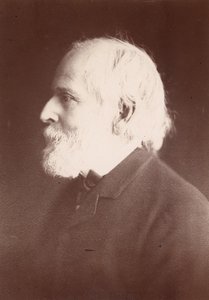
William Trost Richards
1833 - 1905 , Estados Unidos de América
Datos clave
- Artistas Influyentes:
- Paul Weber
- Albert Bierstadt
- Fecha De Fallecimiento: 8 de noviembre de 1905
- Fecha De Nacimiento: 14 de noviembre de 1833
- Lugar De Nacimiento: Filadelfia, EE. UU.
- Movimiento Artístico: Hudson River School
- Nacionalidad: Estadounidense
- Nombre Completo: William Trost Richards
- Obras Notables: ['Lago Avernus']
Artículos relacionados
William Trost Richards: Luminism, Spirituality & the American Landscape Tradition
Explore the captivating landscapes of William Trost Richards, a master of Luminism associated with both the Hudson River School & American Pre-Raphaelite movements. Discover his spiritual connection to nature and lasting influence on American art.
Dante Gabriel Rossetti: Las 25 Obras Maestras del Prerrafaelismo | ArtsDot
Descubre las 25 obras maestras de Dante Gabriel Rossetti, el máximo exponente del Prerrafaelismo. Explora su simbolismo, retratos victorianos y la belleza femenina en lienzos inolvidables. Reproducciones de arte exclusivas en ArtsDot.com.
Sir John Everett Millais: Pre-Raphaelite Rebellion & Victorian Narrative Detail
Explore the revolutionary art of Sir John Everett Millais & the Pre-Raphaelite Brotherhood. Discover their radical realism, symbolic narratives, and lasting impact on Victorian aesthetics. A deep dive into 19th-century masterpieces.

John William Waterhouse: Pre-Raphaelite Mythmaker & Poetic Depictions of Female Identity
Explore the captivating world of John William Waterhouse, a master of Pre-Raphaelite painting. Discover his iconic depictions of mythology and female identity in this expert guide.

La Hermandad Prerrafaelita: Rebelión Estética y Romance Medieval en el Arte Victoriano
Descubre la fascinante historia de la Hermandad Prerrafaelita y su rebelión estética contra el arte victoriano. Análisis profundo de sus obras, temas y legado con expertos en arte.