 Ver en contexto
 Enviar
 Compartir
 Detalles

 Descargar
 Similares
 Radiografía
 Presentación de diapositivas
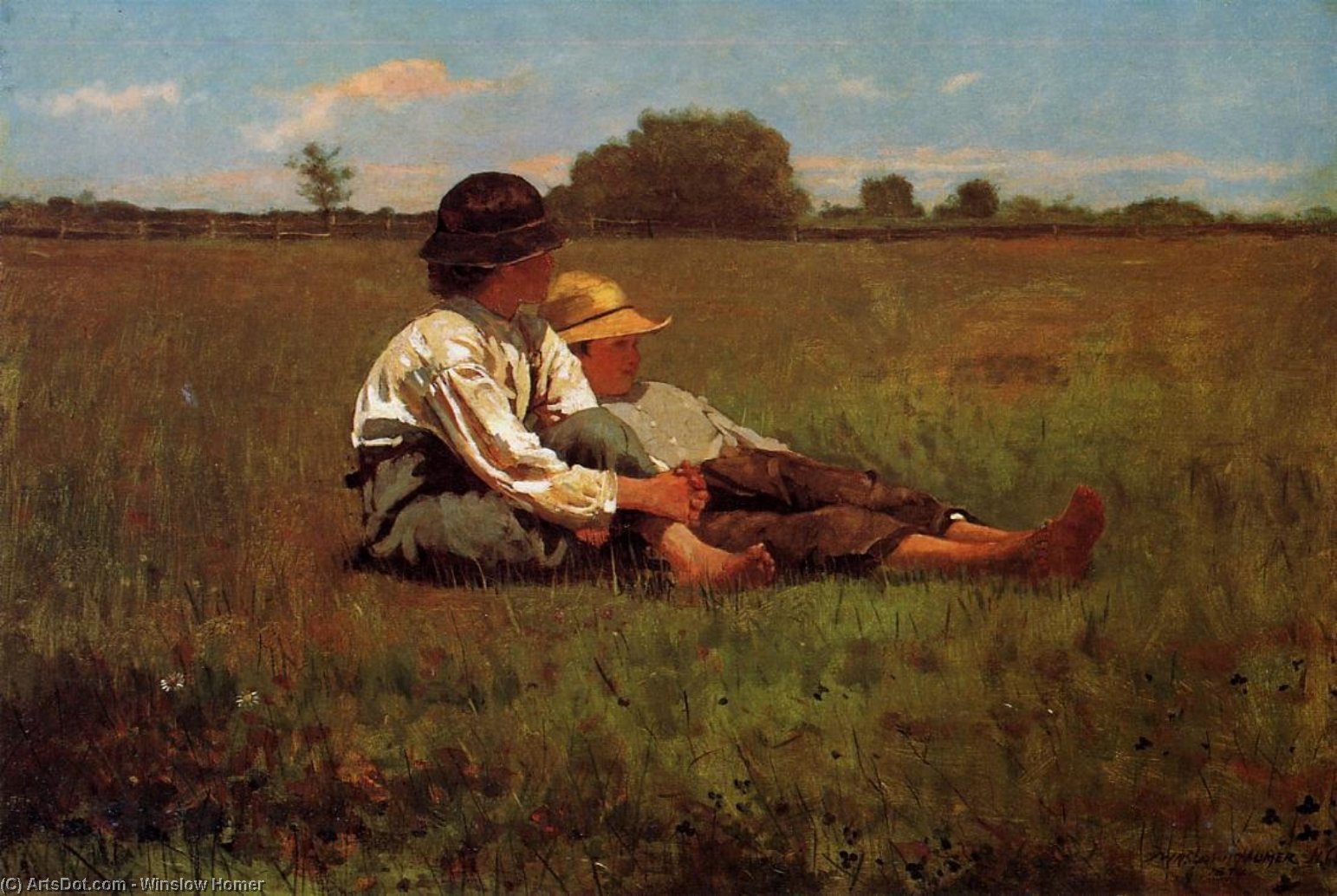
Boys in a Pasture

 Ver más
Giclée / Impresión de arte
Impresiones giclée o en lienzo de calidad de museo con producción rápida y opciones de acabado flexibles. ( Comprar pintura hecha a mano Comprar imagen)




P118B $10

P118H $10

P118W $10

P438Z $10

P508JH $12

P508YH $12

P805H $10

P805Z $10

P919BZ $10

P919G $10

P919XJ $10

P959ZH $10

P968JZ $12

W106C $8

W218G $10

W218JH $8

W218Y $10

W307PJ $10

W316G $10

W316PJ $8

W316Y $10

W398PJ $8

W4111J $10

W500HY $15

W500JH $15

W692G $12

W849H $8

W940BG $15

W953PJ $8




Elija entre nuestros tamaños predefinidos que respetan las proporciones originales de la obra.

Puede introducir sus propias dimensiones para adaptarse a un marco o espacio específico. Si el tamaño seleccionado no coincide con las proporciones de la imagen original, recortaremos la obra de arte o extenderemos la imagen con un borde con efecto espejo o de color sólido. Se enviará una maqueta digital para su aprobación antes de que comience la producción.
Tenga en cuenta que la vista previa en pantalla no refleja el recorte o la extensión real. Solo la maqueta mostrará con precisión la composición final.
Aunque existen tamaños personalizados, recomendamos seleccionar una dimensión de la lista predefinida para preservar las proporciones originales.
Envío a todo el mundo () en 2 semanas en lugar de las 4/5 semanas estándar. (25 agosto)

Envío exprés gratuito a todo el mundo

Lienzo de lino de alta calidad

Seguro de envío total

Garantía de reembolso de impuestos aduaneros

Garantía de fidelidad cromática exacta

Política de devolución de 60 días (solo por defectos)

Garantía de devolución del 100% del dinero

Descuento por cantidad
 La opción de vidrio solo está disponible en tamaños inferiores a 110 cm.

Boys in a Pasture
Giclée / Impresión de arte
Dimensiones de la reproducción
-


Precio total final
$ 62
Descripción de la pieza
A Moment of Rural Tranquility: Unpacking Winslow Homer’s “Boys in a Pasture”
Winslow Homer's "Boys in a Pasture," painted around 1874, isn’t merely a depiction of two young boys playing; it’s a profound meditation on childhood innocence, the enduring spirit of rural America, and the quiet beauty of the New England landscape. Homer, a pivotal figure in American art who rejected the rigid conventions of European academies to instead immerse himself in the realities of his native land, captures a fleeting moment of contentment – boys lost in their own world amidst a vast, sun-drenched field. The painting immediately draws the viewer in with its vibrant palette; the greens and yellows of the pasture are rendered with an almost tactile quality, suggesting warmth and abundance. Yet, beneath this surface joy lies a subtle undercurrent of nostalgia, hinting at a bygone era and the simple pleasures that often get overlooked in the rush of modern life.

The Painter’s Observation: Homer's Unique Approach
What distinguishes “Boys in a Pasture” is Homer’s deeply rooted observational style, honed during his early years as a commercial illustrator for Harper’s Weekly. Unlike many of his contemporaries who sought to emulate the grand narratives and idealized forms of European art, Homer focused on capturing the essence of American life – its people, its landscapes, and its everyday moments with remarkable clarity and detail. This approach is evident in the painting's meticulous rendering of the boys’ clothing, the texture of the grass, and the dappled sunlight filtering through the trees. He wasn’t interested in creating a polished, finished product; instead, he prioritized conveying the *feeling* of the scene – the warmth of the sun, the scent of the earth, and the unburdened joy of youth.
Homer's technique is particularly noteworthy. He employs a loose, expressive brushstroke that contributes to the painting’s sense of immediacy and spontaneity. The figures are not sharply defined but rather emerge from the landscape, blending seamlessly with their surroundings. This blurring of boundaries reinforces the idea that the boys are completely absorbed in their play, lost in a world of their own making. The composition itself is carefully constructed, utilizing a triangular arrangement formed by the boys and the straw hat to create a sense of stability and grounding within the expansive field.
Symbolism and Historical Context
Painted shortly after the American Civil War, “Boys in a Pasture” carries significant symbolic weight. The post-war era was marked by profound social and economic upheaval, but also by a yearning for renewal and a desire to rebuild communities. Homer’s depiction of two boys at play represents hope – a symbol of innocence restored and a promise of a brighter future. The painting can be interpreted as an elegy for the lost generation of soldiers and a celebration of the resilience of American youth. The vastness of the pasture itself speaks to the potential for growth, freedom, and connection with nature—values that were particularly resonant in the wake of the war.
Furthermore, Homer’s focus on rural life reflects a broader trend in 19th-century America – a growing appreciation for the virtues of simplicity, self-sufficiency, and connection to the land. This sentiment was fueled by westward expansion and the rise of agrarian ideals, which emphasized the importance of hard work, community, and a close relationship with nature.
Bringing Homer’s Vision Home: Reproductions & Interior Design
A high-quality reproduction of “Boys in a Pasture” can bring a touch of timeless beauty and nostalgic charm to any interior space. The painting's vibrant colors, evocative composition, and profound emotional resonance make it an ideal choice for living rooms, bedrooms, or studies. Consider framing the artwork in a natural wood frame to complement its rustic aesthetic, or opt for a gallery wall arrangement featuring Homer’s other iconic works depicting rural American life. The painting’s ability to evoke feelings of peace, contentment, and connection with nature makes it a truly restorative addition to any home.
Obras relacionadas
Biografía del artista
**vida temprana y carrera**
Winslow Homer, una figura destacada del arte estadounidense del siglo XIX, nació el 3 de octubre de 1836 en Cambridge, Massachusetts. Su viaje artístico comenzó como ilustrador comercial, evolucionando finalmente hasta convertirse en un maestro pintor al óleo, celebrado por sus cautivadoras representaciones de paisajes y vistas marinas.**estilo artístico y obras notables**
Caracterizado por la solidez y textura de sus pinturas al óleo, el trabajo de Homer ofrece una perspectiva profunda sobre la vida y la naturaleza americana. Algunas de sus obras notables incluyen:- *Inocencia* (alrededor de 1890), un ejemplo conmovedor de su habilidad para capturar la esencia de las emociones humanas.
- *Bodegón con fruta* (1883), que muestra su atención al detalle y el uso del color.
- *El hombre de ciencia* (1895), un testimonio de su capacidad para representar la forma humana con profundidad y sutileza.
**contribución al arte americano**
Como artista auto-haciendo, la prolífica producción de Homer en pintura al óleo y acuarela ha dejado una huella indeleble en la historia del arte estadounidense. Su toque más ligero, particularmente en acuarela, captura hermosamente el ocio y el trabajo de sus frecuentes retiros de trabajo.**legado e influencia**
**La influencia de Winslow Homer en el realismo americano es innegable.** Su obra continúa inspirando a artistas y entusiastas del arte por igual, ofreciendo una ventana única al alma de América durante el siglo XIX. Como parte integral de la colección ArtsDot.com, sus obras ahora son accesibles a un público global.- Explore más de las obras de Winslow Homer en ArtsDot.com.
- Profundice en la historia del arte y su evolución en la historia de la pintura de Wikipedia.
- Descubra el impacto del realismo en el mundo del arte con la Galería Nacional Eslovaca (Eslovaquia), destacada en el sitio web de ArtsDot.
**conclusión**
El legado artístico de Winslow Homer sirve como una reflexión atemporal sobre la vida y la belleza de los paisajes americanos. A través de su obra, nos recuerda el poder perdurable del arte para capturar la esencia de la experiencia humana.- Visualice la extensa colección de Winslow Homer en ArtsDot.com.
- Aprenda más sobre la historia del arte y sus figuras influyentes en Wikipedia.
**referencias**
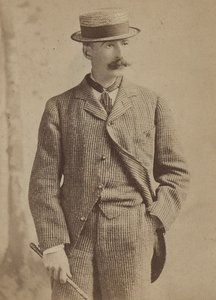
Winslow Homer
1836 - 1910 , Estados Unidos de América
Datos clave
- Artistas Influenciados: ['Posterior Realismo Americano']
- Artistas Que Influyeron:
- Barbizon School
- Gustave Courbet
- Jean-François Millet
- Fecha De Muerte: 1910
- Fecha De Nacimiento: 3 de octubre de 1836
- Lugar De Nacimiento: Boston, EE.UU.
- Movimiento Artístico: Realismo Americano
- Nacionalidad: Estadounidense
- Nombre Completo: Winslow Homer
- Obras Notables:
- Inocencia
- Bodegón con fruta
- El hombre de ciencia
- Breezing Up
- The Gulf Stream
Artículos relacionados
Winslow Homer: Las 25 Obras Maestras del Alma Americana | ArtsDot
Descubre las 25 obras maestras de Winslow Homer, el pintor estadounidense del realismo y los paisajes marinos. Explora su técnica en óleo y acuarela, e inspírate para decorar tu hogar con arte atemporal. Reproducciones de alta calidad en ArtsDot.com.
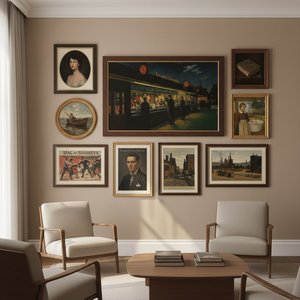
Realismo Estadounidense: 10 Obras Maestras que Cambiaron el Arte y la Decoración
Descubre 10 obras maestras del Realismo Estadounidense: Winslow Homer, Edward Hopper y más. Explora la historia, técnica y emoción de estos icónicos cuadros. Encuentra reproducciones de arte de museo en ArtsDot.com.
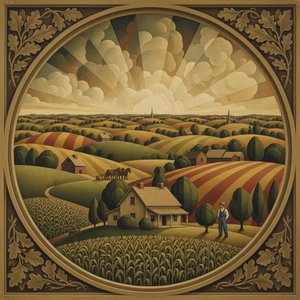
Grant Wood & American Regionalism: Identity, Myth & the Rural Landscape
Explore the world of Grant Wood & American Regionalism with ArtsDot. Discover the symbolism behind 'American Gothic', recurring themes, and the movement's lasting impact on art history. High-quality reproductions available.
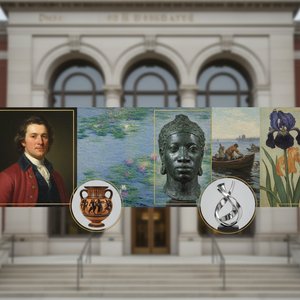
Las 25 Obras Maestras del MFA Boston: Arte, Historia y Decoración Exclusiva
Descubre las 25 obras maestras del Museo de Bellas Artes Boston. Explora la historia, el arte y las emociones detrás de Sargent, Monet, Degas y más. Reproducciones de alta calidad para tu hogar en ArtsDot.com.
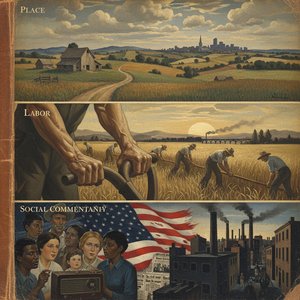
Regionalismo Americano: Un Crisol de Identidad en el Arte y la Sociedad
Explora el Regionalismo Americano: su historia, artistas clave como Benton y Wood, y su profundo compromiso con la sociedad de la Gran Depresión. Un análisis exhaustivo para amantes del arte.