 Ver en contexto
 Enviar
 Compartir
 Detalles

 Descargar
 Similares
 Radiografía
 Presentación de diapositivas
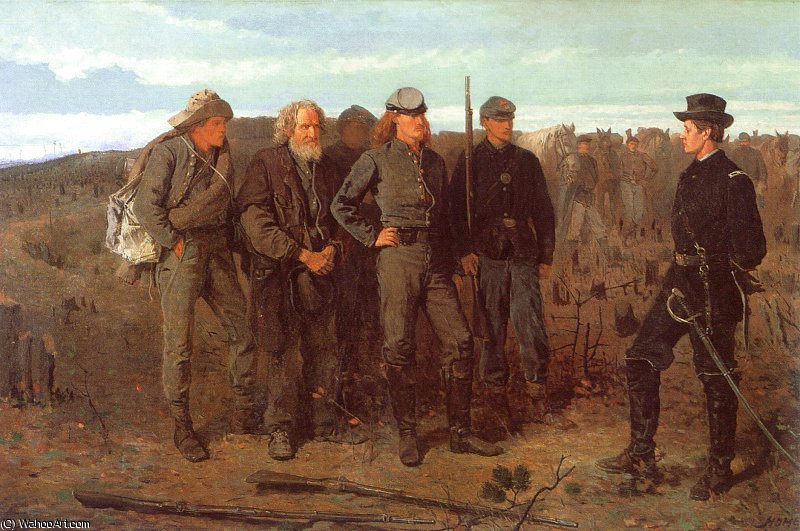
Prisoners from the Front, oil on canvas, Metropo


 Ver más
Reproducción al óleo hecha a mano
Óleo sobre lienzo pintado a mano en el tamaño y marco de su elección, realizado por encargo por nuestros artistas. ( Comprar impresión Comprar imagen)




P118B $10

P118H $10

P118W $10

P438Z $10

P508JH $12

P508YH $12

P805H $10

P805Z $10

P919BZ $10

P919G $10

P919XJ $10

P959ZH $10

P968JZ $12

W106C $8

W218G $10

W218JH $8

W218Y $10

W307PJ $10

W316G $10

W316PJ $8

W316Y $10

W398PJ $8

W4111J $10

W500HY $15

W500JH $15

W692G $12

W849H $8

W940BG $15

W953PJ $8




Elija entre nuestros tamaños predefinidos que respetan las proporciones originales de la obra.

Puede ingresar sus propias dimensiones para adaptarse a un marco o espacio específico. Si el tamaño seleccionado no coincide con las proporciones de la imagen original, recortaremos la obra o extenderemos la pintura con elementos adicionales pintados a mano. Se le enviará una maqueta digital para su aprobación antes de comenzar la producción.
Tenga en cuenta que la vista previa en pantalla no refleja el recorte o la extensión reales. Solo la maqueta mostrará con precisión la composición final.
Si bien existen tamaños personalizados, recomendamos seleccionar una dimensión de la lista predefinida para preservar las proporciones originales.
Tras realizar el pedido, el equipo de ArtsDot.com enviará un correo electrónico al cliente para solicitar instrucciones y proporcionarle una vista previa del boceto.
Envío a todo el mundo () en 3-4 semanas en lugar de las 5 semanas estándar. (26 agosto). Sin comprometer la calidad.

Envío exprés gratuito a todo el mundo

Lienzo de lino de alta calidad

Seguro de envío total

Garantía de reembolso de impuestos aduaneros

Garantía de fidelidad cromática exacta

Política de devolución de 60 días (solo por defectos)

Garantía de devolución del 100% del dinero

Descuento por cantidad
 La opción de vidrio solo está disponible en tamaños inferiores a 110 cm.

Prisoners from the Front, oil on canvas, Metropo
Técnica de reproducción
Dimensiones de la reproducción
-


Precio total final
$ 263
Descripción de la obra
A Poignant Encounter in Oil: The Quiet Dignity of Winslow Homer
In the vast, often turbulent tapestry of American art, few works capture the heavy silence of history as profoundly as Winslow Homer’s 1866 masterpiece, Prisoners from the Front. This evocative oil on canvas does not rely on the thunderous roar of cannon fire or the frantic chaos of a charging cavalry to convey the gravity of the American Civil War. Instead, Homer invites us into a moment of profound stillness—a psychological pause in the wake of conflict. The painting depicts the surrender of Confederate officers at Spotsylvania Court House, yet it eschews the typical melodrama of war art. Through his masterful command of light and shadow, Homer presents a scene where the tension is not found in movement, but in the weighted atmosphere of shared vulnerability and the somber realization of defeat.
The composition is a masterclass in understated storytelling. As we gaze upon the gathered group of soldiers, our eyes are drawn to the subtle interplay between the victor and the vanquished. Homer utilizes a muted palette, where earthy tones and desaturated hues mirror the ravaged landscape of a battlefield stripped of its vitality. This deliberate use of color creates a sense of bleakness that permeates the canvas, grounding the historical event in a palpable, almost tactile reality. The technique is remarkably precise; his brushwork captures the rugged textures of military uniforms, the weathered skin of the men, and the distant, hazy horizon with an intimacy that suggests the artist was not merely observing a scene, but feeling its weight.
Symbolism and the Human Spirit
Beyond its historical documentation, Prisoners from the Front serves as a profound meditation on human resilience. The central figures—men caught in the transition from combatants to captives—embody a quiet, stoic dignity that transcends their immediate circumstances. Homer’s focus on the faces of these soldiers allows for an exploration of individual humanity amidst collective tragedy. There is a subtle symbolism in the way the artist minimizes visual contrast between the opposing sides; by blurring the lines of enmity through shared atmosphere and similar tonal values, he hints at the possibility of post-war reconciliation and the common thread of suffering that binds all participants of war.
For the discerning collector or interior designer, this painting offers more than just a historical window; it provides an emotional anchor for a space. The work possesses a timeless quality, making it an exquisite choice for those seeking to introduce depth, intellectual rigor, and a sense of contemplative calm into a room. Whether placed in a library, a formal study, or a sophisticated gallery setting, a high-quality reproduction of this Homer classic serves as a conversation piece that invites viewers to linger, to reflect, and to find beauty in the most somber of truths.
Obras relacionadas
Biografía del artista
**vida temprana y carrera**
Winslow Homer, una figura destacada del arte estadounidense del siglo XIX, nació el 3 de octubre de 1836 en Cambridge, Massachusetts. Su viaje artístico comenzó como ilustrador comercial, evolucionando finalmente hasta convertirse en un maestro pintor al óleo, celebrado por sus cautivadoras representaciones de paisajes y vistas marinas.**estilo artístico y obras notables**
Caracterizado por la solidez y textura de sus pinturas al óleo, el trabajo de Homer ofrece una perspectiva profunda sobre la vida y la naturaleza americana. Algunas de sus obras notables incluyen:- *Inocencia* (alrededor de 1890), un ejemplo conmovedor de su habilidad para capturar la esencia de las emociones humanas.
- *Bodegón con fruta* (1883), que muestra su atención al detalle y el uso del color.
- *El hombre de ciencia* (1895), un testimonio de su capacidad para representar la forma humana con profundidad y sutileza.
**contribución al arte americano**
Como artista auto-haciendo, la prolífica producción de Homer en pintura al óleo y acuarela ha dejado una huella indeleble en la historia del arte estadounidense. Su toque más ligero, particularmente en acuarela, captura hermosamente el ocio y el trabajo de sus frecuentes retiros de trabajo.**legado e influencia**
**La influencia de Winslow Homer en el realismo americano es innegable.** Su obra continúa inspirando a artistas y entusiastas del arte por igual, ofreciendo una ventana única al alma de América durante el siglo XIX. Como parte integral de la colección ArtsDot.com, sus obras ahora son accesibles a un público global.- Explore más de las obras de Winslow Homer en ArtsDot.com.
- Profundice en la historia del arte y su evolución en la historia de la pintura de Wikipedia.
- Descubra el impacto del realismo en el mundo del arte con la Galería Nacional Eslovaca (Eslovaquia), destacada en el sitio web de ArtsDot.
**conclusión**
El legado artístico de Winslow Homer sirve como una reflexión atemporal sobre la vida y la belleza de los paisajes americanos. A través de su obra, nos recuerda el poder perdurable del arte para capturar la esencia de la experiencia humana.- Visualice la extensa colección de Winslow Homer en ArtsDot.com.
- Aprenda más sobre la historia del arte y sus figuras influyentes en Wikipedia.
**referencias**
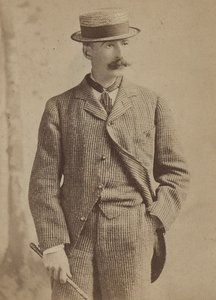
Winslow Homer
1836 - 1910 , Estados Unidos de América
Datos clave
- Artistas Influenciados: ['Posterior Realismo Americano']
- Artistas Que Influyeron:
- Barbizon School
- Gustave Courbet
- Jean-François Millet
- Fecha De Muerte: 1910
- Fecha De Nacimiento: 3 de octubre de 1836
- Lugar De Nacimiento: Boston, EE.UU.
- Movimiento Artístico: Realismo Americano
- Nacionalidad: Estadounidense
- Nombre Completo: Winslow Homer
- Obras Notables:
- Inocencia
- Bodegón con fruta
- El hombre de ciencia
- Breezing Up
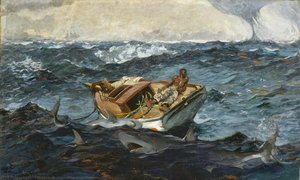
- The Gulf Stream
Artículos relacionados
Winslow Homer: Las 25 Obras Maestras del Alma Americana | ArtsDot
Descubre las 25 obras maestras de Winslow Homer, el pintor estadounidense del realismo y los paisajes marinos. Explora su técnica en óleo y acuarela, e inspírate para decorar tu hogar con arte atemporal. Reproducciones de alta calidad en ArtsDot.com.
Realismo Estadounidense: 10 Obras Maestras que Cambiaron el Arte y la Decoración
Descubre 10 obras maestras del Realismo Estadounidense: Winslow Homer, Edward Hopper y más. Explora la historia, técnica y emoción de estos icónicos cuadros. Encuentra reproducciones de arte de museo en ArtsDot.com.
Las 25 Obras Maestras del MFA Boston: Arte, Historia y Decoración Exclusiva
Descubre las 25 obras maestras del Museo de Bellas Artes Boston. Explora la historia, el arte y las emociones detrás de Sargent, Monet, Degas y más. Reproducciones de alta calidad para tu hogar en ArtsDot.com.
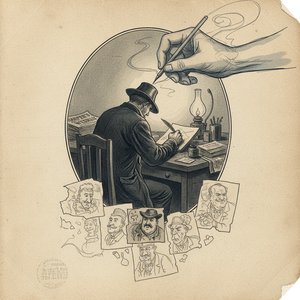
Harper's Weekly & the Anonymous Hand: Artistic Identity in 19th-Century America
Explore the fascinating world of Harper's Weekly & its often-anonymous artists! Discover Winslow Homer, Thomas Nast, and the impact of 19th-century illustration on American visual culture. A deep dive for art history enthusiasts.

Acuarelas Legendarias: 10 Obras Maestras que Transformaron el Arte | ArtsDot
Descubre 10 acuarelas legendarias de Turner, Monet y Sargent que revolucionaron el arte. Explora la historia, técnica y belleza de estas obras maestras impresionistas y románticas. Reproducciones de museo en ArtsDot.com.