

 Ver en contexto
 Enviar
 Compartir
 Detalles

 Descargar
 Similares
 Radiografía
 Presentación de diapositivas
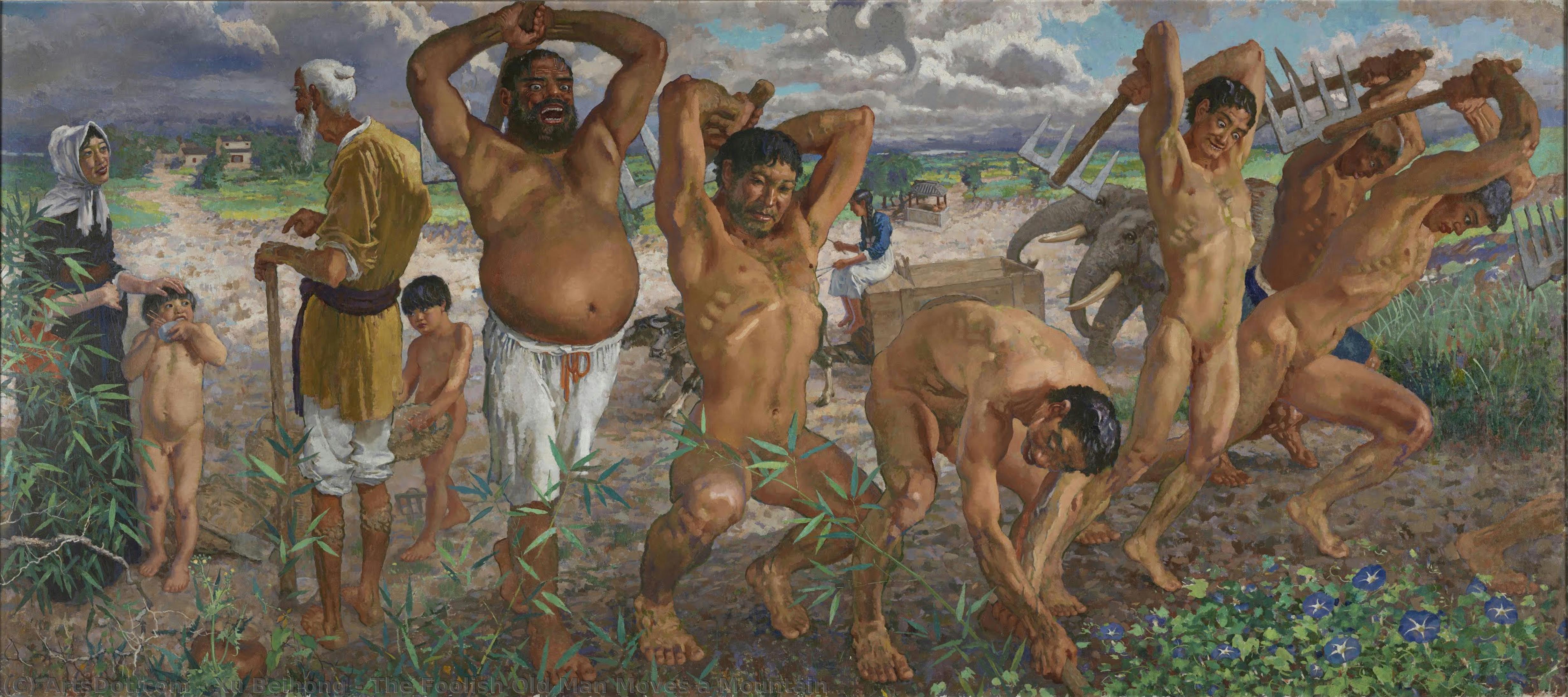
El Hombre Sordo Traslada Montañas


 Ver más
Adquiera una imagen digital de alta resolución y optimizada, muy superior a la vista previa en línea.
Cada archivo es preparado meticulosamente por nuestros especialistas internos mediante el uso de herramientas avanzadas y un experto retoque manual. Nos aseguramos de que cada imagen posea una claridad excepcional, una precisión cromática impecable y un detalle minucioso.
El archivo final se entrega por correo electrónico en un plazo de 72 horas, optimizado para su uso inmediato en entornos profesionales, editoriales y de impresión. Esta es la misma calidad en la que confían los estudios de diseño, las editoriales y las galerías de primer nivel.
Imagen Digital
Descarga un archivo de alta resolución para exhibición personal, impresión y proyectos creativos. ( Comprar impresión Comprar pintura hecha a mano)
Incluido en cada pedido de imágenes digitales
Entrega digital experta, garantizada.
Al elegir ArtsDot.com, no solo está adquiriendo una imagen; está recibiendo una obra de arte digital mejorada profesionalmente, elaborada con precisión y respaldada por una garantía de satisfacción. Esto es todo lo que incluye su pedido, automáticamente:

Entrega rápida por email
Recibirá su archivo de imagen digital en alta resolución por correo electrónico en un plazo de 72 horas tras realizar su pedido, listo para su uso inmediato.

Archivo digital optimizado por IA
Su obra de arte se optimiza profesionalmente mediante herramientas avanzadas de IA y edición manual, garantizando el máximo detalle, claridad y precisión cromática.

Reenvío gratuito de por vida
¿Has borrado o perdido tu archivo por error? No te preocupes: te lo volveremos a enviar en cualquier momento, sin coste adicional.

Sin gastos de importación, siempre
Disfrute de su obra de arte al instante sin aduanas, aranceles ni gastos de envío; las descargas digitales siempre están libres de impuestos.

Garantía de fidelidad de color
Garantizamos que su imagen digital refleje los colores originales con la mayor fidelidad posible, mediante el uso de herramientas profesionales y gestión del color.

Garantía de satisfacción de 60 días
Si no está satisfecho con su imagen digital, la revisaremos o le reembolsaremos el 100% en un plazo de 60 días, sin preguntas.

100% Garantía de devolución de dinero
¿No está satisfecho? Obtenga un reembolso completo dentro de los 60 días posteriores a la recepción de su archivo digital, sin necesidad de explicaciones.

Descuentos por pedidos grandes
Compra 3 imágenes, ahorra 10% - Compra 5, ahorra 15% - Compra 10+, ahorra 20%. Ideal para proyectos creativos, galerías y agencias.
Descripción del coleccionable
El Hombre Sordo y la Montaña: Una Historia de Perseverancia Encarnada en Óleo
La leyenda del Hombre Sordo y la Montaña (愚公移山), narrada desde tiempos antiguos en el Libro de Lieh-tzu, sigue siendo una fuente constante de inspiración para artistas chinos como Xu Beihong. Esta historia cuenta sobre un hombre anciano que, impulsado por una determinación férrea, decidió mover una montaña gigantesca que bloqueaba el camino hacia su hogar. Más allá de una simple narrativa folclórica, esta leyenda simboliza valores fundamentales como la paciencia, la voluntad y la fe en el progreso constante – principios que Xu Beihong abrazó profundamente en su obra artística.- Origen Histórico: La historia del Hombre Sordo se remonta al siglo IV a.C., pero fue reinterpretada por figuras clave como Liu Xiang en el siglo I d.C., consolidándose así como un emblema de resistencia y espíritu pionero en la cultura china.
- Xu Beihong y el Contexto Modernizador: Xu Beihong, nacido en 1895 en Yixing, Jiangsu provincia, fue uno de los artistas más influyentes del siglo XX chino. Tras estudiar en Francia y Alemania entre 1919 y 1927, desarrolló una visión innovadora que fusionaba las tradiciones clásicas con las corrientes vanguardistas occidentales como el Realismo Francés y el Expresionismo. Esta mezcla estilística reflejó la época tumultuosa de la República Popular China (1949), donde Xu Beihong desempeñó un papel esencial en impulsar el arte socialista.
- El Arte Socialista: La pintura “El Hombre Sordo y la Montaña” ejemplifica este nuevo enfoque artístico, caracterizado por una representación realista pero cargada de simbolismo político. Xu Beihong utilizó técnicas avanzadas como el óleo sobre lienzo para capturar la fuerza física y emocional del personaje principal, transmitiendo así un mensaje de esperanza y perseverancia ante los desafíos históricos.
- Estilo Técnico: La obra destaca por una composición compleja que incorpora elementos tradicionales chinos como la perspectiva fija y el uso de colores naturales, pero también adopta principios derivados del Realismo Occidental para lograr una profundidad visual impresionante. Los detalles minuciosos y las líneas sinuosa reflejan la maestría técnica del artista y su compromiso con la representación fiel de la realidad.
- Impacto Emocional: Más allá de su valor estético, “El Hombre Sordo y la Montaña” evoca sentimientos de orgullo nacional y admiración por el espíritu humano capaz de superar obstáculos aparentemente imposibles. Esta pintura sigue siendo un testimonio del legado artístico de Xu Beihong y una fuente constante de inspiración para artistas contemporáneos que buscan transmitir valores universales como la determinación y la fe en el futuro.
Obras relacionadas
Biografía del artista
A Pioneer Bridging Worlds: The Life and Art of Xu Beihong
Xu Beihong, born Xu Shoukang in 1895 in the tranquil town of Yixing, Jiangsu province, stands as a monumental figure in 20th-century Chinese art. His life was a compelling narrative of artistic evolution, dedicated to forging a new path for Chinese painting—one that harmoniously blended the rich traditions of his homeland with the innovations of Western art. From humble beginnings steeped in classical learning and traditional brushwork under the tutelage of his father, Xu Dazhang, a struggling artist himself, young Beihong’s early life was marked by both artistic promise and economic hardship. This formative period instilled within him not only technical skill but also a deep appreciation for Chinese culture and a resilient spirit that would define his career. The family's itinerant existence, painting portraits and landscapes to make ends meet, exposed him to the realities of rural China and fueled an early ambition to elevate the status of art and artists. A pivotal moment arrived when he adopted the name “Beihong,” meaning "sad wild goose," a reflection perhaps of his youthful anxieties and aspirations—a poignant symbol that would resonate throughout his life’s work.The European Awakening: Forging a New Artistic Vision
Driven by a thirst for knowledge and a desire to modernize Chinese art, Xu Beihong embarked on a transformative journey to Europe in 1917. Initially studying in Tokyo, he soon secured a coveted scholarship to the prestigious École Nationale Supérieure des Beaux-Arts in Paris. This period proved crucial in shaping his artistic philosophy and technique. Immersed in the heart of European art, he meticulously studied oil painting and drawing, mastering Western principles of perspective, composition, and realism. While embracing these new techniques, Xu Beihong remained critical of certain modernist trends prevalent at the time, favoring instead the classical traditions he encountered. He adopted the French name "Ju Péon" during his stay, a testament to his immersion in European culture—a deliberate choice that signaled his intention to synthesize Eastern and Western artistic approaches. However, it was not merely technical skill that he sought; he aimed to understand the underlying principles of Western art and adapt them to revitalize Chinese painting—a vision articulated in his later writings and teachings. This period laid the foundation for his unique artistic style, characterized by a powerful synthesis of Eastern aesthetics and Western techniques. He spent years absorbing the works of masters like Ingres and Delacroix, studying their use of light, color, and form with unwavering dedication.Iconic Motifs and Artistic Style: A Synthesis of East and West
Upon returning to China in 1927, Xu Beihong embarked on a prolific career marked by groundbreaking works that captured the spirit of a nation undergoing profound change. He quickly became renowned for his dynamic depictions of horses and birds—motifs that transcended mere representation to become powerful symbols of strength, freedom, and national pride. His horses, in particular, are celebrated for their muscularity, energy, and expressive power, often depicted galloping across vast landscapes with a sense of untamed spirit. Galloping Horse, perhaps his most iconic work, embodies this perfectly—a testament to the vitality and resilience of the Chinese people. The painting’s sweeping movement and vibrant colors convey a profound sense of dynamism and national aspiration. Beyond these signature subjects, Xu Beihong also excelled in portraiture and historical painting, demonstrating his mastery of both oil painting and traditional ink wash techniques. His style was characterized by a unique blend of bold brushstrokes, precise delineation, and a masterful command of light and shadow. He seamlessly integrated Western perspective and composition into the fluidity of Chinese brushwork, creating a visual language that was both innovative and deeply rooted in tradition. Foolish Old Man Who Removed the Mountains, inspired by a traditional Chinese fable, exemplifies his ability to imbue classical themes with modern energy and social commentary—a testament to his intellectual depth and artistic versatility.Legacy and Influence: Shaping Modern Chinese Art Education
Xu Beihong’s impact extended far beyond his own artistic creations; he was also a pioneering art educator who profoundly shaped the development of modern Chinese art education. After returning to China, he held teaching positions at several prestigious universities, including National Central University and Peking University, where he tirelessly advocated for curriculum reform. He championed the incorporation of Western sketching and oil painting techniques into traditional Chinese art programs, believing that this integration was essential for revitalizing Chinese artistic expression. His approach wasn’t about discarding tradition but rather enriching it with new tools and perspectives. Following the founding of the People's Republic of China in 1949, he became president of the Central Academy of Fine Arts and chairman of the China Artists Association, further solidifying his influence on the nation’s artistic landscape. He trained generations of artists who went on to become leading figures in Chinese art, carrying forward his vision of a modern yet culturally grounded aesthetic. Xu Beihong's emphasis on artistic conception, the importance of life experiences, and the integration of Eastern and Western traditions left an indelible mark on Chinese art history, cementing his legacy as one of its most influential figures. His work continues to inspire artists and captivate audiences worldwide, serving as a powerful reminder of the enduring power of art to bridge cultures and transcend boundaries.Key Works
- Galloping Horse (1946): Arguably his most famous painting, embodying Chinese strength and dynamism.
- Foolish Old Man Who Removed the Mountains (1938): A masterful blend of traditional storytelling and modern artistic techniques.
- Portrait of Xu Beihong (1927): A self-portrait reflecting his evolving artistic style and philosophical outlook.
- Mother and Daughter (1935): Demonstrates his ability to capture human emotion with both realism and sensitivity.
Further Resources
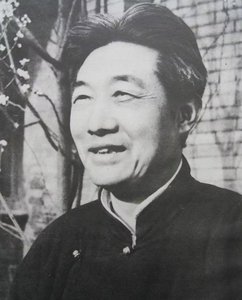
Xu Beihong
1895 - 1953 , China
Breves datos
- Artistic Movement Or Style: Modern Chinese painting
- Artists Or Movements Influenced By This Artist: ['Western Art']
- Date Of Birth: 1895-07-19
- Date Of Death: 1953-09-26
- Full Name: Xu Beihong
- Nationality: Chinese
- Notable Artworks:
- Galloping Horse
- Foolish Old Man...
- Mother and Daughter
- Place Of Birth: Yixing, China

