

 Ver en contexto
 Enviar
 Compartir
 Detalles

 Descargar
 Similares
 Radiografía
 Presentación de diapositivas
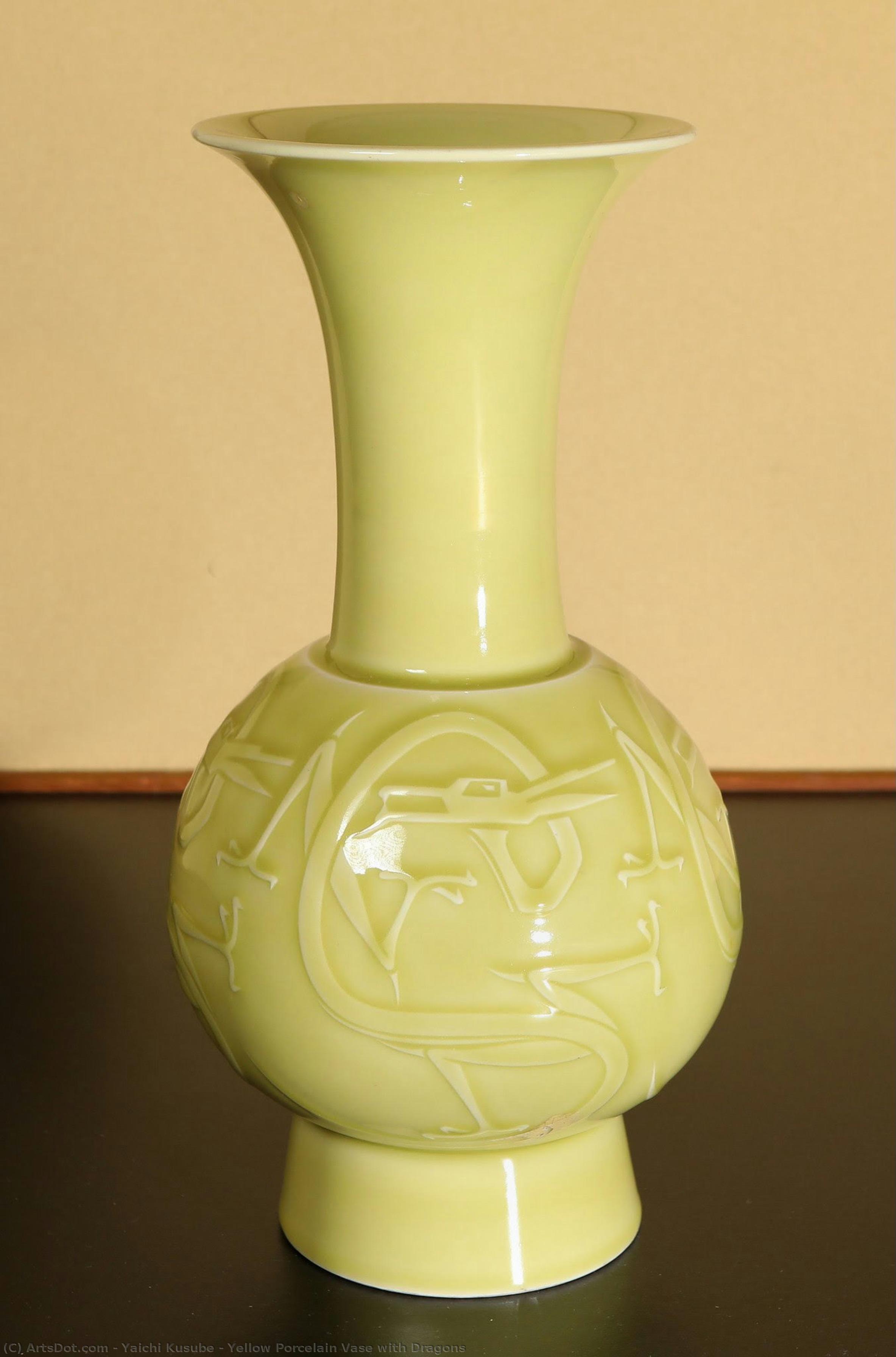
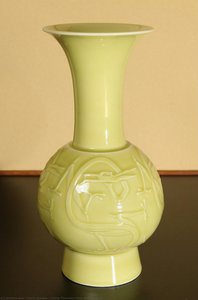
Yellow Porcelain Vase with Dragons
 39.0 x 19.0 cm
 Ver más
Reproducción al óleo hecha a mano
Óleo sobre lienzo pintado a mano en el tamaño y marco de su elección, realizado por encargo por nuestros artistas. ( Comprar impresión Comprar imagen)




































Elija entre nuestros tamaños predefinidos que respetan las proporciones originales de la obra.

Puede ingresar sus propias dimensiones para adaptarse a un marco o espacio específico. Si el tamaño seleccionado no coincide con las proporciones de la imagen original, recortaremos la obra o extenderemos la pintura con elementos adicionales pintados a mano. Se le enviará una maqueta digital para su aprobación antes de comenzar la producción.
Tenga en cuenta que la vista previa en pantalla no refleja el recorte o la extensión reales. Solo la maqueta mostrará con precisión la composición final.
Si bien existen tamaños personalizados, recomendamos seleccionar una dimensión de la lista predefinida para preservar las proporciones originales.
Tras realizar el pedido, el equipo de ArtsDot.com enviará un correo electrónico al cliente para solicitar instrucciones y proporcionarle una vista previa del boceto.
Envío a todo el mundo () en 3-4 semanas en lugar de las 5 semanas estándar. (31 agosto). Sin comprometer la calidad.

Envío exprés gratuito a todo el mundo

Lienzo de lino de alta calidad

Seguro de envío total

Garantía de reembolso de impuestos aduaneros

Garantía de fidelidad cromática exacta

Política de devolución de 60 días (solo por defectos)

Garantía de devolución del 100% del dinero

Descuento por cantidad
 La opción de vidrio solo está disponible en tamaños inferiores a 110 cm.

Yellow Porcelain Vase with Dragons
Técnica de reproducción
Dimensiones de la reproducción
-


Precio total final
$ 263
Obras relacionadas






Biografía del artista
Yaichi Kusube: A Kyoto Legacy in Porcelain
Yaichi Kusube (1897 – 1984) stands as a pivotal figure in the history of Kyoto ceramics, embodying the spirit of meticulous craftsmanship and profound artistic vision that defined Japan’s golden age of porcelain production. Born in Kyoto's Higashiyama district—a region steeped in tradition and renowned for its artisan heritage—Kusube’s connection to pottery began early in life, nurtured by his father’s operation of a pottery factory. This formative experience instilled within him an unwavering dedication to mastering the art form, shaping his entire artistic trajectory. His formal education commenced at the Kyoto City Ceramics Examination Center Training School in 1912, where he forged enduring friendships with fellow artists Kazusou Yagi and Kitaro Kawamura. Graduating in 1915, Kusube’s talent was recognized through an incentive prize awarded at a ceramics youth association exhibition—a testament to his burgeoning artistic promise. He subsequently established a studio in Awatayama, embarking on a lifelong pursuit of excellence as a potter. The collaborative spirit thrived during this period, fostering connections with artisans like Tsunei Kawakami, Junkichi Mukai, and Tatsuaki Kuroda, individuals who shared his passion for preserving and innovating upon traditional techniques. The establishment of ‘Akado’ in 1920 marked a significant milestone; Kusube joined forces with Yagi, Kawamura, Michibayashi, Kawai, and Araya to form this influential pottery group. Akado quickly gained acclaim, culminating in its inaugural red clay exhibition held in Takashimaya, Osaka—a pivotal moment showcasing the collective artistry of Kyoto’s ceramic community. Kusube's work was subsequently recognized internationally at exhibitions including the Japanese Crafts Exhibition and purchased by the Ministry of Imperial Household in 1926. Further collaborations solidified his reputation, notably with Yoyo-kai, comprising Yagi, Kawamura, and others. A breakthrough came in 1924 when Kusube participated in the Paris World’s Fair, securing prestigious awards—a triumph that mirrored success at the Paris World’s Fair of 1936. These accolades underscored his artistic prowess and cemented his place among Japan's leading ceramic masters. Throughout his career, Kusube remained steadfastly committed to exploring themes of nature and mythology, particularly dragons – symbols of power, wisdom, and auspiciousness—which frequently appeared in his porcelain creations. His landscapes were rendered with breathtaking detail, capturing the serene beauty of Kyoto’s hillsides and gardens. Kusube's legacy extends beyond individual artworks; he played a crucial role in shaping the broader artistic landscape of Kyoto during the interwar years. He championed the revival of Kutani ware—a celebrated style characterized by vibrant colors and intricate designs—and actively promoted its dissemination as a symbol of Japanese cultural heritage. Yaichi Kusube’s dedication to preserving tradition while embracing innovation ensured that his contributions would endure, securing his position as an irreplaceable figure in Kyoto's artistic history.- Early Life & Education: Kusube was born into a family deeply rooted in the ceramic traditions of Kyoto. His father ran a pottery factory, providing him with invaluable experience from a young age.
- Academic Pursuits: He attended the Kyoto City Ceramics Examination Center Training School, where he cultivated friendships with fellow artists Yagi Kazusou and Kawamura Kitaro—relationships that would prove instrumental in his artistic development.
- The Akado Group & Recognition Abroad: Kusube’s involvement with ‘Akado,’ alongside prominent Kyoto ceramicists, garnered international acclaim. Exhibitions at the Japanese Crafts Exhibition and purchases by the Ministry of Imperial Household highlighted his growing reputation.
- Technique & Artistic Vision: Kusube mastered a diverse range of ceramic techniques, prioritizing graceful forms and incorporating symbolic imagery—particularly dragons—into his landscapes and decorative pieces.
- Later Years & Legacy: He continued to refine his craft until his passing in 1984, leaving behind a remarkable body of work that exemplifies the spirit of Kyoto ceramics and its enduring contribution to Japanese art.
Yaichi Kusube
1897 - 1984 , Japón
Datos clave
- Artistic Movement Or Style: Cerámica de Kioto
- Date Of Birth: 1897
- Full Name: Yaichi Kusube
- Nationality: Japonés
- Notable Artworks: ['Tazón amarillo con dragones']
- Place Of Birth: Kyoto, Japón

