

 Ver en contexto
 Enviar
 Compartir
 Detalles

 Descargar
 Similares
 Radiografía
 Presentación de diapositivas
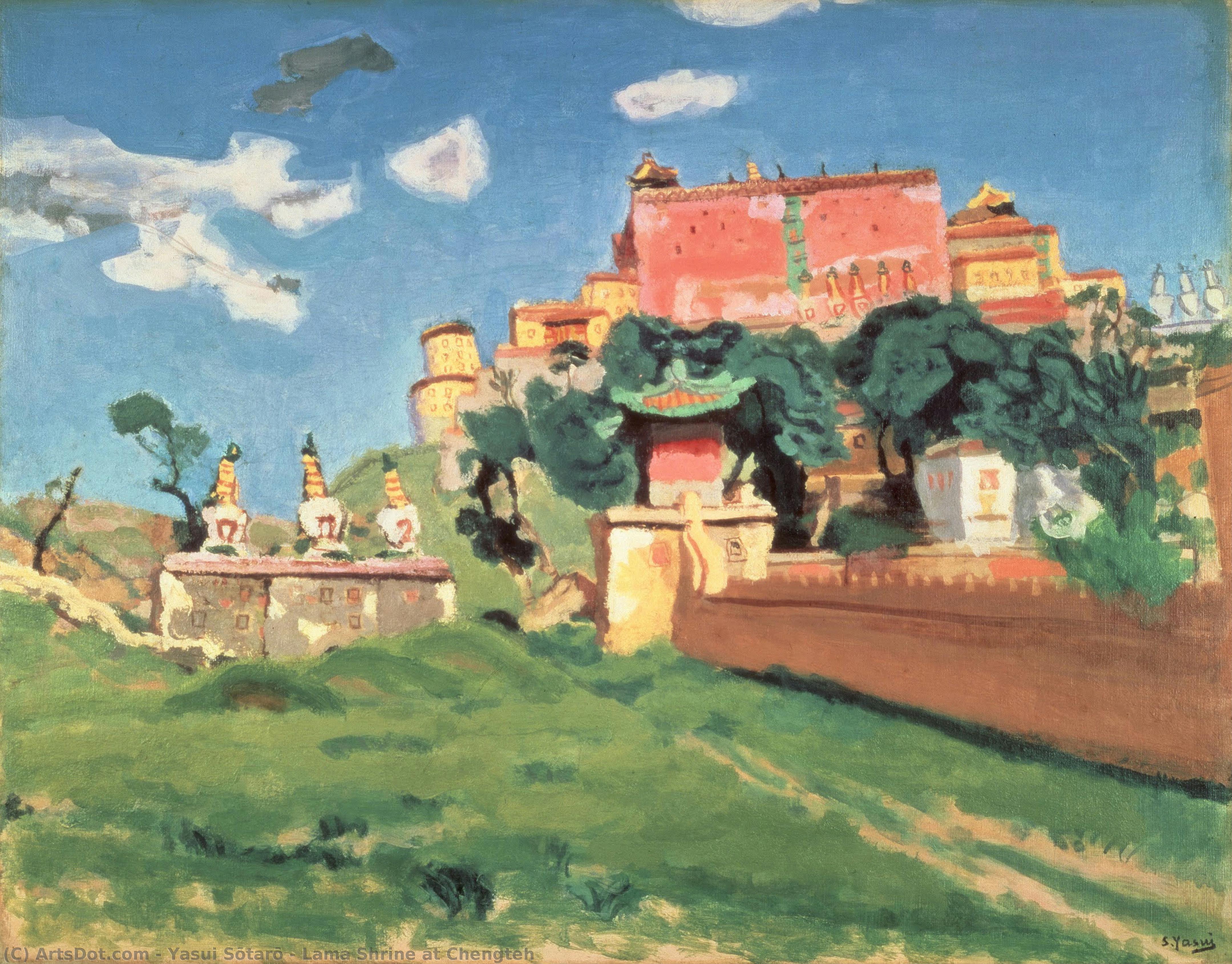
Lama Shrine at Chengteh


 Ver más
Adquiera una imagen digital de alta resolución y optimizada, muy superior a la vista previa en línea.
Cada archivo es preparado meticulosamente por nuestros especialistas internos mediante el uso de herramientas avanzadas y un experto retoque manual. Nos aseguramos de que cada imagen posea una claridad excepcional, una precisión cromática impecable y un detalle minucioso.
El archivo final se entrega por correo electrónico en un plazo de 72 horas, optimizado para su uso inmediato en entornos profesionales, editoriales y de impresión. Esta es la misma calidad en la que confían los estudios de diseño, las editoriales y las galerías de primer nivel.
Imagen Digital
Descarga un archivo de alta resolución para exhibición personal, impresión y proyectos creativos. ( Comprar impresión Comprar pintura hecha a mano)
Incluido en cada pedido de imágenes digitales
Entrega digital experta, garantizada.
Al elegir ArtsDot.com, no solo está adquiriendo una imagen; está recibiendo una obra de arte digital mejorada profesionalmente, elaborada con precisión y respaldada por una garantía de satisfacción. Esto es todo lo que incluye su pedido, automáticamente:

Entrega rápida por email
Recibirá su archivo de imagen digital en alta resolución por correo electrónico en un plazo de 72 horas tras realizar su pedido, listo para su uso inmediato.

Archivo digital optimizado por IA
Su obra de arte se optimiza profesionalmente mediante herramientas avanzadas de IA y edición manual, garantizando el máximo detalle, claridad y precisión cromática.

Reenvío gratuito de por vida
¿Has borrado o perdido tu archivo por error? No te preocupes: te lo volveremos a enviar en cualquier momento, sin coste adicional.

Sin gastos de importación, siempre
Disfrute de su obra de arte al instante sin aduanas, aranceles ni gastos de envío; las descargas digitales siempre están libres de impuestos.

Garantía de fidelidad de color
Garantizamos que su imagen digital refleje los colores originales con la mayor fidelidad posible, mediante el uso de herramientas profesionales y gestión del color.

Garantía de satisfacción de 100 días
Si no está satisfecho con su imagen digital, la revisaremos o le reembolsaremos el 100% en un plazo de 100 días, sin preguntas.

100% Garantía de devolución de dinero
¿No está satisfecho? Obtenga un reembolso completo dentro de los 100 días posteriores a la recepción de su archivo digital, sin necesidad de explicaciones.

Descuentos por pedidos grandes
Compra 3 imágenes, ahorra 10% - Compra 5, ahorra 15% - Compra 10+, ahorra 20%. Ideal para proyectos creativos, galerías y agencias.
A Vision of Serenity: The Radiant Lama Shrine at Chengteh
In the vast, sweeping landscapes of northern China, there exists a place where history and spirituality converge under the watchful eye of the heavens. Lama Shrine at Chengteh, a masterpiece by the esteemed Japanese painter Yasui Sōtarō, captures this ethereal moment with breathtaking clarity. Created in 1938, the painting transports the viewer to the Hebei province, specifically to the city of Chengteh—a location once cherished as a summer retreat by emperors. The artwork depicts a Tibetan Buddhist temple perched majestically atop a sun-drenched hill, its vibrant architecture glowing against an expanse of crystalline blue sky. Through Sōtarō’s eyes, we do not merely see a landscape; we experience a moment of profound stillness and light.
The composition is a masterclass in balance and visual storytelling. At the heart of the piece stands the red castle-like structure of the shrine, acting as a powerful focal point that anchors the entire scene. This architectural weight is softened by the delicate presence of life scattered throughout the canvas; tiny figures move through the foreground and middle ground, their small scale emphasizing the grandeur of the mountains and the infinite sky. Even the heavens are alive, with two birds drifting lazily through the azure void, adding a sense of movement and breath to an otherwise tranquil scene. For the collector or interior designer, this painting offers a window into a world of peace, making it an ideal centerpiece for spaces designed for contemplation and elegance.
The Mastery of the Yasui Style
To understand the brilliance of this work, one must look toward Sōtarō’s unique artistic lineage. Having trained in the prestigious studios of Paris under masters like Jean-Paul Laurens, Sōtarō brought a sophisticated European sensibility back to Japan, blending Western oil techniques with a deeply rooted Japanese aesthetic. In Lama Shrine at Chengteh, this fusion is palpable. The artist employs bold, almost deformed shapes and broad, confident brushstrokes that lend a modern, rhythmic energy to the painting plane. This technique, characteristic of his mature period, moves away from mere imitation of reality toward a more expressive, "vivid sensibility" that prioritizes emotional truth over photographic precision.
The color palette is nothing short of transformative. The striking contrast between the warm, saturated reds of the temple and the cool, deep blues of the sky creates a visual vibration that commands attention. This interplay of light and shadow suggests a sunlit afternoon where every edge is sharpened by clarity. For those seeking to adorn a home or gallery with high-quality reproductions, this piece provides an unparalleled opportunity to introduce a sense of "bright color" and structural strength into a room. It is a work that does not merely sit upon a wall; it radiates, inviting the light of the Hebei mountains into the modern interior.
A Legacy of Light and Form
Beyond its aesthetic splendor, the painting serves as a historical document of a journey. Sōtarō’s encounter with the scenery of Chengteh was serendipitous—a sketch made during his return trip to Japan after serving as a judge in Hsinking. This spontaneous connection to the landscape allowed him to capture the "carefree manner" of the region, free from the rigid constraints of formal portraiture. The result is an artwork that feels both monumental and intimate, a testament to the artist's ability to find the extraordinary within the scenic.
For the discerning art lover, Lama Shrine at Chengteh represents more than just a beautiful image; it is an invitation to rediscover a sense of wonder. Whether viewed as a study in post-impressionist influence or as a tribute to the spiritual architecture of East Asia, the painting remains a timeless jewel. Its ability to evoke a serene atmosphere through structured form and luminous color ensures that it will continue to inspire awe in any collection, serving as a permanent bridge between the historical landscapes of China and the contemporary appreciation of Japanese modernism.
Obras relacionadas

Biografía del artista
Yasui Sōtarō: Un pionero de la pintura japonesa moderna
Juventud y formación
Yasui Sōtarō, nacido el 17 de mayo de 1888 en Kioto, Japón, fue una figura clave en el desarrollo de la pintura japonesa moderna. Inicialmente desafió las expectativas de su familia al abandonar los estudios comerciales para dedicarse al arte. Su formación formal comenzó en el Instituto Shōgoin de Arte Occidental (posteriormente conocido como Kansai Bijutsuin) bajo la guía de Asai Chū. Esta base en técnicas de pintura occidentales resultó crucial para sus futuras exploraciones artísticas, junto con su compañero de estudios Ryuzaburo Umehara.Años en Francia e influencias artísticas
En 1907, a la edad de diecinueve años, Yasui Sōtarō emprendió un viaje transformador a París, donde estudió en la Académie Julian bajo la tutela de Jean-Paul Laurens. Durante siete años (hasta 1914), se sumergió en el panorama artístico europeo. Fue profundamente influenciado por los maestros realistas como Jean-François Millet y Pierre-Auguste Renoir, pero fue la insistencia de Paul Cézanne en la forma y la estructura lo que dejó una impresión duradera, dando forma a su visión artística única.Estilo artístico y desarrollo
Regresando a Japón en 1915 con el estallido de la Primera Guerra Mundial, Yasui Sōtarō comenzó a forjar su estilo distintivo – a menudo denominado “estilo Yasui”. Este enfoque fusionó magistralmente las técnicas de pintura occidentales con las sensibilidades estéticas japonesas. Su obra se caracteriza por audaces deformaciones, omisiones deliberadas y un uso impactante del color. Buscaba ir más allá de la mera imitación de estilos occidentales, apuntando a una expresión auténticamente moderna japonesa. Le siguió un período de desafíos de salud tras su regreso, pero perseveró en perfeccionar su enfoque único.Obras notables y logros
Algunas de las obras más celebradas de Yasui Sōtarō’s incluyen:- Artista y su modelo (1934): Un ejemplo primordial de su dominio de la pintura al estilo occidental.
- Vista de la península de Boso (1932): Demuestra su capacidad para capturar paisajes japoneses a través de una lente distintivamente moderna.
- Mujer de cabello negro (1924)
- Retrato de una mujer (1930)
- Chin-Jung (1934)
Significado histórico y legado
El enfoque innovador de Yasui Sōtarō’s revolucionó la pintura de retratos y paisajes japoneses en el siglo XX. Jugó un papel crucial en el desarrollo de la pintura Yōga (al estilo occidental) en Japón, integrando con éxito técnicas occidentales con las tradiciones artísticas japonesas. Su obra continúa inspirando a los artistas de hoy, y sus pinturas se conservan en colecciones destacadas como las del Art Institute of Chicago y el Hiroshima Museum of Art. Recibió la Orden de Cultura del gobierno japonés en 1952, reconociendo sus significativas contribuciones al patrimonio cultural de la nación. Yasui Sōtarō falleció el 14 de diciembre de 1955, dejando atrás un legado como uno de los pintores modernos más importantes de Japón.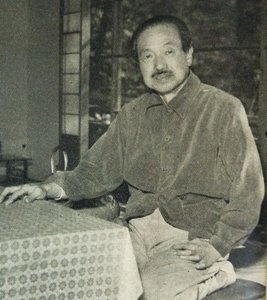
yasui sōtarō
1888 - 1955 , Japón
Breves datos
- Artistic Movement Or Style: Yōga (pintura occidental)
- Artists Who Influenced This Artist:
- Jean-Paul Laurens
- Paul Cézanne
- Date Of Birth: 1888-05-17
- Full Name: Yasui Sōtarō
- Nationality: Japonés
- Notable Artworks:
- Artista y su modelo (1934)
- Vista del Cabo Boso (1932)
- Mujer pelirroja
- Place Of Birth: Kyoto, Japón