 Ver en contexto
 Enviar
 Compartir
 Detalles

 Descargar
 Similares
 Radiografía
 Presentación de diapositivas
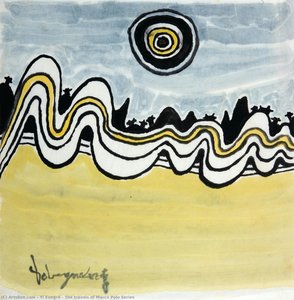
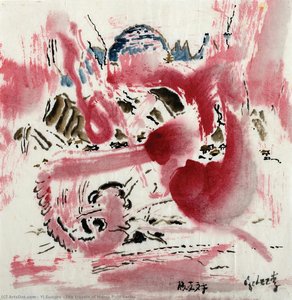
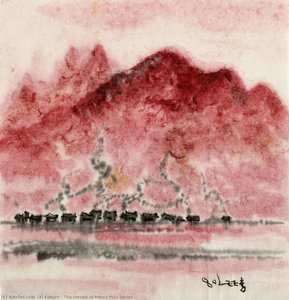
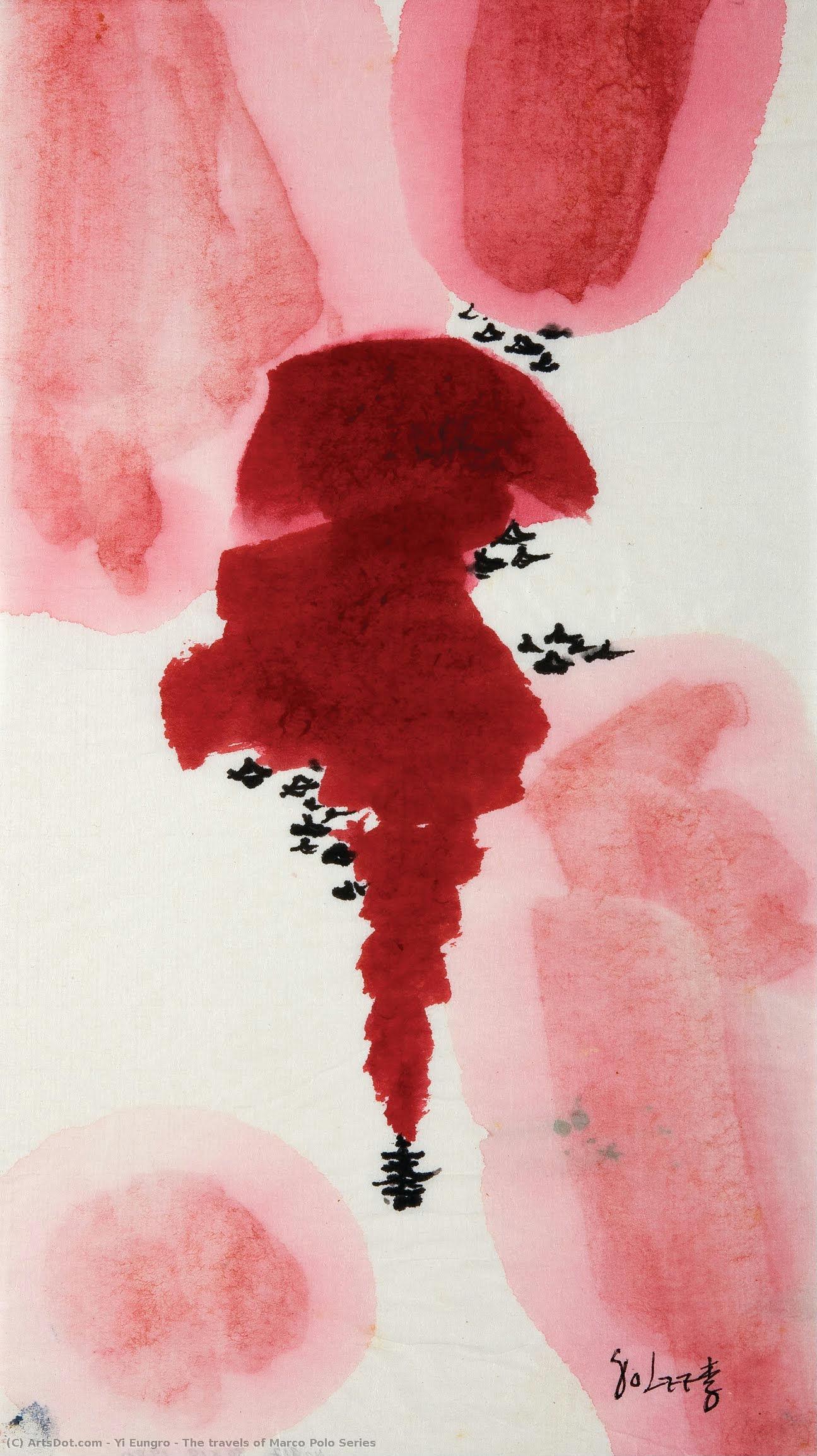
The travels of Marco Polo Series
 Contemporary Art
 1980
1980- Modern
 34.0 x 19.0 cm
 Museo Lee Ungno
 Ver más
Reproducción al óleo hecha a mano
Óleo sobre lienzo pintado a mano en el tamaño y marco de su elección, realizado por encargo por nuestros artistas. ( Comprar impresión Comprar imagen)




P118B $10

P118H $10

P118W $10

P438Z $10

P508JH $12

P508YH $12

P805H $10

P805Z $10

P919BZ $10

P919G $10

P919XJ $10

P959ZH $10

P968JZ $12

W106C $8

W218G $10

W218JH $8

W218Y $10

W307PJ $10

W316G $10

W316PJ $8

W316Y $10

W398PJ $8

W4111J $10

W500HY $15

W500JH $15

W692G $12

W849H $8

W940BG $15

W953PJ $8




Elija entre nuestros tamaños predefinidos que respetan las proporciones originales de la obra.

Puede ingresar sus propias dimensiones para adaptarse a un marco o espacio específico. Si el tamaño seleccionado no coincide con las proporciones de la imagen original, recortaremos la obra o extenderemos la pintura con elementos adicionales pintados a mano. Se le enviará una maqueta digital para su aprobación antes de comenzar la producción.
Tenga en cuenta que la vista previa en pantalla no refleja el recorte o la extensión reales. Solo la maqueta mostrará con precisión la composición final.
Si bien existen tamaños personalizados, recomendamos seleccionar una dimensión de la lista predefinida para preservar las proporciones originales.
Tras realizar el pedido, el equipo de ArtsDot.com enviará un correo electrónico al cliente para solicitar instrucciones y proporcionarle una vista previa del boceto.
Envío a todo el mundo () en 3-4 semanas en lugar de las 5 semanas estándar. (25 agosto). Sin comprometer la calidad.

Envío exprés gratuito a todo el mundo

Lienzo de lino de alta calidad

Seguro de envío total

Garantía de reembolso de impuestos aduaneros

Garantía de fidelidad cromática exacta

Política de devolución de 60 días (solo por defectos)

Garantía de devolución del 100% del dinero

Descuento por cantidad
 La opción de vidrio solo está disponible en tamaños inferiores a 110 cm.

The travels of Marco Polo Series
Técnica de reproducción
Dimensiones de la reproducción
-


Precio total final
$ 263
Descripción de la obra
A Journey Through the Imagined Orient
In the evocative depths of The Travels of Marco Polo Series, we encounter a world where the boundaries between historical chronicle and personal dreamscape dissolve. Created by the master Lee Ungno in 1980, this particular piece serves as a window into a lost narrative—a fragment of a grand, seventy-nine-painting odyssey that was intended for a book never published. This sense of "unseen history" lends the work an aura of profound mystery. As we gaze upon the composition, we are not merely looking at a landscape, but rather participating in the artist's internal pilgrimage through an unknown world, where the spirit of the Venetian explorer meets the contemplative soul of a Korean master.
The painting presents a mesmerizing visual metaphor, utilizing the form of red umbrellas to populate a surreal terrain. These vibrant crimson shapes, adorned with delicate black calligraphy, are arranged in such a way that they evoke the silhouettes of standing figures. This clever use of trompe l'oeil and symbolic abstraction creates a rhythmic dance across the canvas, where objects transform into people, and landscapes transform into memories. The scattered arrangement of these "human" umbrellas suggests a bustling yet ghostly procession, inviting the viewer to wonder about the travelers who inhabit this dreamlike space.
The Synthesis of East and West
Technically, this work is a breathtaking testament to Lee Ungno’s ability to bridge disparate artistic traditions. The composition utilizes a bird’s-eye view, a hallmark of traditional East Asian landscape painting, which allows the eye to wander through receding triangular forms that mimic distant mountains or islands. This creates an immense sense of depth and atmospheric perspective, pulling the viewer into a vast, unfolding horizon. Yet, there is a distinct Western sensibility in the way the artist manipulates color and form to create a sense of structural weight and modern abstraction.
The interplay between the sharp, geometric triangles and the organic, fluid shapes of the umbrellas creates a tension that is both intellectually stimulating and visually soothing. For the collector or interior designer, this piece offers a sophisticated balance; it possesses the quiet dignity of traditional ink-wash aesthetics while maintaining a bold, contemporary graphic quality. The striking contrast of the vibrant red against the more muted, atmospheric background ensures that the work commands attention in any curated space, acting as a focal point that sparks conversation and deep reflection.
An Emotional Resonance for the Modern Collector
Beyond its technical brilliance, the emotional impact of this piece lies in its themes of exploration and the beauty of the unknown. There is a certain melancholy in knowing these works remained hidden from the public eye for so long, yet that very obscurity adds a layer of preciousness to the viewing experience. It feels like discovering a secret map or a forgotten diary entry. The work evokes feelings of wanderlust, curiosity, and a profound respect for the layers of history that shape our perception of the world.
Whether displayed in a minimalist contemporary gallery or a richly textured classical study, a high-quality reproduction of this masterpiece brings with it a sense of scholarly depth and artistic prestige. It is an invitation to step away from the frantic pace of modern life and enter a realm where time is measured by the slow movement of shadows across a distant mountain and the silent stories written on a crimson canopy. To own such a piece is to hold a fragment of a magnificent, unfinished journey.
Obras relacionadas
Biografía del artista
Early Life and Training
Yi Eungro (Lee Ungno), born in Seoul, South Korea in 1904, possessed an innate fascination for painting from a young age. He nurtured this passion during his formative years at Hongseong Botong Hakyo (홍성보통학교, 홍城초등학교, 洪城普通學校), where he received foundational instruction in Chinese calligraphy and painting—a tradition deeply rooted in Korean artistic heritage. Recognizing his ambition to excel as an artist, Lee pursued further studies under Yeomjae Song Tae-hoe (예명 송태호), a celebrated calligrapher-painter-photographer who instilled in him the principles of Haegang Style (해강식). This influential style emphasized naturalism and harmonious blending of Eastern brushstrokes with Western perspective.Artistic Career in Korea and Japan
Lee Ungno’s artistic journey commenced in Seoul in 1922, where he became an apprentice to Kim Gyujin (김규진), a pivotal figure in Korean art. He diligently honed his skills under Kim's guidance, mastering the techniques of portraying the Four Gentlemen—a cornerstone of Haegang Style—known for their serene depictions of bamboo and plum blossoms. His dedication was rewarded when his ink wash painting of a bamboo, Mukjuk (묵죽, 墨竹), garnered recognition at the 3rd Annual Joseon Art Exhibition, securing him a prestigious prize. Throughout the colonial period, Lee consistently achieved acclaim in successive Joseon Art Exhibitions, demonstrating unwavering commitment to artistic excellence. However, he harbored a belief that Korean ink painters needed to embrace innovation and adapt to evolving aesthetic trends—a sentiment that propelled him toward experimentation with Western influences. In the early 1930s, Lee began producing landscapes infused with modern Eastern styles alongside naturalistic elements borrowed from Western painting traditions.International Recognition and Later Life
Following his intensive training in traditional Korean ink painting during the 1920s and 1930s, Lee Ungno gradually incorporated Western artistic techniques into his oeuvre. His works from the 1950s showcased a daring fusion of Eastern mediums and brushstrokes with Western compositional principles—a testament to his intellectual curiosity and artistic versatility. Seeking inspiration beyond Korea’s borders, Lee relocated to France in 1958, establishing himself as a prominent abstract artist. He achieved lasting renown for his series of ink and paper collages, particularly “Abstract Letters,” which explored the expressive potential of geometric forms and textures. Furthermore, his monumental “Crowd Paintings” captivated audiences with their dynamic representations of urban life—a bold departure from conventional artistic conventions.Legacy
Yi Eungro stands as a seminal figure in Korean abstract art history, credited with initiating the first generation of Korean artists who embraced experimentation and broadened the scope of Eastern artistic expression within contemporary art. His enduring influence can be observed in subsequent generations of Korean painters who sought to synthesize Eastern aesthetics with Western innovation—a legacy cemented by the Lee Ungno Museum (이응로미술관), inaugurated in Daejeon, South Korea in 2007. This museum meticulously preserves and showcases his artworks alongside related materials, ensuring that Yi Eungro’s contribution to Korean art continues to inspire and educate audiences worldwide.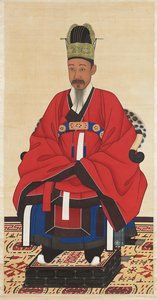
Yi Eungro
1904 - 1989 , Corea del Sur
Datos clave
- Artistic Movement Or Style: Expresionismo Oriental y Occidental
- Artists Or Movements Influenced By This Artist: ['Haegang Style']
- Artists Who Influenced This Artist: ['Yeomjae Song Tae-hoe']
- Date Of Birth: 1904
- Full Name: Yi Eungro (Lee Ungno)
- Nationality: Coreano-Francés
- Notable Artworks: ['Composición']
- Place Of Birth: Séoul, Corea del Sur
Artículos relacionados

Crimson Threads of Narrative: Exploring Symbolism & Representation in Artworks Featuring the Red Dress
Explore the rich symbolism of the red dress in art history! From ancient power displays to iconic portraits like Cézanne’s 'Madame Cezanne', discover the cultural and artistic significance behind this captivating color. Expert analysis & insights.
Feathered Visions: A Historical & Artistic Exploration of Birds in Painting
Explore the rich history of birds in painting! Discover symbolism, artistic movements & master artists like Audubon. High-quality reproductions available at ArtsDot.
Mark Rothko: Las 25 Obras Maestras que Definen la Expresión Abstracta | ArtsDot
Descubre las 25 obras maestras de Mark Rothko, pionero del expresionismo abstracto. Explora la historia, el significado y los colores vibrantes que definen su arte emocional. Reproducciones de alta calidad en ArtsDot.com.
Majestic Peaks on Canvas: A Historical & Artistic Exploration of Mountains in Fine Art
Explore the history of mountain painting! Discover Romantic masterpieces & key artists like Dahl & Calame. Learn about the Sublime & Picturesque aesthetics and find your perfect artwork at ArtsDot.

Henri Matisse: Las 25 Obras Maestras que Definieron un Genio del Color | ArtsDot
Descubre las 25 obras maestras de Henri Matisse, el rey del color y padre del fauvismo. Explora su arte moderno, lienzos vibrantes y la historia detrás de cada pintura icónica. Encuentra reproducciones de alta calidad en ArtsDot.com.