

 Vista previa
 Compartir
 Compartir
 Ver detalles

 Descargar
 Ver similares
 Radiografía
 Presentación de diapositivas
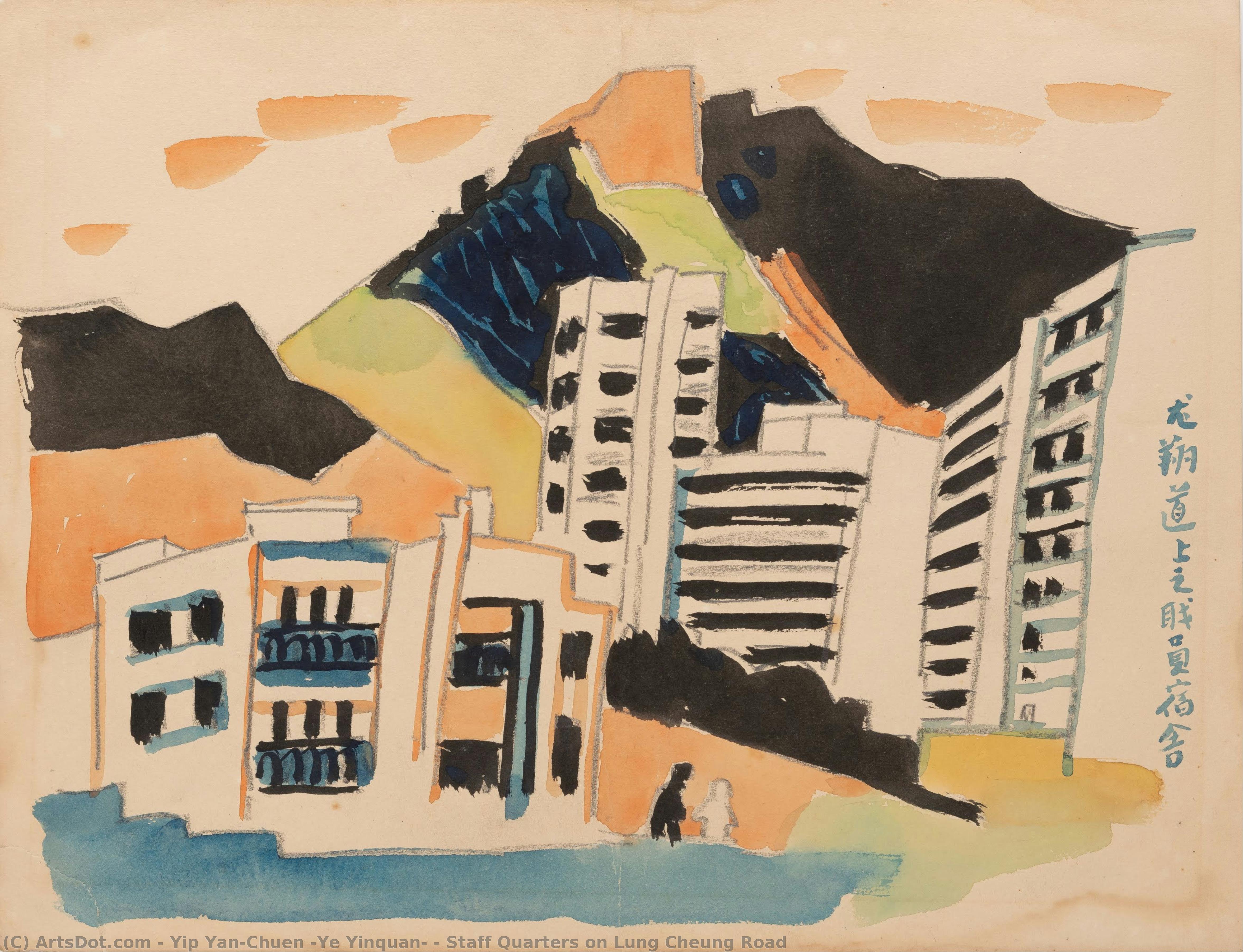
Staff Quarters on Lung Cheung Road
 1960
1960 29.0 x 37.0 cm
 Leer más
Giclée / Impresión de arte
Impresiones giclée o en lienzo de calidad de museo con producción rápida y opciones de acabado flexibles. ( Encargar reproducción pintada a mano Comprar descarga)




































Elija entre nuestros tamaños predefinidos que respetan las proporciones originales de la obra.

Puede introducir sus propias dimensiones para adaptarse a un marco o espacio específico. Si el tamaño seleccionado no coincide con las proporciones de la imagen original, recortaremos la obra de arte o extenderemos la imagen con un borde con efecto espejo o de color sólido. Se enviará una maqueta digital para su aprobación antes de que comience la producción.
Tenga en cuenta que la vista previa en pantalla no refleja el recorte o la extensión real. Solo la maqueta mostrará con precisión la composición final.
Aunque existen tamaños personalizados, recomendamos seleccionar una dimensión de la lista predefinida para preservar las proporciones originales.
Envío a todo el mundo () en 2 semanas en lugar de las 4/5 semanas estándar. (22 agosto)

Envío exprés gratuito a todo el mundo

Lienzo de lino de alta calidad

Seguro de envío completo

Garantía de reembolso de aranceles aduaneros

Garantía de fidelidad cromática exacta

Política de devolución de 60 días (solo por defectos)

Garantía de devolución del 100% del dinero

Oferta por volumen
 La opción de vidrio solo está disponible en tamaños inferiores a 110 cm.

Staff Quarters on Lung Cheung Road
Giclée / Impresión de arte
Tamaño de la reproducción
-


Precio total
$ 62
Obras relacionadas


Biografía del artista
Yip Yan-Chuen: A Master of Hong Kong Landscape
Yip Yan-chuen (Ye Yinquan), born in China around 1903, emerged as a prominent figure in twentieth-century Chinese landscape painting—a genre deeply rooted in Shanshui tradition yet infused with the dynamism of modern artistic experimentation. His oeuvre reflects not only the beauty of Hong Kong’s natural surroundings but also a profound engagement with the evolving cultural landscape of his time.Early Life and Training
Precise biographical details surrounding Yip Yan-chuen's formative years remain somewhat elusive, highlighting the challenges inherent in documenting artistic lives during periods of political upheaval. Information about his early education and artistic influences is scarce, reflecting a common predicament faced by artists operating within turbulent historical contexts. Despite this lack of comprehensive documentation, scholars believe he honed his skills through intensive study of traditional Chinese painting techniques—a cornerstone of Shanshui aesthetics.Shanshui Influence & Artistic Style
Like many artists of his generation, Yip Yan-chuen drew heavily from Shanshui (mountain and water) painting—a style prioritizing atmospheric perspective, tonal gradation, and capturing the essence of nature’s grandeur. His brushstrokes are characterized by a deliberate looseness that conveys movement and emotion, mirroring the spirit of the landscape itself. This approach distinguishes him from more rigidly academic styles prevalent at the time, demonstrating an intuitive understanding of Shanshui principles—a hallmark of accomplished masters. He skillfully blended tonal harmony with expressive brushwork, achieving remarkable visual impact.Notable Works: Capturing Hong Kong's Essence
Yip Yan-chuen’s artistic reputation rests largely upon his depictions of Hong Kong. “Eight Views of Hong Kong,” completed in 1941, stands as a testament to his ability to synthesize traditional techniques with the immediacy of wartime observation. The painting skillfully portrays iconic landmarks—Victoria Peak, Dragon’s Head Rock—against a backdrop of turbulent skies, conveying both beauty and unease. Similarly, “The Pearl of the Orient,” dated 1953, exemplifies his masterful use of color and composition to evoke the serenity of Cheung Chau Island. These works are considered cornerstones of Hong Kong art history.- “View of the Pacific Ocean from Cheung Chau”: This panoramic vista showcases Yip Yan-chuen’s meticulous attention to detail—particularly in capturing the subtle nuances of light and shadow on the water’s surface.
- “Staff Quarters on Lung Cheung Road”: A quieter piece, this painting offers a glimpse into everyday life amidst Hong Kong's burgeoning urban environment.
Technique & Innovation
Yip Yan-chuen’s artistic approach wasn’t solely defined by Shanshui conventions. He skillfully incorporated elements of Western Impressionism and Expressionism, resulting in a distinctive style that blended tonal harmony with expressive brushwork. His meticulous studies of Tung Po Tor Tse (Landscape Sketches, no. 221) demonstrate his dedication to capturing the subtleties of natural light—a hallmark of both Shanshui and modern artistic sensibilities. He achieved remarkable visual impact by blending traditional Chinese painting techniques with innovative Western influences.Legacy & Recognition
Yip Yan-chuen’s contribution to Hong Kong art is undeniable. His paintings are housed in prestigious institutions like the Today Art Museum in Beijing, China, ensuring that his vision continues to inspire future generations of artists. He remains a celebrated figure within the artistic community—a testament to his enduring legacy as a master of landscape painting and a pioneer of stylistic fusion. His work embodies the spirit of Shanshui tradition while embracing the dynamism of modern artistic experimentation—a truly remarkable achievement.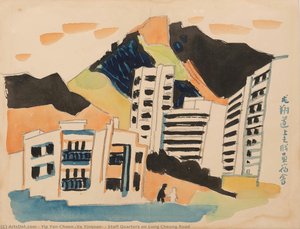
yip yan-chuen (ye yinquan)
1903 - 1969 , China
Datos clave
- Artistic Movement Or Style: Landscape Painting; Shanshui Style
- Artists Or Movements Influenced By This Artist: ['Modern Western Techniques']
- Artists Who Influenced This Artist: ['Traditional Chinese Painting']
- Date Of Birth: 1903
- Full Name: yip yan-chuen
- Nationality: Chinese
- Notable Artworks:
- Eight Views of Hong Kong
- Pearl of the Orient
- View of the Pacific Ocean from Cheung Chau
- Place Of Birth: China

