

 Ver en contexto
 Enviar
 Compartir
 Detalles

 Descargar
 Similares
 Radiografía
 Presentación de diapositivas
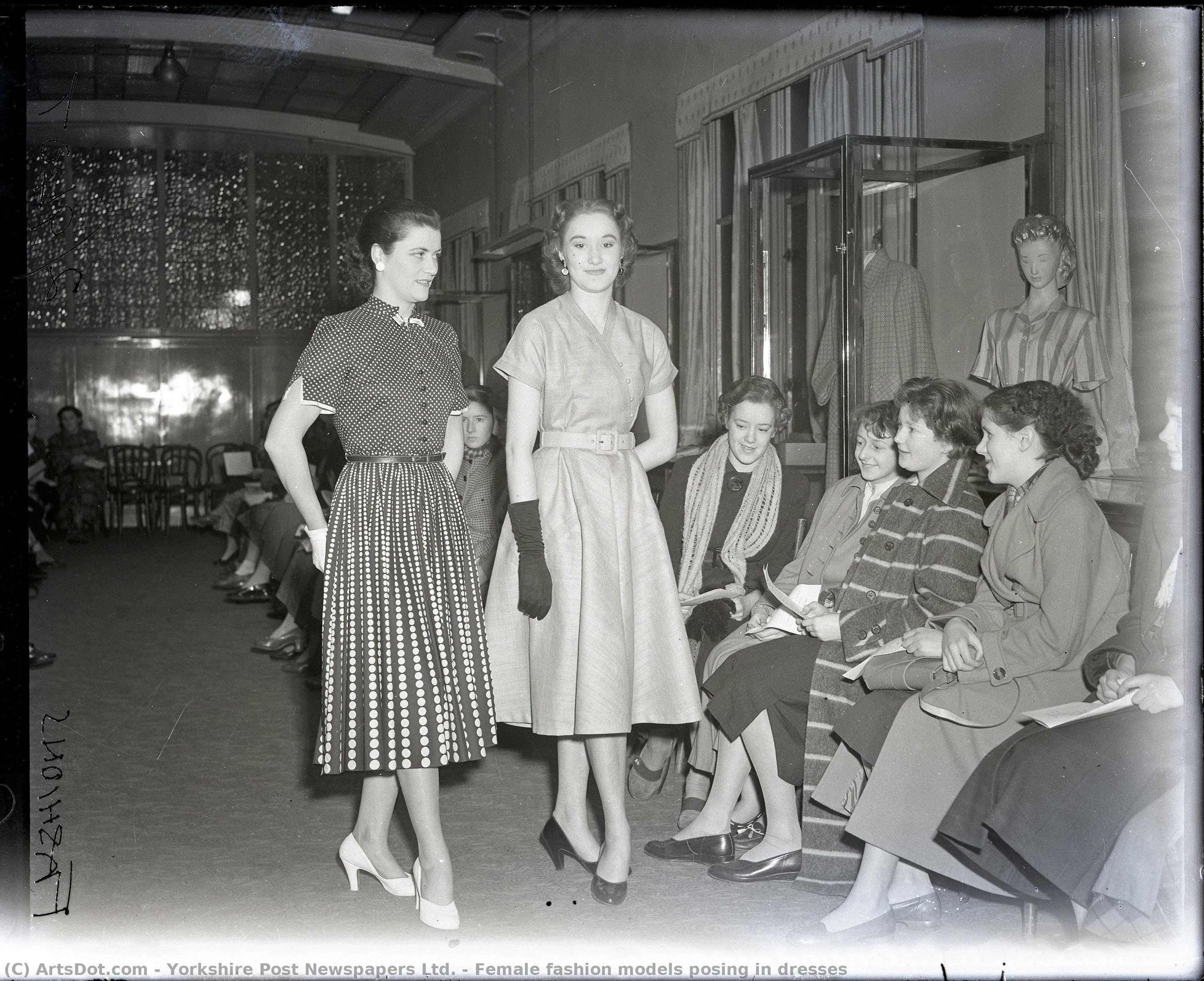
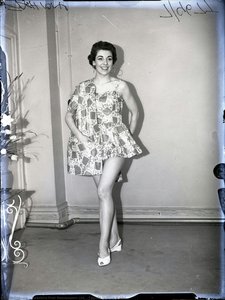
Female fashion models posing in dresses


 Ver más
Giclée / Impresión de arte
Impresiones giclée o en lienzo de calidad de museo con producción rápida y opciones de acabado flexibles. ( Comprar pintura hecha a mano Comprar imagen)




P118B $10

P118H $10

P118W $10

P438Z $10

P508JH $12

P508YH $12

P805H $10

P805Z $10

P919BZ $10

P919G $10

P919XJ $10

P959ZH $10

P968JZ $12

W106C $8

W218G $10

W218JH $8

W218Y $10

W307PJ $10

W316G $10

W316PJ $8

W316Y $10

W398PJ $8

W4111J $10

W500HY $15

W500JH $15

W692G $12

W849H $8

W940BG $15

W953PJ $8




Elija entre nuestros tamaños predefinidos que respetan las proporciones originales de la obra.

Puede introducir sus propias dimensiones para adaptarse a un marco o espacio específico. Si el tamaño seleccionado no coincide con las proporciones de la imagen original, recortaremos la obra de arte o extenderemos la imagen con un borde con efecto espejo o de color sólido. Se enviará una maqueta digital para su aprobación antes de que comience la producción.
Tenga en cuenta que la vista previa en pantalla no refleja el recorte o la extensión real. Solo la maqueta mostrará con precisión la composición final.
Aunque existen tamaños personalizados, recomendamos seleccionar una dimensión de la lista predefinida para preservar las proporciones originales.
Envío a todo el mundo () en 2 semanas en lugar de las 4/5 semanas estándar. (27 agosto)

Envío exprés gratuito a todo el mundo

Lienzo de lino de alta calidad

Seguro de envío total

Garantía de reembolso de impuestos aduaneros

Garantía de fidelidad cromática exacta

Política de devolución de 60 días (solo por defectos)

Garantía de devolución del 100% del dinero

Descuento por cantidad
 La opción de vidrio solo está disponible en tamaños inferiores a 110 cm.

Female fashion models posing in dresses
Giclée / Impresión de arte
Dimensiones de la reproducción
-


Precio total final
$ 62
Obras relacionadas


Biografía del artista
The Enigmatic Vision of Agnes Martin
Agnes Martin, a name synonymous with subtle power and quietude in the realm of abstract art, was born in 1912 in Macklin, Saskatchewan, Canada – a landscape that would indelibly shape her artistic sensibility. Her early life was marked by a nomadic existence, moving frequently across the Canadian prairies and later to the United States. This rootlessness, coupled with a challenging childhood and a persistent struggle with schizophrenia, fostered an introspective nature and a deep yearning for order and peace. Martin’s path to becoming a celebrated artist wasn't direct; she studied art at Columbia University in New York, but found herself disillusioned with the prevailing artistic currents of the time. A period spent working as a private tutor and later pursuing various odd jobs underscored her independent spirit and refusal to conform to conventional expectations. It was only after relocating to Taos, New Mexico, in 1949 that she began to seriously dedicate herself to painting, though even then, her artistic voice remained nascent, evolving through explorations of biomorphic abstraction influenced by the work of Georgia O'Keeffe and early Surrealism.From Biomorphism to Grids: A Search for Transcendence
The 1950s witnessed a crucial shift in Martin’s artistic approach. Dissatisfied with the emotional intensity of her earlier works, she began to pare down her compositions, gradually eliminating representational elements and embracing a minimalist aesthetic. This transition wasn't merely stylistic; it was driven by a profound philosophical quest. Martin sought to create paintings that weren't *about* anything, but rather *were* something – pure embodiments of feeling and experience. She famously described her work as representing “innocence,” a state untainted by the complexities and anxieties of modern life. Her move to New York in 1957 brought her into contact with key figures of the burgeoning abstract expressionist movement, including Barnett Newman and Ad Reinhardt. However, she resisted being categorized within this school, forging her own unique path towards abstraction. By the early 1960s, Martin had arrived at her signature style: delicate grids rendered in pale colors – often shades of gray, pink, and blue – on large-scale canvases. These weren’t precise, mathematically calculated structures; rather, they were hand-drawn with subtle imperfections, imbued with a sense of organic warmth and human touch. The faint lines, barely visible at times, seemed to shimmer and breathe, inviting contemplation and evoking a feeling of spaciousness and serenity.The Desert Years: Isolation and Artistic Maturity
In 1967, at the height of her career, Martin made a radical decision: she abandoned New York City and embarked on a solitary journey across the American West, eventually settling in a remote cabin in New Mexico’s high desert. This self-imposed exile was not an act of retreat but rather a deliberate attempt to cultivate the inner stillness necessary for her artistic practice. Living a spartan existence, far removed from the art world's clamor and distractions, Martin devoted herself entirely to painting. The vastness and silence of the desert landscape became integral to her work, influencing its scale, color palette, and overall mood. During this period, she developed a distinctive working method: creating paintings in series, often revisiting similar compositions over many years, refining and perfecting her subtle variations. Her grids became increasingly ethereal and nuanced, exploring the delicate interplay between line, color, and space. She avoided overt symbolism or narrative content, believing that true art should transcend language and speak directly to the viewer’s emotions.Legacy and Historical Significance
Agnes Martin's influence on contemporary art is profound and far-reaching. Though she initially resisted recognition, her work gained increasing attention in the 1970s and 80s, establishing her as a leading figure of minimalist abstraction. She challenged conventional notions of artistic expression, demonstrating that powerful emotional impact could be achieved through restraint and subtlety. Her paintings are not about grand gestures or dramatic statements; they are about quiet contemplation, inner peace, and the search for transcendence.- Minimalism's Quiet Core: Martin’s work is central to understanding the development of minimalism, offering a counterpoint to the more geometric and industrial approaches of artists like Donald Judd and Sol LeWitt.
- Feminist Perspectives: Her rejection of traditional artistic conventions and her focus on personal experience have resonated with feminist art critics who see her work as a powerful expression of female subjectivity.
- Influence on Subsequent Generations: Martin’s emphasis on process, materiality, and emotional resonance has inspired countless artists working in abstraction and beyond.
Artículos relacionados

Monochrome Visions: Exploring the Aesthetic & Historical Significance of Black & White Photography
Explore the rich history & artistic power of black and white photography. From early techniques to iconic masters like Ansel Adams, discover why monochrome continues to captivate art lovers today. Expert insights for collectors.

Blanco Sublime: Los 10 Cuadros Más Famosos Dominados por la Luz y el Color
Descubre los 10 cuadros blancos más emblemáticos de la historia del arte. Explora Monet, Van Gogh y Klimt, y su magistral uso de la luz y el color. Encuentra reproducciones de alta calidad e inspírate para tu decoración en .
Beyond the Lens: Photography's Enduring Influence on Modern & Contemporary Art
Explore photography's pivotal role in shaping modern & contemporary art. Discover key movements, influential artists like Stieglitz, and expert collecting advice from ArtsDot.
Timeless & Chic: Elevating Your New Home with the Sophistication of Black and White Photography
Transform your new home with the timeless allure of black and white photography. ArtsDot.com specializes in elegant monochrome decor and custom hand-painted wedding portraits that turn cherished milestones into lasting, soulful masterpieces. Elevate your space with ease.

Pictorialismo: La Búsqueda del Alma de la Fotografía Artística – Estética, Técnicas y Legado
Descubre el Pictorialismo, un movimiento clave en la historia de la fotografía artística. Explora sus técnicas, figuras emblemáticas y su legado perdurable. Guía experta para coleccionistas y amantes del arte.

