 Ver en contexto
 Enviar
 Compartir
 Detalles

 Descargar
 Similares
 Radiografía
 Presentación de diapositivas
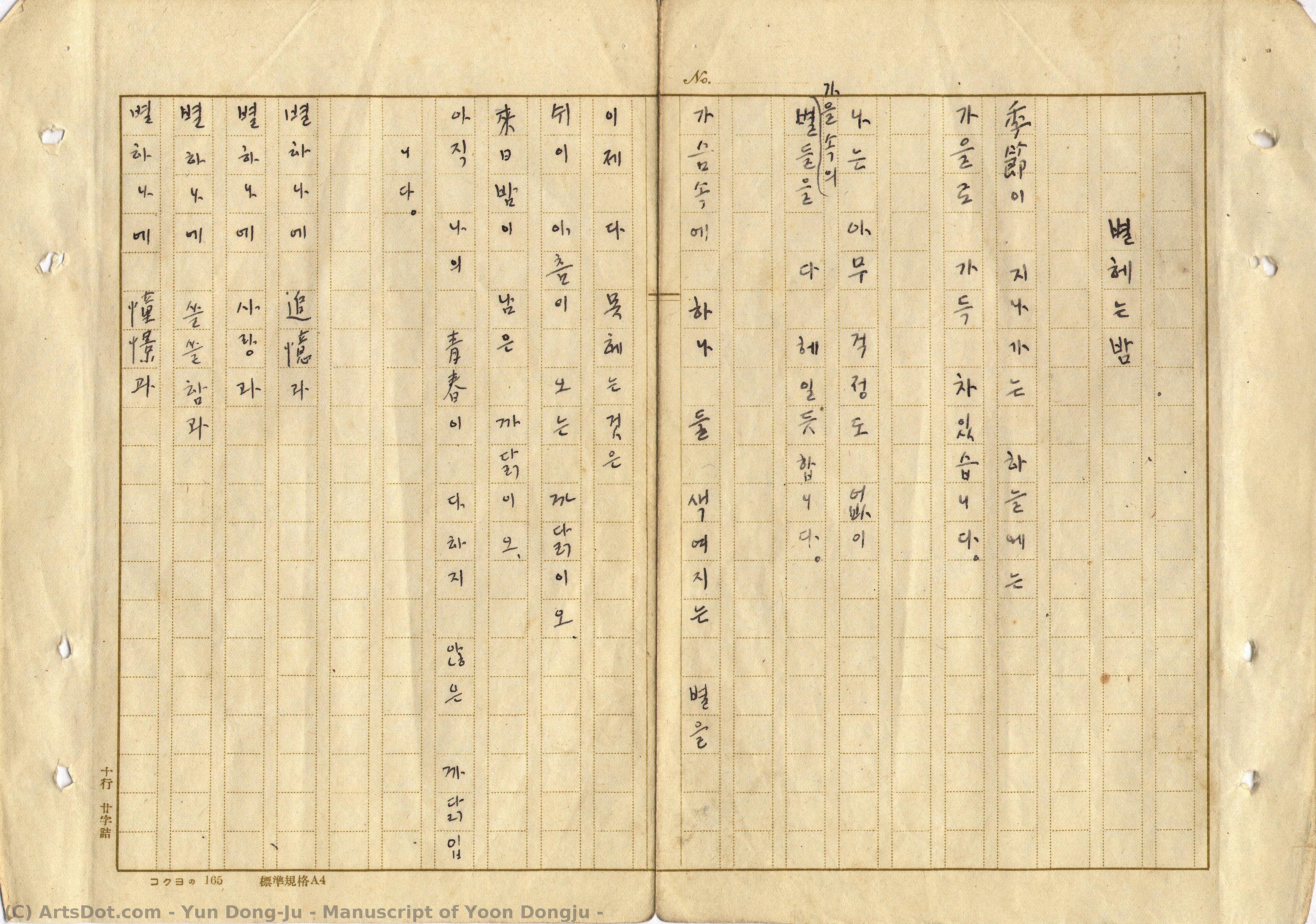
Manuscript of Yoon Dongju


 Ver más
Giclée / Impresión de arte
Impresiones giclée o en lienzo de calidad de museo con producción rápida y opciones de acabado flexibles. ( Comprar pintura hecha a mano Comprar imagen)




































Elija entre nuestros tamaños predefinidos que respetan las proporciones originales de la obra.

Puede introducir sus propias dimensiones para adaptarse a un marco o espacio específico. Si el tamaño seleccionado no coincide con las proporciones de la imagen original, recortaremos la obra de arte o extenderemos la imagen con un borde con efecto espejo o de color sólido. Se enviará una maqueta digital para su aprobación antes de que comience la producción.
Tenga en cuenta que la vista previa en pantalla no refleja el recorte o la extensión real. Solo la maqueta mostrará con precisión la composición final.
Aunque existen tamaños personalizados, recomendamos seleccionar una dimensión de la lista predefinida para preservar las proporciones originales.
Envío a todo el mundo () en 2 semanas en lugar de las 4/5 semanas estándar. (27 agosto)

Envío exprés gratuito a todo el mundo

Lienzo de lino de alta calidad

Seguro de envío total

Garantía de reembolso de impuestos aduaneros

Garantía de fidelidad cromática exacta

Política de devolución de 60 días (solo por defectos)

Garantía de devolución del 100% del dinero

Descuento por cantidad
 La opción de vidrio solo está disponible en tamaños inferiores a 110 cm.

Manuscript of Yoon Dongju
Giclée / Impresión de arte
Dimensiones de la reproducción
-


Precio total final
$ 62
Descripción de la pieza
A Whisper from the Past: The Soul of the Manuscript
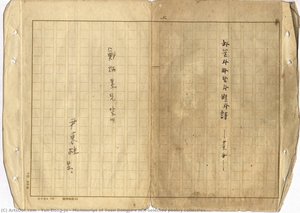
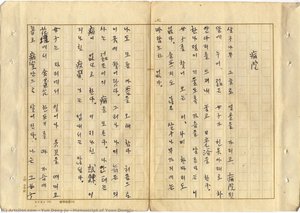
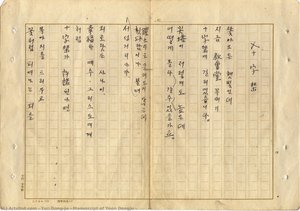
To gaze upon the Manuscript of Yoon Dongju is to step into a quiet, sacred space where time seems to suspend its forward march. This delicate fragment of history, dating back to 1941, serves as more than just a collection of characters; it is a visceral connection to one of Korea's most poignant literary voices. The manuscript presents a dense, rhythmic arrangement of Korean script, flowing in vertical columns that anchor the eye within a grid-like structure of profound historical weight. The pale beige expanse of the aged paper, likely traditional Hanji, bears the subtle textures and tonal variations of decades passed, offering a tactile sense of antiquity. Every stroke of the ink carries the deliberate movement of the hand, creating a visual melody that oscillates between the structured discipline of calligraphy and the intimate, raw energy of personal handwriting.
The aesthetic power of this piece lies in its profound simplicity and the organic beauty of its decay. There is no grand imagery to distract the viewer; instead, the subject matter is entirely textual, inviting a meditative focus on the interplay between light and shadow across the uneven surface of the paper. The lighting, soft and diffused, illuminates the fine details of the ink's absorption into the fibers, highlighting a texture that feels both rough and venerable. For the collector or interior designer, this work offers a sophisticated, minimalist focal point. It possesses an understated elegance that complements modern, neutral palettes while providing a deep, intellectual layer to any curated space, acting as a window into a vanished era of scholarly devotion.
The Weight of History and Poetic Resistance
Understanding the emotional resonance of this manuscript requires a journey into the turbulent life of its creator, Yun Dong-ju. Born in 1917 amidst the complexities of the Korean independence movement, Yun’s life was tragically short, yet his impact on the Korean spirit remains eternal. This manuscript, penned during the height of Japanese occupation, is imbued with the quiet defiance and lyrical melancholy that defined his poetic legacy. The very act of writing in the native script during such a period of suppression transforms these ink strokes into symbols of cultural preservation and silent resistance. Each character is a testament to an identity that refused to be erased.
When integrating a reproduction of this manuscript into a home or gallery, one is not merely displaying a historical document, but a piece of a larger narrative regarding human resilience. The work evokes a sense of "the sky, the wind, the stars, and the poem"—themes that permeated Yun's posthumous collection. It brings an atmosphere of contemplative stillness and intellectual depth to a room, making it an ideal selection for those who seek art that speaks to the enduring strength of the human spirit. This piece is a bridge between the tactile reality of 1940s East Asian calligraphy and the contemporary desire for meaningful, soul-stirring decor.
Obras relacionadas
Biografía del artista
primeros años y educación
yun dong-ju, también conocido como dongju yoon, fue un poeta coreano nacido en longjing, jilin, china, en 1917. su vida, aunque breve, estuvo marcada por una pasión intensa tanto por la poesía como por la pintura, disciplinas que perfeccionó a través de sus estudios en la escuela myeongdong, la escuela secundaria soongsil y el yonhi college en corea. más tarde, se trasladó a la universidad kyoto doshisha en japón, lugar donde su expresión artística comenzó a cobrar forma.expresión artística y activismo
la obra de yun se caracteriza por sus poesías líricas y poemas dedicados al movimiento de independencia coreano contra el imperio de japón. este activismo a través del arte fue una característica definitoria de su corta pero impactante carrera. sus pinturas, aunque menos numerosas en comparación con sus obras poéticas, reflejan una profundidad y una resonancia emocional similar.obras notables e influencias
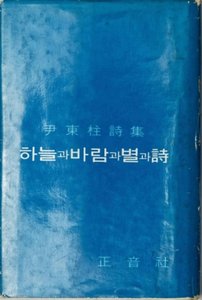
- el cielo, el viento, las estrellas y el poema: publicada póstumamente, esta colección de poemas muestra la maestría de yun sobre la forma lírica, ofreciendo un vistazo a su mundo interior. - influencias del movimiento artístico bunjinga: aunque es conocido principalmente por su poesía, el estilo artístico de yun estuvo influenciado por el movimiento artístico bunjinga, el cual enfatizaba la expresión individual y la interpretación personal por encima de la destreza técnica.legado y final trágico
la vida de yun dong-ju se vio truncada cuando fue arrestado por la policía japonesa en 1943 debido a presuntos movimientos antijaponeses. falleció en una prisión de fukuoka en 1945, a la edad de 27 años. a pesar de su breve trayectoria, su legado perdura a través de su poesía y sus pinturas, las cuales continúan inspirando tanto a artistas como a activistas.- para saber más sobre el movimiento artístico bunjinga, visite: el movimiento artístico bunjinga
- explore las obras de yun dong-ju y otros artistas coreanos en: yun dong-ju | ArtsDot.com
- conozca el contexto de su activismo en: movimiento de independencia coreana - wikipedia
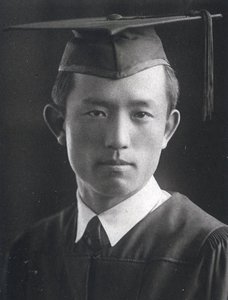
Yun Dong-Ju
1917 - 1945 , China
Datos clave
- Artistic Movement Or Style: Regionalista, Realismo
- Artists Who Influenced This Artist: ['Winslow Homer, Henry David Thoreau, King Vidor],\n "Artists or movements influenced by this artist": ["N.C. Wyeth", "Brandywine School"]\n}']
- Date Of Birth: 12 de julio de 1917
- Date Of Death: 16 de enero de 2009
- Full Name: Andrew Newell Wyeth
- Nationality: Estadounidense
- Notable Artworks:
- El mundo de Christina
- Ventanas
- La casa del cuervo
- Place Of Birth: Chadds Ford, Pensilvania
Artículos relacionados
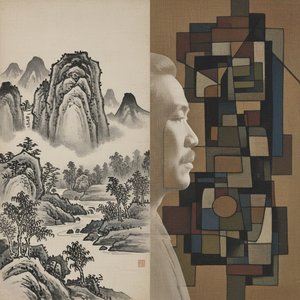
Yi Eungro: Bridging East & West in the Landscape of Korean Modernism
Explore the captivating world of Yi Eungro (Lee Ungno), a pivotal figure in Korean modernism. Discover his unique fusion of Eastern and Western artistic traditions, abstract masterpieces, and lasting legacy. A must-read for discerning art collectors.
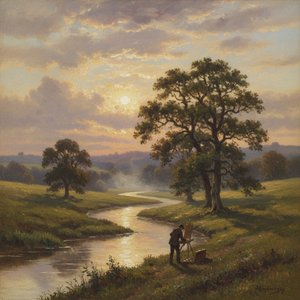
Alfred East: Pioneering Plein Air & Evoking Atmospheric Landscapes
Explore the life & work of Alfred East, a pioneer of British plein air painting. Discover his techniques for capturing atmospheric landscapes, Barbizon influences, and lasting legacy. Learn more at ArtsDot.
Lienzos que Saborean el Mundo: Correspondencias Artísticas y Culinarias en la Gastronomía Mediterránea
Descubra la fascinante conexión entre el arte y la gastronomía mediterránea. Explore ingredientes frescos, técnicas innovadoras y cómo crear ambientes culinarios únicos. Inspiración para restaurantes de alta cocina.
Cy Twombly: Scribbles of Emotion – Deconstructing Post-War Expressionism Through Calligraphy & Abstraction
Explore the captivating world of Cy Twombly with ArtsDot. Discover the emotional depth & artistic significance behind his abstract calligraphy. Expert insights for collectors.
Armonizando el Patrimonio: Un Enfoque Intercultural en la Decoración de Interiores con Reproducciones del Arte Asiático, Europeo y Africano
Descubre cómo integrar arte asiático, europeo y africano en tu hogar con reproducciones de alta calidad. Expertos en decoración intercultural para espacios únicos y llenos de significado. ¡Inspírate!