 Ver en contexto
 Enviar
 Compartir
 Detalles

 Descargar
 Similares
 Radiografía
 Presentación de diapositivas
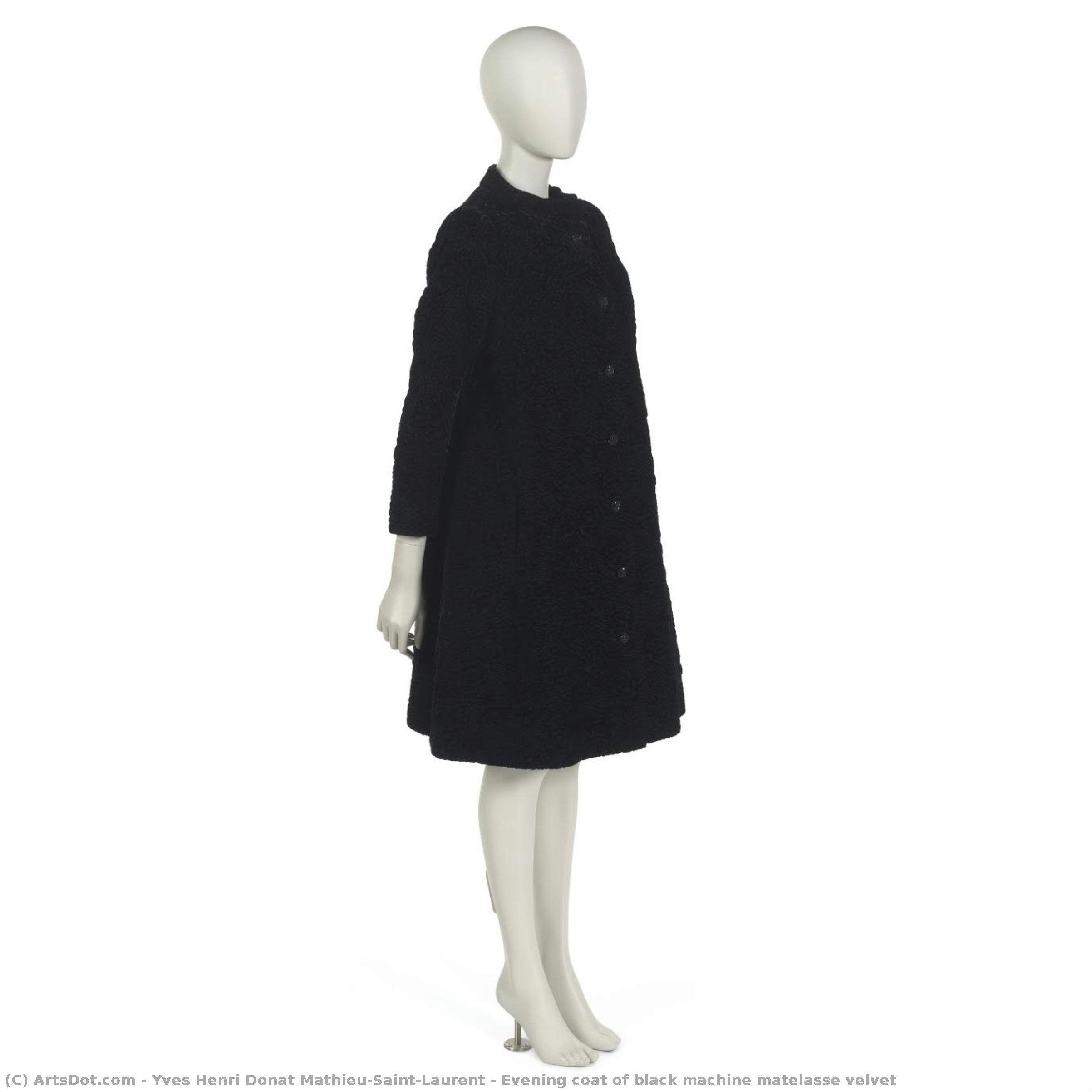
Evening coat of black machine matelasse velvet


 Ver más
Giclée / Impresión de arte
Impresiones giclée o en lienzo de calidad de museo con producción rápida y opciones de acabado flexibles. ( Comprar pintura hecha a mano Comprar imagen)




P118B $10

P118H $10

P118W $10

P438Z $10

P508JH $12

P508YH $12

P805H $10

P805Z $10

P919BZ $10

P919G $10

P919XJ $10

P959ZH $10

P968JZ $12

W106C $8

W218G $10

W218JH $8

W218Y $10

W307PJ $10

W316G $10

W316PJ $8

W316Y $10

W398PJ $8

W4111J $10

W500HY $15

W500JH $15

W692G $12

W849H $8

W940BG $15

W953PJ $8




Elija entre nuestros tamaños predefinidos que respetan las proporciones originales de la obra.

Puede introducir sus propias dimensiones para adaptarse a un marco o espacio específico. Si el tamaño seleccionado no coincide con las proporciones de la imagen original, recortaremos la obra de arte o extenderemos la imagen con un borde con efecto espejo o de color sólido. Se enviará una maqueta digital para su aprobación antes de que comience la producción.
Tenga en cuenta que la vista previa en pantalla no refleja el recorte o la extensión real. Solo la maqueta mostrará con precisión la composición final.
Aunque existen tamaños personalizados, recomendamos seleccionar una dimensión de la lista predefinida para preservar las proporciones originales.
Envío a todo el mundo () en 2 semanas en lugar de las 4/5 semanas estándar. (27 agosto)

Envío exprés gratuito a todo el mundo

Lienzo de lino de alta calidad

Seguro de envío total

Garantía de reembolso de impuestos aduaneros

Garantía de fidelidad cromática exacta

Política de devolución de 60 días (solo por defectos)

Garantía de devolución del 100% del dinero

Descuento por cantidad
 La opción de vidrio solo está disponible en tamaños inferiores a 110 cm.

Evening coat of black machine matelasse velvet
Giclée / Impresión de arte
Dimensiones de la reproducción
-


Precio total final
$ 62
Descripción de la pieza
The Architect of Velvet: Yves Saint Laurent’s 1967 Evening Coat
Yves Saint Laurent's 1967 “Evening Coat of Black Machine Matelasse Velvet” isn’t merely a garment; it’s a meticulously crafted statement, a miniature architectural marvel rendered in luxurious velvet. Born from the vibrant energy of post-war Paris and infused with the exoticism of his Algerian upbringing, this coat embodies Saint Laurent's revolutionary approach to fashion – one that seamlessly blended high art, historical references, and a profound understanding of the female form. It’s a piece that whispers of sophistication, daring, and an unapologetic embrace of texture and pattern.
The coat’s genesis lies in Saint Laurent’s groundbreaking 1967 African Collection, a bold departure from the predominantly European influences dominating haute couture at the time. Inspired by his travels to Morocco and a desire to challenge conventional notions of beauty and style, he sought to incorporate elements of non-Western cultures into his designs. This collection wasn't simply about appropriation; it was an exploration of diverse aesthetics, a deliberate juxtaposition of textures, patterns, and silhouettes that reflected a globalized world on the cusp of change. The matelasse velvet itself – a technique involving raised stitching to create a textured surface – immediately evokes the intricate craftsmanship found in Berber textiles, hinting at this cultural dialogue.
A Symphony of Texture: Technique and Materiality
The coat’s most striking feature is undoubtedly its incredible texture. The machine matelasse velvet isn't smooth; it’s a complex landscape of raised peaks and valleys, meticulously created through a painstaking process of stitching. This technique, combined with the pebbled rose pattern – a subtle yet sophisticated embellishment – creates an almost sculptural effect. The deep black hue amplifies this tactile quality, drawing attention to the intricate details and lending the coat an air of dramatic elegance. The use of faceted glass buttons adds another layer of visual interest, their sharp angles contrasting beautifully with the softness of the velvet.
Beyond the surface, the construction reveals a masterful understanding of tailoring. The A-line skirt flares gracefully from the knee, creating a fluid silhouette that moves with ease. The rolled collar and long, straight sleeves contribute to the coat’s timeless appeal, while the slit hip pockets offer both practicality and a touch of rebellious flair. The interior lining of black taffeta provides a luxurious contrast to the exterior velvet, further enhancing the sense of opulence.
Symbolism and Context: A Moment in Fashion History
This coat represents more than just a fashionable garment; it’s a cultural artifact reflecting a pivotal moment in fashion history. Saint Laurent's decision to utilize machine matelasse velvet, traditionally associated with masculine tailoring, was a deliberate subversion of established norms. He elevated this technique, typically relegated to menswear, and applied it to a feminine silhouette, challenging the rigid boundaries of gendered dressing. The “pebbled rose” pattern itself can be interpreted as a subtle nod to both the beauty of natural landscapes and the burgeoning consumer culture of the 1960s.
Worn by Claire Alcee (Mrs. Andrew Strong White), a prominent socialite, the coat embodies the glamour and sophistication of the era. It speaks to a woman who embraced bold style while maintaining an air of understated elegance – a figure perfectly aligned with Saint Laurent’s vision for modern femininity. The coat's presence in her wardrobe signifies not just a fashion choice but a statement of confidence and artistic sensibility.
A Legacy of Innovation: Reproduction and Inspiration
Today, reproductions of this iconic coat continue to captivate collectors and interior designers alike. Its enduring appeal lies in its masterful blend of technique, symbolism, and timeless style. When selecting a reproduction, consider the quality of the velvet – it should possess the same rich texture and depth as the original. The attention to detail—the precise stitching, the carefully placed buttons—is paramount to capturing the essence of this remarkable garment. It’s a reminder that fashion is not simply about following trends; it's about celebrating artistry, innovation, and the enduring power of design.
Obras relacionadas
Biografía del artista
Yves Henri Donat Mathieu-Saint Laurent: Una Vida en la Moda
- Nacimiento: 1 de agosto de 1936, Orán, Argelia
- Fallecimiento: 1 de junio de 2008
Yves Henri Donat Mathieu-Saint Laurent, conocido ampliamente como Yves Saint Laurent (YSL), fue una figura clave en la moda del siglo XX y XXI. Su carrera abarcó décadas, marcada por la innovación, la elegancia y una profunda comprensión de los deseos femeninos. Fundó su propia casa de moda en 1962, estableciéndose rápidamente como una fuerza a tener en cuenta.
Primeros Años y Carrera: De Dior a la Independencia
- Raíces Argelinas: Su educación en Orán, Argelia, le inculcó un aprecio por la belleza y el lujo.
- Debut Parisino: Con 19 años, se mudó a París y comenzó a estudiar en la Chambre Syndicale de la Couture Parisienne.
- El Protegido de Dior: Sus diseños llamaron la atención de Christian Dior, quien lo contrató como asistente. Tras la repentina muerte de Dior en 1957, Saint Laurent fue nombrado director artístico de la Casa de Dior a los tan solo 21 años – una edad notablemente joven para un puesto tan prestigioso.
- Tiempos Difíciles y Servicio Militar: Su período en Dior fue inicialmente exitoso pero se vio interrumpido cuando fue reclutado en el ejército francés en 1958. Un colapso nervioso llevó a su despido de Dior, marcando un período desafiante en su vida.
El Nacimiento de Yves Saint Laurent Couture
- Casa Independiente: En 1962, con el apoyo financiero de Roland Fréy, Saint Laurent estableció su propia casa de alta costura, Yves Saint Laurent YSL.
- Vestido "Trapecio": Su primera colección introdujo el vestido "trapecio" – una silueta revolucionaria que se alejó de los cinturones ceñidos del New Look de Dior y abrazó una forma más moderna en línea A. Esto marcó un cambio significativo en las tendencias de la moda.
- Le Smoking: Quizás su creación más icónica fue "Le Smoking", un traje de esmoquin para mujeres introducido en 1968. Desafió las normas de género y empoderó a las mujeres con su estética sofisticada y masculina.
- Rive Gauche: Reconociendo la necesidad de una moda más accesible, Saint Laurent lanzó Rive Gauche en 1966 – una línea prêt-à-porter que llevó sus diseños a un público más amplio.
Obras Clave e Influencias Artísticas
- Vestido Mondrian (1965): Un vestido innovador inspirado en las pinturas geométricas de Piet Mondrian, mostrando la aceptación de Saint Laurent del arte moderno.
- Vestidos de Terciopelo: Conocido por su lujoso uso del terciopelo, Saint Laurent creó vestidos de noche impresionantes que exudaban opulencia y glamour.
- Influencias Africanas: Incorporó textiles y motivos africanos en sus diseños, reflejando una mayor conciencia cultural.
- Bloques de Color: Su audaz uso del bloqueo de color fue un elemento característico en muchas de sus colecciones.
Legado y Significado Histórico
- Redefiniendo la Feminidad: El trabajo de Saint Laurent desafió las nociones tradicionales de feminidad, empoderando a las mujeres a través de la ropa que combinaba elegancia con comodidad y fuerza.
- Puente entre la Alta Costura y el Prêt-à-Porter: Integró con éxito técnicas de alta costura en colecciones prêt-à-porter, haciendo que la alta moda fuera más accesible.
- Icono Cultural: Yves Saint Laurent se convirtió en un icono cultural, celebrado por su creatividad, innovación e influencia en generaciones de diseñadores.
- Reconocimiento del Museo: Sus diseños están representados en importantes museos de todo el mundo, incluyendo el Musée des Beaux-Arts (Argel), el Museum of the City of New York y muchos otros, solidificando su lugar en la historia de la moda.
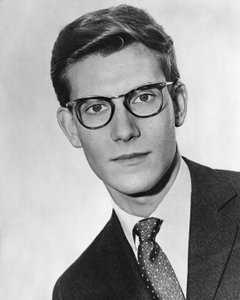
Yves Saint Laurent
1936 - 2008 , Argelia
Datos clave
- Artistas Que Influyeron:
- Christian Dior
- Piet Mondrian
- Fecha De Fallecimiento: 1 de junio de 2008
- Fecha De Nacimiento: 1 de agosto de 1936
- Lugar De Nacimiento: Orán, Argelia
- Movimiento Artístico: Alta Costura, Prêt-à-porter
- Nacionalidad: Francesa
- Nombre Completo: Yves Henri Donat Mathieu-Saint-Laurent
- Obras Notables:
- Vestido (1958)
- Vestido de terciopelo
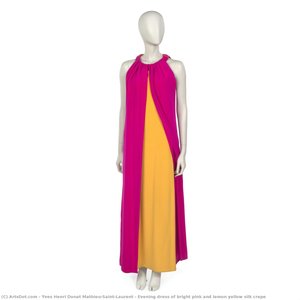
- Vestido de seda rosa brillante
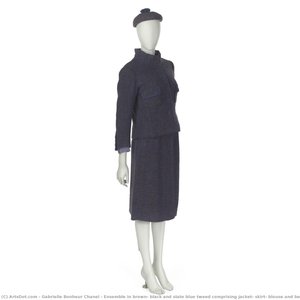
- Traje de chaqueta negro
- Vestido de cóctel y capa
Artículos relacionados

Las 10 Pinturas Más Famosas Dominadas por el Negro | Arte y Decoración
Descubre las 10 pinturas más impactantes dominadas por el negro. Explora obras maestras de Rembrandt, Goya y Rothko, su historia y significado. Encuentra reproducciones de arte exclusivas para transformar tu hogar en .
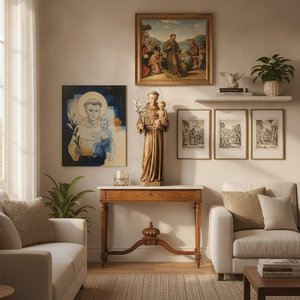
Discover the Divine: Inspiring Saint Anthony Artworks to Elevate Your Home Decor
Transform your home with the profound beauty of Saint Anthony artworks. Explore exquisite Baroque reproductions by Murillo and Zurbarán, hand-painted on 100% cotton canvas to bring divine serenity and timeless elegance to your interior design.

Las 10 Obras Maestras Dominadas por el Negro Marsella: Arte y Decoración
Descubre las 10 pinturas más famosas dominadas por el negro marsella. Explora la historia, técnica y simbolismo de obras maestras del expresionismo alemán, gótico y arte moderno. Reproducciones de museos en .
Las 10 Obras Maestras del Negro Carbón: Arte, Historia y Decoración
Descubre 10 obras maestras del arte dominadas por el negro carbón. Explora la historia, técnica y significado de cuadros icónicos de artistas como Rembrandt y Goya. Encuentra reproducciones de museo en .
Los 10 Cuadros Más Famosos Dominados por el Negro Marfil: Arte y Decoración
Descubre los 10 cuadros más impactantes dominados por el negro marfil. Explora la historia de Rembrandt, Van Gogh y otros maestros del arte clásico y moderno. Encuentra reproducciones de alta calidad para tu hogar en