

 Ver en contexto
 Enviar
 Compartir
 Detalles

 Descargar
 Similares
 Radiografía
 Presentación de diapositivas
 Stats
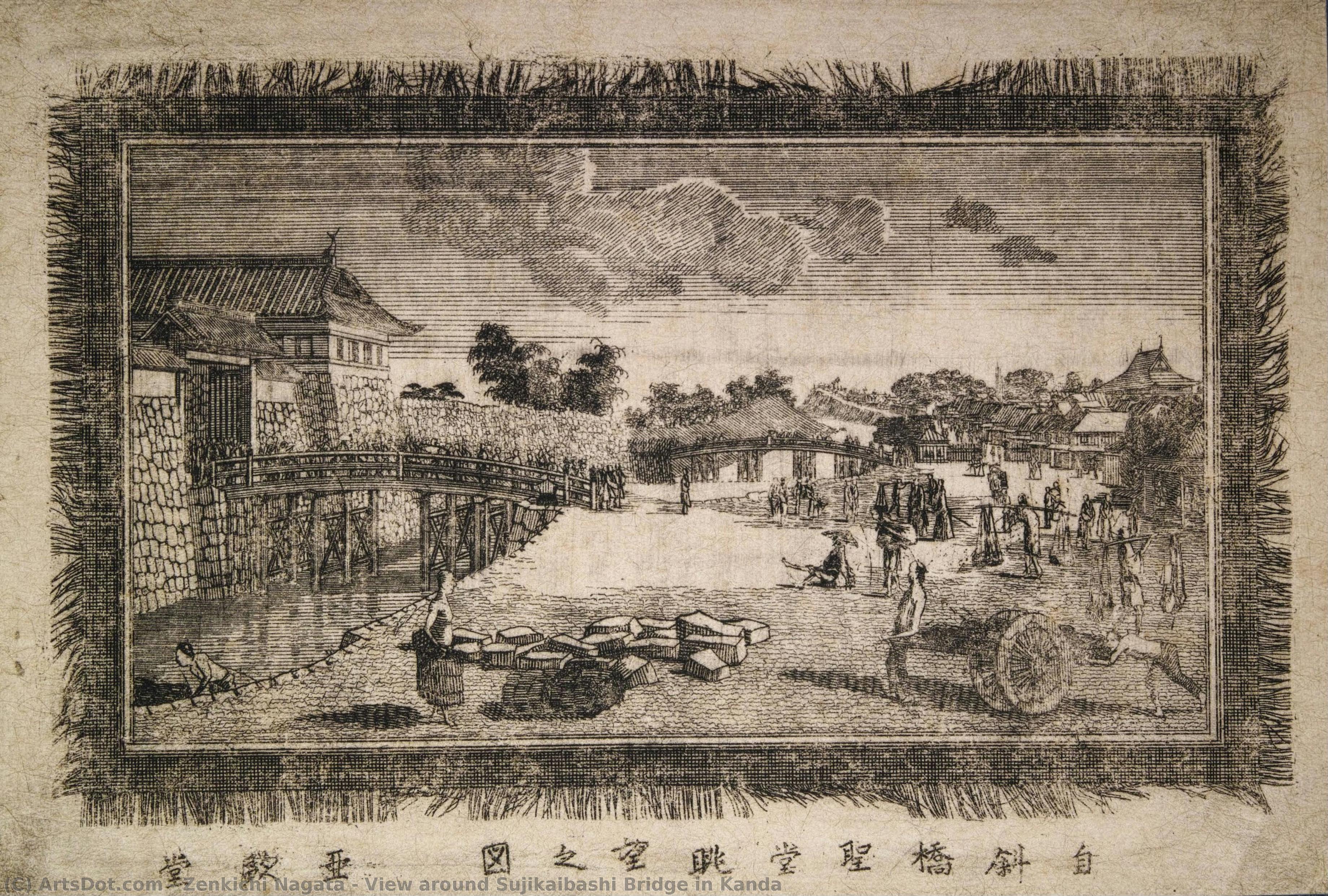
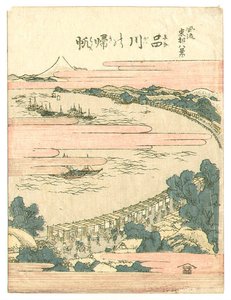
StatsView around Sujikaibashi Bridge in Kanda
 Early Modern
 17.0 x 11.0 cm
 Museo de la Ciudad de Kobe
 Ver más
Reproducción al óleo hecha a mano
Óleo sobre lienzo pintado a mano en el tamaño y marco de su elección, realizado por encargo por nuestros artistas. ( Switch to Print Switch to Digital Image)




P118B $10

P118H $10

P118W $10

P438Z $10

P508JH $12

P508YH $12

P805H $10

P805Z $10

P919BZ $10

P919G $10

P919XJ $10

P959ZH $10

P968JZ $12

W106C $8

W218G $10

W218JH $8

W218Y $10

W307PJ $10

W316G $10

W316PJ $8

W316Y $10

W398PJ $8

W4111J $10

W500HY $15

W500JH $15

W692G $12

W849H $8

W940BG $15

W953PJ $8




Elija entre nuestros tamaños predefinidos que respetan las proporciones originales de la obra.

Puede ingresar sus propias dimensiones para adaptarse a un marco o espacio específico. Si el tamaño seleccionado no coincide con las proporciones de la imagen original, recortaremos la obra o extenderemos la pintura con elementos adicionales pintados a mano. Se le enviará una maqueta digital para su aprobación antes de comenzar la producción.
Tenga en cuenta que la vista previa en pantalla no refleja el recorte o la extensión reales. Solo la maqueta mostrará con precisión la composición final.
Si bien existen tamaños personalizados, recomendamos seleccionar una dimensión de la lista predefinida para preservar las proporciones originales.
Tras realizar el pedido, el equipo de ArtsDot.com enviará un correo electrónico al cliente para solicitar instrucciones y proporcionarle una vista previa del boceto.
Envío a todo el mundo () en 3-4 semanas en lugar de las 5 semanas estándar. (7 septiembre). Sin comprometer la calidad.

Envío exprés gratuito a todo el mundo

Lienzo de lino de alta calidad

Seguro de envío total

Garantía de reembolso de impuestos aduaneros

Garantía de fidelidad cromática exacta

Política de devolución de 100 días (solo por defectos)

Garantía de devolución del 100% del dinero

Descuento por cantidad
 La opción de vidrio solo está disponible en tamaños inferiores a 110 cm.

View around Sujikaibashi Bridge in Kanda
Técnica de reproducción
Dimensiones de la reproducción
-


Precio total final
$ 263
A Window into Edo: The Visionary World of Zenkichi Nagata
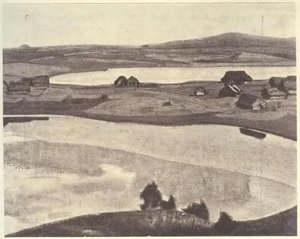
In the delicate interplay of light and shadow captured within "View around Sujikaibashi Bridge in Kanda," we are transported to a vanished era of Japanese history. This exquisite work by Zenkichi Nagata, also known as Aōdō Denzen, serves as more than just a landscape; it is a profound historical document that captures the rhythmic pulse of life during the late Edo period. Through his masterful command of line and tone, Nagata invites the viewer to wander along the banks of a bustling waterway, where the boundaries between human industry and the natural world seem to dissolve into a singular, harmonious existence.
The composition presents a captivating tableau of rural tranquility meeting urban vitality. As our eyes traverse the scene, we encounter a meticulously detailed village life: figures gathered near the water's edge, boats drifting lazily upon the surface, and the presence of livestock that anchors the scene in a sense of pastoral peace. The inclusion of cattle and horses amidst the human activity suggests a time when the pace of life was dictated by the seasons and the steady movement of animals. This sense of coexistence is further enriched by the delicate depiction of birds, some soaring through the sky and others resting quietly, adding a layer of kinetic energy to an otherwise serene atmosphere.
The Convergence of East and West
What truly distinguishes this piece for the discerning collector is Nagata’s revolutionary approach to technique. As a pioneer who introduced Western-style elements to Japanese painting, Nagata utilized perspective and shading in ways that were radical for his contemporaries. In this work, we see the subtle application of depth that pulls the viewer into the distance, creating a three-dimensional space that feels remarkably tangible. This fusion of traditional Japanese sensibilities with Western anatomical and spatial accuracy creates a unique aesthetic tension—a bridge between two worlds, much like the Sujikaibashi Bridge depicted in the subject matter itself.
The monochromatic palette, while seemingly simple, allows for an intense focus on texture and form. The artist uses varying densities of tone to differentiate the shimmering surface of the water from the solid, earthy presence of the animals and the architectural elements of the village. For an interior designer, this piece offers a sophisticated neutrality; its grayscale elegance allows it to integrate seamlessly into modern minimalist spaces while providing a rich, historical soul that anchors a room with intellectual depth.
An Invitation to Timelessness
To possess a reproduction of this work is to hold a fragment of Japan's transformative era. There is an undeniable emotional resonance in Nagata’s ability to capture the "idyllic." In our modern, hyper-connected age, the sight of a peaceful village where man, beast, and nature exist in quiet equilibrium offers a profound sense of respite. The painting does not merely depict a location; it evokes a feeling of stability and grace.
Whether displayed in a private gallery or as a focal point in a curated living space, "View around Sujikaibashi Bridge in Kanda" serves as a conversation piece that celebrates innovation and tradition. It is an ideal acquisition for those who appreciate the nuances of art history and seek to surround themselves with works that possess both technical brilliance and a timeless, evocative spirit.
Obras relacionadas

Biografía del artista
Vida Temprana y Formación
Zenkichi Nagata, también conocido como Aōdō Denzen, fue un pintor y grabador de planchas de cobre japonés nacido en Sukagawa, Japón, en 1748. Fue una figura destacada en la pintura japonesa durante el período Edo tardío y se le atribuye la introducción de la pintura occidental en Japón.Estilo Artístico y Técnicas
Aōdō empleó técnicas de pintura al estilo occidental, como la perspectiva y el sombreado, para lograr grabados de planchas de cobre con un aspecto occidental. Este enfoque innovador lo distinguió de sus contemporáneos y allanó el camino para futuras generaciones de artistas japoneses. Experimentó con la combinación de técnicas tradicionales japonesas con elementos occidentales, creando un estilo único que reflejaba su visión progresista del arte.Obras Notables
Entre las obras notables de Zenkichi Nagata se incluyen:- Vista de una Plaza Europea (56 x 30 cm, Museo de la Ciudad de Kobe, Japón), que muestra su dominio de la pintura al estilo occidental.
- Restaurante cerca del estanque Shinobazunoike (16 x 12 cm, Museo de la Ciudad de Kobe, Japón), que demuestra su capacidad para capturar escenas cotidianas con elegancia.
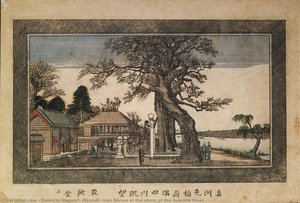
- Vista panorámica de Edo (16 x 11 cm, Museo de la Ciudad de Kobe, Japón), que ejemplifica su habilidad para representar paisajes urbanos detallados.
- Vista de Mitsumata - Una impresión de xilografía del período Edo que muestra una intrincada atención al detalle y un estilo Ukiyo-e.
- Vista de Japón: Templo Sensōji en Edo - Una impresión de xilografía detallada que captura la serenidad y el arte tradicional japonés.
Legado e Influencia
Las contribuciones de Zenkichi Nagata a la pintura japonesa son innegables. Su introducción de técnicas occidentales allanó el camino para artistas futuros, como Mori Ransai, que continuaron superando los límites del arte japonés. Su trabajo sirvió de puente entre las tradiciones artísticas japonesas y la influencia creciente del arte occidental, marcando un punto crucial en el desarrollo artístico del país. Explorar más obras de Zenkichi Nagata en ArtsDot.com. Aprender sobre el movimiento artístico Nanga, que influyó a muchos artistas japoneses. Descubrir otros artistas japoneses notables, como Mori Ransai, en ArtsDot.com.Significado Histórico
Zenkichi Nagata representa una época de transición y apertura cultural en Japón. Su capacidad para integrar técnicas occidentales sin perder la esencia del arte japonés lo convierte en un artista clave para comprender el desarrollo artístico del período Edo tardío. Su legado perdura como testimonio de su habilidad, visión y su papel fundamental en la modernización del arte japonés. Ver más pinturas de Zenkichi Nagata en el Museo de la Ciudad de Kobe. Leer sobre la historia de la pintura japonesa en Wikipedia.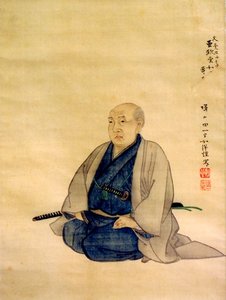
Zenkichi Nagata
1748 - 1822 , Japón
Datos clave
- Artistas Influenciados: ['Mori Ransai']
- Artistas Que Influyeron: ['Kanō (influencia general)']
- Fecha De Nacimiento: 1748
- Lugar De Nacimiento: Sukagawa, Japón
- Movimiento Artístico: Pintura japonesa, Grabado
- Nacionalidad: Japonés
- Nombre Completo: Zenkichi Nagata
- Obras Notables:
- Vista de una plaza europea
- Restaurante cerca del estanque Shinobazunoike
- Vista aérea de Edo
- Vista de Mitsumata
- Vista alrededor del puente Sujikaibashi
- Otros Nombres: Aōdō Denzen
Artículos relacionados

Las 10 Pinturas Más Famosas Dominadas por el Negro | Arte y Decoración
Descubre las 10 pinturas más impactantes dominadas por el negro. Explora obras maestras de Rembrandt, Goya y Rothko, su historia y significado. Encuentra reproducciones de arte exclusivas para transformar tu hogar en .

Cultivating Visions: A Historical Journey Through Rural Landscapes in Art
Explore the rich history of rural landscape painting with ArtsDot. Discover Impressionist masterpieces, key artists & movements. Find your perfect serene artwork and bring nature's beauty home.

Katsushika Hokusai: Las 25 Obras Maestras del Ukiyo-e que Transformaron el Arte Japonés | ArtsDot
Descubre las 25 obras maestras de Katsushika Hokusai, el genio del ukiyo-e. Explora 'La Gran Ola', paisajes japoneses y su impacto en el arte moderno. Reproducciones de alta calidad para tu hogar en ArtsDot.com.

John Constable: Las 25 Obras Maestras del Paisaje Inglés | ArtsDot
Descubre las 25 obras maestras de John Constable, el pintor romántico inglés que capturó la belleza del paisaje. Explora su técnica, historia y significado en ArtsDot.com. Reproducciones de arte de alta calidad para tu hogar.

Blanco Sublime: Los 10 Cuadros Más Famosos Dominados por la Luz y el Color
Descubre los 10 cuadros blancos más emblemáticos de la historia del arte. Explora Monet, Van Gogh y Klimt, y su magistral uso de la luz y el color. Encuentra reproducciones de alta calidad e inspírate para tu decoración en .