

 Ver en contexto
 Enviar
 Compartir
 Detalles

 Descargar
 Similares
 Radiografía
 Presentación de diapositivas
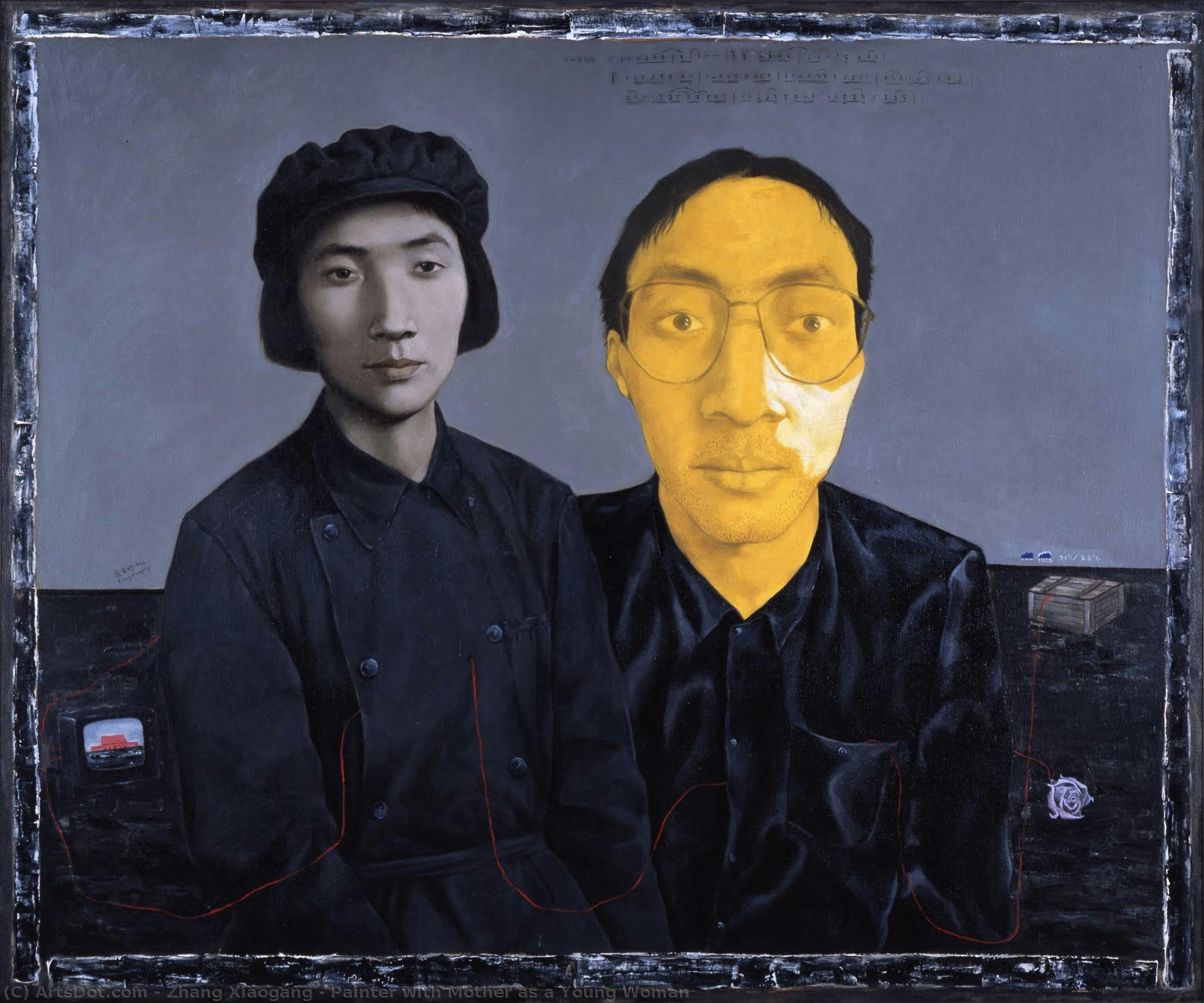
Painter with Mother as a Young Woman
 Painting
- WallArt
- Contemporary Realism
 Contemporary
 178.0 x 148.0 cm
 Fukuoka Asian Art Museum
 Ver más
Giclée / Impresión de arte
Impresiones giclée o en lienzo de calidad de museo con producción rápida y opciones de acabado flexibles. ( Comprar pintura hecha a mano Comprar imagen)




P118B $10

P118H $10

P118W $10

P438Z $10

P508JH $12

P508YH $12

P805H $10

P805Z $10

P919BZ $10

P919G $10

P919XJ $10

P959ZH $10

P968JZ $12

W106C $8

W218G $10

W218JH $8

W218Y $10

W307PJ $10

W316G $10

W316PJ $8

W316Y $10

W398PJ $8

W4111J $10

W500HY $15

W500JH $15

W692G $12

W849H $8

W940BG $15

W953PJ $8




Elija entre nuestros tamaños predefinidos que respetan las proporciones originales de la obra.

Puede introducir sus propias dimensiones para adaptarse a un marco o espacio específico. Si el tamaño seleccionado no coincide con las proporciones de la imagen original, recortaremos la obra de arte o extenderemos la imagen con un borde con efecto espejo o de color sólido. Se enviará una maqueta digital para su aprobación antes de que comience la producción.
Tenga en cuenta que la vista previa en pantalla no refleja el recorte o la extensión real. Solo la maqueta mostrará con precisión la composición final.
Aunque existen tamaños personalizados, recomendamos seleccionar una dimensión de la lista predefinida para preservar las proporciones originales.
Envío a todo el mundo () en 2 semanas en lugar de las 4/5 semanas estándar. (3 septiembre)

Envío exprés gratuito a todo el mundo

Lienzo de lino de alta calidad

Seguro de envío total

Garantía de reembolso de impuestos aduaneros

Garantía de fidelidad cromática exacta

Política de devolución de 60 días (solo por defectos)

Garantía de devolución del 100% del dinero

Descuento por cantidad
 La opción de vidrio solo está disponible en tamaños inferiores a 110 cm.

Painter with Mother as a Young Woman
Giclée / Impresión de arte
Dimensiones de la reproducción
-


Precio total final
$ 62
A Haunting Encounter with Memory
In the quiet, evocative realm of contemporary Chinese art, few works possess the psychological depth and historical resonance of Zhang Xiaogang’s Painter with Mother as a Young Woman. This masterpiece serves as a profound window into the soul of a nation, blending the intimate sanctity of family portraiture with the heavy, lingering shadows of China's turbulent twentieth century. At first glance, the viewer is met with a composition that feels like a rediscovered relic—a sepia-toned memory brought to life on canvas. The painting presents a dual presence: a self-portrait of the artist and a spectral image of his mother in her youth, both captured within a rustic, almost claustrophobic frame that suggests the weight of time itself.
The subject matter is deeply personal yet universally poignant. As the eye wanders across the canvas, one encounters the artist’s face, glowing with an eerie, yellowish light that feels both morbid and transcendent. Beside him, his mother gazes out from a bygone era, dressed in the iconic Mao suit, her expression veiled by a nostalgic, monochromatic haze. This juxtaposition of the living artist and the historical figure of his mother creates a bridge between the present and a past that is both cherished and traumatic. It is not merely a portrait of two individuals; it is an encounter with the ghosts of the Cultural Revolution, rendered with a delicate, surrealist touch.
Symbolism and the Threads of Connection
Zhang Xiaogang’s brilliance lies in his ability to weave complex political and social narratives into the fabric of domestic imagery. In this work, every element serves as a symbolic vessel. A thin, crimson thread—a recurring motif in his celebrated Bloodline series—delicately connects the figures, representing the inescapable biological and emotional bonds of kinship. Yet, this connection is fraught with tension, as the thread also alludes to the way individual lives are inextricably tied to the larger, often overwhelming, movements of the state.
The inclusion of seemingly disparate objects—a mysterious wooden box, a mournful rose, and even the suggestion of a television projecting Tiananmen Square—transforms the painting from a simple family portrait into a complex allegory. These elements speak to the "Big Family" concept, where the private history of a single household is inseparable from the collective destiny of the nation. The artist uses these symbols to explore the vicissitudes of time and the way memory is constructed, filtered through the lens of political upheaval and social change.
A Masterpiece for the Discerning Collector
For art collectors and interior designers, Painter with Mother as a Young Woman offers an unparalleled opportunity to possess a piece of contemporary history. The technique, characterized by its smooth, almost photographic precision blended with surrealist distortions, creates a visual texture that is both captivating and meditative. The monochromatic palette, punctuated by strategic bursts of color like the haunting yellow glow or the singular red thread, allows the work to integrate seamlessly into sophisticated, modern environments while serving as a powerful conversational centerpiece.
Whether displayed in a minimalist gallery setting or within a richly textured study, this painting commands attention. It invites contemplation, prompting viewers to reflect on their own lineages and the historical currents that shape their identities. A high-quality reproduction of this work allows the profound emotional impact and the intricate symbolic language of Zhang Xiaogang to reside within your space, offering a permanent connection to one of the most significant artistic voices of our time.
Obras relacionadas
Biografía del artista
Zhang Xiaogang: Un Surrealista Reflejo de la Historia China
Zhang Xiaogang (nacido en 1958) ocupa un lugar destacado entre los artistas contemporáneos chinos, reconocido por su distintivo equilibrio entre surrealismo y simbolismo—especialmente dentro del marco de explorar la historia familiar y enfrentarse al legado de la Revolución Cultural. Su viaje artístico comenzó en Kunming, provincia de Yunnan, donde nació a Qi Ailan y Zhang Jing, ambos funcionarios gubernamentales que inculcaron en él un profundo apremio por el arte desde temprana edad – una influencia formativa que daría forma a su dedicación perpetua a la expresión creativa. Como lo cuenta su madre, “Desde temprano, mis padres estaban preocupados de que fuera a salir y hacer problemas. Nos dieron papel y crayones para que dibujáramos en casa. . . . Gané más interés en el arte. Tenía mucho tiempo porque no tenía que ir al colegio. Mi interés aumentó.” La Revolución Cultural marcó profundamente los años formativos de Xiaogang, moldeando su visión del mundo y nutriendo sutilmente las preocupaciones temáticas que impregnan su obra maestra. Enviado a trabajar en una granja como parte del movimiento “hasta el campo”, período marcado por importantes convulsiones sociales, tuvo contacto con Lin Ling, quien lo guiñó en técnicas de acuarela, enfatizando la composición formal y los ejercicios de dibujo. Esta formación inicial consolidó el compromiso de Xiaogang con el arte visual y alimentó su ambición de perseguirlo como vocación. “Cuando tenía 17 años, me dije que quería ser artista. . . Sentía que el arte era como una droga. Una vez que te enganchas, no puedes liberarte.” El estilo artístico de Xiaogang es inmediatamente reconocible: principalmente retratos monocromáticos—a menudo con ojos grandes y oscuros—ejecutados en óleo con meticulosa atención al detalle y textura impasto. Su serie emblemática, “Bloodline”, gira en torno a representaciones estilizadas de individuos chinos, haciendo referencia deliberadamente a fotografías familiares de los años 50 y 60 – un comentario conmovedor sobre la memoria colectiva y los vínculos familiares. La mirada inquietante de estas figuras encarna tanto vulnerabilidad como resistencia, reflejando las ansiedades y incertidumbres experimentadas durante el tumultuoso pasado chino. Más allá de la pintura, Xiaogang ha explorado la escultura, traduciendo su vocabulario visual en tres dimensiones. Con habilidad transforma personajes de su serie “Bloodline” en esculturas, capturando su esencia en un nuevo medio—un testimonio de su versatilidad artística y exploración incesante de profundidad temática. Estas esculturas han recibido elogios críticos y aparecido en numerosas exposiciones, asegurando a Xiaogang una posición destacada entre los artistas contemporáneos chinos. Su obra ha sido descrita como “surrealista” debido a la inquietante yuxtaposición de imágenes familiares con distorsiones oníricas—una técnica que le permite profundizar bajo las apariencias superficiales y enfrentar preguntas profundas sobre identidad, historia y la condición humana. La contribución de Zhang Xiaogang al arte moderno chino reside en su capacidad para sintetizar experiencia personal con contexto histórico, dando lugar a obras maestras que resonan poderosamente con audiencias alrededor del mundo. Continúa desafiando límites y redibujando la expresión artística, asegurándose así un lugar como icono perdurable del paisaje creativo chino.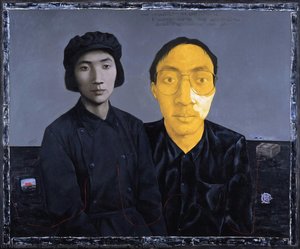
Zhang Xiaogang
1958 - , China
Datos clave
- Artistic Movement Or Style: Surrealism; Symbolist painting
- Artists Who Influenced This Artist: ['Lin Ling']
- Date Of Birth: 1958
- Full Name: Zhang Xiaogang
- Nationality: China
- Notable Artworks:
- Untitled
- Bloodline: Big Family
- Place Of Birth: Kunming, Yunnan Province
Artículos relacionados

Las 10 Pinturas Más Famosas Dominadas por el Negro | Arte y Decoración
Descubre las 10 pinturas más impactantes dominadas por el negro. Explora obras maestras de Rembrandt, Goya y Rothko, su historia y significado. Encuentra reproducciones de arte exclusivas para transformar tu hogar en .
Los 10 Maestros del Surrealismo: Obras que Desafían la Realidad | ArtsDot
Descubre los 10 cuadros surrealistas más influyentes de artistas como Dalí y Magritte. Explora la historia, el simbolismo y las técnicas del movimiento surrealista. Encuentra reproducciones de arte de museo en ArtsDot.com.

Monochrome Visions: Exploring the Aesthetic & Historical Significance of Black & White Photography
Explore the rich history & artistic power of black and white photography. From early techniques to iconic masters like Ansel Adams, discover why monochrome continues to captivate art lovers today. Expert insights for collectors.
Los 10 Maestros del Surrealismo: Obras que Revolucionaron el Arte y la Decoración
Descubre los 10 lienzos surrealistas más influyentes de artistas como Dalí y Magritte. Explora la historia, el simbolismo y las técnicas del movimiento surrealista. Encuentra reproducciones de arte de museo en ArtsDot.com.
Surrealist Dreamscapes: A Curated Guide to Integrating Breathtaking Surrealism into Sophisticated Home Decor
Transform your home into a breathtaking dreamscape with expert surrealist decor tips. Discover how to curate Salvador Dalí-inspired masterpieces, integrate symbolic textures, and commission bespoke hand-painted oil reproductions that bring the magic of the subconscious to your walls.

