

 Ver en contexto
 Enviar
 Compartir
 Detalles

 Descargar
 Similares
 Radiografía
 Presentación de diapositivas
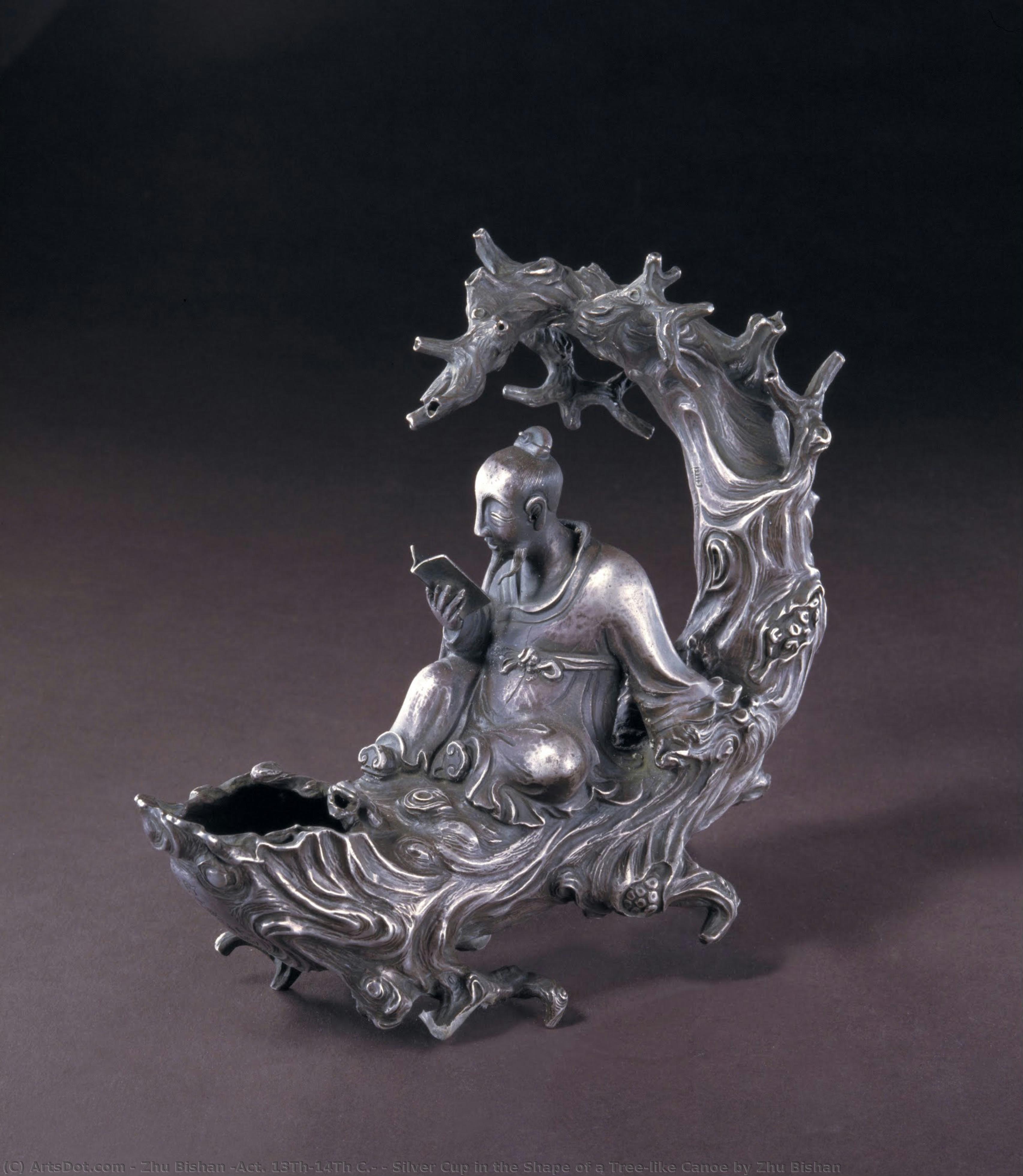
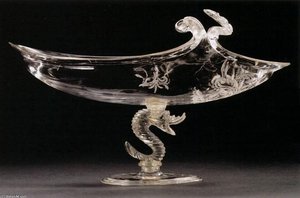
Silver Cup in the Shape of a Tree-like Canoe by Zhu Bishan

 Ver más
Reproducción al óleo hecha a mano
Óleo sobre lienzo pintado a mano en el tamaño y marco de su elección, realizado por encargo por nuestros artistas. ( Comprar impresión Comprar imagen)




P118B $10

P118H $10

P118W $10

P438Z $10

P508JH $12

P508YH $12

P805H $10

P805Z $10

P919BZ $10

P919G $10

P919XJ $10

P959ZH $10

P968JZ $12

W106C $8

W218G $10

W218JH $8

W218Y $10

W307PJ $10

W316G $10

W316PJ $8

W316Y $10

W398PJ $8

W4111J $10

W500HY $15

W500JH $15

W692G $12

W849H $8

W940BG $15

W953PJ $8




Elija entre nuestros tamaños predefinidos que respetan las proporciones originales de la obra.

Puede ingresar sus propias dimensiones para adaptarse a un marco o espacio específico. Si el tamaño seleccionado no coincide con las proporciones de la imagen original, recortaremos la obra o extenderemos la pintura con elementos adicionales pintados a mano. Se le enviará una maqueta digital para su aprobación antes de comenzar la producción.
Tenga en cuenta que la vista previa en pantalla no refleja el recorte o la extensión reales. Solo la maqueta mostrará con precisión la composición final.
Si bien existen tamaños personalizados, recomendamos seleccionar una dimensión de la lista predefinida para preservar las proporciones originales.
Tras realizar el pedido, el equipo de ArtsDot.com enviará un correo electrónico al cliente para solicitar instrucciones y proporcionarle una vista previa del boceto.
Envío a todo el mundo () en 3-4 semanas en lugar de las 5 semanas estándar. (29 agosto). Sin comprometer la calidad.

Envío exprés gratuito a todo el mundo

Lienzo de lino de alta calidad

Seguro de envío total

Garantía de reembolso de impuestos aduaneros

Garantía de fidelidad cromática exacta

Política de devolución de 60 días (solo por defectos)

Garantía de devolución del 100% del dinero

Descuento por cantidad
 La opción de vidrio solo está disponible en tamaños inferiores a 110 cm.

Silver Cup in the Shape of a Tree-like Canoe by Zhu Bishan
Técnica de reproducción
Dimensiones de la reproducción
-


Precio total final
$ 263
Obras relacionadas
Biografía del artista
The Enigmatic Brush of Zhu Bishan: A Glimpse into Yuan Dynasty Painting
Zhu Bishan, a name whispered through the annals of Chinese art history, remains an elusive figure despite his acknowledged importance during the Yuan dynasty (1271-1368). Active throughout the 13th and 14th centuries, little concrete biographical detail survives regarding this painter. He is known primarily through surviving works attributed to him – landscapes imbued with a distinctive style that speaks of both scholarly refinement and a deeply personal connection to nature. The scarcity of information only adds to the mystique surrounding his art, inviting speculation about his life, influences, and place within the evolving artistic landscape of the period. Unlike many prominent artists whose lineages and patronage are well-documented, Zhu Bishan emerges as something of a solitary voice, a master craftsman whose identity is almost entirely contained within the delicate strokes and evocative compositions of his paintings.A Scholar’s Retreat: Style and Influences
Zhu Bishan's artistic style is characterized by its subtle elegance and restrained power. He excelled in landscape painting, particularly *shan shui* (mountain-water) works, which were considered the highest form of Chinese painting. His compositions are not grandiose or overwhelming; instead, they favor intimate scenes – secluded valleys, mist-shrouded peaks, and quiet forests. The brushwork is precise yet fluid, employing a variety of ink washes to create depth, texture, and atmosphere. A hallmark of his style is the use of dry brush techniques, lending a sense of ruggedness and age to the rocks and trees. While direct influences are difficult to pinpoint with certainty due to the limited historical record, scholars suggest connections to the traditions of the Southern Song dynasty (1127-1279). The emphasis on lyrical atmosphere and philosophical contemplation found in the works of masters like Ma Yuan and Xia Gui likely resonated with Zhu Bishan. However, he wasn’t merely an imitator. He infused these established conventions with a unique sensibility, moving away from the more elaborate detailing favored by some Southern Song artists towards a greater simplicity and focus on essential forms. The paintings often convey a sense of solitude and introspection, suggesting that Zhu Bishan may have been drawn to Daoist philosophy, which emphasizes harmony with nature and the pursuit of inner peace.Themes of Contemplation and Inner Landscape
The subject matter of Zhu Bishan’s paintings consistently revolves around themes of contemplation, spiritual retreat, and the beauty of the natural world. His landscapes are not simply depictions of physical places; they are expressions of an inner state of mind. The secluded settings – often featuring humble dwellings nestled amongst mountains or forests – evoke a sense of escape from the complexities of society.- The Scholar-Official Ideal: Though his personal life remains obscure, it is widely believed that Zhu Bishan belonged to the scholar-official class. This social standing would have profoundly influenced his artistic choices, as landscape painting was often seen as a means of expressing moral virtue and philosophical understanding.
- The Power of Ink: His masterful use of ink – varying its density and texture with remarkable skill – is not merely a technical achievement but also a reflection of the artist’s emotional state. The subtle gradations of tone create an atmosphere of tranquility and suggest the ephemeral nature of existence.
- Symbolism in Nature: Elements within his landscapes often carry symbolic weight. Pine trees, for example, represent resilience and longevity, while bamboo signifies integrity and humility. These symbols add layers of meaning to his works, inviting viewers to contemplate deeper philosophical themes.
Legacy and Historical Significance
Despite the limited documentation surrounding his life, Zhu Bishan’s work holds a significant place in the history of Yuan dynasty painting. He represents a transition between the refined traditions of the Southern Song and the more expressive styles that would emerge during the Ming dynasty (1368-1644). His paintings are admired for their subtle elegance, philosophical depth, and masterful technique. While not as widely celebrated as some of his contemporaries, Zhu Bishan’s influence can be seen in the works of later artists who sought to combine scholarly refinement with a more personal expression of nature. He stands as a testament to the enduring power of *shan shui* painting – a tradition that continues to inspire and captivate audiences today. The ongoing study of his surviving artworks provides valuable insights into the artistic sensibilities of the Yuan dynasty, offering a glimpse into the world of a master painter whose legacy is etched in ink and stone.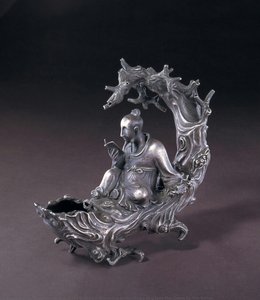
Datos clave
- Date Of Birth: 13th Century
- Date Of Death: 14th Century
- Full Name: Zhu Bishan
Artículos relacionados
Xie Zhiliu: A Legacy of Ink Wash Painting & Modern Chinese Literati Tradition
Explore the legacy of Xie Zhiliu, a master of Chinese ink wash painting & prominent figure in modern art. Discover his techniques, influences, and contributions to literati tradition. A guide for discerning collectors.
Pu Xinyu's 'Puru': A Legacy of Literati Painting & Emotional Resonance
Explore the captivating world of Pu Xinyu (Puru), the last great literati painter. Discover his imperial heritage, masterful ink wash techniques & enduring legacy – a valuable addition to any discerning art collection.
Ephemeral Expressions: Exploring the Nuances of Ink on Paper Through History & Contemporary Art
Explore the captivating world of ink wash painting – from its ancient origins to contemporary masters. Discover techniques, symbolism & conservation insights with ArtsDot.com.

