

 Ver en contexto
 Enviar
 Compartir
 Detalles

 Descargar
 Similares
 Radiografía
 Presentación de diapositivas
 Estadísticas
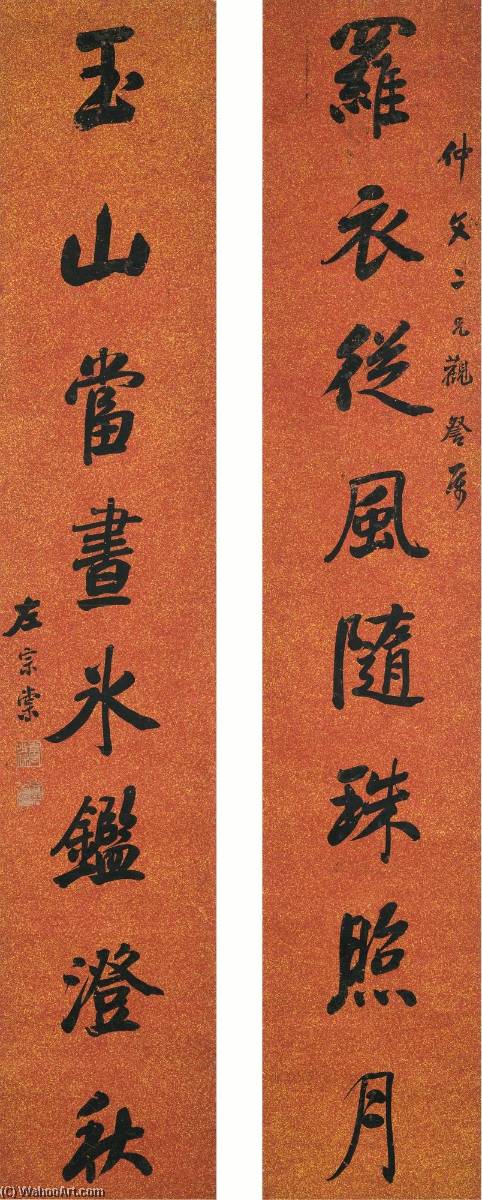
Calligraphy Couplet in Xingshu
 156.0 x 29.0 cm
 Ver más
Giclée / Impresión de arte
Impresiones giclée o en lienzo de calidad de museo con producción rápida y opciones de acabado flexibles. ( Comprar pintura hecha a mano Cambiar a imagen digital)




































Elija entre nuestros tamaños predefinidos que respetan las proporciones originales de la obra.

Puede introducir sus propias dimensiones para adaptarse a un marco o espacio específico. Si el tamaño seleccionado no coincide con las proporciones de la imagen original, recortaremos la obra de arte o extenderemos la imagen con un borde con efecto espejo o de color sólido. Se enviará una maqueta digital para su aprobación antes de que comience la producción.
Tenga en cuenta que la vista previa en pantalla no refleja el recorte o la extensión real. Solo la maqueta mostrará con precisión la composición final.
Aunque existen tamaños personalizados, recomendamos seleccionar una dimensión de la lista predefinida para preservar las proporciones originales.
Envío a todo el mundo () en 2 semanas en lugar de las 4/5 semanas estándar. (13 septiembre)

Envío exprés gratuito a todo el mundo

Lienzo de lino de alta calidad

Seguro de envío total

Garantía de reembolso de impuestos aduaneros

Garantía de fidelidad cromática exacta

Política de devolución de 100 días (solo por defectos)

Garantía de devolución del 100% del dinero

Descuento por cantidad
 La opción de vidrio solo está disponible en tamaños inferiores a 110 cm.

Calligraphy Couplet in Xingshu
Giclée / Impresión de arte
Dimensiones de la reproducción
-


Precio total final
$ 62
Obras relacionadas


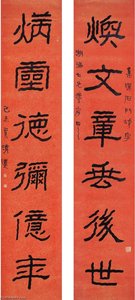
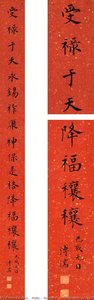

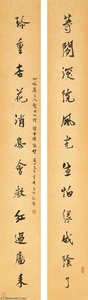
Biografía del artista
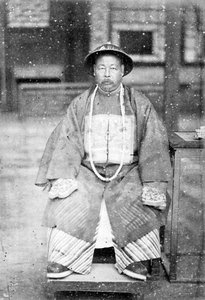
Zuo Zongtang: The Architect of Qing Revival
Zuo Zongtang (born Nov. 10, 1812, Xiangyin, Hunan province, China—died Sept. 5, 1885, Fuzhou, Fujian province) was a Chinese administrator and military leader who stands as one of the pivotal figures in restoring stability to the Qing dynasty during its turbulent decline. His unwavering dedication to preserving imperial authority amidst internal strife and external pressures cemented his legacy as a transformative reformer and a symbol of resilience for China’s cultural heritage. Born into a family steeped in Confucian scholarship, Zuo’s early life was marked by rigorous academic pursuits focused on geography and agriculture—disciplines that would prove invaluable in shaping his administrative approach. Recognizing the looming threat posed by the Taiping Rebellion (1850–1864), a devastating uprising fueled by religious fervor and social discontent, Zuo swiftly mobilized local defenses and ascended to prominence as a commander within the Qing military. His decisive leadership during this period demonstrated an astute understanding of battlefield strategy and garnered him considerable respect amongst his peers. The zenith of Zuo’s career arrived in 1867 when he was appointed governor-general of Shaanxi and Gansu—territories ravaged by Muslim rebellions that challenged Qing sovereignty. Unlike many officials paralyzed by inaction, Zuo embarked on a methodical campaign to quell the insurgency, prioritizing pragmatic solutions underpinned by economic revitalization and leveraging Western technological advancements. This approach wasn’t merely about military conquest; it represented a fundamental reimagining of governance – bolstering local economies and fostering cooperation between imperial forces and regional populations. His crowning achievement came in 1869 with his triumphant recapture of Kashgar—a strategically vital city at the crossroads of Central Asia—from Russian influence. This audacious undertaking showcased Zuo’s unwavering determination to safeguard China's borders and reinvigorate its prestige on the international stage. The Treaty of St. Petersburg (1881), brokered after years of arduous negotiations, formally recognized Qing dominion over Xinjiang, marking a resounding victory for Zuo’s vision of restoring imperial grandeur. Despite facing considerable opposition from conservative factions within the Qing court—who viewed his reforms as destabilizing—Zuo persevered in advocating for modernization and bolstering China's defenses against encroaching foreign powers. Tragically, he succumbed to illness in 1885, leaving behind a profound impact on Chinese history. His legacy endures not only as a military strategist but also as an embodiment of Confucian ideals – unwavering loyalty to the emperor and steadfast commitment to upholding traditional values amidst turbulent times. Zuo Zongtang’s life serves as a testament to the enduring power of principled leadership in safeguarding national identity and securing a brighter future for China.- Notable Achievements: Successful suppression of Muslim rebellions, recapture of Kashgar, Treaty of St. Petersburg (1881), bolstering Qing defenses.
- Influences: Confucian scholarship, Geographic studies, Military strategy
- Historical Significance: Symbol of Qing revival, Champion of modernization amidst conservative resistance
Datos clave
- Artistic Movement Or Style: Calligraphy
- Artists Or Movements Influenced By This Artist: ['']
- Artists Who Influenced This Artist: ['']
- Date Of Death: Sept 5, 1885
- Full Name: Zuo Zongtang
- Nationality: Chinese
- Notable Artworks: ['Running Script Couplet']
- Place Of Birth: Xiangyin, Hunan province