Establishing Brand Heritage: The Strategic Role of Classical Realism in Luxury Hospitality
 Bulk Art Procurement Guide: High-Volume Fine Art Solutions for Luxury Hotels & Corporate Interiors
Strategic Art Selection: Establishing Brand Heritage through Classical Realism Mastering Classical Realism: A Procurement Guide to Timeless Art for Luxury Hotel Interiors Defining Classical Realism: Establishing Prestige and Brand Heritage in Hospita...
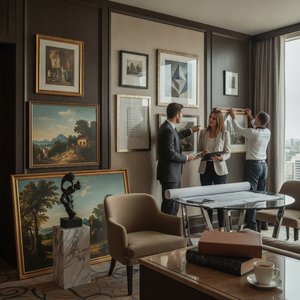
In the competitive landscape of luxury hospitality, the visual narrative of a lobby or an executive suite serves as the silent ambassador of a brand’s heritage. For the discerning designer, selecting artwork is far more than a decorative afterthought; it is a strategic decision to establish authority and prestige. Classical Realism offers a profound way to achieve this, moving beyond the fleeting trends of contemporary abstraction to anchor a space in a fundamental sense of permanence. Unlike the theatricality of Romanticism or the idealized perfection of Neostructuralism, Realism brings an objective truth to the interior, confronting the tangible textures of life with a poetic precision.
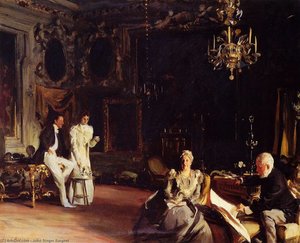
When a guest enters a space adorned with works that masterfully capture light, shadow, and human presence, they are immediately enveloped in an atmosphere of established sophistication. Consider the profound impact of a piece that captures the meticulous craftsmanship and attention to detail found in academic traditions; such works do not merely occupy a wall but curate an experience of serenity and grace. By integrating the academic rigor of realism, designers can create environments that resonate with a sense of order and authenticity, providing a foundation of luxury that feels both timeless and deeply rooted in historical excellence.
High-Volume Procurement Solutions: Balancing Aesthetic Prestige with Operational Efficiency
 Premium Realism Artworks: High-Volume Procurement Solutions for Hospitality Designers & Professional Decorators
Strategic Art Procurement: Balancing Brand Identity with Operational Efficiency Bulk Fine Art Reproductions for Hotels & Restaurants: A Procurement Guide to Scalable, High-Volume Decor Solutions Strategic Art Procurement: Balancing Brand Identity wit...
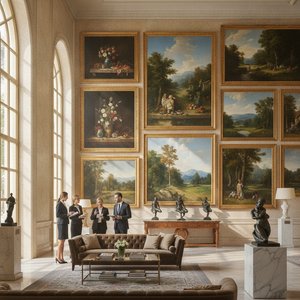
In the high-stakes arena of hospitality design, the selection of artwork must navigate a complex intersection of uncompromising prestige and rigorous operational efficiency. For procurement professionals overseeing large-scale hotel renovations or sprawling restaurant franchises, the challenge lies in finding a reliable supply chain capable of handling high-volume requirements without sacrificing the soul of the art. A successful acquisition strategy must move beyond mere aesthetics to consider how art functions as a strategic asset that reinforces a brand's identity across multiple floors or international locations.
Achieving this balance requires a shift from viewing art as an individual purchase to managing it as a scalable decor solution. Efficiency in large-scale projects is found in predictability—predictable quality, predictable sizing, and predictable delivery. By leveraging high-volume business catalogs, designers can ensure that the visual language of a brand remains consistent, whether they are furnishing a single boutique lobby or a global chain of executive suites. The goal is to ensure that every corridor, suite, and lounge contributes to a singular, luxurious narrative through a unified aesthetic vision.
Technical Durability and Substrate Selection for High-Traffic Commercial Environments
 Premium Art Solutions for Luxury Hotels and Corporate Spaces: A Procurement Guide to High-Volume Fine Art Reproductions
Strategic Substrate Selection: Balancing Aesthetic Depth with Durability for High-Traffic Environments Oil on Panel: The Durable Choice for High-Volume Art Procurement in Hospitality Design Structural Integrity: Why Oil on Panel Outperforms Canvas in...
In the demanding landscape of luxury hospitality design, where the aesthetic experience must withstand the rigors of high-traffic corridors and climate-controlled lobbies, the choice of substrate is a critical decision for any procurement manager. While traditional canvas has long been a standard, the architectural demands of commercial spaces often necessitate more robust alternatives to ensure longevity and protect capital investments. Understanding the technical nuances between mediums is essential for maintaining the integrity of the collection over years of use.
Oil on panel offers a level of structural stability that is unparalleled in commercial settings. Unlike canvas, which can be susceptible to the subtle expansions and contractions caused by fluctuations in humidity and temperature, a rigid panel provides a steadfast foundation. This prevents the micro-movements that can lead to surface tension issues or hairline fractures in the paint film over time. Beyond mere durability, the medium itself dictates the visual impact; true oil painting offers a profound depth born from the marriage of pigment and binder, creating a substance that becomes an integral part of its support through the meticulous application of translucent glazes.
Scalable Decor Strategies: From Multi-Panel Group Sets to Large-Format Architectural Murals
 Photography as Art: A Professional Procurement Guide to High-Volume Photographic Sourcing for Commercial & Hospitality Interiors
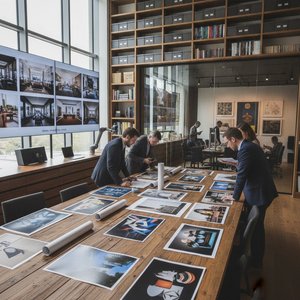
Strategic Integration: Photography as a Brand Anchor in Hospitality Design Whimsical Art Collections: A Procurement Guide to Playful Masterpieces for Creative Commercial Spaces The Strategic Role of Whimsical Art in Hospitality Brand Identity Timeles...
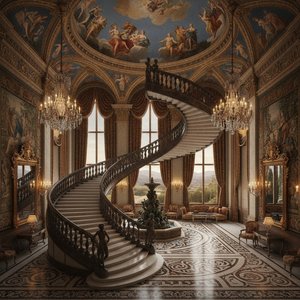
Modern architectural demands often require art that can command expansive surfaces without losing its cohesive identity. The multi-panel trend has emerged as a sophisticated solution for wide walls or grand staircases, where a single image is split across three, four, or five panels. This approach allows for a contemporary, rhythmic flow of color and brushstroke across the architecture, ensuring that the artwork integrates seamlessly with the structural rhythm of the building. Such configurations are particularly effective in creating a sense of movement within transitional spaces like hallways and atriums.
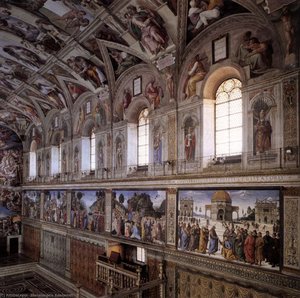
For even more ambitious projects, large-format murals and frescoes provide an unparalleled opportunity to transform entire rooms. These works, painted on massive canvas rolls, allow designers to recreate historical grandeur—such as the intricate ceilings of the Renaissance—within a modern hospitality context. Much like high-end wallpaper, these architectural elements can be installed to cover vast expanses, providing a continuous, immersive environment that anchors the brand's visual identity in a way that standard-sized frames cannot achieve.
Customization and Integration: Tailoring Artworks to Specific Interior Color Palettes and Brand Identities
 Interior design
Interior design is the art and science of enhancing the interior of a building to achieve a healthier and more aesthetically pleasing environment for the people using the space. With a keen eye for detail and a creative flair, an interior designer is...
The true pinnacle of sophisticated interior design is achieved when art is not merely placed within a room but is fundamentally integrated into its DNA. This level of customization allows designers to "remix" art history, requesting that a classic subject be painted in the impasto style of Van Gogh or the light-drenched atmosphere of Monet to match a specific lighting scheme. Furthermore, the ability to perform "Period Shifts"—transforming modern imagery into 17th-century masterpieces—allows for a bespoke level of storytelling that is unique to each property.
To ensure a perfect match with an existing interior design color palette, professional designers can utilize specialized tools to browse by color theme or request custom color matching during the commission process. This ensures that the artwork complements the upholstery, flooring, and architectural finishes perfectly. Whether through the use of digital mockups to visualize compositions before painting begins or the selection of specific textures like an aged and cracked craquelure finish, the ability to tailor every element of a piece ensures that the final acquisition is a seamless extension of the brand's curated world.
For professional procurement inquiries, bulk orders, and custom commissions, visit ArtsDot.com.