The Alchemical Revolution: How Oil Painting Unlocked New Dimensions of Light
 The Alchemy of Light: Discovering the Luminous Realism of Early Netherlandish Masters
The Alchemical Revolution: How Oil Painting Unlocked New Dimensions of Light The Northern Renaissance: A Masterclass in Hyper-Realism, Oil Innovation, and Symbolic Depth The Alchemical Revolution: How Oil Painting Transformed the Northern Canvas Mast...
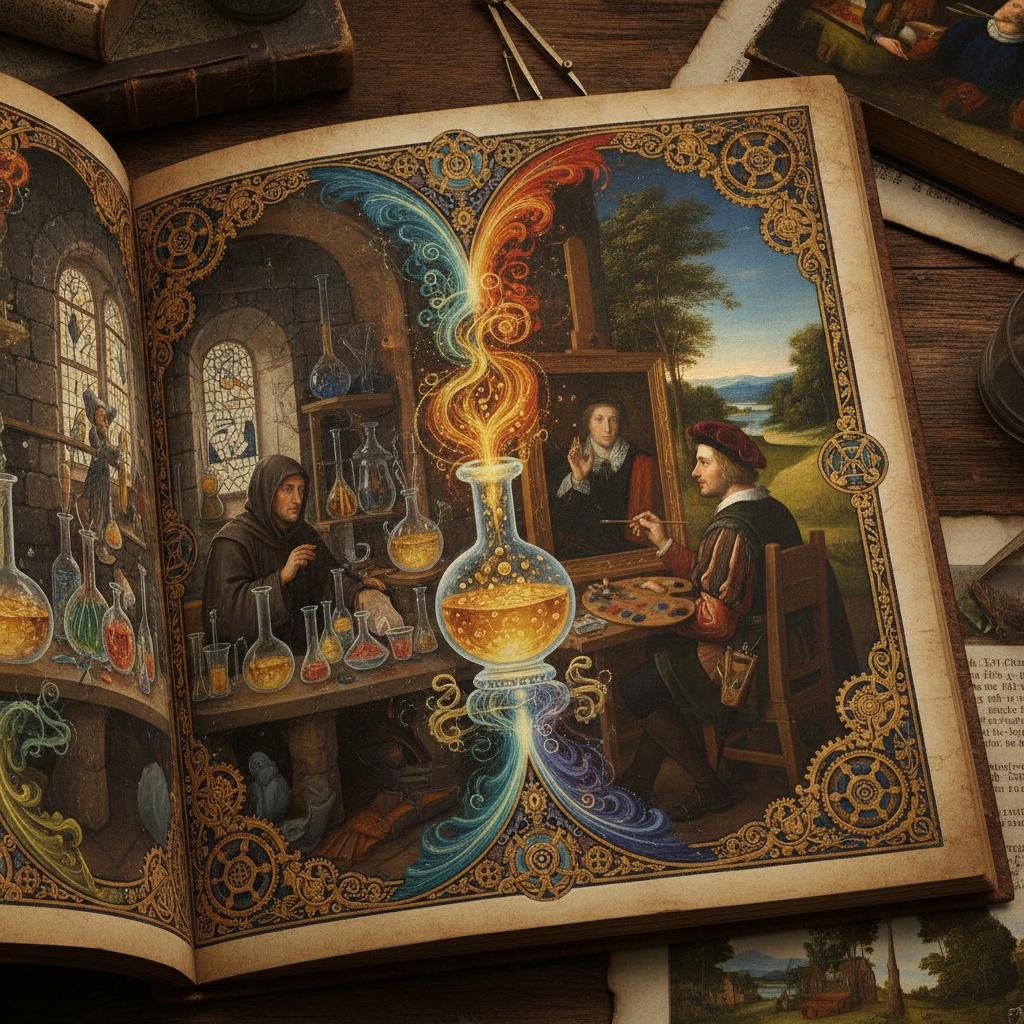
To step into the world of fifteenth-century Flemish art is to witness a profound revolution in the very chemistry of light. Before the masters of the North achieved their legendary status, the visual language of Europe was largely defined by the matte, opaque, and somewhat rigid qualities of egg tempera. While this older medium possessed its own delicate beauty, it lacked the capacity for the slow, luminous transitions that would eventually define the Northern Renaissance. The true transformation occurred through what can only be described as an alchemical mastery over transparency and depth.
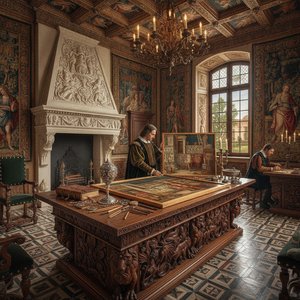
The innovation lay in the refinement of layering thin, translucent glazes of pigment suspended in drying oils, such as walnut or poppy seed. This technique allowed artists to unlock a new dimension of expression, creating a jewel-like brilliance where light would penetrate the surface, catch within the pigment, and refract back to the viewer’s eye. This created a sense of internal radiance that seemed to emanate from within the canvas itself. While the roots of oil painting can be traced much further back to ancient traditions in places like Afghanistan, it was the Early Netherlandish painters who breathed true life into the medium, using its forgiving nature and rich color density to move art away from the symbolic flatness of the Middle Ages toward a breathtakingly tactile reality.
Microscopic Devotion: The Hyper-Real Pursuit of Texture and Detail
 The Northern Renaissance: A Masterclass in Hyper-Realism, Oil Innovation, and Symbolic Depth
The Alchemical Revolution: How Oil Painting Transformed the Northern Canvas Mastering Detail: A Guide to the Timeless Beauty and Technical Brilliance of Flemish Painting The Alchemy of Oil: Pioneering Techniques of the Early Netherlandish Masters To ...
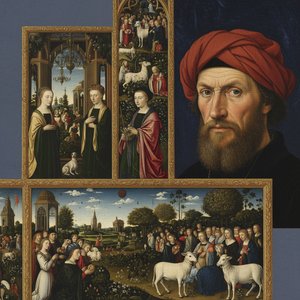
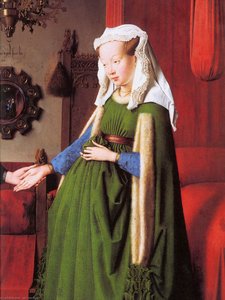
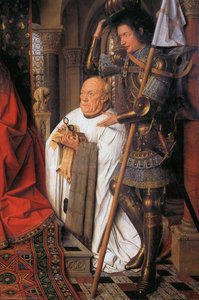
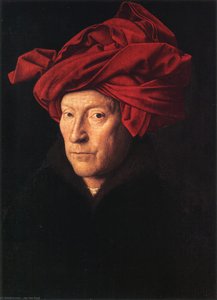
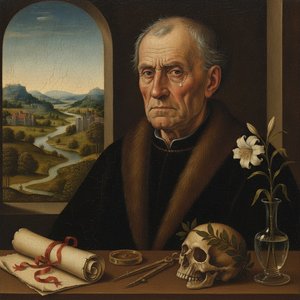
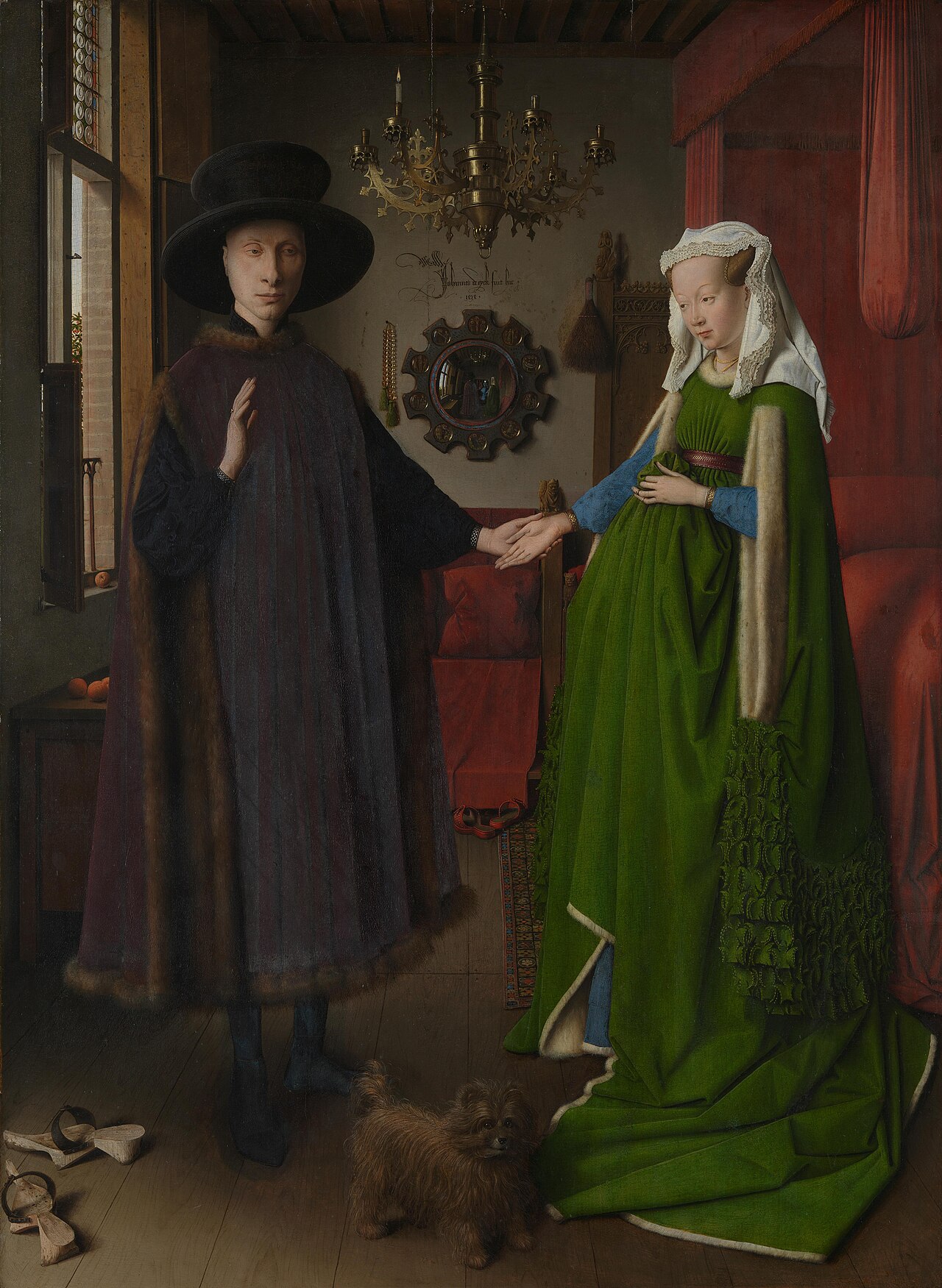
The hallmark of this era is a level of precision that borders on the supernatural. Early Netherlandish artists did not merely paint subjects; they investigated them with a microscopic devotion, seeking to find the infinite within the infinitesimal. This pursuit of hyper-realism meant that every surface—from the heavy, velvet folds of a merchant's cloak to the cold, hard glint of a brass ewer—was rendered with an almost obsessive attention to texture. There is a visceral quality to these works, where the viewer can almost feel the weight of the fabric and the smoothness of polished stone.
< p>This technical brilliance was not just about showing off skill; it was about making the painted image vividly present. By mastering the play of light across different materials, artists like Jan van Eyck and Robert Campin achieved a level of verisimilitude that made the divine feel tangible. The inclusion of anatomical precision, such as the rendering of a horse or the subtle veins in a human hand, added a layer of grounded reality to even the most celestial dramas. It was a period where the boundaries of painting were extended until they seemed as limitless as the blue-tinged mountains of a distant horizon.Beyond the Surface: Decoding the Hidden Symbolism in Flemish Masterpieces
--- title: Early Netherlandish Painting - The Metropolitan Museum of Art author: Maryan Ainsworth url: https://www.metmuseum.org/essays/early-netherlandish-painting hostname: metmuseum.org description: Whether they were made as objects for veneration...
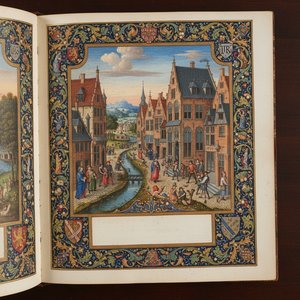
While the surface of these paintings offers a window into a hyper-real world, the true depth of Early Netherlandish art lies in its complex iconography. To the untrained eye, a simple domestic scene might appear to be merely a record of human existence; however, for the contemporary viewer, every object served as a vessel for deeper meaning. This was an era where the unseen was made palpable through carefully placed symbols. A single candle, a basin of water, or even the way light falls across a piece of fruit could communicate profound theological truths or moral allegories.
This layer of symbolic depth transformed every canvas into a complex narrative puzzle. The artists utilized a naturalistic vocabulary to hide spiritual messages in plain sight, creating a tension between the earthly and the divine. Whether through the use of religious icons or subtle references to mortality, these works functioned as both objects for veneration and sophisticated intellectual exercises. This marriage of extreme realism with profound mystery is precisely what continues to captivate collectors and historians alike, offering a richness that rewards repeated, careful observation.
From Sacred Icons to Human Reality: The Evolution of Northern Narrative
 Early Netherlandish painting
Early Netherlandish painting is the body of work by artists active in the Burgundian and Habsburg Netherlands during the 15th- and 16th-century Northern Renaissance period, once known as the Flemish Primitives. It flourished especially in the cities ...
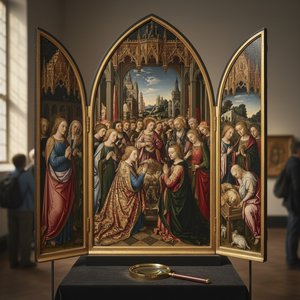
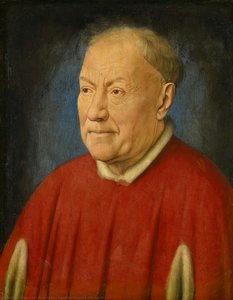
The trajectory of the Northern Renaissance is marked by a fascinating shift in subject matter. In its earliest stages, the focus remained heavily on religious scenes and altarpieances—works designed for devotion and spiritual instruction. However, as trade and commerce expanded within the Burgundian and Habsburg Netherlands, a new class of wealthy merchant patrons emerged. This economic shift brought about a demand for more secular subjects, including intimate portraits and landscapes that reflected the prosperity and social dynamics of the era.
As we move through the 15th and into the 16th century, we see the gradual incorporation of Renaissance ideals from Italy, yet the Northern sensibility remained distinct. The works began to evolve from purely sacred icons toward a more complex reflection on human existence and social reality. We see this evolution in the transition from the intense spiritual focus of early masters to the more expansive, often enigmatic landscapes of later figures like Pieter Bruegel the Elder. This movement allowed for a broader exploration of the human condition, blending the monumental with the mundane.
The Legacy of the Masters: Bringing Renaissance Luminosity to Modern Spaces
 The Enduring Legacy of Oil on Canvas: Technique, History & Aesthetic Impact
The Genesis of Oil Painting: From Ancient Origins to Renaissance Mastery Wikipedia: Oil painting Oil painting is a painting method involving the procedure of painting with pigments combined with a drying oil as the binder. It has been the most common...
The enduring legacy of the Early Netherlandish masters lies in their ability to bridge the gap between the physical and the spiritual. Their technical innovations in oil painting changed the course of Western art forever, establishing a standard for realism and light that would influence generations of painters. Today, the impact of this era is felt not just in museums, but in our ongoing desire to surround ourselves with beauty that possesses both tactile depth and emotional resonance.
In a modern world often dominated by the fleeting and the digital, there is a profound value in returning to the luminous realism of the North. Whether through the study of historical masterpieces or the commissioning of high-quality reproductions, the goal remains the same: to experience art that feels alive. The mastery of light, the meticulousness of detail, and the depth of meaning found in these works continue to offer a sense of wonder, proving that the alchemical revolution of the 15th century is far from over.