The Neon Pulse of Montmartre: Stepping into Toulouse-Lautrec’s Nocturnal World
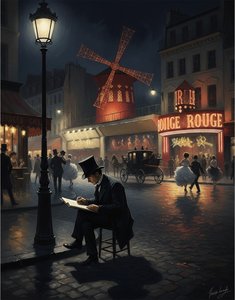 Chiaroscuro of the Belle Époque: Unveiling the Nocturnal Soul of Toulouse-Lautrec’s Paris
The Bohemian Pulse: Montmartre and the Birth of Post-Impressionist Nightlife To understand the soul of Henri de Toulouse-Lautrec, one must first descend into the labyrinthine streets of late 19th-century Montmartre. This was not merely a district; it...
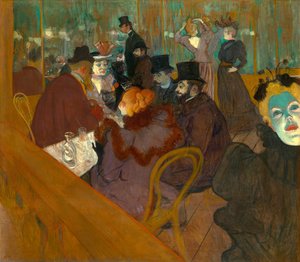
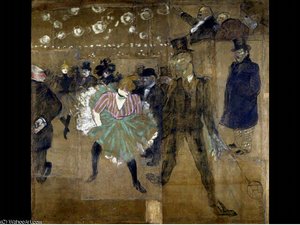
Imagine stepping into a world where the air is thick with the scent of absinthe, tobacco, and the electric, unbridled energy of a city that refuses to sleep. This was the late 19th-century Paris of Henri de Toulouse-Lautrec, a landscape defined by the flickering amber glow of gaslight and the velvet shadows of Montmartre’s most intimate cabarets. To wander through his works is not merely to view paintings; it is to slip, unnoticed, into the fever dream of the Belle Époque. Lautrec possessed an unparalleled ability to navigate these nocturnal corridors, capturing the raw, unvarnished vitality of a world that thrived while the rest of the city slumbered. He found profound beauty in the ephemeral—the weary glance of a performer behind the scenes, the rhythmic sway of a dancer’s skirt, and the fleeting intimacy shared between strangers in a crowded room.
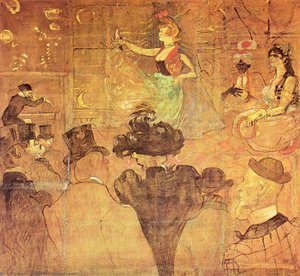
His gaze was never that of a detached tourist; it was the empathetic eye of an insider who inhabited these spaces. Whether documenting the frenetic rhythm of the Moulin Rouge or the quiet, psychological nuances found in more domestic moments, Lautrend captured the very essence of human movement and social flux. There is a certain magic in his ability to find light within the darkness, using a sophisticated manipulation of shadow—a modern evolution of chiaroscuro—to sculpt the atmosphere of the cabaret. In his hands, the smoky air of the Chat Noir becomes palpable, inviting us to witness a moment in history where the boundaries between art and life were being irrevocably redrawn.
Graphic Gold: How Iconic Posters Redefined the Visual Language of Pop Culture
 Jane Avril
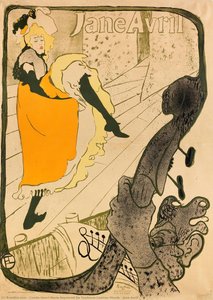
A Portrait of Movement: Toulouse-Lautrec’s Jane Avril Henri de Toulouse-Lautrec's “Jane Avril,” completed in 1893, transcends mere depiction; it embodies the spirit of Montmartre and captures a fleeting moment of artistic brilliance. Created during h...
Long before the neon signs of modern Tokyo or the bold branding of contemporary street culture, Toulouse-Lautrec was revolutionizing the visual language of the streets through his mastery of the poster. These weren't just advertisements; they were carefully constructed narratives designed to provoke emotion and celebrate the dynamism of an era. His work in lithography helped ignite the golden age of poster art, utilizing bold outlines, flattened planes of color, and a striking graphic energy that echoed the influence of Japanese woodblock prints. This was the birth of a new aesthetic—one where high art met the pulsing pulse of popular culture.
Consider the iconic imagery of Jane Avril, where the artist eschews rigid realism in favor of flowing, Art Nouveau lines that mimic the undulating curves of ocean waves. These posters captured the spirit of liberation and defiance prevalent in Montmaztte, turning a dancer’s pose into a symbol of artistic brilliance. This graphic punch—the ability to communicate complex emotion through simplified, high-impact forms—is the direct ancestor of today's most influential design movements. Lautrec proved that art could be both mass-produced and deeply soulful, bridging the gap between the fine arts and the vibrant, commercial energy of the streets.
Beyond the Canvas: The Raw Energy and Rebellion of the Belle Époque
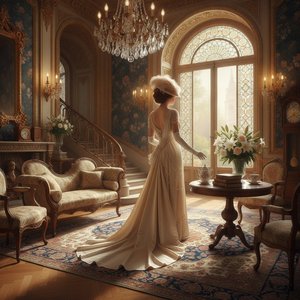 Step into Elegance: Discover the Timeless Beauty and Opulence of Belle Époque Art
The Golden Age of Optimism: Defining the Belle Époque Era Echoes of 1882: Art, Culture & the Belle Époque's Lasting Impression The Dawn of Optimism: Paris Before the Storm (1871-1882) Wikipedia: Belle Époque The Belle Époque (French pronunciation: [b...
The era known as La Belle Époque was a period of profound tension, a delicious struggle between decadence and despair. While history often remembers it as a golden age of optimism, Lautrec’s work reveals the grit beneath the glamour. He turned his brush toward the marginalized—the dancers, the circus performers, and the inhabitants of the rue des Moulins—celebrating their resilience amidst a landscape of social flux. His life, marked by both aristocratic privilege and profound physical challenge, allowed him to connect deeply with those living on the fringes of society. This connection birthed a Post-Impressionist vision that moved beyond the mere observation of light to capture the psychological truth of his subjects.
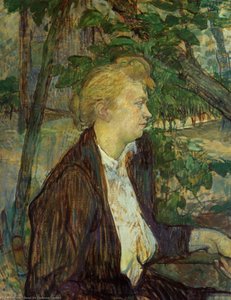
There is a raw, unpolished honesty in his depictions that defies the polished academic standards of his time. He did not seek to idealize; he sought to distill the human experience into its purest essence. Even in his more tender works, such as his portraits of companions or even his beloved dog, Dun, there is an exploration of vulnerability and connection. This rebellion against the rigid hierarchies of the era—the dissolution of class boundaries under the amber glow of the cabaret—is what gives his work its enduring, rebellious spirit. He captured a moment where the old world was fading and a new, more chaotic, and more vibrant reality was being born.
Remixing History: Transforming Modern Moments into Post-Impressionist Masterpieces
 Post-Impressionism
Post-Impressionism (also spelled Postimpressionism) was a predominantly French art movement which developed roughly between 1886 and 1905, from the last Impressionist exhibition to the birth of Fauvism. Post-Impressionism emerged as a reaction agains...
In our current age of digital fleetingness, the essence of Lautrec’s work remains strikingly relevant. The ability to freeze a moment of raw emotion—a shared laugh, a lonely glance, or a burst of theatrical joy—is a skill that transcends the 19th century. This is why the aesthetic of the Belle Époque continues to resonate with the modern urban professional. We see the parallels between the bohemian sanctuary of Montmartre and our own contemporary pursuit of identity through design, fashion, and visual impact.
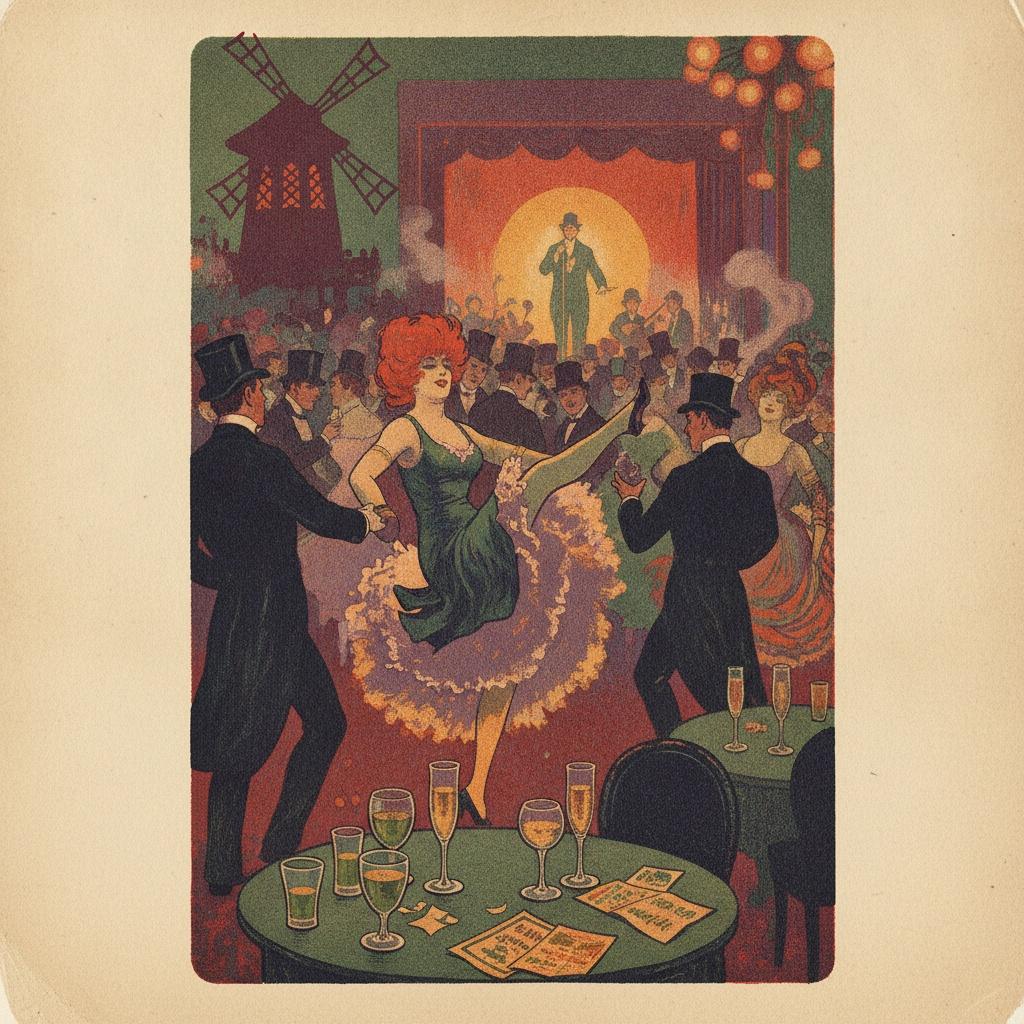
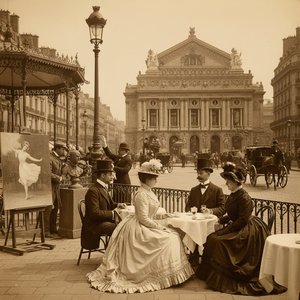
At ArtsDot.com, we embrace this spirit of transformation by offering the ability to "remix" art history itself. The concept of a "Period Shift" allows us to take a modern milestone—a wedding portrait or a personal selfie—and reimagine it through the lens of historical mastery. Imagine your own life captured with the impasto texture and light-drenched soul of a Post-Impressionist master, or your pet rendered with the psychological nuance found in Lautrec’s most intimate portraits. By blending modern technology with traditional, hand-painted techniques on 100% cotton canvas, we allow you to bridge the gap between the digital present and the timeless, textured past, creating a personal legacy that carries the weight of history.
From Street Art to Fine Art: Why Lautrc’s Bold Aesthetic Still Dominates Design
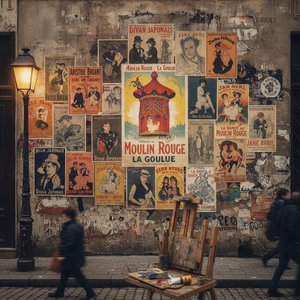 25 Iconic Masterpieces by Henri de Toulouse-Lautrec: The Spirit of Montmartre
Introduction Step into the flickering gaslight of late 19th-century Paris, where the air is thick with the scent of absinthe, tobacco, and the electric energy of a city that never truly sleeps. To wander through the works of Henri de Toulouse-Lautrec...
The influence of Toulouse-Lautrec lingers in every modern graphic design and every portrait that seeks to capture true character beneath the surface. His legacy is visible in the high-contrast aesthetics of street art, the bold typography of contemporary branding, and the cinematic use of light in digital media. He broke the rules of composition, favoring movement and impact over static perfection, a principle that remains the cornerstone of impactful visual communication today.
His work serves as a reminder that true art does not need to be polite; it needs to be felt. Whether through the heavy, visible brushstrokes of an oil reproduction or the sharp, clean lines of a modern poster, the goal remains the same: to capture the pulse of the era. As we continue to navigate our own era of rapid visual change, the bold, confident, and often scandalous spirit of Lautrec provides a blueprint for how to create art that is not just seen, but experienced. His life and work remain an eternal chronicle of the human spirit, proving that even in the darkest shadows, there is always a way to find the light.
Discover more at ArtsDot.com — The Bold Contemporary Art Store.