The Silent Ambassador: Establishing Brand Heritage through Impressionist Narratives
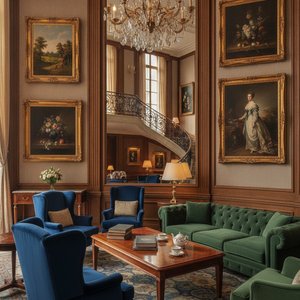 Timeless 19th Century Art Reproductions: A Strategic Procurement Guide for Hotel and Hospitality Interior Designers
The Strategic Role of 19th Century Art in Hospitality Brand Identity Timeless Female Portraits: A Procurement Guide to Premium Oil Reproductions for Luxury Hospitality & Commercial Interiors Strategic Selection: Integrating Classic Female Portraiture...
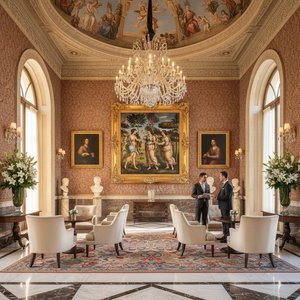
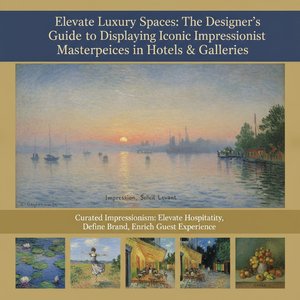
In the rarefied atmosphere of luxury hospitality, a hotel's visual narrative is far more than a mere collection of decorative accents; it serves as the silent ambassador of its very soul. For the discerning designer, every corridor and lounge is an opportunity to weave a story of permanence and prestige. When we look toward the Impressionist movement—the luminous worlds of Monet, Renoir, and Pissarro—we find a profound tool for brand storytelling. These works do not simply occupy space; they anchor a property in an era of perceived elegance, transforming transient guest quarters into curated journeys of historical continuity.
By integrating the soft, light-drenched landscapes of American Impressionism or the intimate, dappled sunlight found in Post-Impressionist interiors, a designer can evoke an immediate sense of established authority. Unlike the fleeting trends of contemporary abstraction, the Impressionist focus on light, color, and atmosphere provides a psychological anchor for the guest. A well-placed reproduction of a sunlit room, reminiscent of Vuillard’s quiet domesticity, invites a moment of peaceful contemplation, imbuing the hotel with an air of sophisticated calm that lingers in the memory long after departure.
Strategic Procurement: Balancing Aesthetic Prestige with High-Volume Operational Efficiency
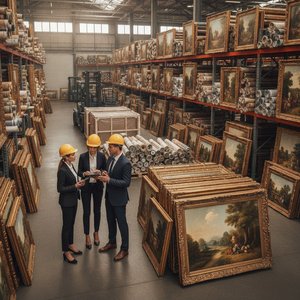 Bulk Vintage Painting Reproductions: A Procurement Guide for Hospitality & Corporate Interior Designers
Strategic Art Procurement: Balancing Brand Identity with Operational Efficiency Bulk Fine Art Reproductions for Hotels & Restaurants: A Procurement Guide to Scalable, High-Volume Decor Solutions Strategic Art Procurement: Balancing Brand Identity wit...
The high-stakes arena of large-scale hospitality design presents a unique paradox: the need for uncompromising aesthetic prestige must coexist with rigorous operational efficiency. For procurement professionals overseeing sprawling hotel renovations or international restaurant franchises, the challenge lies in navigating this intersection without diluting the brand's visual integrity. A successful acquisition strategy requires moving beyond viewing art as an individual purchase and instead managing it as a scalable decor solution where predictability in quality, sizing, and delivery becomes the cornerstone of professional excellence.
Achieving this balance is possible through the strategic use of high-volume fine art solutions. The modern designer can leverage premium oil reproductions to ensure that every floor, suite, and executive lounge contributes to a singular, unified narrative. By sourcing masterfully executed works that capture the meticulous craftsmanship of academic traditions, designers can achieve a sense of order and authenticity across vast architectural footprints. This approach allows for the seamless scaling of aesthetics, ensuring that the grandeur of the Old Masters meets the precision of modern logistics, providing a foundation of luxury that feels both timeless and deeply rooted in excellence.
Curating Atmosphere: Utilizing Light and Texture to Enhance Guest Tranquility
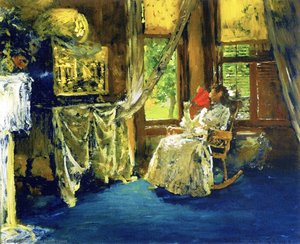
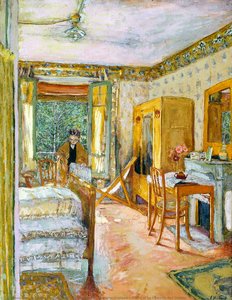 Sunlit Interior: Madame Vuillard's Room at La Closerie des Genêts
A Glimpse into Intimate Domesticity: Vuillard’s Sunlit Interior Jean-Édouard Vuillard's *Sunlit Interior: Madame Vuillard's Room at La Closerie des Genêts* (1921) offers a captivating window into the private world of a woman within her personal space...
A wall in a luxury hotel is never merely a boundary; it is a canvas awaiting a narrative that can manipulate the very mood of a room. The strategic deployment of Impressionist textures offers an unparalleled way to enhance guest tranquility. Consider the profound impact of works that masterfully capture the play of light and shadow. When a guest enters a space adorned with the visible, expressive brushstrokes of an oil painting, they are enveloped in an atmosphere of tactile depth. This is particularly true when utilizing the impasto technique, where the physical presence of the paint creates a shimmering effect that captures the movement of light across a surface.
The use of color within these works can be used to guide the eye and establish focal points that command respect. Soft, pastel tones and cool blues, as seen in the works of Berthe Morisot, can evoke a sense of serenity and domesticity, perfect for spa environments or quiet reading lounges. Conversely, warmer earth tones—ochres, browns, and deep reds—can create an inviting warmth in grand dining rooms. By selecting artworks that prioritize subjective visual experiences over sharp realism, designers can manipulate the sensory environment, using light and texture to foster an atmosphere of enduring quality and contemplative calm.
Beyond the Single Canvas: Implementing Multi-Panel Masterpieces for Grand Architectural Spaces
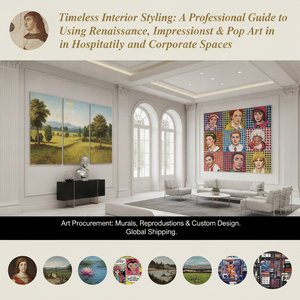 Timeless Interior Styling: A Professional Guide to Using Renaissance, Impressionist & Pop Art in Hospitality and Corporate Spaces
Establishing Prestige: The Strategic Role of Renaissance and Baroque Art in Luxury Hospitality Portois & Fix Company The Enduring Legacy of Portois & Fix: Vienna’s Masters of Rococo Revival In the opulent world of 19th-century Viennese decorative art...
In the presence of grand lobbies or sweeping staircases, a single, isolated frame often fails to capture the architectural scale of the environment. To address these expansive surfaces, the contemporary trend of multi-panel paintings offers a sophisticated solution. Splitting a singular Impressionist masterpiece across three, four, or even five panels allows the artwork to breathe within large-scale design, creating a modern, rhythmic flow that mirrors the architecture itself. This technique transforms a wall into a dynamic installation, where the colors and brushstrokes flow seamlessly from one panel to the next.
This multi-panel approach is particularly effective for creating a sense of movement in high-traffic commercial zones. It allows the designer to anchor large, empty expanses with a cohesive visual statement that feels both monumental and integrated. Whether it is an expansive view of a water lily pond or a sprawling landscape, the fragmented composition invites the viewer to engage with the art as they move through the space, turning a simple walk through a corridor into a discovery of layered beauty.
Seamless Integration: Customizing Artworks to Match Bespoke Interior Color Palettes
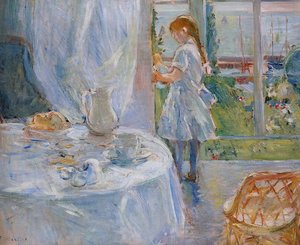 Cottage Interior (also known as Interior at Jersey)
Cottage Interior (also known as Interior at Jersey) by Berthe Morisot Berthe Morisot was a renowned French painter and a prominent figure in the Impressionist movement. Her painting, Cottage Interior (also known as Interior at Jersey) , is a beautifu...
True luxury lies in the details of cohesion. For the bespoke hotel interior, where every fabric, stone, and finish has been meticulously selected, the artwork must be an extension of this palette rather than a disruption to it. The ability to "remix" art history provides designers with an extraordinary advantage. Through professional digital mockup services, it is now possible to see how a specific composition will interact with a room's existing tones before a single drop of paint touches the canvas. This allows for custom color matching, ensuring that the blues of a Monet landscape perfectly complement the velvet upholstery of a lounge chair.
This level of customization extends even to the very style of the piece. A designer might request a photo of a local landmark to be reimagined in the light-drenched, impressionistic style of Renoir, or perhaps transform a modern architectural detail into a work with the textured, heavy impasto of Van Gogh. This bespoke approach ensures that the art is not merely "placed" in the room but is fundamentally woven into the very fabric of the interior design, creating an environment of unparalleled harmony and intentionality.
The Professional Advantage: Tailored Solutions for Large-Scale Hospitality Commissions
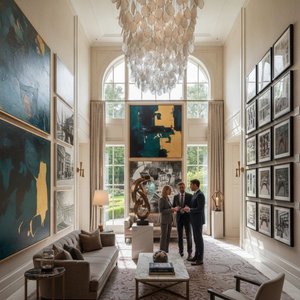 Strategic Art Procurement for Luxury Hospitality: A Professional Guide to Sourcing High-Volume Fine Art for Sophisticated Interiors
Establishing Brand Heritage: The Strategic Role of Classical Realism in Luxury Hospitality Bulk Art Procurement Guide: High-Volume Fine Art Solutions for Luxury Hotels & Corporate Interiors Strategic Art Selection: Establishing Brand Heritage through...
For the professional designer, the procurement process must be as seamless as the final aesthetic. Navigating the complexities of international logistics, customs, and large-scale installation requires a partner who understands the nuances of the trade. The modern hospitality designer benefits from specialized services that offer everything from custom sizing for massive murals to white-label shipping for corporate clients. This includes the ability to commission large-format works painted on massive canvas rolls, which can be installed with the same precision as high-end wallpaper.
Furthermore, a professional partnership should encompass the entire lifecycle of the artwork, from initial consultation and digital placement to the final delivery of framed, museum-grade pieces. With access to specialized Project Coordinators, designers can manage complex requirements—such as combining elements from different images or coordinating group portraits for executive suites—ensuring that every piece meets rigorous academic standards. In this high-stakes arena, where art serves as a strategic asset, having a reliable, expert-led process is the ultimate tool for achieving excellence in hospitality design.
For more information on professional art procurement and bespoke commissions, visit ArtsDot.com.