The Dawn of a Vision: Romanticism and the Birth of the Hudson River School
The Rebellion Against Reason: How Romanticism Recharged the Visual World Romanticism Romanticism (also known as the Romantic movement or Romantic era) was an artistic and intellectual movement that originated in Europe towards the end of the 18th cen...
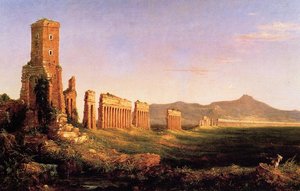
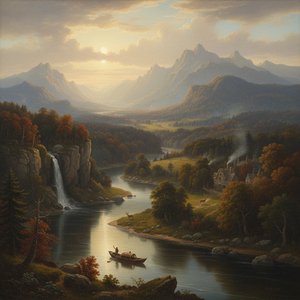
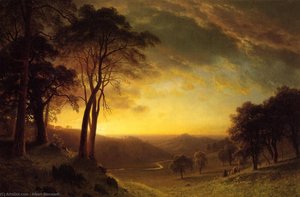
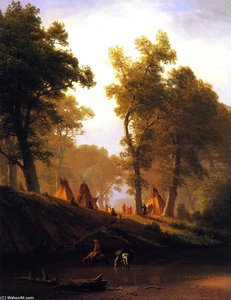
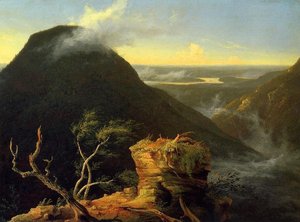
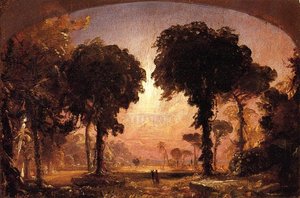
To understand the soul of a nation, one must look toward the horizons that first shaped its consciousness. In the nineteenth century, as the American identity began to coalesce from a collection of colonies into a burgeoning continental power, a profound dialogue emerged between the land and its people. This was not merely a period of territorial expansion; it was an era of spiritual discovery. Before the sweeping vistas of the Hudson River School graced canvases, a powerful intellectual shift was underway—the rise of Romanticism. Emerging from Europe as a rebellion against the rigid, calculated structures of the Enlightenment, Romanticism advocated for the importance of subjectivity, emotion, and the overwhelming power of nature.
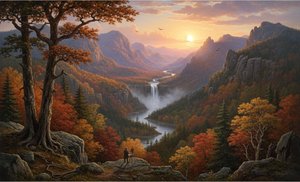
In the vast, unmapped territories of the young United States, artists found a canvas for this collective imagination. The untamed wilderness was viewed through a lens of sublimity—a concept that blended awe with a touch of terror, recognizing the capacity of nature to dwarf human endeavor. This movement sought to capture more than just topographical accuracy; it aimed to document a divine presence within the American terrain. Through the brushstrokes of early masters, the rugged mountains and winding river systems became symbols of infinite potential, providing a visual vocabulary for a nation seeking its own cultural lineage, separate from the classical traditions of Europe.
Luminism: The Spiritual Language of Light and Atmosphere
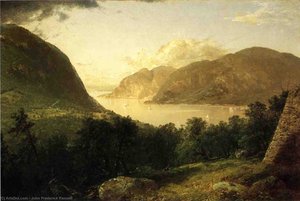 Hudson River Scene
A Serene Vision of the Hudson Valley: John Frederick Kensett’s “Hudson River Scene” John Frederick Kensett's "Hudson River Scene," painted in 1857, isn’t merely a landscape; it’s a carefully constructed meditation on light, tranquility, and the subli...
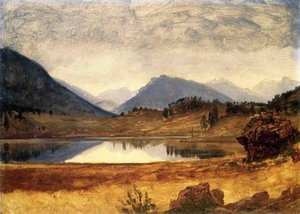
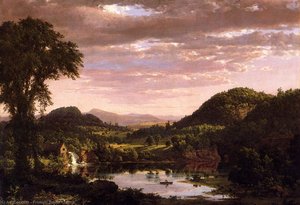
At the very heart of this movement lay a specialized, breathtaking technique known as Luminism. For these painters, light was not merely an environmental condition or a trick of the sun; it was a medium of spiritual communication, a transformative and almost holy element. If you have ever stood by a still lake at dawn, feeling the world hold its breath, you have experienced the essence of what these artists sought to immortalize. They prioritized the depiction of light as a way to evoke stillness, contemplation, and a sense of the eternal.
In works such as Johann Hermann Carmiencke’s Hudson River at Cold Spring, we see this mastery of atmosphere in full bloom. The painting utilizes carefully detailed techniques to create a romantic, glowing light that seems to emanate from within the canvas itself. Similarly, John Frederick Kensett’s Hudson River Scene serves as a meditation on tranquility, using subtle tonal variations and atmospheric effects to prioritize the sensation of light over dramatic detail. This interplay of shadow and radiance creates a luminous quality that feels almost tactile, inviting the viewer to drift into a world where the boundary between the earthly and the divine becomes beautifully blurred.
From Wilderness to Impressionism: The Evolution of the American Landscape
 American Impressionism
American Impressionism was a style of painting related to European Impressionism and practiced by American artists in the United States from the mid-19th century through the beginning of the 20th. The style is characterized by loose brushwork and viv...
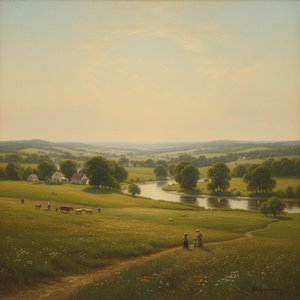
As the decades progressed, the focus of American art began to shift from the grand, often intimidating scale of the wild frontier toward a more intimate engagement with the landscape. While the Hudson River School captured the epic scale of the Catskills and the Adirondacks, a new sensibility was beginning to take root. The heavy, dramatic shadows of the mid-nineteenth century gradually gave way to a fascination with the fleeting moment—the way sunlight dapples through ancient trees or how mist rises from a pristine river in the early morning.
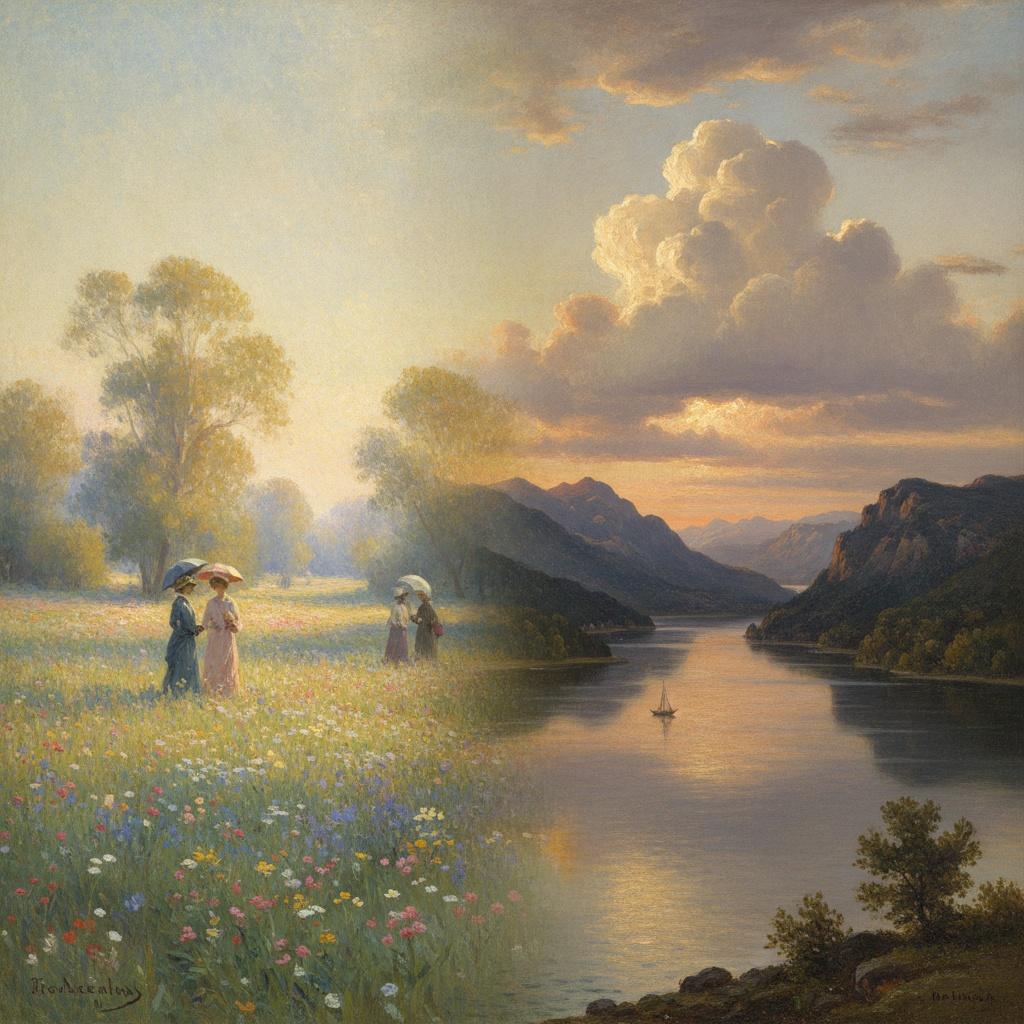
This evolution saw the emergence of American Impressionism, a style that drew inspiration from its French cousins but remained deeply rooted in the American experience. While the earlier movement sought to capture the permanent, spiritual soul of the wilderness, Impressionism embraced the ephemeral. The brushwork became looser, the colors more vivid, and the subject matter expanded to include the charm of domestic life and the changing seasons. It was a transition from the sublime—the awe-inspiring power of nature—to the sensory—the delicate, beautiful textures of everyday light.
The New Hope School: Pennsylvania’s Radiant Impressionist Legacy
 Pennsylvania Impressionism
Pennsylvania Impressionism was an American Impressionist movement of the first half of the 20th century that was centered in and around Bucks County, Pennsylvania, particularly the town of New Hope. The movement is sometimes referred to as the "New H...
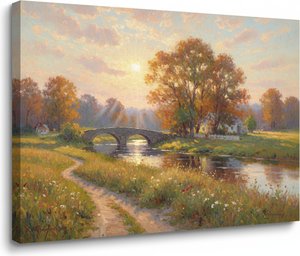
One of the most enchanting chapters in this journey occurred in the rolling hills of Bucks County, Pennsylvania. Here, a localized movement known as Pennsylvania Impressionism, or the "New Hope School," flourished during the first half of the twentieth century. Centered around the picturesque town of New Hope along the Delaware River, this group of artists found a sanctuary of light and color that would define their legacy.
The movement was anchored by figures such as William Langson Lathrop, who brought a sense of structure and thick, beautiful layering to his landscapes. Others, like Edward Redfield, became pioneers in capturing the stark, vibrant energy of the American winter, while Daniel Garber mastered the delicate art of painting rain and soft, light-drenched atmospheres. These artists did not just paint the landscape; they captured the rhythmic pulse of the Delaware River valley, using bold colors and expressive textures to celebrate a world that felt both intimately local and universally beautiful.
A Lasting Radiance: How These Masterpieces Continue to Inspire Modern Souls
Today, these works continue to resonate with a profound depth, offering a powerful reminder of the natural world’s enduring beauty and fragility. In our increasingly urbanized and digital lives, returning to the textures of an oil painting—the visible brushstrokes of an Impressionist landscape or the glowing depths of a Luminist river scene—provides a much-needed moment of quietude. These paintings are not merely relics of the past; they are invitations to contemplate our place within the natural order.
For those of us who have spent decades admiring these masters, there is a unique joy in finding ways to bring this light into our own homes. Whether through the study of a museum masterpiece or the acquisition of a meticulously crafted reproduction, the goal remains the same: to preserve the warmth, the color, and the spiritual essence of these historical moments. As we look upon these canvases, we are not just looking at paint on cloth; we are looking at the very light of history, captured forever for us to cherish.
At ArtsDot.com, we share this lifelong passion for the luminous and the emotive. We specialize exclusively in the breathtaking world of Impressionism and Post-Impressionism, offering hand-painted oil reproductions that honor the true texture and soul of these movements. From the soft light of Monet to the vibrant energy of the New Hope School, our mission is to bring the masterworks you love into your personal sanctuary with unparalleled artistry and care.