The Post-War Crucible: A World Reimagined Through Abstraction
 Beyond the Brush: The Raw Emotion and Power of Abstract Expressionism
The Post-War Crucible: A World Reimagined Through Abstraction Pure Chaos & Color: The High-Voltage World of Abstract Expressionism The Post-War Explosion: When Chaos Met Canvas Abstract expressionism Abstract expressionism in the United States emerge...
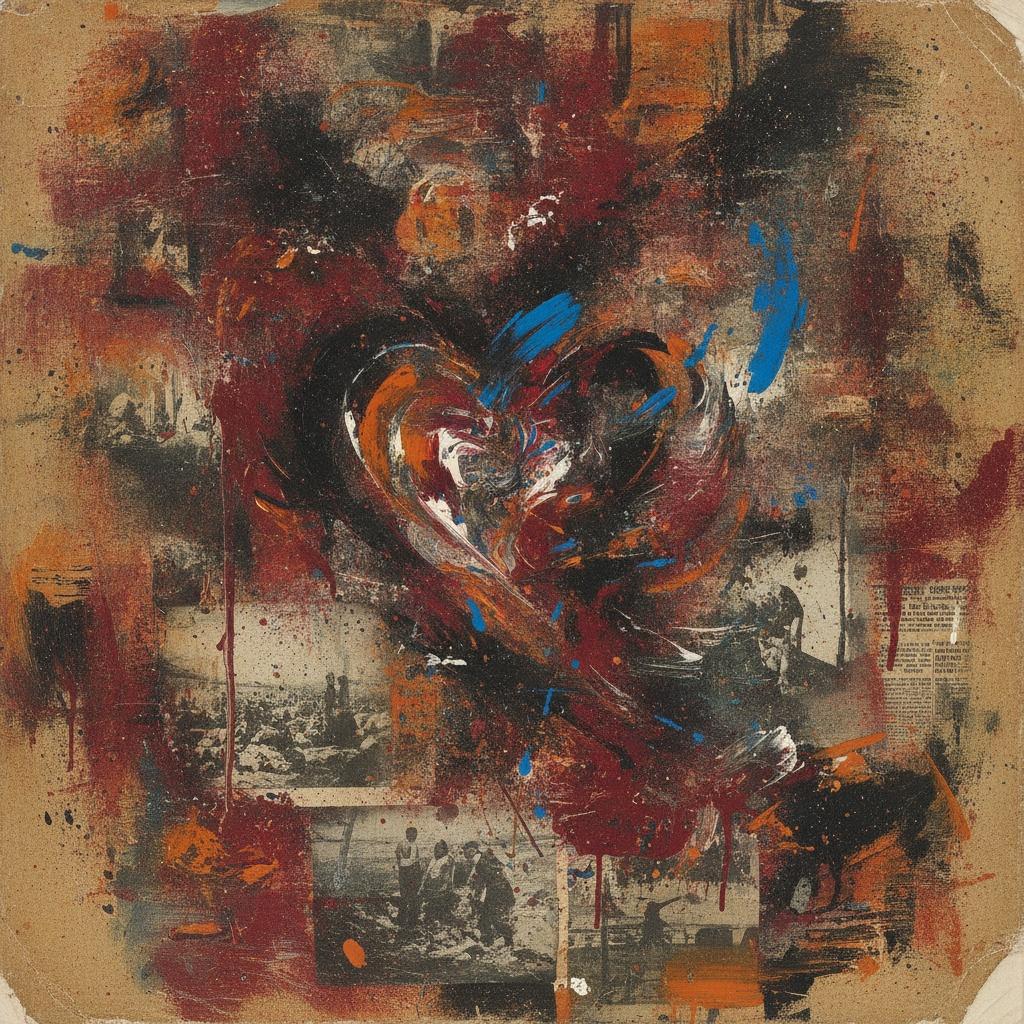
To understand the seismic rupture of Abstract Expressionism, one must first confront the heavy, fractured atmosphere of the mid-twroll century. The aftermath of World War II left a profound scar on the collective human psyche, creating a world grappling with unprecedented trauma, existential uncertainty, and the shattering of established social norms. In this climate of deep disillusionment, the traditional modes of representation—the landscapes that once offered solace or the portraits that anchored identity—seemed suddenly inadequate to articulate the complexities of a fractured reality. The old rules of reality had been shattered by the sheer weight of global conflict, prompting an urgent, almost desperate search for new meaning within the canvas.
Emerging from this post-war crucible, primarily within the vibrant, burgeoning New York art scene of the 1940s and 50s, a small group of loosely affiliated artists began to reject the representational, religious, and classical motifs that had long defined Western art. This was not merely a stylistic shift; it was a defiant embrace of subjectivity. These artists sought an art that could communicate on a monumental scale the artist's inner state—a language capable of expressing anxieties, passions, and existential questions directly onto the canvas. By stripping away narrative constraints, they liberated the medium, allowing for a spontaneous, automatic, or subconscious creation that mirrored the turbulent beauty of the human spirit in an era of profound change.
The Language of Gesture: Action Painting and the Physicality of Emotion
Action painting, sometimes called "gestural abstraction", is a style of painting in which paint is spontaneously dribbled, splashed or smeared onto the canvas, rather than being carefully applied. The resulting work often emphasizes the physical act ...
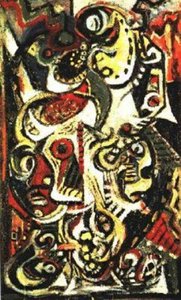
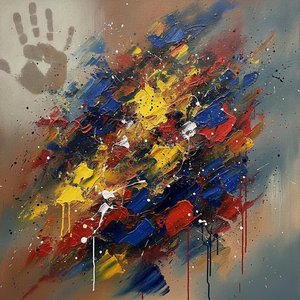
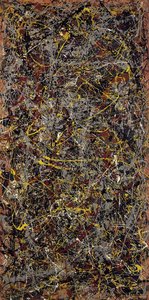
Within this movement, a particularly visceral approach emerged known as Action Painting, or gestural abstraction. In this realm, the canvas was no longer a space for reproducing an image, but rather an arena in which to act. As the critic Harold Rosenberg famously posited, the focus shifted from the finished result to the physical act of creation itself. This style, characterized by paint being spontaneously dribbled, splashed, or smeared, emphasized the artist's bodily engagement with the work. The resulting textures—thick impasto, energetic drips, and sweeping arcs—serve as a permanent record of a moment of intense emotional labor.
When we observe the works of masters like Jackson Pollock or Franz Kline, we are witnessing more than just paint on fabric; we are observing a physical manifestation of movement and energy. The technique demands a direct, almost primal connection between the artist's intuition and the medium. This emphasis on the gesture allows the viewer to trace the path of the brush or the trajectory of a drip, creating a rhythmic, dance-like quality that transcends mere visual observation. It is an art form where the very texture of the paint—its clotted, oil-caked surfaces—becomes the primary vehicle for communicating raw, unadulterated feeling.
Masters of the Unconscious: Exploring the New York School's Visionaries
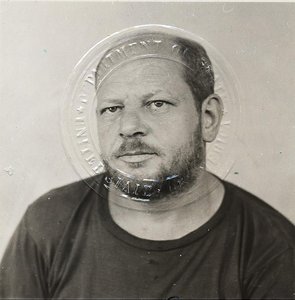
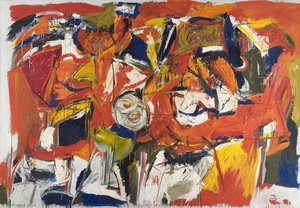
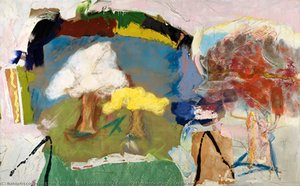 born new york city 1924 died new york city 2007 michael goldberg
Michael Goldberg: A Pioneer of Gesture and Color Born in the Bronx in 1924, Michael Goldberg emerged from the vibrant, post-war crucible of New York City as a singular and powerful voice within the Abstract Expressionist movement. His artistic journe...
The New York School was a constellation of brilliant, idiosyncratic voices, each contributing a unique thread to the tapestry of modernism. Figures such as Arshile Gorky, Willem de Kooning, and Lee Krasner brought a profound depth to the movement, often drawing inspiration from the psychological explorations of the era. The rise of psychoanalysis, particularly the influence of Carl Jung, encouraged these artists to explore the unconscious mind, leading to techniques rooted in intuition and improvisation. Their work sought to tap into universal archetypes and the hidden depths of the human psyche.
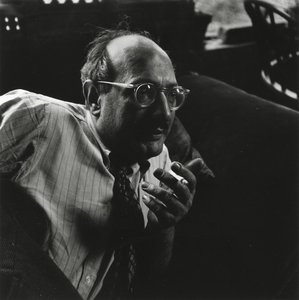
Each artist brought a distinct temperament to this collective endeavor. While some focused on the aggressive, muscular energy of the brushstroke, others, like Milton Resnick, utilized bold colors and intricate patterns to create dynamic, expressive qualities that seemed to dance across the canvas. The movement was also shaped by the contributions of artists like Norman Lewis and Adolph Gottlieb, who expanded the visual vocabulary of abstraction to include diverse perspectives and complex textures. This era of American painting was a period of unprecedented creative freedom, where the boundaries of what could be expressed were being radically redefined through the lens of individual experience.
Beyond Representation: The Spiritual Resonance of Color Field and Texture
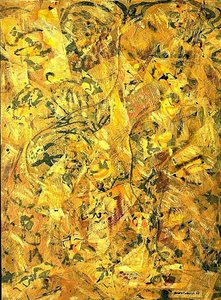
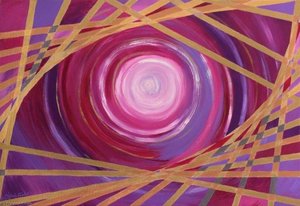 Purple and Gold Abstract
Explore 'Purple & Gold Abstract' by Michele Elizabeth Field (2005). This dynamic oil painting showcases swirling forms, impasto texture, and vibrant hues – a captivating piece of abstract expressionism.
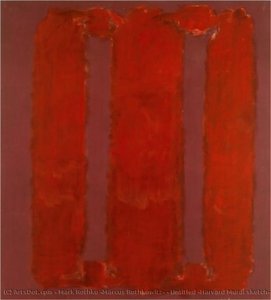
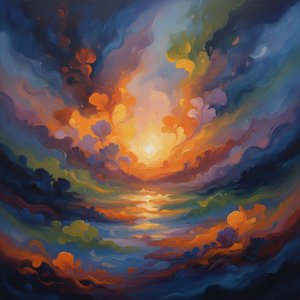
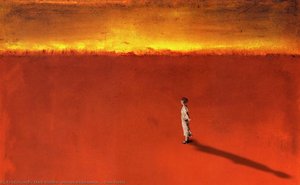
While some practitioners of Abstract Expressionism embraced the chaos of gesture, others sought a more meditative, luminous path through Color Field painting. This approach moved away from the frantic energy of action painting toward large-scale canvases dominated by expansive planes of color. Artists like Mark Rothko utilized these vast, saturated hues to evoke profound spiritual and emotional responses, inviting the viewer into a state of contemplative stillness. In these works, color is not merely a descriptive element but the very essence of the experience, capable of conveying deep sorrow, transcendence, or awe.
The power of this style lies in its ability to envelop the viewer, creating an immersive environment where emotion reigns supreme. The subtle gradations of tone and the soft, blurred edges of color fields create a sense of infinite depth, pulling the observer into a realm where the boundaries between the self and the artwork begin to dissolve. Whether through the swirling, vibrant forms found in contemporary works like those of Michele Elizabeth Field or the monumental stillness of the mid-century masters, the use of texture and color remains a primary tool for achieving this spiritual resonance, proving that abstraction can reach the most profound depths of human feeling.
A Legacy of Freedom: How Abstract Expressionism Redefined Modern Collecting
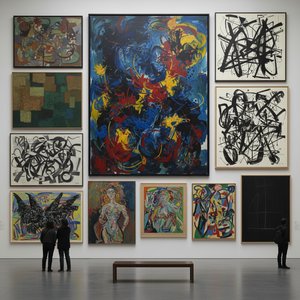 Abstract Expressionism's 10 Defining Masterpieces |
Introduction To gaze upon these ten canvases is to step into a realm where emotion reigns supreme, where the very act of painting became a visceral outpouring of the human spirit. The Abstract Expressionist movement, born in the aftermath of World Wa...
The legacy of Abstract Expressionism extends far beyond the confines of the mid-twentieth century. It fundamentally redefined the possibilities of painting and challenged conventional notions of beauty, paving the way for subsequent generations to explore personal expression without the constraints of tradition. For the modern collector, these works represent more than just historical artifacts; they are windows into a period of intense human struggle and triumph. To possess an abstract work is to hold a piece of that enduring spirit of freedom.
Today, the influence of this movement continues to resonate in contemporary art and interior design. The ability to find resonance in non-representational forms allows for a highly personal connection between the artwork and the space it inhabits. As we continue to appreciate the raw power of emotion and gesture, we honor the courage of those artists who dared to strip art bare. Whether through the acquisition of museum-quality reproductions or the commissioning of custom works that echo these historical textures, the journey through Abstract Expressionism remains a vital, living experience for all who seek beauty in the profound and the unexpected.