
A Window into the American Soul: Exploring the National Portrait Gallery
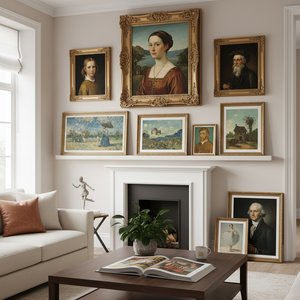
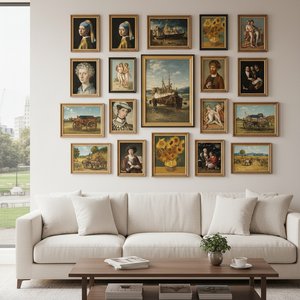
The Smithsonian’s National Portrait Gallery in Washington, D.C., transcends the simple notion of a collection of painted faces; it's an ambitious and profoundly moving chronicle of the American experience, meticulously woven through the lives of those who have shaped its narrative. Stepping into this grand hall is akin to entering a vast chamber of national memory – a space where presidents stand alongside artists, scientists converse with activists, and each portrait whispers tales of ambition, innovation, and unwavering resilience. The museum doesn’t merely *show* you history; it invites you to connect with it on a deeply personal level, recognizing the human spirit that fueled those historical achievements. This distinctive approach distinguishes the NPG from traditional museums focused solely on events or movements – here, individuals take center stage, their portraits acting as portals into their worlds and enduring legacies. The power of portraiture lies in its ability to distill an entire life, a character, an era, into a single, compelling image, and the National Portrait Gallery masterfully curates this distillation for the American story.
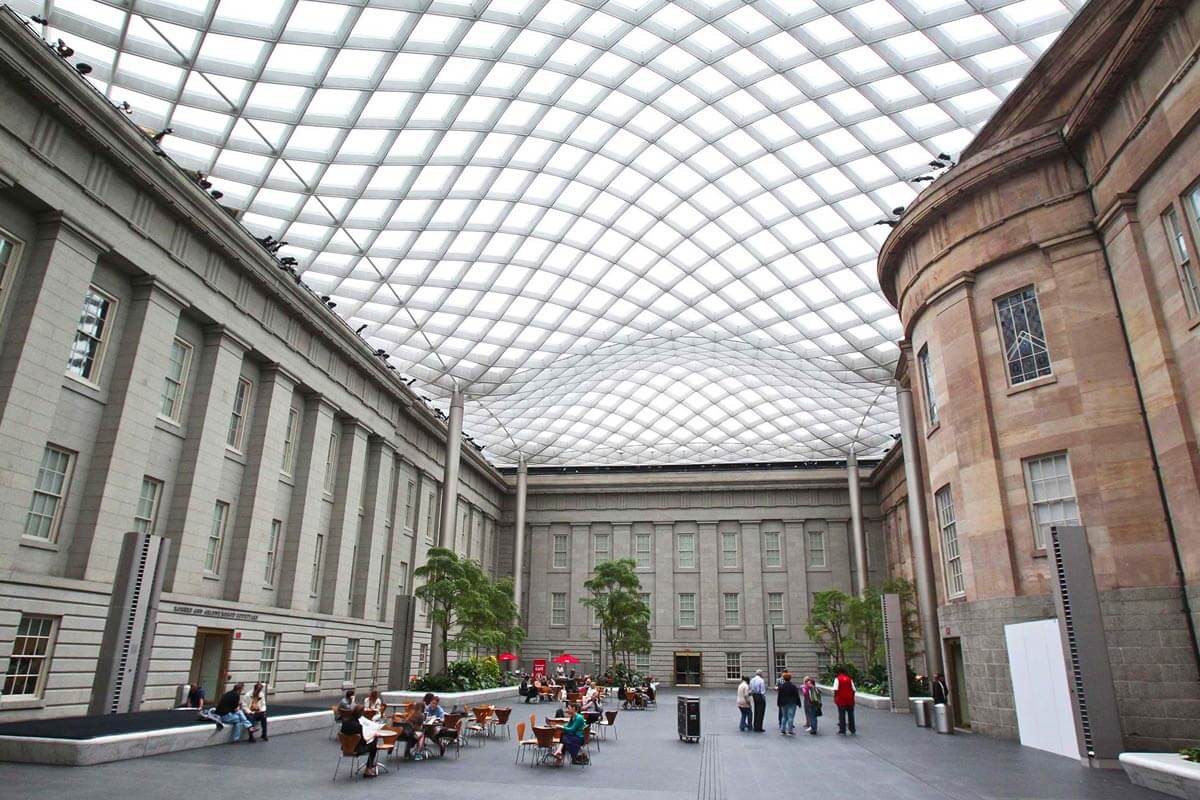
The gallery’s home is itself a significant piece of American history: the majestic Old Patent Office Building. Completed in 1836, this architectural marvel stands as a testament to the aspirations of a young nation. Its imposing Greek Revival style – characterized by soaring spaces and intricate details like grand corridors, ornate plasterwork, and abundant natural light – provides an exquisitely fitting backdrop for the portraits within, enhancing their impact and creating an atmosphere of reverence. The building’s very stones seem to absorb and reflect the stories held within, fostering an immersive experience that transcends a mere viewing of artwork. Sharing space with the Smithsonian American Art Museum, this structure represents the nation's commitment to both artistic expression and historical preservation – a tangible link to generations past.
A Collection as Diverse as America Itself
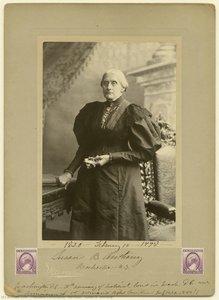
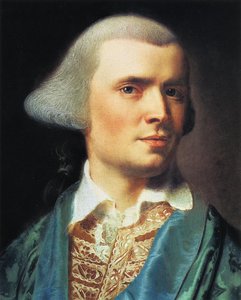
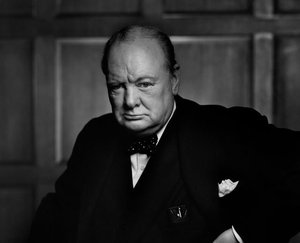
The NPG’s collection is remarkably comprehensive, spanning centuries and encompassing an astonishing range of media. From stately oil paintings that capture regal figures to intimate sketches revealing moments of vulnerability, from monumental sculptures embodying strength to candid photographs offering glimpses into private lives – the diversity is truly breathtaking. Presidential portraits are, naturally, prominent, providing invaluable insights into the personalities and leadership styles of those who have held the nation’s highest office. However, the museum's true strength lies in its unwavering commitment to representing the full spectrum of American achievement. Iconic figures like Georgia O’Keeffe, whose bold and evocative paintings redefined modern art, share space with literary giants such as Langston Hughes, whose poetry captured the soul of the Harlem Renaissance. The inclusion of Marie Curie, a pioneering scientist who made groundbreaking contributions to US science, and Martin Luther King Jr., a champion of civil rights, underscores the museum’s dedication to showcasing diverse voices and perspectives – ensuring that countless stories are heard and remembered.
A particularly captivating piece is Gilbert Stuart's unfinished *Athenaeum Portrait of George Washington*, an image so iconic it graced the one-dollar bill for decades. This work, a testament to Stuart’s skill and enduring power, serves as a poignant reminder of the complexities of representation and the ongoing process of shaping national identity. Beyond these celebrated figures, the gallery shines a light on lesser-known individuals – farmers, inventors, musicians, activists – whose contributions have been equally vital to the nation's progress, creating a richly textured tapestry of American life.
Notable Exhibitions and Contemporary Voices
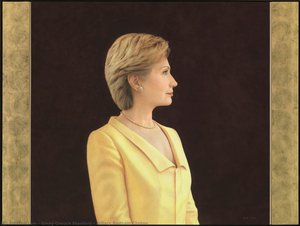
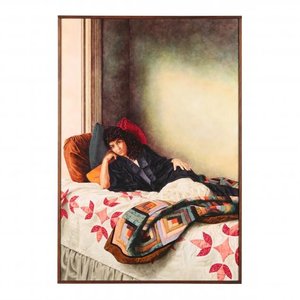
The National Portrait Gallery isn’t merely a keeper of the past; it is actively shaping its future. The museum continues to commission new portraits, adding contemporary figures to its collection and ensuring that the visual record remains relevant and dynamic. This ongoing process reflects a commitment to documenting American life in all its complexity and celebrating those who are making their mark on the world today. The planned reopening in September 2025 with an exhibition featuring Amy Sherald – a contemporary artist celebrated for her powerful portraits of African Americans – promises to be a landmark event, engaging new audiences and sparking important conversations about identity, representation, and the evolving American narrative. The NPG stands as a vital cultural institution, where art, history, and identity converge, offering a compelling glimpse into the ever-evolving story of America.
Architectural Significance and Visitor Experience
The Old Patent Office Building itself is an architectural masterpiece, a stunning example of Greek Revival style. Completed in 1836, its soaring ceilings, grand corridors, and intricate plasterwork create a sense of awe and reverence – perfectly suited to the powerful portraits housed within. The building’s natural light floods the galleries, illuminating each artwork with a soft glow. Beyond the art itself, the museum offers a rich visitor experience: comfortable seating areas for contemplation, informative plaques providing context and background, and dedicated spaces for families and children. The Courtyard Café provides a welcome respite, offering American-inspired dishes and refreshments in a beautiful setting.