 プレビュー
プレビュー
 プリントを購入
 シェアする
シェアする シェアする
シェアする
 詳細を見る
詳細を見る

 ダウンロード
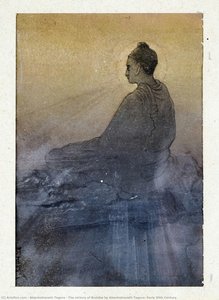
 似ている作品
 X線調査
X線調査 スライドショー
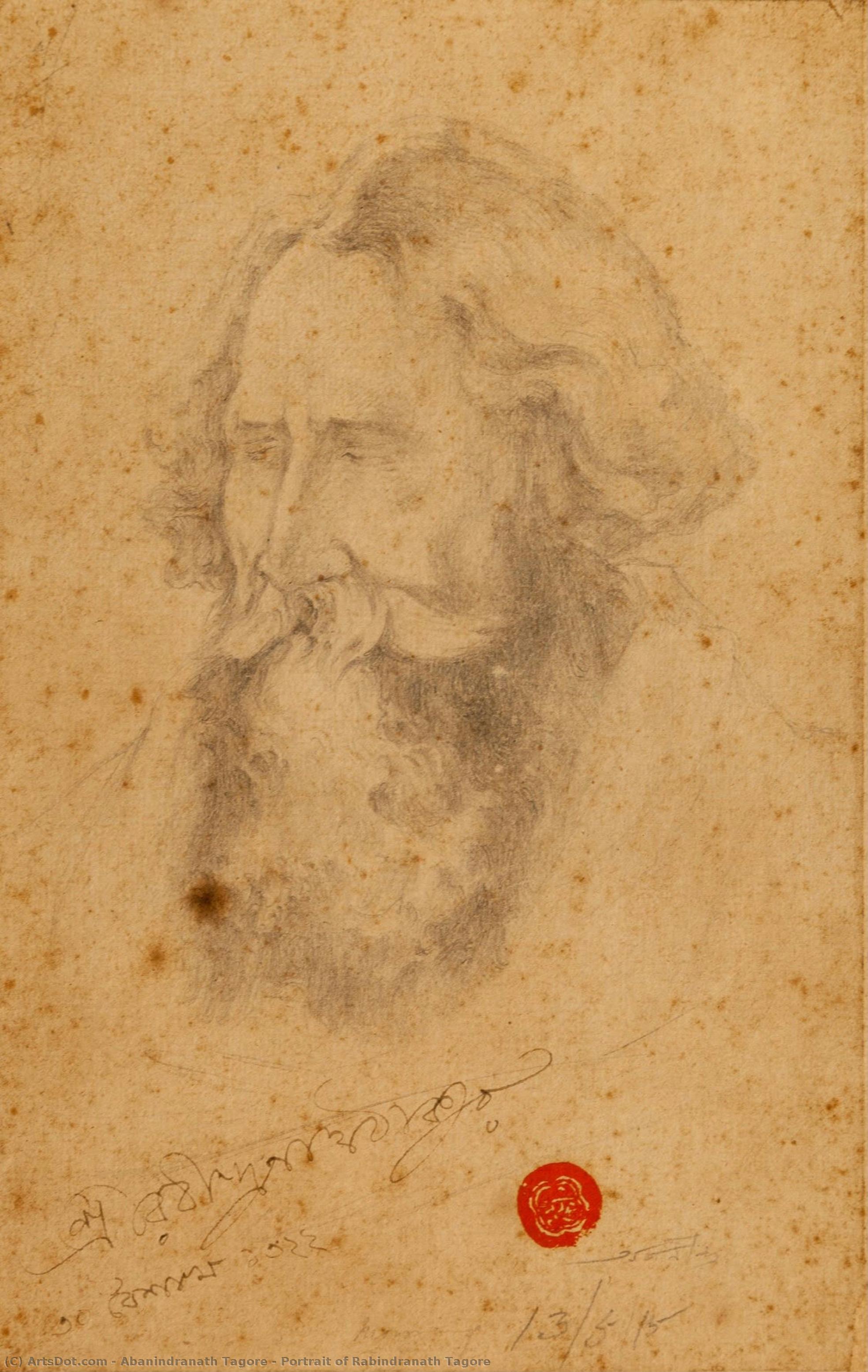
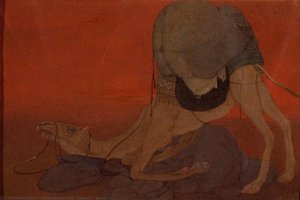
Portrait of Rabindranath Tagore


 詳細を見る
詳細を見る




P118B $10

P118H $10

P118W $10

P438Z $10

P508JH $12

P508YH $12

P805H $10

P805Z $10

P919BZ $10

P919G $10

P919XJ $10

P959ZH $10

P968JZ $12

W106C $8

W218G $10

W218JH $8

W218Y $10

W307PJ $10

W316G $10

W316PJ $8

W316Y $10

W398PJ $8

W4111J $10

W500HY $15

W500JH $15

W692G $12

W849H $8

W940BG $15

W953PJ $8




作品のオリジナル比率に合わせた、当店の規定サイズからお選びください。

特定のフレームやスペースに合わせて、ご希望のサイズをご入力いただけます。選択されたサイズが元の画像の比率と異なる場合、アートワークをトリミングするか、手描きで要素を追加して絵画を拡張いたします。デジタルモックアップ を制作し、制作開始前にご確認(承認)をいただきます。
画面上のプレビューは、実際のトリミングや拡張を正確に反映しているものではありません。最終的な構図は、モックアップによってのみ正確にご確認いただけます。
カスタムサイズもご利用いただけますが、元の比率を維持するためには、あらかじめ用意されたリストからサイズを選択することをお勧めいたします。
ご注文後、ArtsDot.com チームより詳細な指示をお送りするとともに、仕上がりイメージ(モックアップ)をご提供いたします。


 ガラスオプションは、110cm未満のサイズでのみご利用いただけます。

Portrait of Rabindranath Tagore
複製技法
複製画のサイズ
-


合計金額
$ 263
作品解説
Portrait of Rabindranath Tagore: A Bridge Between Tradition and Modernity
The image before you – “Portrait of Rabindranath Tagore” by Abanindranath Tagore – isn’t merely a likeness; it's a carefully constructed statement, a deliberate attempt to redefine Indian art within the context of its time. Painted in 1907, this work stands as a pivotal moment, marking the genesis of the Bengal School of Art and challenging the prevailing Western artistic dominance that had infiltrated India’s burgeoning art scene. Tagore, a nephew of the literary giant Rabindranath Tagore, wasn't simply capturing his subject; he was crafting an emblem of a new Indian identity – one rooted in tradition yet embracing a forward-looking aesthetic.
Tagore’s artistic journey began with formal training in Europe, studying under European masters and absorbing their techniques. However, a profound disillusionment with the perceived materialism and emotional detachment of Western art led him to seek inspiration within India's rich artistic heritage. He turned to the Mughal miniature paintings – renowned for their intricate detail, stylized figures, and use of vibrant colors – alongside the Rajput painting tradition, characterized by its bold lines, dramatic compositions, and focus on heroic narratives. Crucially, he also drew heavily from Indian folk art, particularly Patachitra (scroll paintings), incorporating their distinctive patterns and symbolic imagery.
A Synthesis of Styles: Mughal, Rajput, and Folk
The portrait itself is a masterful synthesis of these diverse influences. Tagore’s use of muted earth tones – ochre, sienna, and indigo – echoes the palette of Mughal miniatures, lending an air of solemnity and gravitas to the subject. The figure of Tagore is rendered with a deliberate flatness, reminiscent of traditional Indian painting techniques, where depth was suggested through layering and color rather than linear perspective. Notice the stylized rendering of his beard and mustache, a characteristic feature borrowed from Mughal portraiture. Yet, elements of Rajput art – such as the dramatic lighting and the suggestion of movement in the background – are subtly integrated.
The backdrop is equally significant. It’s not a realistic depiction of a studio or location; instead, it's an abstracted representation of a wall covered with Sanskrit script. This deliberate inclusion underscores Tagore’s intellectual background and his deep connection to Indian culture and philosophy. The calligraphy serves as a visual anchor, grounding the portrait in its historical and cultural context.
Symbolism and National Identity
Beyond mere aesthetics, “Portrait of Rabindranath Tagore” is laden with symbolism. The subject’s gaze is direct and unwavering, conveying an air of quiet dignity and intellectual strength. The simple robe he wears – a deliberate rejection of Western attire – symbolizes his commitment to Indian values and traditions. The overall composition evokes a sense of timelessness and spiritual depth, reflecting Tagore's own philosophical beliefs.
This painting wasn’t simply about portraying a man; it was about articulating a vision for a new India—one that would embrace its artistic heritage while engaging with the modern world. It represented a conscious effort to establish an independent Indian art identity, free from colonial influence and rooted in the nation's own cultural roots.
A Legacy of Artistic Innovation
“Portrait of Rabindranath Tagore” is more than just a beautiful painting; it’s a foundational work of modern Indian art. It paved the way for the Bengal School of Art, which profoundly influenced generations of Indian artists and helped to shape the country's artistic landscape. The painting’s enduring appeal lies in its ability to seamlessly blend tradition and modernity, offering a poignant reflection on identity, culture, and the power of art to inspire and transform.
関連作品
アーティストの略歴
生い立ちと背景
- 生年月日:1861年5月7日、イギリス領インド、カルカッタ、ジョランスンコ
- 没年月日:1951年12月5日
- 家族:高名なタゴール家の一員であり、ラビンドラナート・タゴールの甥にあたります。祖父はギリンドラナート・タゴール、父はグネンドラナート・タゴールです。
- 教育:1880年代にコルカタのサンスクリット・カレッジで学び、その後カルカッタ美術学校に入学しました。
芸術的発展と影響
- 初期の修行:カルカッタ美術学校において、O. ギラルディからパステル画を、チャールズ・パーマーから油彩画を学びました。
- ムガル様式とラージプート様式:西洋の芸術モデルを拒絶し、これらの伝統的な様式を現代化することを目指しました。
- スワデシの価値観:自国文化を尊ぶ「スワデシ」の精神を自身の芸術に取り入れ、インドの伝統を推進しました。
- ホイッスラーの審美主義:ジェームズ・アボット・マクニール・ホイッスラーの審美的な原則から影響を受けました。
- 日本からの影響:後に、画家ティカンやヘシダとの出会いを通じて、中国や日本の書道的な伝統を自身のスタイルへと融合させました。
主要作品と芸術への貢献
- ロヒニ II:彼の卓越した芸術的技巧を示す注目すべき作品です。
- シャージャハーンの崩御:彼の独自の様式を反映した、もう一つの重要な絵画です。
- 花瓶に生けられた季節の花:技法と主題に対する彼の熟練した技術を証明しています。
- アラビアン・ナイト・シリーズ(1930年):「千夜一夜物語」の物語を用いて植民地時代のカルカッタを探求した、彼の最高傑作の一つとされています。
- バーラト・マータ(インドの母):インドの母なる大地を象徴する重要な絵画です。
- ベンガル派の創設者:近代インド絵画の形成と、ナショナリズムに基づいた芸術の推進において極めて重要な役割を果たしました。
- インド東洋美術協会(1907年):伝統的なインドの芸術形式を促進するために、この協会を設立しました。
遺産と歴史的重要性
- 近代インド絵画の先駆者:近代インド美術の発展における中心的人物として認められています。
- 後進の芸術家への影響:ナンダラール・ボース、アシット・ハルダー、クシティンドラナート・マジュムダル、ジャミニ・ロイといった著名な芸術家たちの師となりました。
- 伝統的芸術形式の復興:インドの伝統的な技法や様式への回帰を提唱しました。
- ベンガル児童文学への影響:Rajkahini、Budo Angla、Nalak、Khirer Putulなど、影響力のある児童書を執筆しました。
- 国家の芸術的至宝:彼の作品は、国家的な芸術の宝として大切にされています。
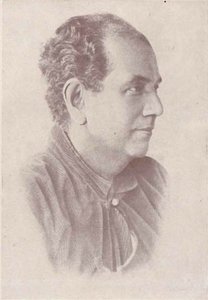
アバニンドラナート・タゴール
1871 - 1951 , インド
基本情報
- Artistic Movement Or Style: ベンガル派
- Artists Or Movements Influenced By This Artist:
- ナンダル・ボース
- クシティンドラナス・マジュムダル
- ジャミニ・ロイ
- Artists Who Influenced This Artist:
- ホイッスラー
- ムガル絵画師
- ラージプート絵画師
- Date Of Birth: 1871年5月7日
- Date Of Death: 1951年12月5日
- Full Name: アバニンドラナート・タゴール
- Nationality: インド
- Notable Artworks:
- ロヒニ II
- シャージャハーンの崩御
- 花瓶の花
- Place Of Birth: インド、ジョラサンコ
関連記事
Watercolor Wonders: 10 Masterpieces That Redefined Art History | ArtsDot
Journey through 10 legendary watercolor masterpieces by Sargent, Turner & Homer! Explore iconic landscapes, portraits & floral art that redefined history. Find museum-quality reproductions and curated decor ideas at ArtsDot.com.
Ephemeral Visions: Exploring the Artistic Legacy & Contemporary Practice of Watercolor Painting
Explore the captivating world of watercolor painting! Discover its rich history, essential techniques, influential artists & collecting tips. A comprehensive guide for art enthusiasts from ArtsDot.
Ephemeral Visions: Exploring the History & Emotional Resonance of Watercolor Painting
Explore the captivating history of watercolor painting, from ancient techniques to modern masters like Kandinsky & Blake. Discover essential artists, collecting tips & the emotional power of this luminous medium. Expert insights for art enthusiasts.
Ephemeral Visions: Exploring the Artistic Legacy & Nuances of Watercolor Painting
Explore the captivating world of watercolor painting! Discover its rich history, essential techniques, influential artists & collecting tips from art experts. A comprehensive guide for enthusiasts.
水彩の永続的な魅力:歴史、技法、そして現代の実践
水彩画の歴史、技法、現代の実践を深く探求。巨匠たちの名画から初心者向けテクニックまで解説。ArtsDot.comでは高品質な複製画やカスタムポートレートをご提供します。アートコンサルテーションも受付中。