

 プレビュー
プレビュー
 プリントを購入
 シェアする
シェアする シェアする
シェアする
 詳細を見る
詳細を見る

 ダウンロード
 似ている作品
 X線調査
X線調査 スライドショー
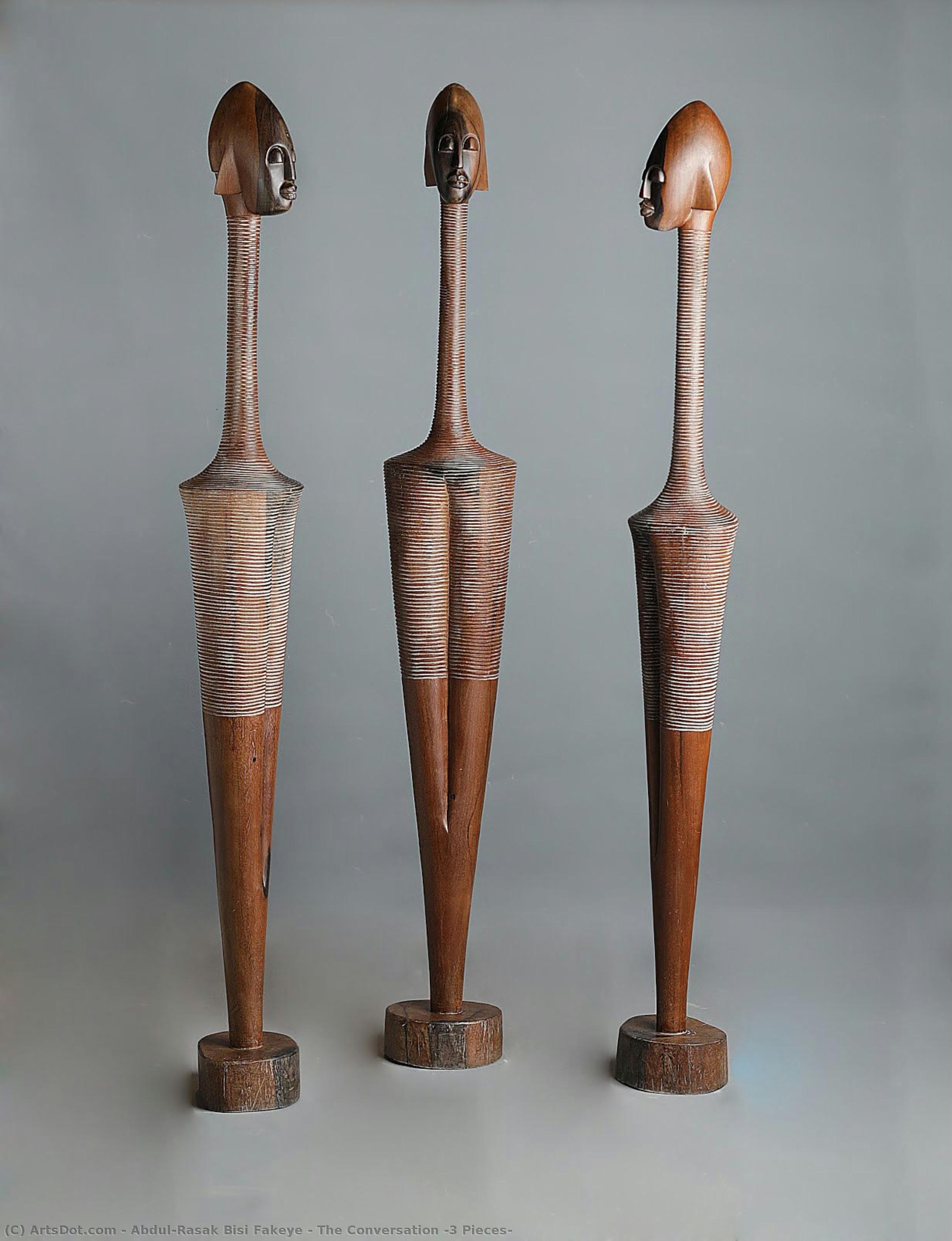
The Conversation (3 Pieces)


 詳細を見る
詳細を見る
オンラインプレビューをはるかに凌ぐ、高解像度で鮮明なデジタル画像をご購入いただけます。
各ファイルは、社内の専門家が高度なツールと熟練した手作業によるレタッチを用いて、細心の注意を払って準備されています。すべての画像において、卓越した鮮明度、正確な色彩再現性、そして繊細なディテールを保証いたします。
最終ファイルは、プロフェッショナルな編集・印刷環境ですぐにご利用いただけるよう最適化された状態で、72時間以内にメールにてお届けいたします。これは、一流のデザインスタジオ、出版社、ギャラリーから信頼されているものと同等の品質です。
デジタル画像のご注文に付随する特典
高品質なデジタル画像配信を、確かな品質で。
ArtsDot.com を選ぶことは、単に画像を手に入れることではありません。それは、プロの手によって精密に仕上げられ、満足保証が付いた高品質なデジタルアートワークを受け取ることを意味します。ご注文いただいた際に自動的に付随する内容は、以下の通りです:

メールですぐにお届け
ご注文から72時間以内に、高解像度のデジタル画像ファイルがメールでお手元に届きます。すぐにそのままご利用いただけます。

AI技術で最適化されたデジタルファイル
お客様の作品は、高度なAIツールと専門家による手作業の編集を組み合わせてプロフェッショナルに最適化されており、細部のディテール、鮮明さ、そして正確な色再現性を最大限に引き出しています。

一生涯無料の再送サービス
ファイルを誤って削除したり、紛失してしまったりしましたか?ご安心ください。いつでも無料で再送いたします。

輸入手数料は一切かかりません
関税や手数料、配送料を気にすることなく、お気に入りのアートワークをすぐにお楽しみいただけます。デジタルダウンロードは常に免税です。

色彩再現の保証
プロ仕様のツールとカラーマネジメント技術を用いることで、デジタル画像が元の色を最大限に忠実に再現することを保証いたします。

60日間満足保証
ご購入いただいたデジタル画像にご満足いただけない場合は、60日以内であれば、修正または100%の返金(理由を問う必要はありません)をさせていただきます。

100% 返金保証
ご満足いただけない場合は、デジタルファイルを受け取ってから60日以内であれば、理由を問わず全額返金いたします。

まとめ買い割引
3枚購入で10%OFF - 5枚購入で15%OFF - 10枚以上購入で20%OFF。クリエイティブなプロジェクト、ギャラリー、エージェンシーに最適です。
関連作品







作家の略歴
Abdul-Rasak Bisi Fakeye: A Legacy Carved in Wood and Bronze
Born in Ila Orangun, Nigeria, in 1942, Abdul-Rasak Bisi Fakeye emerged as a pivotal figure in the vibrant landscape of Nigerian art. His life’s work wasn't merely about creating sculptures; it was an embodiment of cultural heritage, familial tradition, and a profound engagement with both established Yoruba artistic principles and evolving contemporary styles. He carried on a distinguished family legacy, tracing his roots back to Lamidi Fakeye, a renowned wood carver whose influence shaped the very foundations of Bisi’s artistic journey. This lineage, spanning five generations, is a testament to a deep-seated commitment to craftsmanship and a unique visual language that continues to resonate today.
Bisi's early years were steeped in apprenticeship under his uncle, Lamidi. This formative period wasn’t simply about learning techniques; it was an immersion into the soul of Yoruba sculpture – its symbolic vocabulary, intricate detailing, and profound connection to spiritual beliefs. The traditional aesthetic, characterized by sharp segmentation, bulging eyes conveying wisdom, and a deliberate emphasis on posture and expression, became deeply ingrained in Bisi's artistic DNA. However, unlike some of his predecessors who remained firmly rooted in tradition, Bisi demonstrated an exceptional ability to synthesize this inherited knowledge with modern sensibilities, forging a distinctive style that reflected the dynamism of post-independence Nigeria.
Training and Artistic Development
Formal education played a crucial role in shaping Bisi’s artistic trajectory. After completing his initial apprenticeship, he attended the Ife Divisional Teacher Training College from 1963 to 1965, gaining valuable pedagogical skills while simultaneously nurturing his burgeoning artistic talent. This dual pursuit – teaching and creating – provided him with a unique perspective on art's role within society. Following this, Bisi’s career truly blossomed as he transitioned into full-time sculpting in Lagos, immersing himself in the city’s thriving art scene.
His early works were heavily influenced by his uncle’s traditional style, characterized by a meticulous attention to detail and adherence to established Yoruba iconography. However, Bisi quickly began to experiment with new techniques and subject matter, incorporating elements of contemporary life into his sculptures. This evolution was marked by a shift towards more abstract forms and a greater emphasis on individual expression. He skillfully blended the rigor of traditional carving with a burgeoning sense of modernity, creating works that were both deeply rooted in Nigerian culture and strikingly original.
A Style Defined by Yoruba Symbolism and Contemporary Vision
Bisi Fakeye’s sculptures are instantly recognizable for their distinctive style – a captivating fusion of ancient traditions and modern sensibilities. His work is profoundly informed by Yoruba cosmology, mythology, and social structures. He frequently depicted figures from Yoruba folklore, such as Sango, the god of thunder, and Ilari, a powerful warrior king, imbuing them with a sense of dignity, strength, and spiritual significance. The use of exaggerated features – bulging eyes, broad lips, and prominent noses – is characteristic of traditional Yoruba sculpture, but Bisi employed these elements not merely as decorative flourishes, but as vehicles for conveying complex narratives and emotions.
Crucially, Bisi wasn’t simply replicating the past; he was actively engaging with it. He skillfully integrated contemporary themes into his work, reflecting the social and political realities of post-colonial Nigeria. This resulted in a dynamic interplay between tradition and modernity, creating sculptures that were both timelessly evocative and strikingly relevant to their time. His transition from primarily wood carving to incorporating bronze casting further demonstrated this commitment to innovation, allowing him to explore new textures, forms, and techniques.
Notable Works and Recognition
Among Bisi’s most celebrated works is “Ilari Sango,” a monumental sculpture that exemplifies his mastery of traditional Yoruba iconography combined with a contemporary artistic vision. The figure of Ilari, rendered in rich detail and imbued with an aura of power and authority, serves as a potent symbol of Nigerian heritage. Other significant pieces include depictions of Sango, reflecting the deity’s role as both a warrior and a spiritual leader. His work has been exhibited extensively both nationally and internationally, garnering critical acclaim and establishing him as one of Nigeria's leading sculptors.
Bisi’s sculptures are proudly displayed in prestigious institutions such as the Yemisi Shyllon Museum of Art in Lagos, a testament to their enduring artistic value. His legacy extends beyond individual works; it represents a vital link between Nigeria’s rich artistic past and its dynamic future. His influence can be seen in the work of subsequent generations of Nigerian sculptors, ensuring that his vision continues to inspire and shape the course of contemporary art in Africa.
A Lasting Legacy
Abdul-Rasak Bisi Fakeye’s passing in 2017 marked the end of a remarkable artistic lineage. He was the last of the fifth generation of Fakeye sculptors, carrying forward a tradition that stretches back centuries. His work stands as a powerful reminder of Nigeria's rich cultural heritage and its vibrant artistic community. Bisi’s sculptures are not merely objects of beauty; they are windows into a complex and fascinating culture – a testament to the enduring power of art to connect us to our past, inform our present, and inspire our future.
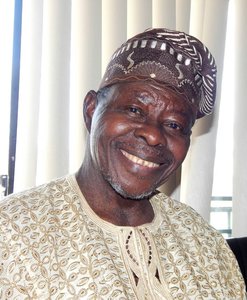
abdul-rasak bisi fakeye
1942 - 2017 , Nigeria
プロフィール概要
- Artistic Movement Or Style: Yoruba themes & Postwar Contemporary art
- Artists Or Movements Influenced By This Artist: ['Olowe of Ise']
- Artists Who Influenced This Artist: ['Lamidi Fakeye']
- Date Of Birth: March 9, 1942
- Date Of Death: 2017
- Full Name: Abdul-Rasak Bisi Fakeye
- Nationality: Nigerian
- Notable Artworks:
- Ilari Sango
- Sango sculptures
- Place Of Birth: Ila Orangun, Nigeria

