

 プレビュー
プレビュー
 プリントを購入
 シェアする
シェアする シェアする
シェアする
 詳細を見る
詳細を見る

 ダウンロード
 似ている作品
 X線調査
X線調査 スライドショー
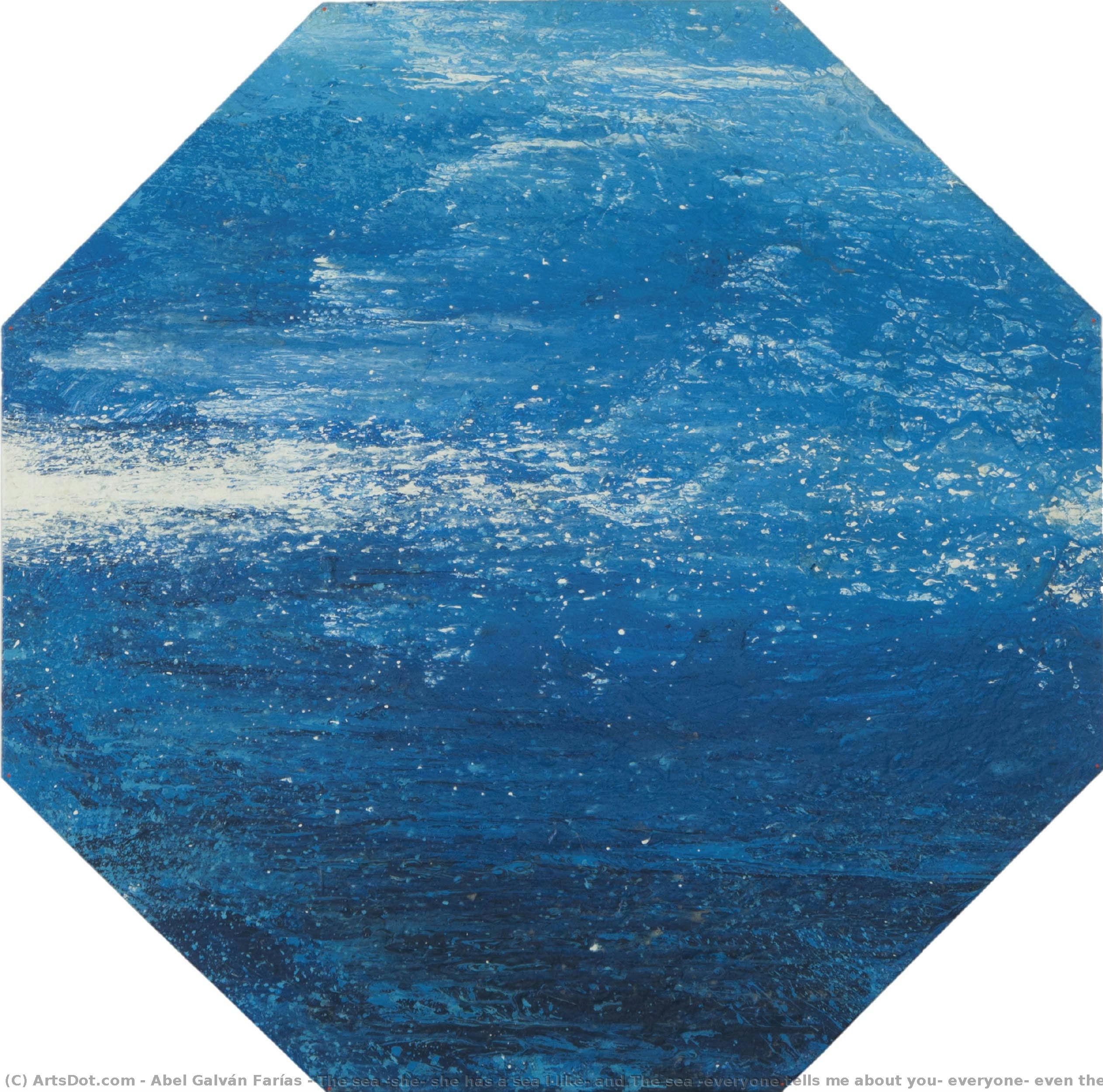
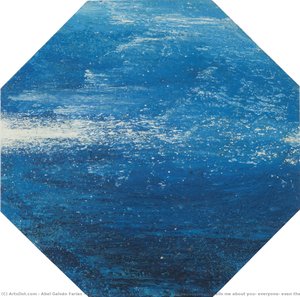
The sea (she, she has a sea I like) and The sea (everyone tells me about you, everyone, even the sea)\n\nThe sea (she, she has a sea I like)
 Painting
- Abstract Expressionism
 2012
2012- Contemporary
 180.0 x 180.0 cm
 Museum of the Arts of the University of Guadalajara
 詳細を見る
詳細を見る
オンラインプレビューをはるかに凌ぐ、高解像度で鮮明なデジタル画像をご購入いただけます。
各ファイルは、社内の専門家が高度なツールと熟練した手作業によるレタッチを用いて、細心の注意を払って準備されています。すべての画像において、卓越した鮮明度、正確な色彩再現性、そして繊細なディテールを保証いたします。
最終ファイルは、プロフェッショナルな編集・印刷環境ですぐにご利用いただけるよう最適化された状態で、72時間以内にメールにてお届けいたします。これは、一流のデザインスタジオ、出版社、ギャラリーから信頼されているものと同等の品質です。
デジタル画像のご注文に付随する特典
高品質なデジタル画像配信を、確かな品質で。
ArtsDot.com を選ぶことは、単に画像を手に入れることではありません。それは、プロの手によって精密に仕上げられ、満足保証が付いた高品質なデジタルアートワークを受け取ることを意味します。ご注文いただいた際に自動的に付随する内容は、以下の通りです:

メールですぐにお届け
ご注文から72時間以内に、高解像度のデジタル画像ファイルがメールでお手元に届きます。すぐにそのままご利用いただけます。

AI技術で最適化されたデジタルファイル
お客様の作品は、高度なAIツールと専門家による手作業の編集を組み合わせてプロフェッショナルに最適化されており、細部のディテール、鮮明さ、そして正確な色再現性を最大限に引き出しています。

一生涯無料の再送サービス
ファイルを誤って削除したり、紛失してしまったりしましたか?ご安心ください。いつでも無料で再送いたします。

輸入手数料は一切かかりません
関税や手数料、配送料を気にすることなく、お気に入りのアートワークをすぐにお楽しみいただけます。デジタルダウンロードは常に免税です。

色彩再現の保証
プロ仕様のツールとカラーマネジメント技術を用いることで、デジタル画像が元の色を最大限に忠実に再現することを保証いたします。

60日間満足保証
ご購入いただいたデジタル画像にご満足いただけない場合は、60日以内であれば、修正または100%の返金(理由を問う必要はありません)をさせていただきます。

100% 返金保証
ご満足いただけない場合は、デジタルファイルを受け取ってから60日以内であれば、理由を問わず全額返金いたします。

まとめ買い割引
3枚購入で10%OFF - 5枚購入で15%OFF - 10枚以上購入で20%OFF。クリエイティブなプロジェクト、ギャラリー、エージェンシーに最適です。
A Symphony of Azure: The Poetic Resonance of Abel Galván Farías
In the evocative diptych titled The sea (she, she has a sea I like) and The sea (everyone tells me about you, everyone, even the sea), Mexican artist Abel Galván Farías invites the viewer into a profound, meditative state. Created in 2012, this work is far more than a mere depiction of a marine landscape; it is a materialized fragment of a romantic and literary trance. The piece originates from a deeply personal experience, where the painter’s infatuation and his literary inclinations converged to capture the essence of an emotional tide. By utilizing two octagonal canvases, Farías breaks away from traditional rectangular constraints, offering a unique geometric rhythm that mirrors the organic, undulating nature of the ocean itself.
The technique employed here is a masterful display of abstract expressionism, where the artist eschews descriptive literalism in favor of pure, emotive texture. Through loose, energetic brushstrokes and a sophisticated layering of pigments, Farías constructs a world composed entirely of light and depth. The surface is alive with white specks and delicate dots that dance across the canvas like sunlight fracturing on a cresting wave or perhaps stars reflected in a midnight tide. This interplay of light and shadow creates a tactile dimension, making the painting feel less like a flat image and more like a window into a breathing, liquid atmosphere.
Symbolism and the Language of Color
Color serves as the primary narrator in this maritime odyssey. The palette is dominated by an expansive range of blues, from the pale, ethereal cerulean of the upper reaches to the dense, mysterious indigos of the depths. This chromatic transition is bisected by a subtle diagonal movement that suggests both the movement of currents and the shifting perspective of a dreamer lost at sea. There is a profound symbolism in this choice; the blue does not merely represent water, but rather the weight of memory and the vastness of unexpressed affection. The artist uses these shades to condense the visual experience of an emotional trance, allowing the viewer to feel the temperature and the pressure of the ocean's embrace.
For the discerning collector or interior designer, this piece offers a transformative presence. Its ability to evoke tranquility while maintaining a dynamic, textured energy makes it a centerpiece capable of anchoring a room with both sophistication and soul. Whether placed in a contemporary gallery setting or a serene residential sanctuary, the work functions as a portal to introspection. It is an invitation to lose oneself in the infinite blue, making it an ideal acquisition for those who seek art that transcends decoration to become a profound emotional experience.




作家の略歴
Jean-Michel Basquiat: A Voice of the Streets and a Revolutionary Artist
Born in Brooklyn, New York City, on December 22, 1960, Jean-Michel Basquiat emerged from the vibrant, often turbulent, landscape of late 1970s and early 1980s New York as one of the most compelling and influential artists of his generation. His life was tragically cut short at the age of 27 in August 1988 due to a heroin overdose, but during his brief career, he left an indelible mark on the art world, challenging conventions, confronting social injustices, and redefining the boundaries of artistic expression.
Basquiat’s early life was shaped by his Haitian-American heritage. His father, Gerard Basquiat, was a Panamanian immigrant who worked as a night watchman for the New York City Transit Authority, while his mother, Laurinda “Lori” Saba Douglas, was an opera singer and social worker. This complex background—a blend of Caribbean roots, working-class struggles, and artistic sensibilities—became central to his work. He spent much of his childhood in Crown Heights, Brooklyn, a neighborhood grappling with poverty, racial tensions, and the burgeoning hip-hop culture that would profoundly influence his art.
Initially, Basquiat’s career began not as a solitary painter but as part of a collaborative duo known as SAMO (Street Art Method Of Operation) alongside Al Diaz. Together, they scrawled enigmatic epigrams and symbols across the walls of Lower East Side buildings in Manhattan during 1976 and 1977. These cryptic messages—often questioning consumerism, power structures, and social inequalities—established Basquiat’s early artistic voice and garnered attention within the burgeoning street art scene. This period laid the groundwork for his later explorations of identity, race, and urban experience.
The Rise of Neo-Expressionism and a Unique Style
By the early 1980s, Basquiat transitioned from graffiti to painting, establishing himself as a key figure in the neo-expressionist movement. This style, characterized by its raw emotion, gestural brushstrokes, and often confrontational subject matter, represented a reaction against the intellectualism of minimalism and conceptual art. Unlike many of his contemporaries, Basquiat didn’t rely on traditional painting techniques; instead, he incorporated elements of collage, drawing, poetry, and historical references into his work.
His paintings frequently featured skulls, crowns (a symbol of royalty and power), musical instruments, and text—often incorporating phrases from jazz lyrics, poetry, and social commentary. He drew heavily on sources such as the writings of James Baldwin, Malcolm X, and W.E.B. Du Bois, reflecting his commitment to addressing issues of race, poverty, and social justice. His distinctive style combined elements of street art with a sophisticated intellectualism, creating images that were both visually arresting and deeply layered in meaning.
Basquiat’s work was not simply decorative; it was an active engagement with the world around him. He frequently depicted scenes from his own life—his family, his neighborhood, and his experiences as a Black artist navigating a predominantly white art establishment. His use of symbols and imagery allowed him to explore complex themes in a visually accessible way, inviting viewers to contemplate the social and political realities of 1980s America.
Themes of Identity, Power, and Social Commentary
A recurring theme throughout Basquiat’s oeuvre is the exploration of identity—particularly his own as a Black artist in a predominantly white art world. He grappled with issues of representation, appropriation, and the challenges faced by marginalized communities. His paintings often confronted the hypocrisy of American society, exposing the contradictions between ideals of freedom and equality and the realities of racism and economic inequality.
Power structures were another central concern for Basquiat. He frequently depicted figures of authority—police officers, politicians, and corporate executives—as symbols of oppression and corruption. His use of crowns as a recurring motif served as both an assertion of personal power and a critique of the established order. His work became a powerful indictment of systemic injustice and a call for social change.
Furthermore, Basquiat’s art engaged with the cultural landscape of his time, particularly the rise of hip-hop culture. He incorporated elements of graffiti, breakdancing, and rap music into his paintings, reflecting the energy and dynamism of the streets of New York City. His work served as a visual record of a generation grappling with issues of identity, race, and social justice.
Legacy and Historical Significance
Despite his tragically short life, Jean-Michel Basquiat’s impact on the art world is undeniable. He quickly rose to prominence during his lifetime, becoming one of the youngest artists ever exhibited at the Whitney Museum of American Art and Documenta in 1982. His work continues to be celebrated for its raw emotion, intellectual depth, and social commentary.
Today, Basquiat’s paintings command some of the highest prices on the art market, a testament to his enduring appeal and artistic significance. He is remembered not only as a brilliant artist but also as a cultural icon—a voice for the marginalized, a champion of social justice, and a revolutionary figure who challenged the conventions of the art world.
His work remains relevant today, prompting viewers to confront issues of race, inequality, and power in a way that is both challenging and profoundly moving. Basquiat’s legacy continues to inspire artists and activists alike, solidifying his place as one of the most important figures in contemporary art history.
abel galván farías
1980 - , Mexico
プロフィール概要
- Artistic Movement Or Style: Neo-expressionism
- Artists Or Movements Influenced By This Artist:
- Graffiti art
- Hip-hop culture
- Artists Who Influenced This Artist:
- Andy Warhol
- Keith Haring
- Date Of Birth: December 22, 1960
- Date Of Death: August 12, 1988
- Full Name: Jean-Michel Basquiat
- Nationality: American
- Notable Artworks:
- Irony of Negro Policeman
- Skull of Doom
- Untitled
- Boy and Dog in a Johnnypump
- Defacement
- Hollywood Africans
- Place Of Birth: New York City, U.S.

