

 プレビュー
プレビュー
 シェアする
シェアする シェアする
シェアする
 詳細を見る
詳細を見る

 ダウンロード
 似ている作品
 X線調査
X線調査 スライドショー
 統計情報
統計情報Nest of a Blackbird
 Oil
Oil- WallArt
- Realism
 1883
1883- 19th Century
 25.0 x 30.0 cm
 ザ・ヘップワース・ウェイクフィールド
 詳細を見る
詳細を見る
手描き油彩複製画
当社のアーティストが、お客様のご希望のサイズと額縁に合わせて、キャンバスに手描きで制作する油彩画です。 ( プリント版に切り替え デジタル画像販売へ切り替え)




P118B $10

P118H $10

P118W $10

P438Z $10

P508JH $12

P508YH $12

P805H $10

P805Z $10

P919BZ $10

P919G $10

P919XJ $10

P959ZH $10

P968JZ $12

W106C $8

W218G $10

W218JH $8

W218Y $10

W307PJ $10

W316G $10

W316PJ $8

W316Y $10

W398PJ $8

W4111J $10

W500HY $15

W500JH $15

W692G $12

W849H $8

W940BG $15

W953PJ $8




作品のオリジナル比率に合わせた、当店の規定サイズからお選びください。

特定のフレームやスペースに合わせて、ご希望のサイズをご入力いただけます。選択されたサイズが元の画像の比率と異なる場合、アートワークをトリミングするか、手描きで要素を追加して絵画を拡張いたします。デジタルモックアップ を制作し、制作開始前にご確認(承認)をいただきます。
画面上のプレビューは、実際のトリミングや拡張を正確に反映しているものではありません。最終的な構図は、モックアップによってのみ正確にご確認いただけます。
カスタムサイズもご利用いただけますが、元の比率を維持するためには、あらかじめ用意されたリストからサイズを選択することをお勧めいたします。
ご注文後、ArtsDot.com チームより詳細な指示をお送りするとともに、仕上がりイメージ(モックアップ)をご提供いたします。


 ガラスオプションは、110cm未満のサイズでのみご利用いただけます。

Nest of a Blackbird
複製技法
複製画のサイズ
-


合計金額
$ 263
A Quiet Miracle in the Yorkshire Wild
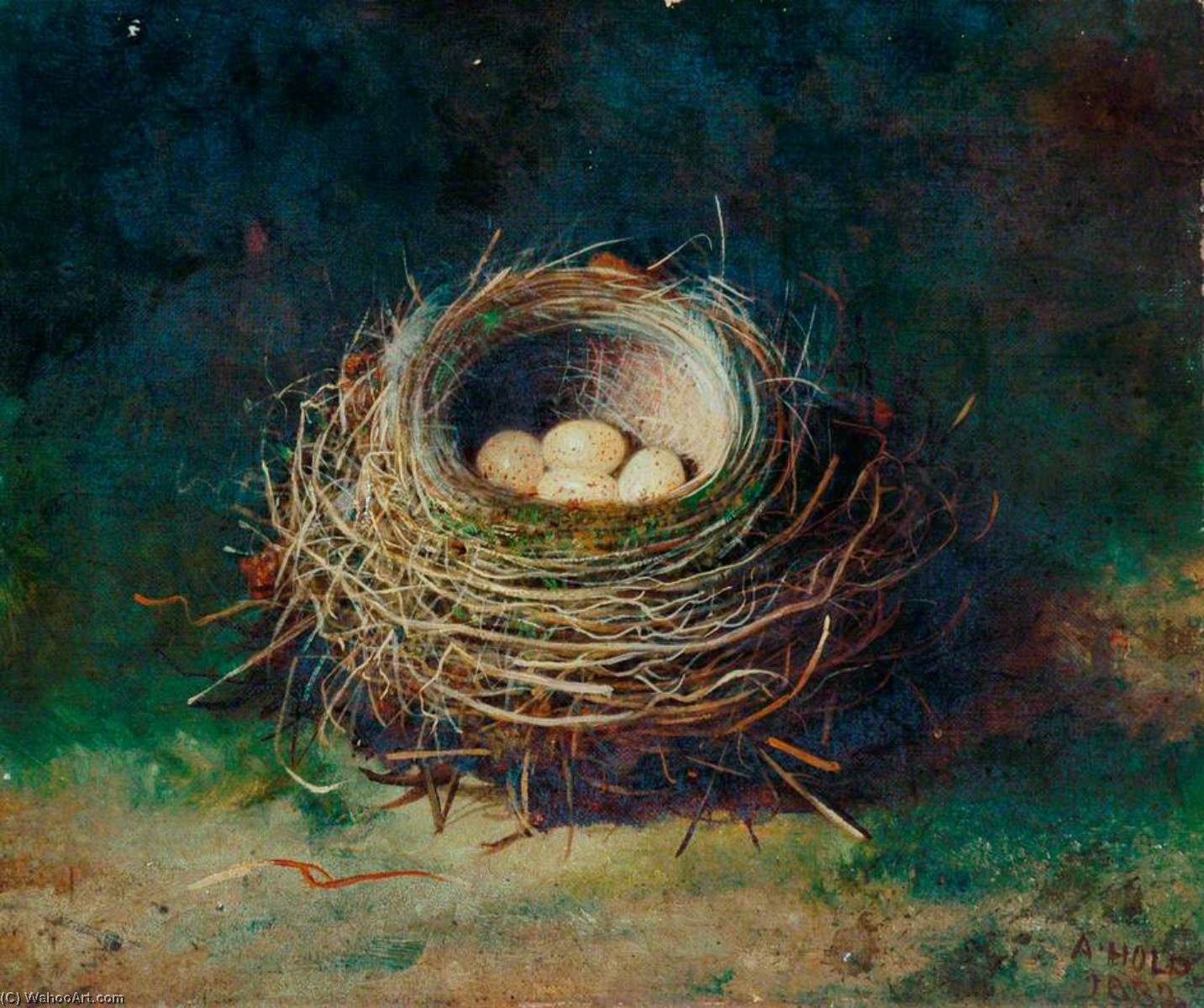
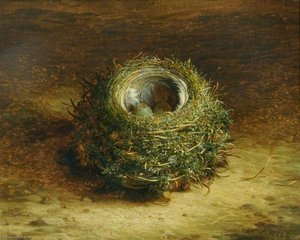
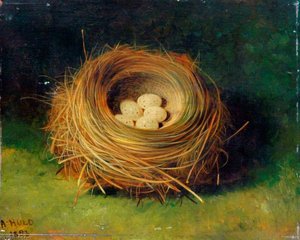
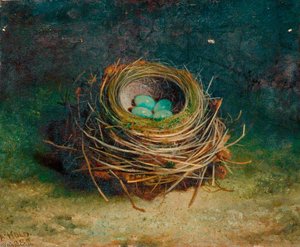
In the delicate interplay of light and shadow, Abel Hold’s Nest of a Blackbird invites the viewer into a private, hushed moment of the natural world. Painted in 1883, this exquisite work transcends mere biological documentation to become a profound meditation on life and fragility. The composition is dominated by the intricate architecture of the nest, a masterfully rendered cradle of woven twigs, dried grasses, and soft mosses. Hold, a painter whose soul was deeply rooted in the landscapes of West Yorkshire, utilizes a vibrant yet earthy palette of deep forest greens, warm ochres, and rich umbers to breathe life into this small corner of the earth. The viewer is not merely looking at a subject; they are peering into the very heart of a hidden sanctuary.
The technical brilliance of the piece lies in Hold’s ability to marry his early training as a decorator with his innate sensitivity as a naturalist. Every strand of grass and every textured fragment of bark is treated with a meticulous attention to detail that suggests a profound respect for his subject. The eggs, nestled securely within the organic labyrinth, serve as the focal point of both the composition and the narrative. Some appear larger and more robust than others, adding a layer of realism that speaks to the unpredictable rhythms of nature. Through subtle brushwork and a sophisticated understanding of tonal variation, Hold creates a sense of three-dimensionality that makes the nest feel tangible, almost as if one could reach out and feel the rough texture of the twigs.
Beyond its aesthetic charm, the painting carries a weight of quiet symbolism that resonates with collectors and lovers of fine art alike. The nest is an ancient symbol of home, fertility, and the cyclical continuity of life. In the context of the late 19th century, such depictions offered a moment of pastoral tranquility amidst the rapid industrialization of Britain. For the modern interior, this piece acts as a window into a serene, untouched wilderness. It possesses a unique ability to ground a room, providing a sense of organic warmth and contemplative peace. Whether placed in a sunlit study or a sophisticated contemporary living space, Nest of a Blackbird serves as a timeless reminder of the beauty found in the smallest, most overlooked corners of our existence.
関連作品
アーティストの略歴
Abel Hold: A Yorkshire Painter of Nature’s Soul
Abel Hold (1815-1896), a largely unsung figure of 19th-century British art, possessed a remarkable talent for capturing the essence of the natural world. Born in Alverthorpe, a small village near Wakefield, Yorkshire, his artistic journey began not with formal training but through a deep connection to the landscapes and wildlife surrounding him. Hold’s life was one of quiet dedication, marked by a self-taught approach and a profound respect for the subjects he depicted – animals, game birds, and the evocative scenery of West Yorkshire.
Early in his career, Hold worked as a house painter and decorator, skills that undoubtedly informed his meticulous observation of detail and his understanding of color. However, it was his passion for depicting the natural world that truly defined his artistic output. He wasn’t merely recording scenes; he sought to convey the spirit and character of each subject, imbuing his paintings with a sense of life and immediacy. His work reflects a Romantic sensibility – an appreciation for beauty, a fascination with nature's power, and a yearning for connection with the wild.
The Cawthorne Years: Patronage and Artistic Flourishing
A pivotal moment in Hold’s career arrived through his acquaintance with Walter Spencer-Stanhope, the owner of Cannon Hall Estate. Recognizing Hold’s talent, Spencer-Stanhope became a generous patron, providing him with a studio and access to subjects for his paintings. This patronage allowed Hold to dedicate himself fully to his art, fostering a period of intense creative activity. The estate's extensive grounds offered an unparalleled source of inspiration – from the rolling hills and woodlands to the abundant wildlife.
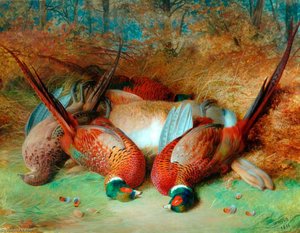
Hold’s connection with Cannon Hall extended beyond mere financial support; it fostered a shared appreciation for the natural world. He meticulously documented the estate’s flora and fauna, creating a rich visual record of its diverse ecosystem. His paintings of game birds – pheasants, partridges, and grouse – are particularly celebrated for their realism and sensitivity to the animals' behavior. He wasn’t simply rendering appearances; he captured the essence of these creatures in motion, conveying their alertness, grace, and inherent wildness.
Technique and Materials: A Painter of Simplicity
Hold’s artistic style was characterized by a directness and simplicity that belied his deep understanding of technique. He eschewed elaborate ornamentation or dramatic compositions, instead focusing on capturing the essential qualities of his subjects with clarity and precision. His brushwork was often loose and expressive, conveying texture and movement with subtle variations in tone and color.
Notably, Hold developed his own pigments, grinding river pebbles for ochre, umber, and sienna – a testament to his resourcefulness and intimate connection with the landscape. This practice not only provided him with a unique palette but also reinforced his understanding of materials and their interaction with light. His paintings often possess a remarkable luminosity, achieved through careful layering of color and a sensitivity to atmospheric effects.
Legacy and Recognition
Despite his considerable talent, Abel Hold remained largely unknown during his lifetime. He was a working artist, content to pursue his passion without seeking fame or fortune. It wasn’t until decades after his death that his work began to receive wider recognition. The Cawthorne 1790-1990 booklet and later exhibitions highlighted the significance of his contributions to Yorkshire art. Today, Abel Hold is increasingly appreciated as a skilled naturalist painter who captured the beauty and spirit of the West Yorkshire landscape with remarkable sensitivity and insight.
His paintings are now housed in collections such as the Scottish National Portrait Gallery (where a portrait of Jonas Beaumont hangs), and private collections, offering a glimpse into the life and work of an artist whose quiet dedication and profound connection to nature continue to resonate today. Abel Hold’s legacy lies not only in his beautiful paintings but also in his embodiment of a simpler, more contemplative approach to art – one rooted in observation, respect for the natural world, and a deep appreciation for its enduring beauty.
abel hold
1815 - 1891
基本情報
- Artistic Movement Or Style: Animal/Game Painting
- Artists Or Movements Influenced By This Artist: ['None known']
- Artists Who Influenced This Artist: ['']
- Date Of Birth: 1815
- Date Of Death: 1896
- Full Name: Abel Hold
- Nationality: British
- Notable Artworks:
- A Bird's Nest
- Jonas Beaumont
- Place Of Birth: Alverthorpe, England
関連記事
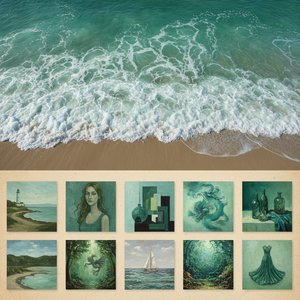
Seafoam & Masterpieces: 10 Paintings Dominated by Medium Sea Green | ArtsDot
Dive into serenity with 10 famous paintings bathed in calming medium sea green. Explore Impressionist masterpieces by Monet, Degas & Renoir. Find museum-quality art reproductions and elevate your home decor at ArtsDot.com.
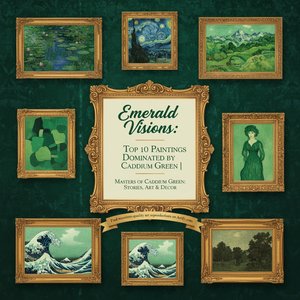
Emerald Visions: Top 10 Paintings Dominated by Cadmium Green |
Explore 10 iconic paintings where cadmium green reigns supreme! From Monet to Van Gogh, discover the stories behind these masterpieces & the power of color. Find museum-quality art reproductions and elevate your home decor on .
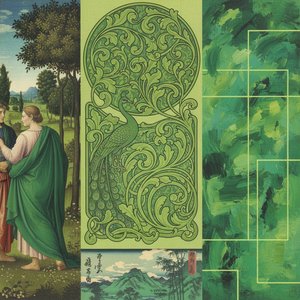
Verdant Visions: Exploring the Symbolism & Aesthetic Impact of Green in Art History
Explore the rich history & symbolism of green in art! Discover iconic paintings, techniques, and how to bring verdant harmony into your home with ArtsDot's expert guide.
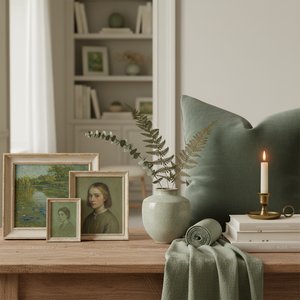
Sage Green Masterpieces: 10 Famous Paintings & Timeless Decor Inspiration
Explore 10 famous paintings dominated by serene sage green tones! Discover Monet, Renoir & Manet masterpieces. Learn art history & find museum-quality reproductions for your home decor on .
Chrome Green Masterpieces: 10 Famous Paintings & Their Alluring Hues |
Explore 10 famous paintings where 'Chrome Green' reigns supreme! Discover Monet, Manet & Van Gogh’s masterpieces. Learn the stories behind these iconic artworks and find museum-quality art reproductions for your home at .