

 プレビュー
プレビュー
 シェアする
シェアする シェアする
シェアする
 詳細を見る
詳細を見る

 ダウンロード
 似ている作品
 X線調査
X線調査 スライドショー
 統計情報
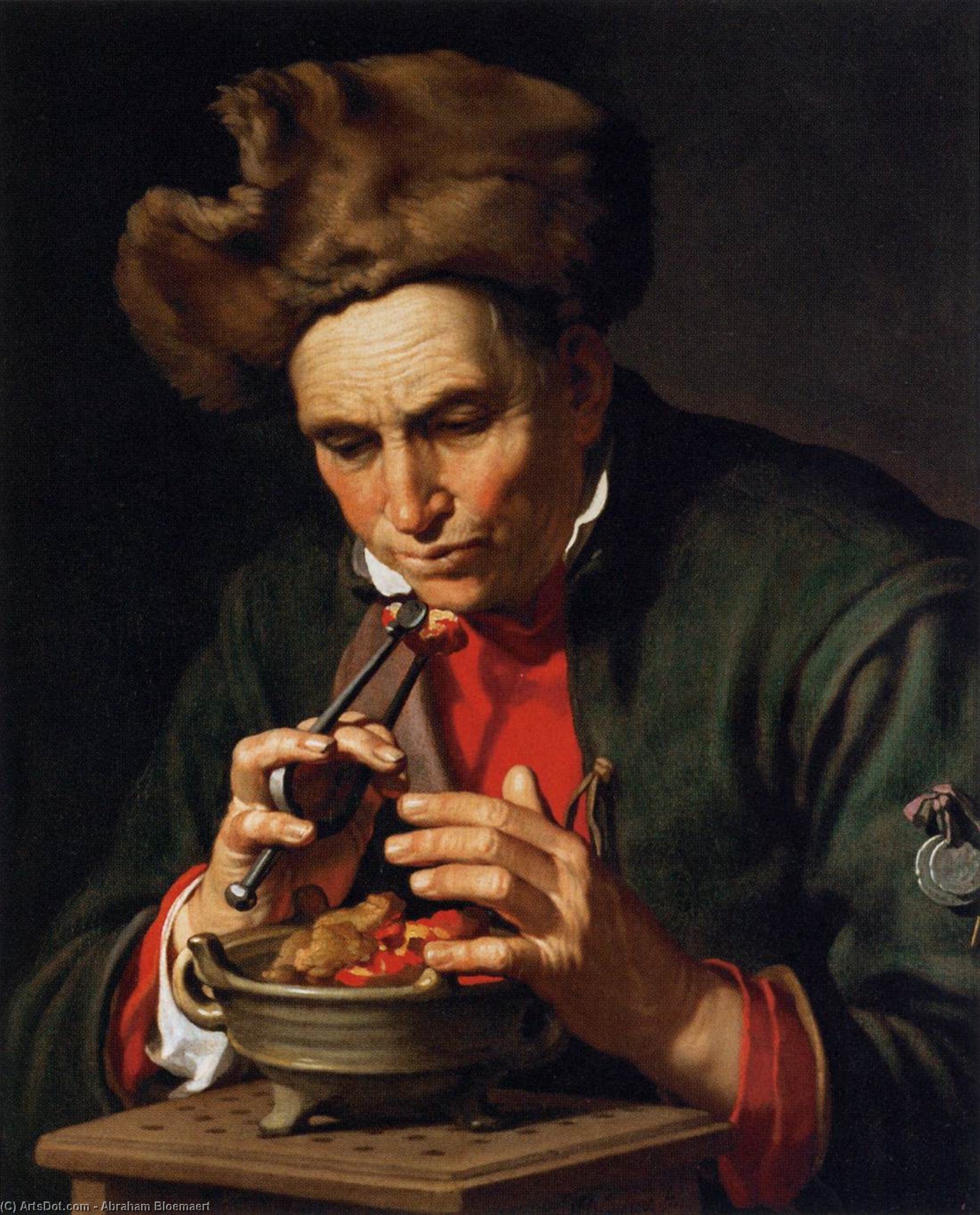
統計情報Allegory of Winter
 Oil On Canvas
- WallArt
- Baroque
 1625
1625- Early Modern
 70.0 x 57.0 cm
 ルーブル美術館
 詳細を見る
詳細を見る
ジークレー/アートプリント
迅速な制作と多彩な仕上げオプションを備えた、ミュージアムクオリティのジークレーまたはキャンバスプリント。 ( 手描きの絵画を購入 デジタル画像販売へ切り替え)




P118B $10

P118H $10

P118W $10

P438Z $10

P508JH $12

P508YH $12

P805H $10

P805Z $10

P919BZ $10

P919G $10

P919XJ $10

P959ZH $10

P968JZ $12

W106C $8

W218G $10

W218JH $8

W218Y $10

W307PJ $10

W316G $10

W316PJ $8

W316Y $10

W398PJ $8

W4111J $10

W500HY $15

W500JH $15

W692G $12

W849H $8

W940BG $15

W953PJ $8




作品のオリジナル比率に合わせた、当店の規定サイズからお選びください。

特定のフレームやスペースに合わせて、ご自身でサイズを指定することも可能です。選択されたサイズが元の画像の比率と一致しない場合、作品をトリミングするか、鏡面反射または単色での塗りつぶしによって画像を拡張いたします。制作を開始する前に、ご確認用のデジタルモックアップをお送りいたします。
画面上のプレビューには、実際のトリミングや拡張は反映されませんのでご注意ください。最終的な構図を正確に確認できるのは、モックアップのみとなります。
カスタムサイズも承っておりますが、元の比率を維持するためには、あらかじめ用意されたリストからサイズを選択することをお勧めいたします。


 ガラスオプションは、110cm未満のサイズでのみご利用いただけます。

Allegory of Winter
ジークレー/アートプリント
複製画のサイズ
-


合計金額
$ 62
A Symphony of Warmth Amidst the Chill
In the quiet, flickering glow of a hearth, Abraham Bloemaert’s Allegory of Winter invites the viewer into a moment of profound intimacy and survival. Painted between 1625 and 1630, this masterpiece transcends a mere genre scene of a man enjoying a meal; it serves as a poignant meditation on resilience. The central figure, a gentleman draped in a striking scarlet jacket, sits anchored at his table, a vibrant splash of warmth against the encroaching shadows of the season. As he holds a bowl filled with nourishing stew or soup, there is an undeniable sense of tactile comfort—the weight of the ceramic, the steam rising from the food, and the soft presence of a female servant nearby who embodies the nurturing spirit required to endure the harshest months.
The painting captures more than just a physical meal; it captures the psychological state of a Netherlands navigating an era of profound transition. During the early Baroque period, Utrecht was a crucible of artistic and religious transformation. Bloemaert, a master who bridged the gap between the intricate elegance of Mannerism and the dramatic intensity of the Baroque, utilizes this setting to reflect the broader human struggle for stability amidst political and spiritual upheaval. To gaze upon this work is to feel the tension between the external cold of the world and the internal sanctuary of the home.
Mastery of Light and Shadow
Technically, Allegory of Winter is a triumph of the Utrecht Caravaggisti style. Bloemaert employs a masterful use of chiaroscuro, the dramatic interplay between deep, velvety shadows and piercing highlights, to sculpt the figures from the darkness. This technique does more than create three-dimensional depth; it directs the eye with theatrical precision toward the textures that define the scene—the coarse weave of the man's attire, the glint of light on the bowl, and the soft, weathered skin of the subjects. The use of oil on canvas allows for a rich, luminous quality that makes the scarlet tones of the gentleman's clothing appear almost tactile, pulling the viewer into the warmth of the firelight.
For the discerning collector or interior designer, this painting offers an unparalleled emotional anchor. Its composition is balanced yet dynamic, making it a sophisticated choice for spaces that require a sense of groundedness and historical weight. Whether placed in a study filled with books or as a focal point in a contemporary living space, the artwork brings a layer of narrative complexity and "hygge"—that much-coveted sense of cozy contentment—to any environment.
The Language of Symbolism
Every element within Bloemaert’s composition whispers a deeper meaning. The bread and wine, staples of the table, act as symbols of sustenance and the continuity of life, standing in defiance of the seasonal decay represented by winter. The very act of eating becomes a ritual of survival and a celebration of human dignity. Through his meticulous observation, Bloemaert transforms a simple domestic moment into an allegory of the soul's fortitude. This layer of hidden meaning ensures that the painting remains a subject of endless contemplation, offering new insights with every viewing, much like a well-loved classic that reveals its secrets only to those who linger.
関連作品

アーティストの略歴
芸術に捧げられた生涯:アブラハム・ブルーマールが描いた世界
1564年にホルンヘッハで生まれ、1651年にユトレヒトでその生涯を閉じたアブラハム・ブルーマールは、オランダ絵画におけるマニエリスムからバロックへの転換期を象徴する極めて重要な人物です。宗教的、政治的な激動の時代にありながら、彼の長く多作なキャリアを通じて生み出された作品には、常に劇的な力強さと繊細な美しさが共存していました。ブルーマールの芸術への旅は、父コルネリス・ブルーマール1世の指導のもとで始まりました。建築家であった父は、彼に形態と構図に関する基礎的な理解を授けました。この初期の修行は、ユトレヒトでのヘリット・スプリンターやヨース・デ・ベールとの学びを通じてさらに洗練され、後の芸術的探求の礎となりました。そして、1581年から1583年にかけてのパリでの3年間が、彼の運命を決定づける重要な時期となります。パリにおいて彼は、ジャン・バソやメストル・ヘリーの影響を吸収すると同時に、同じくオランダ人画家であるヒエロニムス・フランケンらの作品に出会い、その様式的な視野を大きく広げました。このパリでの滞在は、フランス派の洗練された優雅さに彼を触れさせ、後の革新的な表現へと向かう舞台を整えたのです。マニエリスムからバロックへ:変容する美学
ユトレヒトに戻ったブルーマルは、瞬く間に第一線の画家としての地位を確立しました。当初の彼のスタイルは、引き伸ばされた人物像や優雅なポーズ、そして複雑な寓意物語を特徴とする、当時主流であったハールレム・マニエリスムに沿ったものでした。しかし、彼はその枠組みの中に留まるだけでは満足しませんでした。17世紀の幕開開とともに、ブルーマールは台頭しつつあったバロックの美学を取り入れ始めます。それは、躍動感の増大、感情的な強烈さ、そして高まった写実性によって特徴づけられる変化でした。この変遷は決して唐突なものではなく、むしろ両方の様式の要素を融合させ、彼独自の個人的な芸術言語へと昇華させていく緩やかな進化の過程でした。彼は劇的な光の効果、豊かな色彩、そして表情豊かな身振りを見事に操り、力強い物語を伝え、観る者の心に深い感情を呼び起こしました。彼の絵画は新たなエネルギーを帯び始め、それはまさに変化しゆくオランダ共和国の文化的景観を映し出していたのです。多様な主題と技法の巨匠
ブルーマールの芸術的成果は、驚くほど多岐にわたります。彼は歴史画において卓越した才能を発揮し、聖書の物語や古典神話を、圧倒的な細部描写と感情的な深みをもって描き出しました。風景画もまた彼のレパートリーの中で特別な地位を占めており、宗教画や神話の舞台として機能することもあれば、次第にそれ自体が独立した主題となり、日常の営みにふける人々が点在する絵画的な情景へと進化していきました。また、ブルーマールは絵画のみならず、エッチングやエングレービングの両方に精通した極めて熟練した版画家でもありました。これらの版画は、彼の芸術的ビジョンをより広く普及させる役割を果たし、彼の名声と影響力を高める大きな要因となりました。その技術的な習熟は静物画や動物画にまで及び、同時代の多くの画家とは一線を画す、類まれな多才さを証明しています。「ハガルとイシュマエルの追放」、「ヴィーナスとアドニス」、そして「戦士と若い旗手」といった代表作は、複雑な構図を制御し、繊細な感情を伝える彼の卓越した技量を如実に示しています。多大な影響を与えた教育者とその遺産
アブラハム・ブルーマールは、類まれな才能を持つ画家であるだけでなく、極めて影響力のある教育者でもありました。ユトレヒトに活気ある工房を設立し、後に著名な画家となる数多くの弟子を惹きつけました。驚くべきことに、彼の四人の息子――ヘンドリック、フレデリック、コルネリス、アドリアーン――は皆、父の足跡をたどり、画家や版画家として大きな成功を収めました。家族のみならず、ブルーマールはヤン・アールンツ・デ・ヘル、ニコラエス・ファン・ベルケイック、レオナールト・ブラメル、バルトロメウス・ブリーンベルフ、ヘンドリック・テル・ブルッヘン、ヘリット・ファン・ホントホルストといった、次世代のオランダ人画家たちを指導しました。彼の影響は、特に「ウトレヒト・カラヴァッジョ派」に対して深いものとなりました。彼らは、カラヴァッジョが切り拓いた劇的な写実主義とテネブリズム(明暗の強烈な対比)を取り入れた画家集団です。ブルーマールの教えは、彼ら独自の様式を形成する助けとなり、オランダ・バロック絵画の発展における中心的人物としての地位を不動のものにしました。彼の遺産は、技術的な輝き、感情的な力強さ、そして歴史的な重要性とともに、今日でもなお響き続けています。その作品は、芸術的な探求と革新に捧げられた生涯の証であり、美術史に消えることのない足跡を残しています。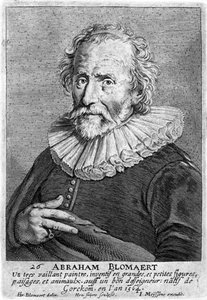
アブラハム・ブルマールト
1564 - 1651
基本情報
- Artistic Movement Or Style: バロック、マニエリスム
- Artists Or Movements Influenced By This Artist: ['ウトレヒト・カラヴァッジオ派']
- Artists Who Influenced This Artist: ['ヒエロニムス・フランケン']
- Date Of Birth: 1564年
- Date Of Death: 1651年
- Full Name: アブラハム・ブルマールト
- Nationality: オランダ
- Notable Artworks:
- ハガルとイシュマエルの追放
- ヴィーナスとアドニス
- 農民の風景画
- Place Of Birth: オランダ、ホルンヘム
関連記事

黄金世紀の巨匠たち:バロック絵画が彩る10選|ArtsDot
オランダ黄金時代の10大傑作を紐解く!レンブラント、フェルメール…バロック絵画の魅力と時代背景を深く探求。ArtsDotで、至高のアートコレクションと空間演出のヒントを見つけよう。高品質なアートプリントで、お部屋を華やかに。
Abraham Hulk Senior: Pioneering Maritime Topography of the Dutch Golden Age
Explore the captivating seascapes of Abraham Hulk Senior, a leading Anglo-Dutch marine painter of the 19th century. Discover his signature style, family legacy & collectable artworks at ArtsDot.

Golden Age Reflections: Dutch Baroque Painting & Cultural Innovation
Explore the Dutch Golden Age of painting! Discover key artists like Vermeer & ter Borch, their innovative techniques, and the rich cultural context behind these Baroque masterpieces. Learn about collecting & appreciating this iconic art period.

Dutch Baroque Masters: 10 Paintings That Shaped an Era | ArtsDot
Journey through the Golden Age with our guide to the Top 10 Dutch Baroque masterpieces! Explore iconic paintings by Rembrandt, Vermeer & Frans Hals. Find museum-quality art reproductions and elevate your home decor at ArtsDot.com.
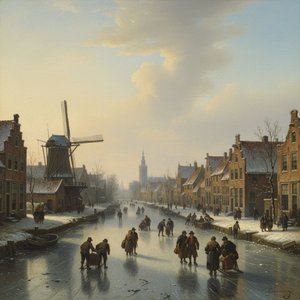
Charles Leickert: Capturing the Dutch Golden Age Light – A Comprehensive Study of Technique, Context, and Legacy
Explore the captivating winter landscapes of Charles Leickert, a master of Dutch Golden Age light & atmosphere. Discover his techniques, symbolism, and lasting legacy – a comprehensive study for art enthusiasts and collectors.