

 プレビュー
プレビュー
 シェアする
シェアする シェアする
シェアする
 詳細を見る
詳細を見る

 ダウンロード
 似ている作品
 X線調査
X線調査 スライドショー
 Stats
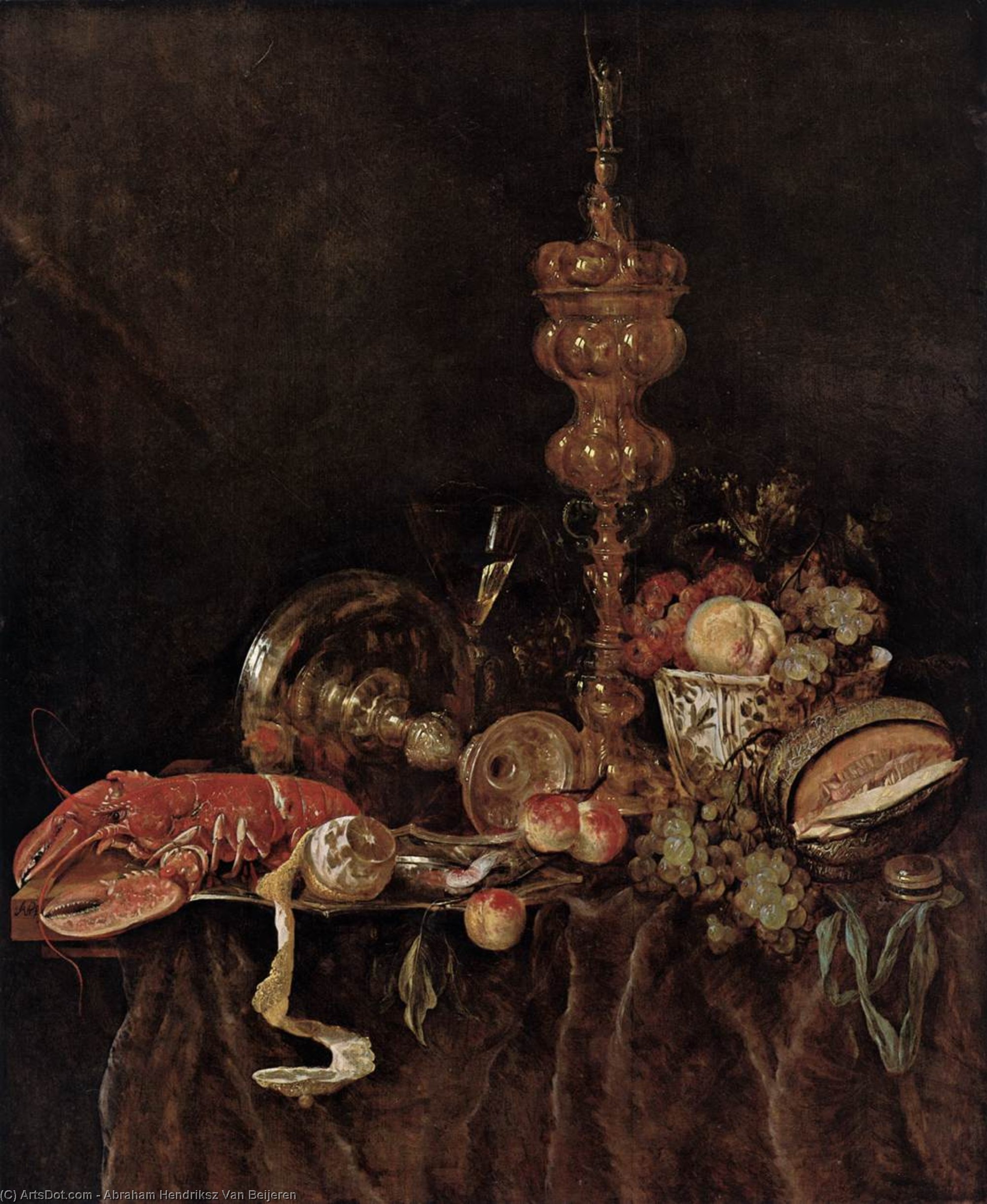
StatsStill-Life with Lobster and Fruit
 Oil On Canvas
- WallArt
- Dutch Golden Age
 1651
1651 97.0 x 79.0 cm
 メトロポリタン美術館
 詳細を見る
詳細を見る
ジークレー/アートプリント
迅速な制作と多彩な仕上げオプションを備えた、ミュージアムクオリティのジークレーまたはキャンバスプリント。 ( 手描きの絵画を購入 Switch to Digital Image)




P118B $10

P118H $10

P118W $10

P438Z $10

P508JH $12

P508YH $12

P805H $10

P805Z $10

P919BZ $10

P919G $10

P919XJ $10

P959ZH $10

P968JZ $12

W106C $8

W218G $10

W218JH $8

W218Y $10

W307PJ $10

W316G $10

W316PJ $8

W316Y $10

W398PJ $8

W4111J $10

W500HY $15

W500JH $15

W692G $12

W849H $8

W940BG $15

W953PJ $8




作品のオリジナル比率に合わせた、当店の規定サイズからお選びください。

特定のフレームやスペースに合わせて、ご自身でサイズを指定することも可能です。選択されたサイズが元の画像の比率と一致しない場合、作品をトリミングするか、鏡面反射または単色での塗りつぶしによって画像を拡張いたします。制作を開始する前に、ご確認用のデジタルモックアップをお送りいたします。
画面上のプレビューには、実際のトリミングや拡張は反映されませんのでご注意ください。最終的な構図を正確に確認できるのは、モックアップのみとなります。
カスタムサイズも承っておりますが、元の比率を維持するためには、あらかじめ用意されたリストからサイズを選択することをお勧めいたします。


 ガラスオプションは、110cm未満のサイズでのみご利用いただけます。

Still-Life with Lobster and Fruit
ジークレー/アートプリント
複製画のサイズ
-


合計金額
$ 62
Still Life with Lobster and Fruit – A Masterpiece of Dutch Golden Age Symbolism
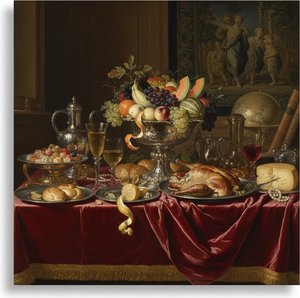
Abraham Hendricksz van Beyeren’s “Still Life with Lobster and Fruit,” painted circa 1650/60, stands as a quintessential example of the Dutch Golden Age's fascination with meticulous observation and profound philosophical contemplation. Executed in oil on wood, this artwork transcends mere representation; it embodies the artistic ethos of its time—a desire to grapple with existential questions through carefully crafted visual narratives. The painting’s impact resonates deeply within the broader context of vanitas symbolism, a genre that sought to confront mortality and remind viewers of the fleeting nature of earthly pleasures.- Composition & Setting: The scene unfolds upon a dark velvet surface—a deliberate choice reflecting the opulent interiors favored by wealthy Dutch patrons during the Baroque period. A dense arrangement of objects dominates the canvas, creating an immersive experience for the viewer.
- Objects & Symbolism: At its core lies a golden goblet, symbolizing divine grace and earthly ambition simultaneously. Surrounding it are a lobster—representing death and decay—and an assortment of fruits (peaches, grapes, melon)—symbolizing abundance and fertility. Vessels filled with wine and water further emphasize the themes of consumption and preservation.
- Lighting & Technique: Van Beyeren’s masterful use of light is paramount to conveying the artwork's emotional depth. Light emanates from above and slightly to the left, casting dramatic shadows that accentuate the three-dimensionality of each item. The artist employs a technique characterized by smooth brushstrokes and rich colors—a hallmark of oil painting—resulting in an astonishing level of detail and textural nuance.
A Window into Baroque Philosophy
The artwork’s intellectual underpinning lies firmly within the philosophical currents of the Baroque era, where artists wrestled with questions of faith, mortality, and the human condition. Van Beyeren's meticulous depiction of decaying fruit and shimmering metal objects serves as a poignant reminder that beauty—however radiant—is inevitably destined for ruin. This deliberate juxtaposition underscores the vanitas theme—the contemplation of death and decay—a central preoccupation in Baroque art.- Historical Context: Created during the height of Dutch prosperity, “Still Life with Lobster and Fruit” reflects a cultural milieu preoccupied with both material wealth and spiritual reflection. The painting’s commission likely stemmed from a desire to commemorate life's accomplishments while simultaneously acknowledging its inevitable end—a sentiment deeply ingrained in Baroque artistic sensibilities.
- Influence & Legacy: Van Beyeren’s work profoundly impacted subsequent generations of painters, establishing him as one of the foremost practitioners of Dutch still life. His meticulous attention to detail and masterful manipulation of light continue to inspire artists today, cementing his place within art history's canon.
Detailed Examination – Texture & Color Palette
The painting’s visual impact derives significantly from its remarkable textural richness and carefully calibrated color palette. Van Beyeren achieves an astonishing level of realism by capturing the subtle nuances of surface textures—the velvety sheen of the velvet base, the reflective brilliance of the metallic objects (platters and bowls)—creating a tactile experience for the viewer. The artist’s masterful blending of pigments produces hues that are both luminous and subdued, reflecting the prevailing aesthetic preferences of the Baroque period.- Color Palette: Dominating the palette is dark browns and blacks—providing a grounding counterpoint to the flashes of gold and red (from the lobster)—and muted fruit tones—suggesting an understated elegance.
- Brushwork & Technique: Van Beyeren’s brushstrokes are remarkably smooth, contributing to the artwork's overall sense of tranquility and sophistication. The artist skillfully utilizes glazing techniques—applying thin layers of translucent paint over underlying colors—enhancing depth and luminosity.
Provenance & Artistic Significance
“Still Life with Lobster and Fruit” holds considerable artistic significance due to its provenance—a gift from Baron Karl Neuman de Végvár to the Metropolitan Museum of Art in 1971—and its enduring presence within the museum’s collection. Its inclusion underscores the artwork's recognition as a masterpiece of Dutch Baroque painting, demonstrating Van Beyeren’s mastery of technique and his ability to convey profound philosophical ideas through visual imagery. The painting serves as a testament to the artistic achievements of the Golden Age and continues to captivate audiences with its timeless beauty and intellectual depth.関連作品




アーティストの略歴
オランダ黄金時代、静物画の巨匠
17世紀、活気に満ち、繁栄を極めたオランダの風景において、存在の感覚的な豊かさをアブラハム・ヘンドリックスス・ファン・ベイレンほど深く捉えた芸術家は、他に類を見ません。1620年頃にハーグで生まれたファン・ベイレンは、「オランダ黄金時代」として知られる比類なき芸術的開花の時代にその才能を開花させました。彼の生涯と作品は、ライデン、デルフト、アムステルダムといった都市の知的かつ商業的な鼓動と深く結びついており、彼は物質世界の卓越した記録者としての地位を確立しました。初期の伝記の多くは歴史の柔らかな影の中に隠されたままですが、その芸術的系譜は同時代の巨匠たちとの繋がりを示唆しており、伝説的なヨハネス・フェルメールに基礎的な修行を受けたとする説さえ存在します。この影響は、彼の洗練された光の操り方に顕著に表れており、その卓越した技法によって、彼は単なる物体を、画面の中で輝きを放つ主人公へと変貌させたのです。
ファン・ベイレンの様式の進化は、オランダ絵画における美学の潮流の変化を物語る視覚的な年代記といえるでしょう。初期の作品は、カラヴァッジョによって広められたキアロスクレオー(明暗法)の技法に強く影響を受け、ドラマチックで、あたかも演劇のような強烈な印象を特徴としていました。この形成期において、彼のキャンバスは深い情緒的な影と、鋭く突き刺すようなハイライトによって定義され、主題に重厚さと感情的な重みを与えていました。しかし、キャリアが成熟するにつれ、ファン・ベイレンは驚くべき様式の変容を遂げます。彼は次第に、バロック特有の重々しい緊張感から離れ、より穏やかで光に満ちたパレットへと移行していきました。後期の作品では、柔らかな色調と繊細で精密な筆致が取り入れられ、それは世紀初頭の劇的な壮大さから、自然界の静かな美しさを讃える、より瞑想的で平穏な美学への、より広範な文化的変遷を反映していたのです。
象徴主義と宴の芸術
ファン・ベイレンの作品群は、その静物画の極致、特に鑑賞者がまるで触れられそうなほどリアルに感じられる質感の描写において最も高く評価されています。彼は「宴(バンケット)」の伝統におけるヴィルトゥオーゾであり、単なる富の誇示を超えた、豪華絢爛な情景を創り出しました。溢れんばかりの果実が盛られた皿、光り輝くロブスター、そして精緻なガラス器を細部まで描き出すことで、彼は象徴主義との複雑な対話を行っていたのです。熟した果実のひとつひとつや、美しく作られた時計は、メメント・モリ(死を忘るな)、すなわち人生の儚さと衰退の不可避さを突きつける、痛切な警句として機能していました。宴の溢れんばかりの豊穣さと、その底に流れる無常観との間の緊張感は、彼の作品に深い知的な奥行きを与え、当時のヒューマニズムの価値観と共鳴したのです。
彼の技術的な達成は、以下のような多岐にわたる主題において最も顕著に示されています。
- 花卉の構成: 各々の花びらや葉が科学的な精密さをもって描かれ、花の儚い美しさを捉えた見事なアレンジメント。
- 海洋と水中の生命: 魚類や甲殻類の卓越した描写。その有名なロブスターのある大きな静物画などは、有機的な表面に反射する水分や光を捉える彼の能力を証明しています。
- 贅沢品: 貴金属、精巧な陶磁器、複雑なガラス器の配置は、異なる素材が光とどのように相互作用するかという深い理解を示しています。
遺産と歴史的意義
アブラハム・ヘンドリックスス・ファン・ベイレンの歴史的な重要性は、静物画というジャンルを単なる装飾的な工芸から、複雑な哲学的真理を表現し得る高尚な芸術形式へと昇華させた点にあります。彼の作品は、ハーグのマウリッツハイス美術館、パリのルーヴル美術館、ニューヨークのメトロポリタン美術館など、世界で最も権威ある機関に今なお収蔵されています。初期バロックの劇的な強烈さと、後のオランダ伝統の洗練された優雅さとの架け橋となることで、彼はヨーロッパ絵画の軌跡に消えることのない足跡を残しました。今日、彼のキャンバスは単なる歴史的遺物ではありません。それは失われた時代の輝きへと続く永続的な窓であり、あらゆる世代の人々に対し、周囲の世界に存在する静かで壮大な細部に目を向け、感嘆することを呼びかけているのです。
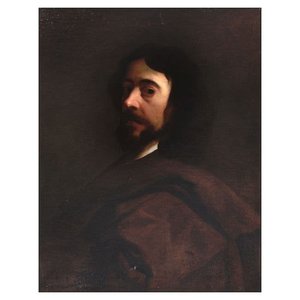
アブラハム・ヘンドリックスス・ファン・ベイレン
1620 - 1690 , オランダ
基本情報
- Artistic Movement Or Style: 静物画
- Artists Or Movements Influenced By This Artist: ['オランダ黄金時代']
- Date Of Birth: 1620年
- Full Name: アブラハム・ヘンドリックスス・ファン・ベイレン
- Nationality: オランダ
- Notable Artworks:
- ロブスター、果物、銀器、磁器のある静物画
- 青白磁のボウルと果物
- 中国磁器のピッチャー、ブドウ、桃、ピューター皿、ドレープされた棚の懐中時計
- Place Of Birth: オランダ、ハーグ
関連記事

Illuminating Innovation: Exploring the Dutch Golden Age of Painting
Explore the Dutch Golden Age of painting with ArtsDot. Discover Rembrandt, Vermeer & other Masters. Learn about key characteristics, iconic artworks, and lasting influence. Expert insights for collectors & enthusiasts.

黄金世紀の巨匠たち:バロック絵画が彩る10選|ArtsDot
オランダ黄金時代の10大傑作を紐解く!レンブラント、フェルメール…バロック絵画の魅力と時代背景を深く探求。ArtsDotで、至高のアートコレクションと空間演出のヒントを見つけよう。高品質なアートプリントで、お部屋を華やかに。

レンブラント傑作25選:光と影の巨匠、魂を揺さぶる名画の世界 | ArtsDot
レンブラントの傑作25選。光と影の魔術師が描いた魂を揺さぶる名画の世界へ。美術史に残る自画像、夜警、宗教画…ArtsDotで高品質なアートプリントやインテリアアートをお楽しみください。コレクションはこちら→
Abraham Hendricksz van Beyeren: Pioneering Dutch Still Life & the Banquet Tradition
Explore the captivating world of Dutch Golden Age still life with Abraham van Beyeren. Discover his innovative techniques, symbolic banquet scenes & lasting influence on art history. Learn about collecting these masterpieces.

Golden Age Reflections: Dutch Baroque Painting & Cultural Innovation
Explore the Dutch Golden Age of painting! Discover key artists like Vermeer & ter Borch, their innovative techniques, and the rich cultural context behind these Baroque masterpieces. Learn about collecting & appreciating this iconic art period.